
+10 Ideas For earthy bedroom colors inspo 2025
Imagine stepping into a bedroom that feels like a deep breath — warm, grounded, and effortless. Earthy palettes are more than a trend; they’re a mood: sun‑warmed clay, the soft undergreen of moss, raw linen, and the low sheen of brushed brass. In 2025, earthy bedroom colors marry natural pigments with modern finishes — think terracotta walls softened with oatmeal linens, or a charcoal accent behind a woven headboard. The textures are tactile: looped wool throws, matte plaster walls, hand‑thrown ceramics, and the whisper of untreated wood under your feet.
This approach matters because home decor isn’t only visual — it’s functional and emotional. Earthy colors help anchor busy minds, creating a sanctuary where you can wind down, host intimate gatherings, or work from bed when the day asks for flexibility. These hues translate across lifestyles: parents who need forgiving stains, singles who crave sophistication, and roommates who want a neutral backdrop that still feels curated.
Earthy palettes are fantastic for a seasonal refresh — warm ochres for autumn, cool clay for spring — and they’re excellent for renters and budget decorators. Many effects can be achieved with paint, textiles, and accessories rather than structural renovation, so you can create a layered, lived‑in look without a contractor. If you love the richness of deep greens, you might enjoy our take on moody palettes — see 10 ideas for moody green bedroom inspo for more inspiration. And if you prefer sunny, pastel earth tones, we also cover lighter schemes in another guide you’ll find helpful later on.
Decor Details
Earthy bedroom color inspiration in 2025 is about color strategy and texture rather than single pieces. This concept is primarily a color and textile direction — pairing wall colors, bedding, rugs, and accent furniture to create a cohesive, organic atmosphere.
- Item type: color palette + textiles + small furniture and accessories (rugs, bedhead, lamps, art).
- Main style: modern rustic with boho and Scandinavian influences — layered, uncluttered, tactile.
- Typical colors: terracotta, olive, sage, camel, warm taupe, stone gray, deep mocha, muted mustard. Materials/textures: linen, wool, raw wood, plaster, terracotta, jute, handwoven textiles, matte metal finishes.
- Best rooms/zones: bedrooms (primary), cozy nooks, guest rooms, small studio apartments.
- DIY vs. buying: mix — paint and textiles are easy DIY; furniture and art can be bought or thrifted and personalized.
Design Impact
Choosing an earthy color scheme transforms a bedroom’s visual balance: warm midtones pull spaces together and reduce visual noise, while deep accents create a focal point without overwhelming. Lighter earth tones (warm beige, pale oat) expand a small room and bounce soft light; darker tones (olive, deep clay) add drama and intimacy ideal for a restful sleeping environment.
Emotionally, earthy palettes promote calm and comfort. They mimic natural environments, which engages our evolutionary preference for biophilic cues — wood grains, stone hues, and plant greens can reduce stress and foster restfulness. Practically, these colors are forgiving: they disguise wear, hide small stains on textiles, and coordinate easily with mixed furniture. Picture a Friday evening: a cup of tea on a wooden tray, a wool throw over your knees, warm amber bedside light — the room feels intentionally cocooned yet never precious.
Why Choose It
Earthy bedroom colors are a smart choice for many reasons. Renters appreciate that color changes are primarily cosmetic and reversible with paint or removable wallpaper. Families value durability: linen and wool hides wear well and hide marks. Small apartment dwellers benefit from the palette’s ability to read as both warm and streamlined, allowing small rooms to feel curated rather than cluttered.
Key strengths include affordability — investing in a few key textiles and switching paint is far cheaper than new furniture — and flexibility. Swap cushions for seasonal updates, or use an accent wall for a more committed change. One common problem this approach solves: a bland, off‑white bedroom that feels like a hotel room. Add a terracotta accent wall, layer a jute rug underfoot, and suddenly the space becomes personal and grounded without replacing major pieces.
How to Style +10 Ideas For earthy bedroom colors inspo 2025
{ingredients}
- Paint (main wall color, accent color, or plaster finish).
- Bed: wooden or upholstered headboard in warm tones.
- Bedding: linen duvet, cotton sheets in cream/soft sage, wool or cotton throws.
- Rug: jute, wool, or flatwoven rug in neutral or muted pattern.
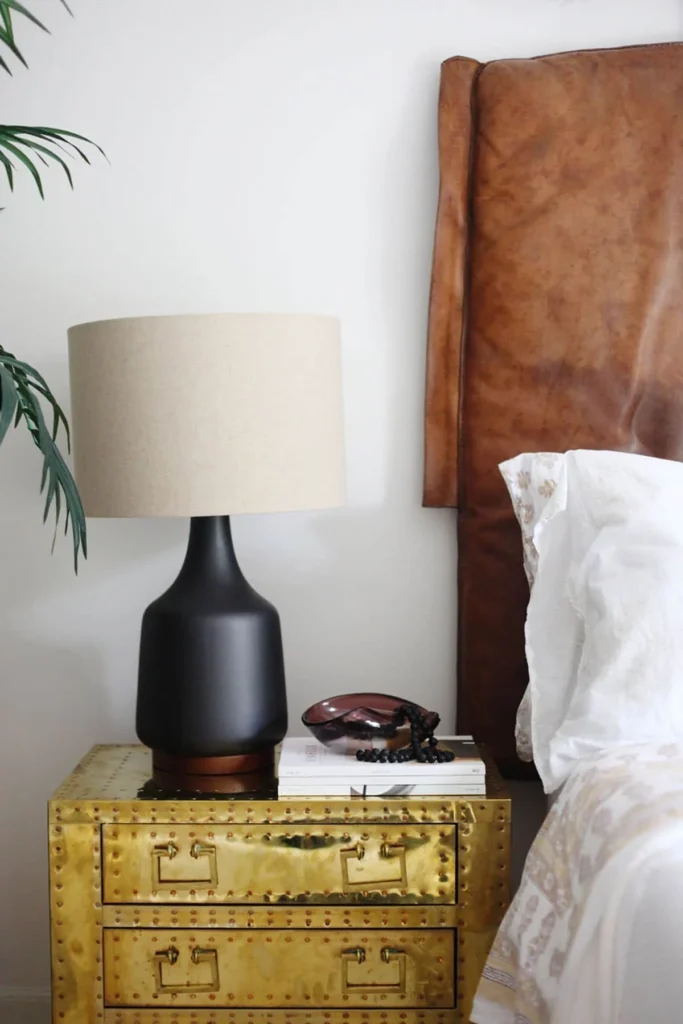
- Lighting: warm LED bulbs, table lamps with fabric shades, pendant or floor lamp.
- Accessories: terracotta pots, ceramic vases, woven baskets, wooden trays.
- Art: framed botanical prints, textured wall hangings, plaster or clay wall pieces.
- Plants: potted palms, snake plant, philodendron, or dried pampas.
- Optional upgrades: brass sconces, velvet cushion, sheepskin, plastered accent wall.
- Budget substitutions: thrifted bedside tables, DIY macramé, secondhand rugs, sample paints.
{directions}
- Start with a base color strategy. Choose two neutrals and one accent: for example, oatmeal walls (base), warm taupe trim (secondary), and terracotta accent wall behind the bed. This keeps the palette coherent.
- Paint the largest surface first. If you’re uncertain, test large poster‑size paint samples on the wall and observe in morning and evening light. Colors look warmer by lamplight.
- Layer textiles next. Put down a neutral jute or wool rug that ties in the wall tone, then add linen bedding in a lighter shade with one accent throw in deep green or mustard. Textures are more important than exact color matches.
- Anchor the bed. Use a wooden headboard or woven tapestry as a tactile focal point. Height matters: headboards 48–60 inches high read as intentional in most rooms.
- Balance with furniture. Place a nightstand on one or both sides; if the room is small, opt for floating shelves to keep the floor visual open. Maintain negative space — aim for a 12–18 inch walkway beside the bed.
- Edit accessories thoughtfully. Group ceramics and books on a tray; use odd numbers (3 or 5) for vignettes. Keep surfaces uncluttered to preserve the restful mood.
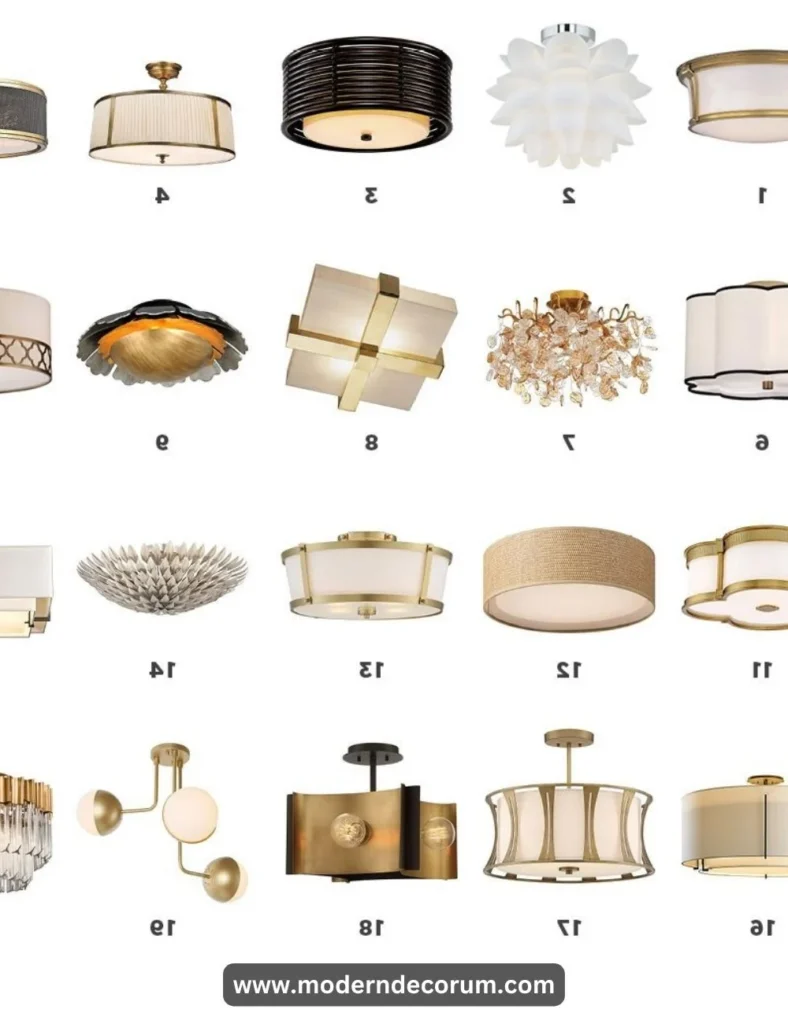
- Layer lighting. Combine overhead light with bedside lamps and a floor lamp. Use dimmers where possible and warm color temperature bulbs (2700–3000K).
- Introduce plants and natural elements. A tall plant in a corner softens vertical lines; small succulents on a shelf add life without overwhelming.
- Add art and mirrors. A large mirror opposite a window doubles light; framed botanical prints echo the palette and bring cohesion. Hang art at eye level — center of frame approx. 57–60 inches from floor.
- Finish and rotate. Every few months, swap a cushion or throw for seasonal color shifts — deeper rusts for fall, softer sage for spring. This keeps the look fresh without major investment.
Showcasing Ideas
Earthy bedrooms can be showcased in compact and expansive ways. In a small studio, focus on one strong accent — a plastered terracotta wall behind the bed paired with layered textiles keeps the space cohesive. In a larger master suite, use zoning: a seating nook with a leather chair, a wool rug, and a standing lamp creates a conversation area that complements the sleeping zone.
Pairing ideas:
- With plants: tall leafy plants accentuate greens; dried grasses add warm ochre tones.
- With rugs and throws: natural fiber rugs ground the bed; a plush throw adds tactile contrast.
- With mirrors and art: mirrors reflect light; art in muted palettes extends the color story.
- For small spaces: choose low-profile furniture, maintain consistent color temperature in lighting, and use vertical storage like wall baskets.
- For large rooms: create multiple vignettes (reading corner, dressing area) using complementary earth tones to make the expansive space feel intimate.
For lighter earthy palettes and airy arrangements, check our guide to lighter greens and how they behave in small rooms: 10 light green bedroom inspo ideas.
How to Maintain
Most materials in an earthy bedroom are low‑maintenance but benefit from regular care. Vacuum or shake out rugs weekly to prevent grit from wearing fibers; spot‑clean spills immediately with mild soap and water. For linen and cotton bedding, wash according to labels — usually cool to warm water and gentle cycles — and line dry when possible to preserve fibers.
Wood furniture should be dusted with a soft cloth and treated once or twice a year with a suitable oil or wax to maintain finish and prevent drying. Terracotta and unglazed ceramics can accumulate dust; wipe gently with a damp cloth. Rotate cushions and throws every season to keep wear even, and store out‑of‑season textiles in breathable bags to avoid mildew. Avoid prolonged direct sunlight on fabrics to prevent fading.
Designer’s Advice
- Start small with textiles to test a palette before committing to paint.
- Use three tones: light, mid, and dark for depth and balance.
- Keep metal finishes consistent — pick brass or matte black and echo it in hardware and lighting.
- Layer warm lighting: bedside lamps at eye level and a dim overhead create a cozy mood.
- Mix textures, not patterns: pair a bold patterned cushion with plain woven throws to avoid visual noise.
- Anchor small rooms with a rug that extends beyond both sides of the bed by at least 18 inches.
- If unsure, choose a muted olive or warm taupe as a universally flattering neutral base.
Creative Variations
- Minimalist twist: use a monochrome palette in warm taupe and cream, with streamlined furniture and one sculptural lamp for a calm, modern bedroom.
- Cozy cottage: emphasize terracotta, oatmeal, and moss green with layered quilts, braided rugs, and vintage ceramics for a lived‑in, welcoming feel.
- Budget-friendly: thrift a wooden headboard, repaint with a sample pot, and use secondhand woven rugs and DIY macramé to achieve texture without high cost.
Frequently Asked Questions
Q: How do I match earthy colors with existing furniture?
A: Identify the dominant undertone of your furniture (warm or cool) and choose wall and textile colors with the same undertone. Warm wood pairs beautifully with terracotta and camel; cool grays match olive and stone tones.
Q: Can earthy palettes work in very small apartments?
A: Yes — use lighter earthy neutrals as the base, reserve deeper tones for small accents, and maximize light with mirrors and thin‑leg furniture to keep the room feeling airy.
Q: Are these ideas renter‑friendly?
A: Absolutely. Use removable wallpaper, peel‑and‑stick headboards, or accent textiles to create big impact without permanent changes. Test paint removal policies with your landlord before painting.
Q: Where can I find quality, affordable pieces?
A: Look to local thrift stores, artisan markets, and budget furniture retailers for raw wood and woven items. Mix new basics with one or two thrifted or handmade pieces for personality.
Q: How should I store seasonal decor to avoid damage?
A: Keep textiles in breathable cotton bags in a dry, dark place; stack ceramics with tissue paper between pieces; store in climate‑controlled areas to prevent moisture damage.
Conclusion
Earthy bedroom colors for 2025 blend comfort, sophistication, and practicality — a palette that welcomes nightly rest and daily living. Try one of the color combinations above: start with paint samples, add texture through textiles, and let plants and ceramics bring the scheme to life. Share your before‑and‑after photos or questions in the comments — we love seeing how readers make these ideas their own.
For a deeper look at broader home trends that complement earthy palettes, consider reading this roundup of Top 14 Home Remodel Design Trends for 2025. If you’re curious about the science behind color choices and well‑being, this overview on related topics can provide useful context: What Are They: a perspective on color, mood, and choice.
Explore more cozy room ideas and weekly styling tips at Moderndecorum.com — and sign up for our newsletter to get fresh inspiration delivered to your inbox.