+10 Ideas For Japandi Home Office Inspo 2026
Introduction
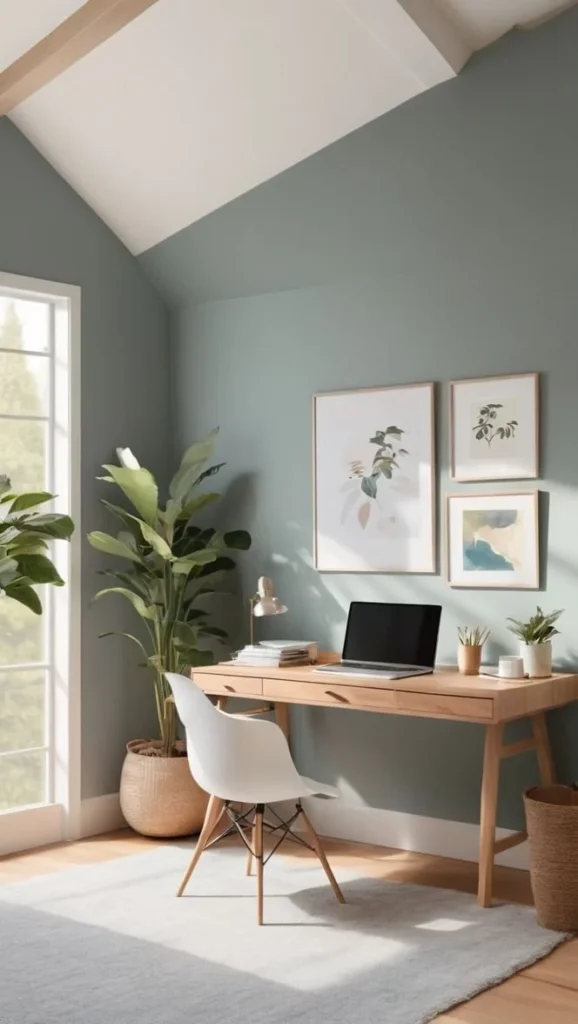
Picture this: a sun-warmed ash wood desk, its grain a quiet river under your fingertips; a low, sculptural shelf with rounded edges holding a single ceramic vase and a stack of neutral notebooks; soft paper-y curtains that filter golden light into the room, while a muted woven rug cushions the floor beneath your feet. That’s the Japandi home office in 2026 — an elegant marriage of Japanese restraint and Scandinavian warmth that feels both modern and lived-in. The palette is calm: warm beiges, soft charcoal, mossy greens, and creamy whites; the textures are tactile — smooth timber, brushed linen, hand-thrown ceramics, and woven natural fibers. The mood is quiet confidence: uncluttered, intentional, and soothing.
Why does this matter for real homes? Because our workspaces shape how we think, feel, and live. A Japandi office isn’t just pretty — it’s practical. It’s designed to reduce visual noise, support focus with clean lines and purposeful storage, and welcome moments of relaxation between tasks. Whether you’re dialing into a late-afternoon meeting, sketching a new idea with a brush pen, or hosting a friend for tea, this aesthetic creates a setting that’s calm yet refined, functional yet soulful. For a seasonal refresh, a renter-friendly upgrade, or a small-space makeover, Japandi delivers big impact with modest changes.
If you’re experimenting with decor for the year ahead, this direction is perfect: it’s ideal for cozy corners, modern updates that won’t date quickly, and renters who need non-permanent decorating solutions. It scales from budget swaps (thrifted wood frames, DIY linen curtains) to investment pieces (a handcrafted oak desk or handmade ceramic lamp), so it suits many lifestyles. For tips and additional visual examples, browse curated layouts like our take on home office Japandi style ideas for 2026 to spark your plan.
Style Snapshot
What this idea is:
- A cohesive approach to home-office decor combining furniture, lighting, textiles, storage, and accessories that reflect both Japanese minimalism and Scandinavian comfort.
Main style:
- Japandi (a hybrid of Japanese and Scandinavian design): minimalist, modern, warm, and functional.
Typical colors, materials, and textures:
- Palette: warm neutrals (beige, sand, cream), charcoal, soft greens, and muted wood tones.
- Materials: light to medium woods (ash, oak, walnut), matte ceramics, linen, wool, rattan, and brushed metal accents.
- Textures: smooth wood grain, nubby textiles, soft paper lampshades, and hand-thrown ceramic glazes.
Best rooms or zones:
- Dedicated home office, study nook, bedroom work corner, or a calm workstation in an open-plan living area.
DIY vs. store-bought:
- Mix: many elements are easy DIY (simple floating shelves, pillow covers, linen curtains), while statement pieces (ergonomic chair, bespoke desk) are often store-bought.
Why It Works
Japandi transforms a home office by balancing visual clarity and human warmth. Visually, it reduces clutter with purposeful storage and streamlined furniture, making the room read as larger and airier. Natural light becomes a design partner: pale walls and soft textiles reflect sunshine, while low-profile furniture maintains sightlines and flow. A single tactile object — a carved wooden tray, a paper pendant lamp — becomes a focal point without shouting, so your attention stays on what matters: work and wellbeing.
Emotionally, Japandi fosters calm and productivity. The restrained palette and natural materials encourage slower breathing and clearer thinking; working in a space that feels curated but not fussy helps reduce decision fatigue. Practically, the style prioritizes multi-use surfaces, accessible storage, and comfortable seating: a slim credenza with drawers, a desk with built-in cable management, and an upholstered bench that doubles as guest seating. Picture arriving home after a busy day: you sit at a low armchair with a wool throw, steam rises from a tea bowl, and the room’s textures invite you to breathe out — that’s the Japandi promise.
Perfect For…
This direction suits a wide audience. Renters will appreciate the non-permanent touches — peel-and-stick wallpaper in a muted stripe, a portable floor lamp, or simple shelving anchored with brackets rather than studs. Small-apartment dwellers benefit from the emphasis on multi-functional pieces (desk that folds against the wall, storage ottoman). Families can use the calming palette to create a shared home office that reads calming rather than chaotic. Design beginners will find the rules straightforward: neutral palette, focus on quality over quantity, and one tactile accent per vignette.
A typical problem Japandi solves: a cluttered, visually noisy desk. Replace mismatched accessories with a cohesive set — a wooden desk tray, a linen cable sleeve, and a low planter — and your workspace feels ordered instantly. Or imagine a dark corner: add a soft paper pendant and a light-toned rug, and the area becomes an inviting nook for focused tasks or reading.
How to Style +10 Ideas For japandi home office inspo 2026
ingredients
- Main items:
- Simple wood desk (oak, ash, walnut)
- Ergonomic chair with a muted fabric or leather seat
- Low, sculptural shelving or credenza
- Paper pendant or soft-glow table lamp
- Neutral rug (flatweave or low-pile wool)
- Linen or cotton curtains in warm white or sand tones
- Ceramic accessories (vase, pen cup), wooden trays
- Planter with a sculptural plant (zz plant, snake plant, or a small ficus)
- Optional upgrades:
- Hand-thrown teabowl or incense burner
- Rattan storage baskets, woven bulletin board
- Adjustable task lamp in matte metal
- Framed minimal art or sumi-e style prints
- Budget-friendly substitutions:
- Thrifted wood desk refinished with tung oil
- IKEA-style floating shelves and simple curtain panels
- DIY linen pillow covers and painted terracotta pots
directions
- Define the anchor piece: choose your desk first. For small spaces, pick a slim console desk. In larger rooms, a wider desk with a low storage credenza behind it creates a double-aspect workspace. Tip: pick wood tones that coordinate — avoid too many competing finishes.
- Layer soft light: start with ambient lighting (paper pendant or warm overhead) and add task lighting (adjustable desk lamp). Use warm bulbs (2700–3000K) to keep the room cozy. Avoid stark cool light that undermines the warmth of Japandi.
- Choose a soothing palette: select two neutrals (one warm, one cool) plus one grounding accent (charcoal or muted green). Example: warm cream walls, pale ash desk, charcoal textile accents. This keeps the room calm but interesting.
- Add purposeful storage: place a low credenza or two open shelves near the desk for everyday items. Use woven baskets to hide cables and supplies. Keep work surface clutter to a minimum: one tray for mail, one pen cup, one notebook.
- Incorporate texture: layer a flatweave rug under the desk, drape a linen throw over an occasional chair, and display a matte ceramic vase. Texture is the key to Japandi warmth — balance smooth surfaces with soft fibers.
- Anchor with art: a single large piece of minimal art, a sumi ink print, or a framed textile can ground an empty wall without overcrowding it. Hang it at eye level; if above the desk, leave a 6–12 inch breathing space.
- Bring in green life: add one sculptural plant in a simple pot. Keep it off the desk if possible — on a low shelf or stand — to maintain workspace clarity. A leafy plant softens light and adds oxygen for long work sessions.
- Personalize with restraint: layer small meaningful objects (a hand-thrown bowl, a single book, a framed small photo) in groups of odd numbers. Avoid tripping into clutter by limiting items to curated vignettes.
- Arrange for flow: place the chair so it moves freely without scraping into shelves; leave a clear path to any windows or storage. Sense-check by walking the space — if anything feels cramped, remove or relocate it.
- Maintain seasonal swaps: refresh textiles with a wool cushion in winter and a lighter linen in summer; swap a darker rug for a lighter one to adjust the mood. Minor changes keep the space feeling updated without a full overhaul.
+10 Japandi Home Office Ideas to Try Right Now
- Minimal oak writing desk with rounded corners
- Paper pendant over the workspace for soft, diffused light
- Low-profile shelving with woven storage baskets
- Neutral flatweave rug layered with a small wool mat near the chair
- Linen curtains to diffuse sunlight and add motion
- Hand-thrown ceramic cups for pens and small objects
- Sculptural plant in a stone planter (snake plant or ficus)
- Simple framed sumi-style art or muted abstract print
- Wooden monitor stand that doubles as hidden storage
- Rattan or cane chair accents to add organic texture
- Slim, low credenza that doubles as a display ledge
- Natural fiber wall hanging in neutral tones for acoustic softness
Best Pairings
Japandi elements pair beautifully with a handful of supporting pieces that amplify the look without overwhelming it. In an entryway-adjacent office, place a short bench with a soft wool cushion and a narrow console for keys; the bench can double as guest seating during meetings. In a living-room-home-office hybrid, use a matching wood credenza to visually tie the two areas together so the workspace reads as part of the whole rather than an afterthought.
Pairings to consider:
- Plants and ceramics: contrast glossy leaves with matte vases.
- Rugs and lighting: a flatweave rug grounds furniture while a paper pendant softens overhead light.
- Shelves and baskets: open shelving for display, woven baskets for hidden storage.
- Art and textiles: a single large print with a textured throw to balance visual and tactile elements.
Small-space idea: use a wall-mounted folding desk, a slim task chair, and a vertical shelf to keep floor area open while maintaining the Japandi aesthetic.
Open-plan idea: define the office area with a low credenza as a visual boundary and maintain continuity by repeating wood tones and textiles across the room. For additional inspiration on layout and ideas, check our collection of lovely Japandi home office inspirations.
How to Maintain
Natural materials deserve gentle care. Wipe wooden surfaces with a soft, slightly damp cloth and dry immediately; use a mild wood cleaner for more thorough care, and avoid harsh solvents. Linen and cotton textiles can be washed according to fabric labels — generally a cool, gentle cycle — and air-dried to preserve texture. For wool rugs, vacuum regularly with a gentle setting; spot-clean spills promptly with a wool-safe cleaner.
Dust open shelving and ceramic pieces weekly to keep the room feeling fresh. Rotate cushions and throws seasonally to even out wear and sunlight exposure. For seasonal storage, keep extra textiles in breathable cotton bags in a cool, dry place to prevent mildew; store ceramics wrapped in acid-free tissue if packing away. Regular light maintenance — decluttering surfaces monthly and reassessing storage solutions quarterly — keeps a Japandi office feeling serene and functional.
Designer’s Advice
- Embrace negative space: the areas you leave empty are as important as what you fill.
- Scale matters: choose furniture proportional to your room; an oversized desk can overpower a small nook.
- Warm light wins: use bulbs with warm color temperature (2700–3000K) for a cozy feel.
- Limit finishes: stick to two wood tones maximum to avoid a muddled look.
- Use odd numbers when styling vignettes (3 or 5 items) for a natural, balanced arrangement.
- Texture is the secret to warmth — mix smooth wood with soft textiles and matte ceramics.
- Keep cords contained: a neat workspace looks calmer and supports focus.
Creative Variations
Minimalist Japandi: Focus on the bare essentials — a slim desk, single pendant, one plant, and a small shelf. Budget: low. Occasions: perfect for those who want a distraction-free work setup.
Cozy Japandi: Add a low upholstered reading chair, a chunky wool throw, and layered rugs for warmth. Mid-range budget. Occasions: great for winter months and creating a welcoming work-then-relax zone.
Bold Accent Japandi: Keep the core neutral palette but add one bold element — a deep moss-green cushion, a charcoal feature wall, or a black metal task lamp. Luxury or mid-range budgets depending on the chosen accent. Occasions: when you want a modern twist or an updated focal point for hosting.
Frequently Asked Questions
Q: Can Japandi work in a studio apartment or very small office?
A: Yes. Choose slim, multi-functional furniture (folding desks, storage ottomans), keep the palette light, and prioritize vertical storage to save floor space.
Q: Is this style renter-friendly?
A: Absolutely. Many Japandi touches are non-permanent: freestanding furniture, peel-and-stick options, portable lighting, and textiles that can be taken with you.
Q: How do I match Japandi decor with existing furniture?
A: Match the dominant wood tone or neutral color in your existing pieces, and introduce subtle coordinating textures. If finishes differ, use small accents (trays, vases) to tie them together.
Q: Where can I source good quality items without overspending?
A: Look for timeless basics in local furniture stores, secondhand shops for solid wood finds, and craft markets for ceramics. Prioritize a few investment pieces and balance them with budget-friendly accents.
Q: What’s the best way to keep ceramics and textiles looking fresh?
A: Dust ceramics gently and avoid extreme temperature changes. Wash textiles on gentle cycles when needed and air-dry to maintain texture.
Conclusion
Ready to bring Japandi calm and clarity to your home office this year? Try one or more of the +10 ideas above, mix in meaningful objects, and let natural materials and warm light do the heavy lifting. Share your results — photos and questions — in the comments so our community can learn from your styling adventures, and explore more curated looks and step-by-step projects on Moderndecorum. For practical product ideas and inspiration, you might also explore resources like Bathroom tile selections for texture and color inspiration and a guide to trending online retail opportunities at what to sell on TikTok Shop to spark creative sourcing ideas. Join our newsletter and follow Moderndecorum for more seasonal updates, renter-friendly tips, and community-driven decor projects.