+10 Ideas For minimalist furniture living room inspo 2025
Introduction
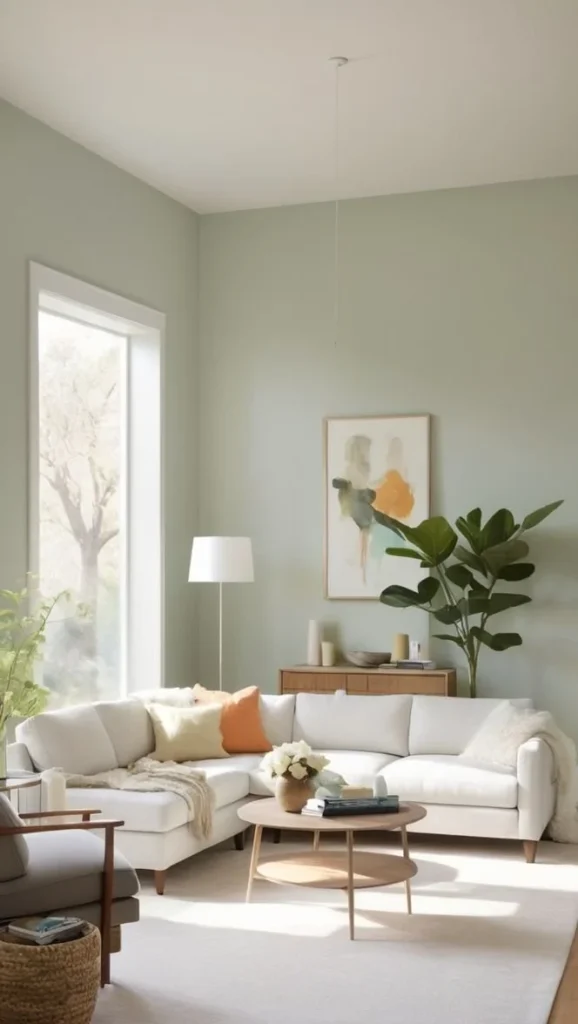
Imagine stepping into a living room that breathes. Soft, natural light spills across a pared-back sofa; warm wood grain anchors the floor, and a single sculptural lamp casts a pool of amber glow. Surfaces feel tactile — linen pillows, a low-profile wool rug, the cool smoothness of a stone side table — and the room moves around you with surprising ease. This is minimalist furniture living room inspo for 2025: thoughtful pieces with calm silhouettes, textural layers, and purposeful negative space that let your life — conversations, slow Sundays, movie nights — take center stage.
Minimalism today isn’t about starkness; it’s about intentional comfort. Think rounded sofas with deep seats, slim-legged console tables that double as display and storage, and modular shelving that adapts when guests arrive. Colors lean soft and sophisticated: warm off‑whites, muted taupes, charcoal accents, and a single accent color — terracotta, sage, or deep navy — used sparingly. Textures do the heavy lifting: raw oak, brushed metal, boucle upholstery, and tactile ceramics create depth without clutter.
Why does this matter? Because homes are where we reset. Minimalist furniture clears visual noise, reduces decision fatigue, and creates a calm backdrop for your personality — art, a favorite book stack, or a statement plant. It’s ideal for seasonal refreshes (swap pillows and throws, not entire sofas), renter‑friendly updates (slipcovers, freestanding storage), and budget-friendly styling (thrifted frames, layered rugs). If you’re prepping for a holiday gathering, an intentionally minimal layout makes room for people and flow without feeling bare.
If you love the clean lines of industrial pieces, check out this related inspiration for a crossover look: minimalist industrial living room inspo.
At a Glance
What +10 Ideas For minimalist furniture living room inspo 2025 is:
- A curated set of furniture and decor approaches that prioritize simple forms, multifunctional pieces, and tactile materials to create calm, livable living rooms.
Main style:
- Modern minimalism with Scandinavian and mid‑century influences — functional, warm, and understated.
Typical colors, materials, and textures:
- Palette: soft neutrals (cream, beige, warm gray) with charcoal or muted jewel accents.
- Materials: light-to-medium woods (oak, ash), matte metals (blackened steel, brass), boucle and linen textiles, ceramic and stone accessories.
- Textures: looped boucle, nubby linen, raw wood grain, soft wool rugs.
Best rooms or zones:
- Living room main seating area, reading nooks, entryway benches, small open-plan lounges, and studio apartments.
DIY vs. store-bought:
- Mix of ready‑made (sofas, modular shelving) and easy DIY (painting legs, sewing simple cushion covers, restaining thrifted tables).
Design Impact
Design Impact
Minimalist furniture transforms a room by refining visual weight and improving flow. A slim, low-profile sofa instantly makes a living room feel larger; a narrow console behind the sofa adds storage without blocking pathways. Strategic negative space (an uncluttered wall or an empty corner) becomes intentional breathing room, highlighting a single art piece or a sculptural lamp. Light bounces off pale walls and natural wood, amplifying daylight and creating a serene backdrop for evening layered lighting.
Emotionally, this approach reduces sensory clutter — the mind relaxes when the eye isn’t forced to scan dozens of competing objects. The result is a living room that invites lingering: coffee in the morning, reading naps, or relaxed hosting. Practically, minimalist pieces are often modular or multifunctional: an ottoman that doubles as a coffee table and extra seating, a slender shelving unit that hides tech with baskets, or nesting side tables for variable surface needs. Picture a weeknight when you’re working at the coffee table: a tidy surface, a lamp that softly illuminates your notebook, and a storage basket pulling clutter out of sight in seconds.
Why Choose It
Why Choose It
This style is ideal for renters, small‑space dwellers, families who crave calm, and anyone who prefers a curated look that’s easy to maintain. Minimalist furniture tends to be versatile — neutral upholstery accepts accent swaps, and modular shelving flexes as your collection grows or shrinks. It’s a smart long‑term choice: well-chosen pieces age gracefully and can be updated with small textile or accent changes rather than full replacements.
Key strengths include affordability (invest in one quality sofa and source affordable accent pieces), flexibility (rearrange modular units for different seasons or gatherings), and timelessness (clean lines rarely feel dated). A real-life problem solved: an awkward empty wall behind a sofa. Instead of filling it with a heavy bookcase, choose a low floating shelf and a single wide art piece; the space feels cohesive, not crowded, and you’ve suddenly gained display space without blocking sightlines.
How to Style +10 Ideas For minimalist furniture living room inspo 2025
{ingredients}
- Main items:
- Low-profile sofa in a neutral fabric (linen or boucle)
- Slim media console or floating shelf
- Simple coffee table (round or rectangular, wood or stone)
- Pair of nesting side tables or a single sculptural side table
- Modular shelving or ladder shelf for storage
- Area rug (natural fibers, 6×9 or 8×10 depending on room)
- Floor lamp and one table lamp for layering
- Textiles: two patterned pillows, two solid pillows, one throw
- Storage baskets (wicker or fabric)
- Optional extras:
- Sculptural mirror, ceramic vases, a statement plant (fiddle leaf or monstera)
- Tray for the coffee table, stackable coffee table books, candle
- Pouf or ottoman for extra seating
- Budget-friendly substitutions:
- Thrifted mid-century coffee table instead of designer piece
- Slipcovers or second-hand sofas refreshed with new cushions
- IKEA-style modular shelving or repainted thrift pieces
{directions}
- Start with the sofa: choose a neutral, low‑profile piece and position it anchored to the rug — front legs on the rug create cohesion. Tip: for small rooms, float the sofa slightly off the wall to create circulation space.
- Layer a rug that fits the seating group: at minimum have the front legs of the sofa and chairs on the rug. This visually ties the zone.
- Place the coffee table centrally, leaving 16–18 inches between table and sofa for easy movement. If you have kids, choose a rounded table to reduce sharp corners.
- Add a slim media console or a floating shelf under the TV to maintain sightlines. Keep electronics corralled in one basket or one tray to avoid scattered cords.
- Introduce vertical interest with a modular shelving unit or ladder shelf in a corner. Use baskets on lower shelves for toys or blankets and display a few books and a plant above.
- Layer lighting: a floor lamp beside the sofa for reading, a table lamp on the console for ambiance, and a dimmable overhead or pendant for gatherings. Use warm bulbs (2700–3000K) for a cozy feel.
- Choose textiles deliberately: limit patterns to one or two pieces and balance with solids. For a modern look, pair a geometric cushion with a textured boucle pillow.
- Accessorize with restraint: display 3–5 meaningful objects — a ceramic vase, a sculptural bowl, a framed photo — instead of dozens of small items.
- Create a focal point: an oversized piece of art or a mirror above the sofa or mantle anchors the room. If the art is bold, keep surrounding decor minimal.
- Edit regularly: every season, remove one item and add one new element (a colored throw, new plant) to keep the space feeling fresh without overloading it.
Presentation Tips
Presentation Tips
Minimalist furniture adapts beautifully across zones. In an entryway, a slim bench with a woven basket underneath sets the tone for a tidy home. In the living room, a single sculptural armchair paired with a low coffee table creates conversational intimacy. For the bedroom, a small loveseat and a simple side table form a cozy reading nook.
Pairings elevate the look: a large leafy plant softens clean lines; a chunky wool throw adds warmth to a sleek sofa; brass or matte black lamp bases add visual contrast. For small spaces, choose multi‑use furniture (narrow console tables, nesting tables, wall‑mounted shelves) and keep floors clear to maximize perceived space. In an open-plan room, use rugs to delineate zones — a rug under seating, another under the dining table — and coordinate palette across zones for flow.
- Entryway: bench + hook rail + large mirror.
- Small living room: apartment‑sized sofa + floating shelves + single armchair.
- Large open plan: modular sofa to zone seating + slim console behind for storage.
- Pair with: plants, candles, baskets, textured rugs, and a single striking art piece.
- For shelving styling tips, see this guide to shelf decor ideas.
Care Instructions
Care Instructions
Caring for minimalist furniture is straightforward because pieces are often made of durable, easy‑to‑maintain materials. For wood surfaces, dust weekly with a soft microfiber cloth and clean spills immediately with a damp cloth; avoid harsh chemicals. Metal frames and legs can be wiped with a damp cloth; for brass, use a gentle cleaner if you want to remove patina, but consider leaving some warmth for character.
Upholstery: vacuum fabric sofas monthly with an upholstery attachment and rotate cushions to distribute wear. For stains, follow manufacturer instructions — often immediate blotting with a clean cloth and a mild soap solution works. For boucle and delicate weaves, test any cleaner on a hidden area. Refresh pillows and throws seasonally; machine wash according to labels and sun-dry to avoid mildew. Store seasonal items in breathable bins away from direct sunlight to prevent fading.
Designer’s Advice
Designer’s Advice
- Keep scale in mind: low furniture needs lower artwork and lamps to feel proportionate.
- Use odd numbers when displaying objects (3 or 5 items feels balanced).
- Layer light sources — ambient, task, and accent — for a welcoming glow.
- Mix textures, not patterns: pair smooth wood with nubby textiles for depth.
- Leave breathing room: allow empty spaces to act as visual rests.
- Choose one accent color and echo it in two to three places around the room.
- Invest in one standout piece (sofa or coffee table) and budget elsewhere.
Creative Variations
Creative Variations
Cozy Minimalist: Keep the simple forms but warm them up — choose a plush boucle sofa, a soft sheepskin on an accent chair, and warm terracotta accents. Great for colder climates or cozy winter evenings.
Color‑Forward Minimal: Maintain minimalist forms but add bold accents — a deep navy accent wall, a mustard pillow, or a sculptural teal side table. Works for those who want restraint with personality.
Budget/Thrifted Minimal: Source a neutral sofa slipcover, repaint thrifted wood pieces in light oak tones, and use second‑hand rugs and baskets. This version is renter‑friendly and sustainable.
Frequently Asked Questions
Frequently Asked Questions
Q: How do I match minimalist furniture with existing colorful pieces?
A: Anchor the room with neutral furniture and repeat one or two accent colors from your existing pieces in small doses (pillows, art, a lamp) to create cohesion.
Q: Is this style suitable for small apartments?
A: Absolutely. Use multi‑functional furniture, slim profiles, and keep floors visible to maximize perceived space.
Q: Can renters adopt this look without permanent changes?
A: Yes — choose freestanding shelving, removable hooks, slipcovers, and removable wall art to get the look without altering the space.
Q: Where can I find quality items without overspending?
A: Look for local makers, second‑hand finds, and retailers that offer modular, well-reviewed pieces. Prioritize one durable investment (like a sofa) and accessorize affordably.
Q: How should I store seasonal decor?
A: Use breathable fabric bins in a cool, dry place; label contents and rotate items each season to keep the space feeling current.
Conclusion
Minimalist furniture living room inspo for 2025 is about clarity, comfort, and creating a calm home that fits how you live. Try one of the ideas above — swap a heavy coffee table for a lighter version, introduce a sculptural lamp, or streamline shelving — and see how much more relaxed your living room feels. Share your results or ask questions in the comments; we love seeing how readers make these looks their own. For further reading on seating trends and color ideas this year, explore this roundup of sofa trends for 2025 and this reflective look at color in interiors over ten years of insights: 10 years of color inspiration. And don’t forget to explore more room ideas and join our community at Moderndecorum.com.