Table of Contents
Why This Decor Idea Matters
HOME LOOK CHEAP is a concern many homeowners face, often without realizing it. Even in well-furnished spaces, small design missteps can unintentionally make a home feel less polished than desired. Stefana Silber, celebrated for her refined design expertise, emphasizes that true style is not about spending more—it’s about making thoughtful, intentional choices.
Understanding what makes a home appear cheap is empowering. By correcting common mistakes in lighting, finishes, furniture placement, and accessories, you can elevate your space into an interior that feels warm, elegant, and intentional. With attention to detail, it’s possible to create a home that looks both curated and comfortable—without overspending.
What You’ll Need
Before transforming your space, consider the key elements that often contribute to a polished versus a dated or “cheap” look.
- Quality Lighting Fixtures
- Lighting sets the tone. Outdated or builder-grade fixtures can make a room feel flat.
- Budget-friendly: Stylish IKEA or Target pendants.
- High-end: Restoration Hardware or artisanal lighting brands.
- Paint & Finishes
- The right wall color and trim finish elevate the whole room. Avoid overly bold tones unless balanced thoughtfully.
- Budget-friendly: Hardware store paint in soft neutrals.
- High-end: Designer palettes like Farrow & Ball or Benjamin Moore’s premium line.
- Furniture with Character
- Mass-produced, overly matched sets tend to lack charm. Mixing materials and silhouettes creates depth.
- Textiles & Rugs
- Thin, undersized rugs and shiny polyester curtains can cheapen a look. Invest in natural fibers and proper sizing.
- Decor Accents
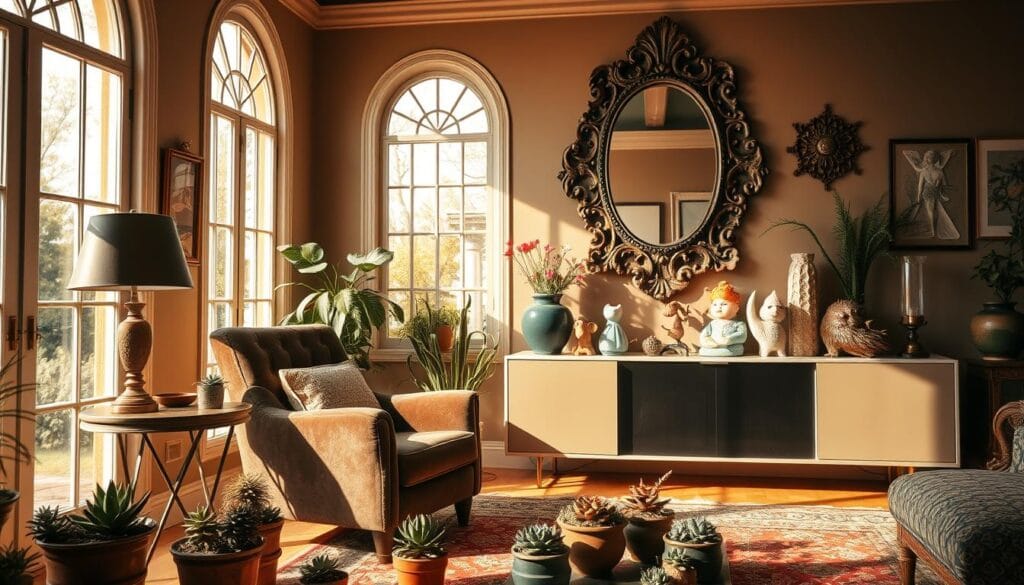
- Artwork, mirrors, and thoughtful accessories add personality. Choose fewer, larger items rather than cluttering with small trinkets.
Sourcing Tips:
- Thrift and antique stores often have unique, affordable finds.
- Online marketplaces like Etsy and Chairish offer artisan-made options.
- Mix high and low pieces—splurge on items you’ll use daily (sofas, lighting) and save on accents.
Decorating Steps
1. Upgrade Your Lighting
Swap out basic flush mounts and outdated chandeliers for timeless pendant lights or sleek sconces.
Pro tip: Use warm bulbs (2700–3000K) for an inviting glow. Avoid harsh blue-toned LEDs.
2. Choose Wall Colors Thoughtfully
Skip builder-beige or overly saturated hues in main spaces. Instead, use calming neutrals, soft whites, or earthy tones.
Common mistake: Using flat white paint everywhere—it often feels unfinished.
3. Rethink Furniture Sets
Avoid matching every piece in a room. Instead, blend wood tones, fabrics, and metals.
Pro tip: Anchor a neutral sofa with an antique side table or a statement chair.
4. Invest in Rugs That Fit
Too-small rugs instantly shrink a room. Ensure the front legs of furniture rest on the rug for a balanced look.
5. Upgrade Window Treatments
Plastic blinds or shiny polyester curtains date a space. Linen, cotton, or bamboo shades create warmth and sophistication.
6. Declutter Surfaces
Too many small trinkets or faux flowers make a space feel busy. Instead, style with a few larger, intentional pieces.
7. Refresh Hardware & Fixtures
Switch out builder-grade knobs, faucets, and cabinet pulls. Matte black, brass, or brushed nickel instantly upgrade a kitchen or bathroom.
8. Mind the Scale of Artwork
Tiny pieces scattered across large walls look unbalanced. Opt for oversized art, gallery walls, or one bold mirror.
9. Avoid Overly Trendy Decor
Chasing every trend can make a home feel dated quickly. Focus on timeless pieces and add seasonal touches through accessories.
10. Layer Textures for Depth
A room without texture feels flat. Mix wood, stone, linen, and wool for dimension and warmth.
Design Tips & Variations
- Color Accents
- Introduce muted accent colors—sage green, dusty blue, or terracotta—for personality without overwhelming.
- Lighting & Mood
- Layer lighting with table lamps, floor lamps, and pendants to avoid harsh overhead glare.
- Textures
- Think woven baskets, ceramic vases, boucle chairs, or stone trays for tactile interest.
- Seasonal Updates
- Spring/Summer: Light linen curtains, fresh greenery, and airy throws.
- Fall/Winter: Wool blankets, warm candles, and deep-toned pillows.
- Personal Touches
- Display books, travel souvenirs, or handmade pottery. Authenticity always feels luxurious.
FAQ / Common Challenges
Q: Do I need to spend a lot to avoid a “cheap” look?
Not at all. Smart styling and a few upgrades—like rugs, lighting, and decluttering—make a huge difference.
Q: How can I make a small room feel more expensive?
Use larger rugs, mirrors to reflect light, and fewer but bigger decor pieces for impact.
Q: What’s the easiest first step to take?
Swap outdated lighting fixtures or add full-length curtains. These instantly elevate any room.
Q: How do I mix high and low decor without it looking messy?
Choose a consistent color palette. Let one or two statement pieces shine, and keep supporting items subtle.
Conclusion & Call to Action
Creating a home that feels elegant doesn’t mean chasing every trend or spending extravagantly. Often, it’s about avoiding the small mistakes that distract from a room’s potential. From lighting and rugs to artwork and textures, every thoughtful detail transforms a house into a space that feels elevated and timeless.
Stefana Silber’s insights remind us that style is about intention, balance, and authenticity. By refining just a few areas, you can make your home feel instantly more luxurious.
So, why wait? Take a walk through your rooms and ask yourself: Which detail will you update first to make your home look polished, not cheap?