15 Spring Botanical Art Ideas for a Fresh Home Look
Spring is the season of soft sunlight, busy birdsong, and that urgent, irresistible urge to bring new life indoors. Imagine breezy linen curtains stirred by a gentle draft, the scent of citrus and green shoots, and walls that bloom with botanical prints instead of blankness. This collection of 15 Spring Botanical Art Ideas for a Fresh Home Look is all about textures that whisper—matte paper, hand‑painted strokes, pressed leaves—and colors that hum: tender sage, lemon chiffon, blush pinks, and deep ivy greens. It’s a moodboard come to life: restorative, cheerful, and quietly sophisticated.
Botanical art does more than decorate—it choreographs how a room feels. A gallery of pressed‑flower frames softens a stark hallway; a large monochrome fern print anchors a minimalist living room; embroidered floral cushions make a thrifted armchair feel intentional. These ideas matter because they let you express personality—whether you love modern restraint or cottage garden abundance—while creating spaces that actually get used: cozy nooks for reading, bright backdrops for hosting, and calming corners for winding down.
Whether you’re doing a seasonal refresh, sprucing up for spring gatherings, or making renter‑friendly swaps, botanical art is one of the most flexible tools in your kit. It’s easy to mix store‑bought and DIY, and you can keep costs low without losing impact. If you want inspiration that bridges old and new, see how botanical accents can pair beautifully with vintage finds in our guide to charming vintage decor ideas for any home.
Ready to bloom? Below are practical, sensory-rich ideas and step‑by‑step styling directions so you can bring plant life to every room—no green thumb required.
At a Glance
15 Spring Botanical Art Ideas for a Fresh Home Look is a mix of decor pieces—wall art, textiles, small sculptures, framed botanicals, and decorative tabletop arrangements—focused on botanical motifs and natural materials. Think prints, pressed florals, botanical line drawings, wallpaper, embroidered pillows, and curio vignettes that celebrate leaves, flowers, and stems.
Main style: adaptable—ranges from modern Scandinavian and minimalist to boho, cottagecore, and rustic chic depending on scale, color, and framing choices.
Typical colors, materials, and textures:
- Palette: soft greens (sage, olive), creams, warm neutrals, blush accents, and occasional deep emerald or terracotta.
- Materials: matte paper, linen, rattan, terracotta, brass, reclaimed wood, ceramic, and glass.
- Textures: rough‑hewn wood frames, linen mats, hand‑torn paper edges, pressed petals, and woven textiles.
Best rooms/zones: living room feature wall, bedroom above the headboard, dining room gallery, entryway statement, bathroom shelf, and home office focal points.
DIY vs. buying: mix—many pieces are easy DIY (pressed flowers, simple prints, embroidered cushions), while statement items like wallpaper murals or custom framed prints are often store‑bought or require a framer.
Design Impact
Botanical art transforms a room by introducing organic forms and softening hard lines. Visually, it creates flow—curving stems and leaf shapes guide the eye across a wall, inviting rest and prolonging attention. A row of botanical prints can lengthen a hallway; a large-scale floral mural can make a living space feel lush and layered without adding extra furniture. Think of botanical art as an airier alternative to heavy, dark art: it brightens surfaces and balances busy furniture without competing.
Emotionally, botanicals help with comfort and restoration. Green tones are calming and associated with nature, which can lower stress and create a restful backdrop for evenings in or focused mornings. Hosting becomes easier, too: botanical arrangements make tables feel curated and welcoming, setting a relaxed but elegant tone. Practically, framed botanical art and textile pieces are low-maintenance ways to update a space—no watering, no pruning—while still delivering the sensory pleasure of plants. For a home office, a trio of fern prints can create a calm, productive niche; in a dining room, pressed‑flower placemats add tactile interest that guests notice and remember.
Why Choose It
Botanical art is perfect for renters, small apartments, families with kids, and anyone who wants a fresh seasonal update without a costly renovation. It’s especially smart for people who love change: swap prints, rotate cushions, or swap vignettes by season for a new look that’s always approachable. Key strengths include affordability, adaptability, and timelessness—floral motifs have enduring appeal and translate across decades and trends.
One real‑life situation where botanical art solves a problem: an empty wall over a sofa that makes the room feel cold and unfinished. Rather than committing to expensive built-ins, a layered gallery of botanical prints in varied frames creates scale, anchors the furniture, and adds personality. Another common challenge—dark corners—can be brightened with a tall print in a light frame and a strategically placed floor lamp to lift shadows and add warmth.
How to Style 15 Spring Botanical Art Ideas for a Fresh Home Look
ingredients
- Main items:
- Assorted botanical prints (mix of sizes, including at least one large focal piece)
- Frames with mats (wood, black, or brass)
- Pressed flowers or foliage in shallow frames
- Botanical cushions or embroidered throws
- Small ceramic vases and terracotta pots
- Rattan tray or wooden tray for tabletop vignettes
- Lightweight botanical wallpaper sample or removable mural (optional)
- Optional extras:
- Warm LED picture lights, eucalyptus garlands, scented candles (citrus, green tea)
- Small potted plants (pothos, snake plant, herbs) for texture and live contrast
- Mirrors to reflect art and light
- Decorative books for height variation
- Budget substitutions:
- Thrifted frames painted to match your palette
- DIY prints using pressed flowers and scanner prints on good paper
- IKEA frames and inexpensive linen for mats
directions
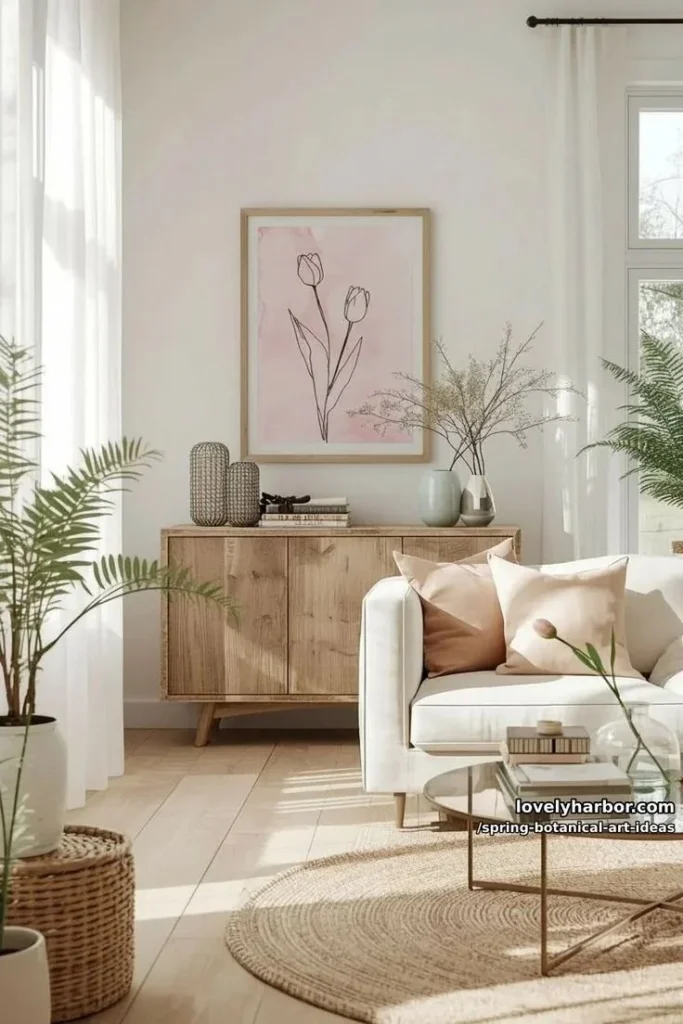
- Choose a color story: pick two main colors (e.g., sage green and blush) and one neutral (cream or warm white). Use these across prints, textiles, and ceramics to create cohesion. Tip: in a minimalist room, choose a monochrome botanical series (black ink ferns on white) for a modern look.
- Start with a focal piece: pick one large print or mural for the main wall (above a sofa, console, or bed). Everything else should complement—not compete—with this anchor. Avoid placing another bold focal item directly opposite.
- Build a gallery wall with variety: mix three to seven frames in different sizes. Keep spacing consistent (2–4 inches). Arrange on the floor first, photograph, and then transfer the layout to the wall. Tip: use kraft paper templates taped to the wall to preview.
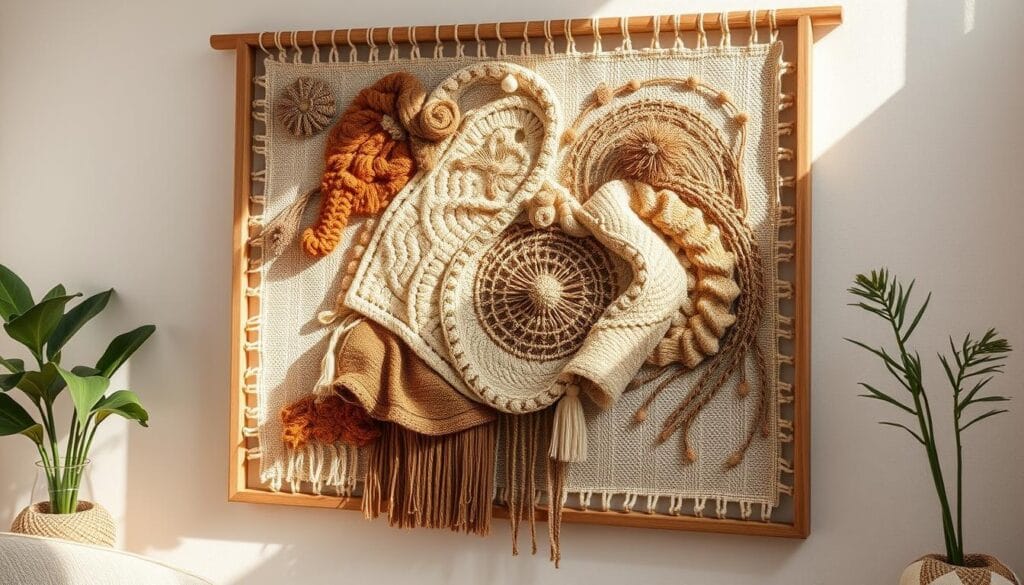
- Layer textures: pair framed art with a woven wall basket or a small macramé piece to add depth. In a living room, place botanical cushions on the sofa and a jute rug beneath the coffee table for an earthy base.
- Scale your pieces to the furniture: art above a sofa should be about two‑thirds the width of the sofa. For dining room art, the bottom edge should sit roughly 9–12 inches above the back of the chairs.
- Use lighting to elevate prints: add soft picture lights or position a floor lamp nearby to highlight the art and create a cozy glow during evenings. Warm bulbs (2700–3000K) make botanical tones look lush.
- Incorporate live plants strategically: place a tall potted plant near a framed print to create an indoor/outdoor dialogue. Avoid overcrowding—one live plant per vignette is often enough.
- Keep color balance: if your prints are bold, balance with neutral frames and soft textiles. If your prints are muted, introduce a single bolder cushion or vase to add contrast.
- Refresh seasonally: swap out smaller prints or cushion covers each season for an instant update. Store seasonal pieces in acid‑free tissue for pressed botanicals to prevent color fade.
- Avoid common mistakes: don’t hang art too high—eye level is key. Don’t use too many tiny frames that feel cluttered; replace some with a larger statement piece. If something looks off, step back and view the wall from seating positions to test balance.
Ways to Display
Botanical art is incredibly versatile in placement and pairing:
- Entryway: a single large botanical print sets a welcoming tone; pair with a narrow console, a rattan tray for keys, and a small vase of fresh stems.
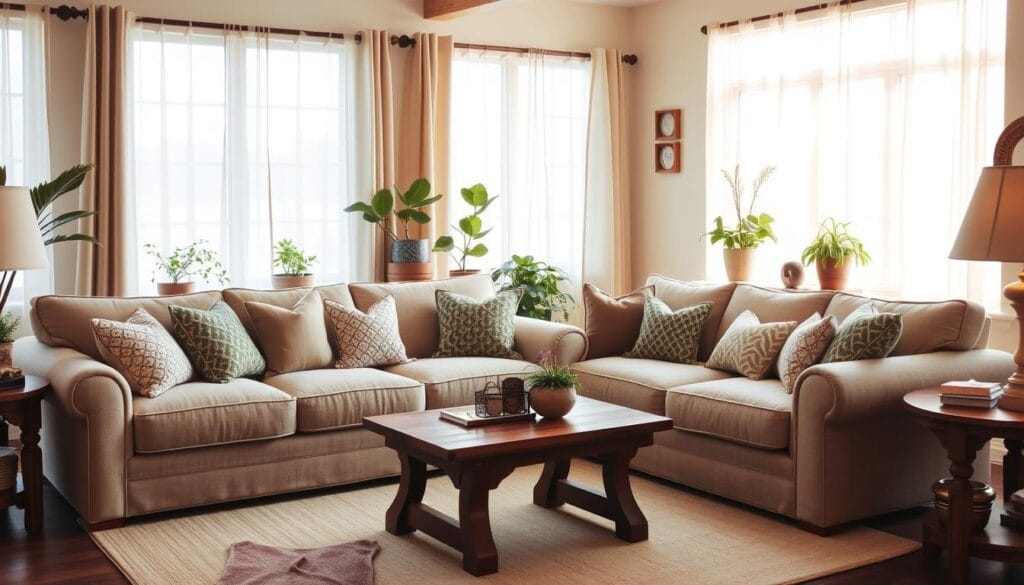
- Living room: create a gallery above the sofa, or lean a large botanical print on a mantel for an informal look. Pair with linen cushions and a ceramic planter for texture.
- Bedroom: a calming pair of botanical prints above the headboard invites restful sleep; layer with soft throws and a muted rug.
- Dining room: press botanical placemats or a runner with a floral motif for tactile interest during dinners.
- Home office: a trio of framed ferns can create a focused, serene workspace.
Pairing ideas:
- Mirrors reflect botanical prints and double the visual impact.
- Candles and low vases make tablescapes intimate; choose scents that echo the visuals (green tea, citrus).
- Rugs with subtle organic patterns ground the space without clashing with florals.
- For small spaces: choose one tall vertical print to create the illusion of height and place it beside a narrow piece of furniture to avoid overwhelming the room.
- For large open‑plan rooms: use repeated botanical motifs across zones (living, dining, office) to create cohesion—vary scale so each area has its own rhythm.
Care Instructions
Most botanical art is low maintenance, but proper care keeps pieces fresh:
- Dust frames and textile surfaces weekly with a soft cloth or feather duster. For glass, use a microfiber cloth and a small amount of glass cleaner sprayed onto the cloth (never directly on the frame).
- For linen or cotton cushion covers, follow label washing instructions—usually a gentle cycle or handwash in cool water. Air dry to prevent shrinkage.
- Pressed flowers and delicate paper pieces should be kept out of direct sunlight to prevent fading; rotate their position seasonally.
- Ceramics and terracotta can be wiped with a damp cloth; avoid prolonged water exposure for unglazed terracotta.
- Storage: wrap fragile or seasonal items in acid‑free paper and store flat in a cool, dry place. Avoid attics or basements with humidity fluctuations.
Designer’s Advice
- Keep one focal point per wall—avoid competing centers of attention.
- Use odd numbers when grouping small objects (3 or 5) for a natural, less staged look.
- Layer light sources: combine ambient, task, and accent lighting to show botanical textures at different times of day.
- Scale is everything: a tiny print over a large sofa will feel lost; use a larger piece or a coordinated gallery instead.
- Mix metals thoughtfully—pair warm brass with natural woods, and balance cooler metals like matte black with softer textiles.
- When mixing patterns, vary the scale—pair small botanical motifs with a large geometric rug for contrast.
- For renters: use removable hooks and command strips to hang frames without damaging walls.
Style Twists
Minimalist Twist
- Keep a monochrome palette—black botanical line drawings on white paper in thin black frames. Perfect for modern apartments; swap in one green pillow for a hint of color.
Cottagecore Cozy
- Embrace layered florals, vintage frames, and embroidered textiles. Use thrifted plates or dried wreaths to complement the art. Budget‑friendly—reframe thrifted prints in fresh mats.
Luxe Botanical
- Go big with a large-scale floral mural, gilded frames, and marble tabletop accessories. Add sculptural vases and warm brass lighting for a glamorous spring dining experience.
Frequently Asked Questions
Q: How do I match botanical art with existing furniture and colors?
A: Pull one color from your furniture or rug and echo it subtly in the art’s mat or textile accents. For neutral furniture, use a single bold botanical color to create a focal pop.
Q: Is botanical art renter‑friendly?
A: Yes—use removable hooks, lean art against walls, and choose removable wallpaper or decals for temporary statement pieces.
Q: How can I adapt these ideas for small apartments?
A: Choose vertical art to emphasize height, keep the palette light, and use one larger piece rather than many small frames to avoid clutter.
Q: Where can I find quality botanical items without overspending?
A: Look for local printmakers, market fairs, thrift frames to re‑mat, and shops that offer unframed prints—then frame them yourself for savings.
Q: What’s the best way to store seasonal botanical decor?
A: Store in flat containers with acid‑free paper, keep in a cool, dry spot, and avoid direct sunlight to preserve color and form.
Conclusion
Bring a touch of spring indoors by experimenting with one or more of these 15 Spring Botanical Art Ideas for a Fresh Home Look—whether that’s a calming trio of fern prints in your home office or a pressed‑flower frame by the entry. Share what you try and how it changes your space; we’d love to see your photos and hear your questions in the comments. For ideas on styling a full seasonal table setting that complements botanical art, check out this guide on how to set a beautiful spring table, and for botanical inspiration and research resources, the archives at the New York Botanical Garden are wonderfully rich. Explore more styling tips and join the conversation at Modern Decorum—there’s always a fresh idea waiting.