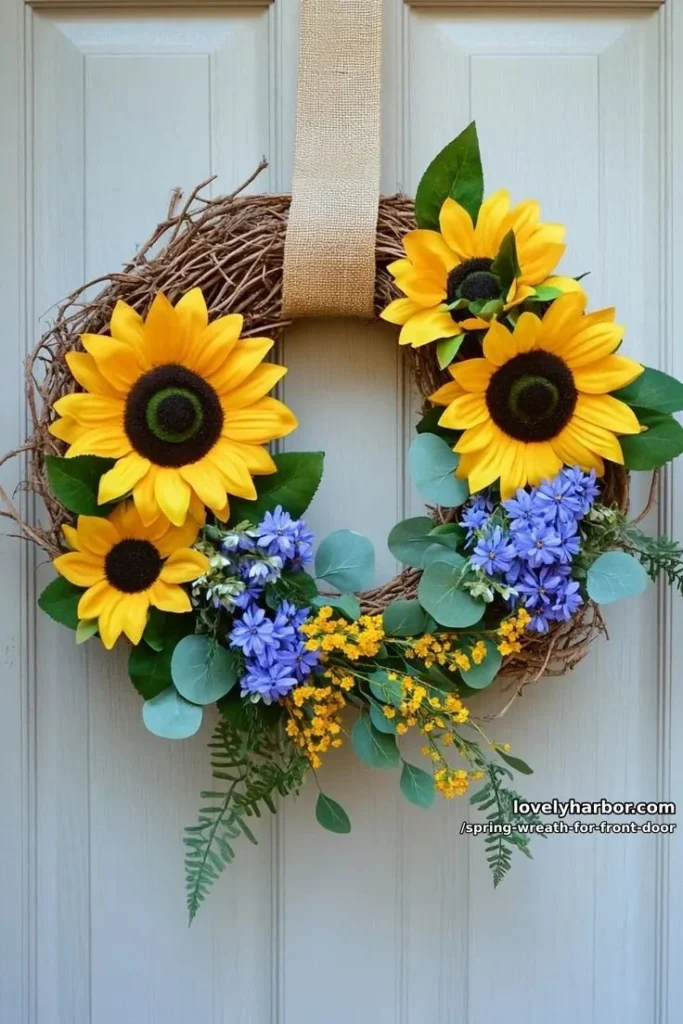
15 Unique Front Door Spring Wreaths for a Charming Entryway
Spring has a way of arriving like a soft exhale: blossoms unfurl, air smells faintly of cut grass, and front doors suddenly feel like tiny stages waiting for a graceful entrance. Picture a wreath that catches that first warm breeze—a ring of pale peach ranunculus, a sprig of lemony eucalyptus, and a ribbon that flutters when guests arrive. The texture of woven grapevine, the matte coolness of painted wood, the sheen of satin bows—each element invites touch and offers a sensory hello before anyone steps inside.
A well-chosen spring wreath is more than seasonal sparkle; it’s the mood-setter for your home. It tells visitors you care about small comforts, it reflects personality—playful, serene, vintage, modern—and it makes everyday life feel slightly celebratory. Whether you’re sipping tea on the porch, returning from a long day at work, or hosting a weekend brunch, that joyful touch on the door quietly uplifts your routine.
This idea shines at specific moments: when you want a seasonal refresh, when a rental lease limits paint and hardware changes, when a weekend gathering calls for a welcoming moment, or when you crave an inexpensive update that feels intentional. If you’ve enjoyed wreath inspiration for other seasons, like our cozy winter lineup, you’ll find the same spirit of transformation here—only brighter and lighter. Explore how wreaths change with the seasons and imagine those concepts translated into soft spring palettes.
Below you’ll find 15 unique wreath concepts plus practical styling tips, DIY directions, and upkeep advice so you can pick—or make—the perfect front-door focal point for your home.
Decor Information
Spring wreaths are classic decor pieces designed to hang on doors or walls and act as a seasonal accent. They’re primarily decorative, though a substantial wreath can also help soften sound or visually anchor an entry.
Most spring wreaths lean toward styles like cottagecore, modern farmhouse, boho, coastal, and minimalist Scandinavian. Typical colors are soft pastels (blush, sage, butter), fresh greens, and occasional pops of coral or navy for contrast. Materials include preserved or faux florals, eucalyptus, grapevine or willow bases, ribbon, dried pods, and lightweight wooden or metal accents. Textures mix soft petals, feathery foliage, woven bases, and metallic details for depth.
Best places to use these wreaths are the front door, covered porch, mudroom door, or interior entry wall. They also look charming above a mantel or as a dining-room centerpiece when placed flat with candles. Difficulty ranges from easy DIY (assembling faux stems on a straw base) to more advanced wreath-making (heat-gun attaching, wiring fresh florals). Many options are ready-made or a mix—great for both crafters and shoppers.
- Item type: decorative wreath (door and wall accent)
- Main styles: cottagecore, farmhouse, boho, coastal, modern
- Typical colors/materials/textures: pastels, greenery, grapevine, ribbons, silk florals
- Best rooms/zones: exterior front door, entryway, mantel, dining room
- DIY vs. store-bought: mix (easy DIY to intermediate)
Design Impact
A spring wreath creates an instant focal point. On a neutral or painted door, it adds contrast and draws the eye to the center of the home’s face. Light-colored wreaths open and brighten a shady porch, while darker or jewel-toned wreaths can feel sophisticated on bright doors. A full, rounded wreath breaks up long vertical lines and balances horizontal elements like house numbers or mailboxes.
Emotionally, wreaths convey hospitality and seasonal awareness. They’re small gestures that make a house feel cared-for and lived-in. Guests arriving at a door with a cheerful wreath are immediately put at ease. For homeowners, the wreath offers a ritual—hang it, admire it, replace it—bringing tiny bursts of joy. Practically, wreaths are renter-friendly curb appeal upgrades: they require no permanent changes and can be replaced or removed in minutes.
Imagine returning home after a long day: the scent of faux lavender and a soft ribbon backstage against the door greets you like a friendly nod. Or picture hosting—your visitors’ first photo-op is the wreath, and it sets the tone for the table decor and floral arrangements inside.
Why Choose It
Spring wreaths are ideal for people who want maximum impact for minimal effort. Renters appreciate that wreaths add curb appeal without painting or drilling. Families like them because they’re easy to swap for each season or holiday, and kids enjoy helping add elements—mini eggs, paper flowers, or pom-poms. Small-apartment dwellers can use lightweight wreaths indoors as wall art to simulate a larger vignette.
Key strengths include affordability, flexibility, and timelessness: a neutral wreath can last years with small refreshes, while seasonal additions keep it current. Wreaths are inherently modular—swap a bow, add a cluster of blooms, or tie on a small sign to change the mood without rebuilding the entire piece.
Real-life problem solved: a bland door under a dated porch light can feel anonymous. Hang a bright, layered wreath to instantly define your entry, add depth to photos, and make your home easier to spot for guests or deliveries. Another scenario: a narrow hallway that’s hard to style gets an approachable focal point when a wreath hangs above a console table.
How to Style 15 Unique Front Door Spring Wreaths for a Charming Entryway
Ingredients
- Wreath base options: grapevine ring, straw base, metal hoop (12–18 inches)
- Faux florals: ranunculus, peonies, lilacs, tulips, cherry blossoms
- Greenery: eucalyptus stems, olive sprigs, preserved boxwood
- Ribbon: satin, burlap, cotton, gingham (1–3 inches wide)
- Fasteners: floral wire, hot glue gun, zip ties, floral tape
- Tools: wire cutters, scissors, measuring tape, wreath hanger
- Optional extras: battery-operated fairy lights, faux birds, small wooden signs, spray paint, weatherproof sealer
- Budget substitutions: thrifted silk bouquets, dollar-store ribbons, clippings from garden for a fresh-wreath option
Directions
- Choose the base that fits your door scale—12–14" for smaller doors, 16–18" for wider entrances. Tip: measure visually by holding the ring up before committing.
- Create a color story: pick two main tones (soft + accent). For minimalist doors, go neutral greens and cream; for cottage vibes, choose blush and sage. Avoid too many hues—stick to 3 or fewer.
- Start with the greenery foundation: wire eucalyptus or boxwood to the base in a clockwise direction to build movement. Tip: offset stems slightly for an organic look rather than perfect symmetry.
- Add cluster flowers in odd numbers (3–5 clusters). Place most toward one side for a modern “off-center” look, or evenly spaced for classic balance. Practical trick: hot-glue larger blooms and wire smaller stems for stability.
- Layer texture: tuck in seed pods, mini buds, or dried grasses between blooms to prevent a flat appearance. Use shorter stems near the base so the wreath hangs flush against the door.
- Finish with a ribbon or bow. For an elegant feel, use a single long tail of satin tied loosely; for farmhouse charm, try looped burlap. Tip: heat-seal ribbon ends with a flame or clear nail polish to prevent fraying.
- Waterproof and weight-check: if your wreath will be outdoors, spray a light weatherproof sealer on silk blooms and ensure the hanger supports the weight. Suggest using an over-the-door metal hanger for heavy wreaths.
- Light it up (optional): weave battery fairy lights around the base and hide the pack behind greenery. Use warm white for cozy evenings, cool white for crisp modern looks.
- Hang at eye-level with the center ~57–60 inches from the floor for a harmonized approach. For taller doors, raise slightly but keep proportion with surrounding elements like house numbers.
- Seasonal swaps: keep a small stash of alternate blooms and ribbons so you can remix the wreath quickly for holidays or color refreshes.
Ways to Display
A front-door wreath is classic, but consider creative displays indoors and out. On a porch, pair a floral wreath with a textured welcome mat, a pair of lanterns, and potted bulbs (tulips or hyacinths) to build a layered, photograph-ready entry. If you hang the wreath on an interior wall, place it above a console table with a ceramic tray for keys and a woven basket for shoes to keep the area tidy and picturesque.
For small spaces, hang a lightweight hoop wreath on an interior door or above the back of a narrow bench to add depth without taking floor space. In a large open-plan room, use two wreaths of different sizes on either side of a fireplace or create a gallery wall combining a wreath, framed art, and a mirror to make the entry feel intentionally designed. If you want more seasonal craft ideas, you might enjoy these creative door-hanger projects I featured previously. Try themed door-hanger DIYs for seasonal inspiration
- Entryway pairings: lanterns, potted plants, welcome mats
- Interior uses: above mantels, over console tables, in breakfast nooks
- Small-space idea: single small hoop above a slim shelf
- Large-space idea: wreath cluster or wreath in a mixed-media gallery wall
How to Maintain
Cleaning depends on materials. Faux silk florals can be gently dusted with a microfiber duster or a soft paintbrush; avoid water. Preserved greenery benefits from a light spray of water occasionally but should be kept out of direct sun to prevent fading. For natural wreaths (dried flowers, fresh greens), store in a cool, dry place and avoid humidity to prevent mold.
Dust monthly during high pollen or windy seasons; for outdoors, inspect weekly after storms. Refreshability is a huge perk—swap the ribbon or add a new floral cluster if the wreath looks tired. When storing seasonally, place wreaths in breathable containers or large boxes with paper padding, and store flat to avoid crushing. Label the box with a photo of the wreath so next season’s search is effortless.
Styling Success
- Match wreath scale to door size: too small feels lost; too large overwhelms—aim for wreath diameter that’s ~1/3 to 1/2 of the door width.
- Layer lighting: porch sconces + battery fairy lights on the wreath = warm evening glow.
- Mix textures: combine matte wooden tags with glossy faux berries for contrast.
- Balance metals: if your door hardware is brass, include warm-hued accents (gold ribbon, amber stems).
- Keep color stories simple: base + accent + neutral to avoid visual clutter.
- Use odd-number groupings for flowers and accessories—odd numbers read more natural to the eye.
- Test hang before finalizing: hold the wreath at different heights and view from the street to ensure proportion.
Creative Variations
- Minimalist Modern: A simple metal hoop wrapped sparingly with eucalyptus and a single oversized linen bow. Clean lines, neutral palette—perfect for Scandinavian or modern facades.
- Cozy Cottagecore: A full grapevine base layered with soft peonies, baby’s breath, and a gingham ribbon. This option is lush, tactile, and ideal for a textured wooden door.
- Coastal Spring: Driftwood ring, airy seagrass, starfish accent, and shells tucked into vines. Light blues, sandy beiges, and sage greens make this seaside-inspired wreath feel like a vacation.
Budget options include using thrifted silk bouquets and repainted thrift-store frames as bases; a luxury version would feature higher-quality preserved flowers and custom ribbon work.
Frequently Asked Questions
Q: How do I match a wreath to my existing front-door color?
A: Choose complementary contrasts—on a dark door, use lighter, brighter blooms; on a pale door, add a darker accent or a bold ribbon to create contrast. Think of the wreath as your outfit accessory: it should either complement or provide an intentional pop.
Q: Can I use fresh flowers on my front door?
A: Fresh flowers are beautiful but short-lived outdoors. If you want fresh, make a small bouquet that you replace every few days or choose preserved/faux options treated for outdoor use.
Q: Is a wreath renter-friendly?
A: Yes—wreaths hang on over-the-door hooks or with removable adhesive hooks, making them perfect for renters who can’t alter hardware.
Q: Where can I find good-quality supplies without breaking the bank?
A: Local craft stores, botanical markets, and thrift shops often carry affordable stems and bases. For premade options, look for specialty decor sites and home-goods retailers that offer seasonal selections.
Q: How should I store my wreath between seasons?
A: Store flat in a labeled box with padding, in a cool dry place away from direct sunlight and moisture. Use silica packets for preserved elements to control humidity.
Conclusion
Spring wreaths are a small investment with a big return—they elevate curb appeal, express personality, and create a welcoming mood for both everyday life and special gatherings. Try one of the 15 ideas above as a starting point, mix in your favorite elements, and enjoy the ritual of changing your entry with the seasons.
For more ways to shop seasonal wreath designs, explore beautiful options at Wreaths & Spring Wreaths | Shop Beautiful Designs for Home. If you need a renter-friendly hanging solution, consider a reliable over-the-door hanger like the Aeranto Wreath Hanger for Front Door.
Have you made a spring wreath or hung a favorite design? Share photos and tips in the comments below, and visit Moderndecorum.com for more seasonal styling ideas and community inspiration.