Introduction
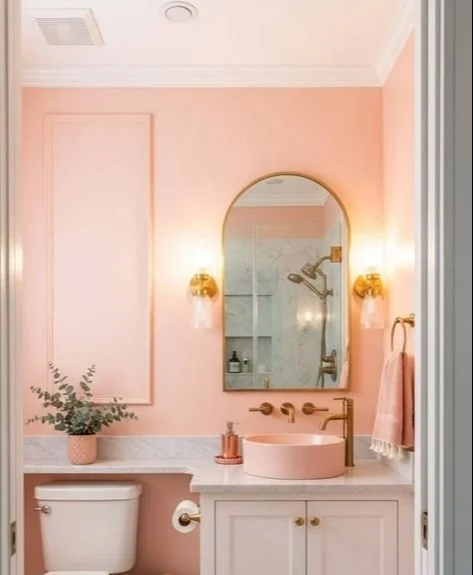
Small bathrooms have a special kind of magic: they can feel like a cozy seaside nook, a bright, energizing powder room, or a moody, spa-like retreat — all depending on the color that wraps the walls. Imagine stepping into a compact room painted a soft, luminous seafoam that bounces morning light across glossy subway tile, or a warm, dusty terracotta that hugs you with an unexpected embrace. Paint isn’t just a backdrop here; it’s the architecture of mood, texture, and perceived space. A well-chosen hue can stretch a ceiling, sharpen fixtures, and turn a tiny room into a memorable moment in your home.
Why does this matter for real homes? Because bathrooms are intensely personal spaces used dozens of times each week. The right paint choice supports routines — from quick morning routines to slow evening soaks — while expressing personality and making guests feel instantly welcome. For renters, a peel-off accent wall or a removable wallpaper alternative can transform a sterile unit into something that feels like yours. For homeowners, a seasonal refresh before a holiday gathering can make that half-bath feel intentional and polished without a full renovation.
This collection — “23 Small Bathroom Paint Colors That Transform Compact Rooms” — is designed for anyone who wants big impact from a small investment. Whether you’re refreshing for spring, preparing to host, updating a modern condo, or simply craving a cozier corner for quiet moments, these colors give you palettes and practical styling cues to match mood and light. For more inspiration on curated hues that work across bathroom sizes, check out these designer-approved bathroom paint colors to expand your options and pull together a cohesive look in your home: designer-approved bathroom paint colors.
Decor Details
What this is: 23 Small Bathroom Paint Colors That Transform Compact Rooms is a paint-focused decor approach — a palette guide and styling method that uses color (and finishing touches) to reshape how small bathrooms feel and function.
Main style: Flexible — spans modern, Scandinavian, coastal, moody glam, and cottagecore depending on the hue and finish choices.
Typical colors, materials, and textures:
- Colors: soft pastels, crisp whites, moody blues and greens, warm neutrals, blush and terracotta tones.
- Materials paired: semi-gloss or satin paint for trims and high-moisture walls, matte or eggshell for ceilings, glossy tile accents, natural stone, brass or matte black fixtures.
- Textures: smooth painted walls, beadboard, subway tile, woven baskets, and linen textiles.
Best rooms or zones: ideal for small full baths, powder rooms, en suite bathrooms, and compact guest bathrooms — also works on half walls, vanities, and ceilings.
DIY vs. store-bought: predominantly an easy DIY update (painting is accessible), with optional store-bought accents (mirrors, fixtures, towels) to complete the look.
Design Impact
Colors do heavy lifting in small spaces. A pale, warm white reflects light and visually expands a cramped powder room; a deep slate can make a narrow bathroom feel intimate and luxe; a verdant green creates a calming, botanical retreat. Strategically placed color can redirect the eye — painting the ceiling a lighter shade to make it feel higher, or carrying the wall color into an alcove to blur edges and make the room feel bigger. Combined with trim and fixture choices, paint becomes the framing device for every other element in the room.
Emotionally, the right color sets the tone for daily rituals. Energizing yellows and sunny creams wake you up on winter mornings; cool blues and muted lavenders soothe evening routines. Practically, selecting a paint finish suited for moisture (semi-gloss for splash zones) protects surfaces and cuts down on maintenance. Picture a Friday night: friends arrive for coffee, and your freshly painted soft sage bathroom looks like a curated boutique — small but confident. Or imagine a bath after a long day where a dusky navy wraps you in calm, the color melting away stress.
Why Choose It
Who it’s perfect for: renters who want temporary personality, apartment dwellers with compact baths, busy families seeking low-cost refreshes, and design beginners looking for dramatic but manageable updates.
Key strengths: affordable, quick, small-space friendly, and endlessly flexible — paint can be changed seasonally or swapped for a new trend without structural work. These 23 curated hues cover a spectrum from timeless neutrals to playful accents, making it easy to find a color that pairs with existing tiles, flooring, or hardware.
Problem-solving example: a tiny, windowless guest bathroom can feel claustrophobic. Choosing a light-reflecting neutral with a slightly warm undertone adds perceived width and brightens faces at the mirror — solving the “too-dark” issue without rewiring for new lights. Similarly, a cramped bathroom corner with visible plumbing can be camouflaged by painting the wall and pipe the same deep tone, turning an eyesore into an intentional design element.
How to Style 23 Small Bathroom Paint Colors That Transform Compact Rooms
{ingredients}
- High-quality interior paint in the chosen color (sample pots for testing).
- Primer (moisture-resistant if wall has previous stains).
- Brushes (angled sash brush), rollers (short-nap for smooth walls), tray, painter’s tape.
- Sandpaper, spackle/patching compound, putty knife for small repairs.
- Drop cloths, ladder, extension pole.
- Moisture-resistant caulk (for trim/tile seams).
- Optional extras: new mirror, towel rail, pendant light, brass or matte-black fixtures, woven baskets, potted plant, scented candle, plush hand towel, small rug, floating shelf.
- Budget swaps: thrifted mirror, second-hand light fixture, leftover paint samples, IKEA-style shelving, repurposed ceramic trays.
{directions}
- Evaluate the light. Test paint samples on multiple walls and observe them at different times — morning, noon, and evening — to see how the hue shifts. Tip: neutrals with green undertones can look cool in north-facing bathrooms; pick a warmer neutral to counteract blue light.
- Prep the room. Clean walls, fill holes, sand glossy spots, and tape trim. Good prep makes even economy paint look high-end. Use a mildew-resistant primer if steam is an issue.
- Choose the right finish. Semi-gloss for the lower splash zone near tubs and sinks, satin or eggshell for the rest. Tip: a slightly glossier finish allows easier cleaning in small, high-traffic bathrooms.
- Paint strategically. Light colors should be rolled vertically to avoid lap marks; darker colors benefit from cutting in first with a brush. Consider painting the ceiling a shade lighter than the walls to lift the room visually.
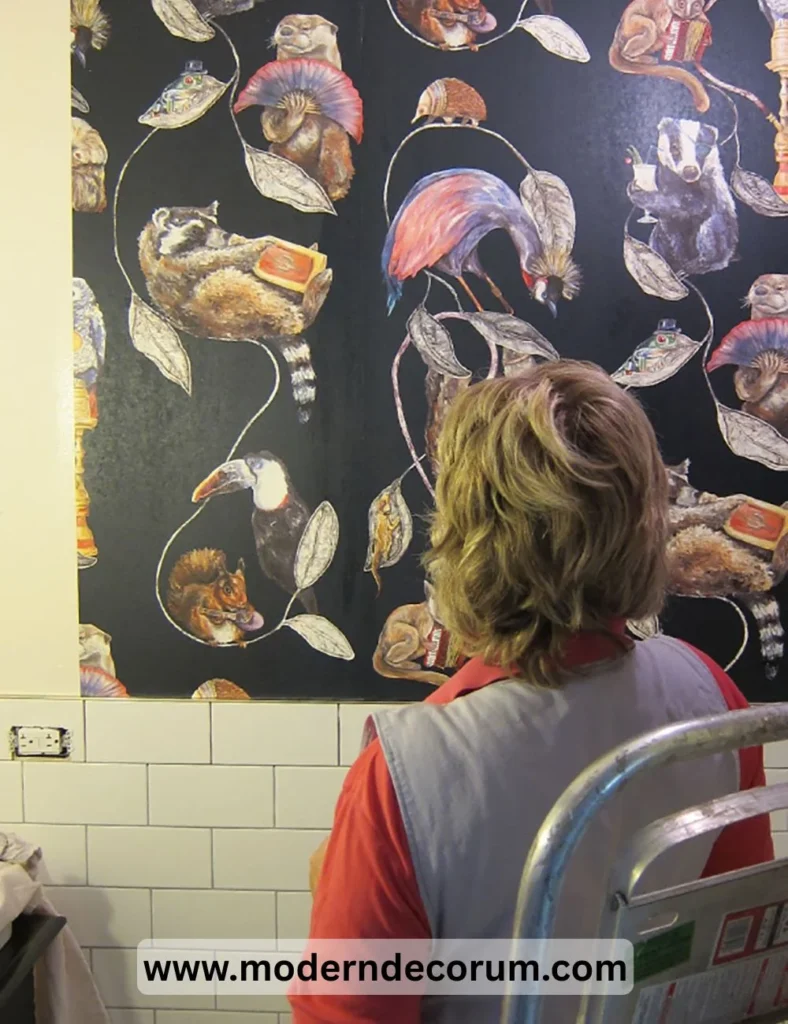
- Use accent walls and ceilings. If you love bold color but worry about overwhelm, paint a single wall behind the vanity or the ceiling. Tip: carry the accent color into accessories (hand towels, soap dish) to unify the scheme.
- Coordinate fixtures and hardware. Matte black pairs beautifully with crisp whites and deep greens; aged brass warms off-white, beige, and terracotta tones. Match the metal finish across towel rails, mirror frames, and faucets for cohesion.
- Layer texture. Soften painted surfaces with woven baskets, a jute rug, or a linen shower curtain. These tactile elements prevent the space from feeling flat, especially with minimalist palettes.
- Avoid common mistakes. Don’t oversaturate a small room with a very dark color on all four walls — it can shrink the space. If you do choose dark, provide contrast with white trim, reflective surfaces, and bright lighting.
- Small adjustments, big impact. Swap towels, add a single statement plant, or hang a slim shelf for art and candles to complement the paint without crowding.
- Live with it briefly. Paint is cheap compared to renovations; give yourself a week to adjust. If it feels off, test a trim or ceiling tweak before repainting whole walls.
Note: If your kitchen and bathroom are visually adjacent or in an open-plan studio, read about pairing bathroom tones harmoniously with white kitchens for a cohesive home palette: small white kitchens.
Presentation Tips
Small bathrooms can be showcased in several ways depending on how you want them to function and flow. In a compact powder room, keep the palette tight and use a statement mirror or pendant to lift the ceiling. For an en suite, paint the vanity wall a richer tone and echo it in the bedding or curtains in the adjoining bedroom. In homes with a guest bath near the entryway, choose an inviting mid-tone that complements hall and living room finishes so the little room feels like part of the overall home story.
Pair paint with:
- Plants (low-light species like snake plant or ZZ for small windows).
- Candles and diffusers for a spa vibe.
- Textural rugs and hand towels to contrast smooth painted surfaces.
- Mirrors that reflect light and double the perceived space.
- Floating shelves with woven baskets for neat storage.
Small-space idea: paint the ceiling a pale blue to create the sensation of a higher sky in a narrow bathroom. Large/open-plan strategy: use a repeating accent color (e.g., navy or terracotta) in both bathroom and nearby living areas for visual continuity.
Care Instructions
Painted bathrooms need thoughtful maintenance to keep color fresh. Use a mild detergent and soft sponge for regular wipe-downs — avoid abrasive cleaners that strip sheen. For semi-gloss and satin finishes, a gentle wipe every two weeks is usually enough in high-traffic homes. Keep exhaust fans on during and after showers to reduce humidity buildup that can cause paint to blister or mildew.
Touch-ups: always keep a small, labeled sample pot of your bathroom color for quick fixes around towel hooks or shelving. For seasonal storage of bath textiles, store linens in breathable cotton bags away from direct sunlight to prevent fading. If you notice mold or mildew, treat with a diluted vinegar solution, rinse, and repaint the affected area with a mold-resistant paint if needed.
Designer’s Advice
- Balance scale and contrast: in a tiny room, limit large-scale patterns; use scale-appropriate accents like narrow stripes or small geometric tile.
- Layer light sources: pair an overhead fixture with wall sconces or a backlit mirror for even illumination and flattering skin tones.
- Mix metals thoughtfully: choose one dominant finish for fixtures, then introduce a second as an accent to avoid visual clutter.
- Use reflective surfaces: glossy tiles or mirrors expand perceived space and bounce light around.
- Keep a neutral anchor: even with bold walls, a neutral vanity or white trim gives the eye a rest.
- Accent with art: a single framed print adds personality without overwhelming the space.
- Paint edges last: after installing new hardware, paint up to but not over the fixtures to avoid drips and difficult cleanup.
Style Twists
Minimalist: Soft greige or warm white, matte finish, streamlined hardware, single plant in a ceramic pot. Budget: thrift-frame mirror and a simple IKEA shelf.
Coastal: Pale aqua walls, crisp white trim, driftwood accents, and woven seagrass baskets. Mid-range upgrades include a rattan pendant and brass hooks.
Moody glam: Deep charcoal or indigo with brass fixtures, a velvet hand towel for texture, and a statement mirror. Luxury version includes marble-topped vanity and custom lighting.
Frequently Asked Questions
Q: How do I match a new paint color to existing tiles?
A: Pull a small color sample and compare it under the same light as the tiles. Choose complementary undertones (warm vs. cool). If unsure, pick a neutral that coordinates with the dominant tile tone.
Q: Can renters use these paint ideas?
A: Yes — use removable peel-and-stick accent wallpaper, temporary paint sheens, or paint just the door and ceiling if repainting walls isn’t allowed. Removable hooks and art can add color without permanent changes.
Q: What if my bathroom has no windows?
A: Opt for lighter, warm neutrals or soft pastels and maximize artificial layered lighting. Avoid heavy dark palettes on all walls.
Q: Where can I find affordable decor to pair with paint updates?
A: Look for thrifted mirrors, discounted lighting fixtures, and secondhand baskets. A single statement towel or soap dispenser can also elevate a simple paint change.
Q: How often should I refresh bathroom paint?
A: With good ventilation and quality paint, every 5–7 years is typical. Busy family bathrooms may need touch-ups sooner.
Conclusion
Ready to transform your compact bathroom into a signature space? A well-chosen color does more than decorate — it changes how you feel using the room and how guests experience your home. If you want guidance on choosing the best hue for a small room, start with expert tips on How To Choose Paint Colors for Small Rooms, and if you’re pairing paint with tile, these ideas will spark design combinations: 23 small bathroom tile ideas that make a splash in a tiny space ….
We’d love to see your before-and-after photos or hear questions — leave a comment below, share on social, or subscribe to Moderndecorum for more small-space styling ideas and seasonal refreshes.