
27 Creative Christmas Tree Ornaments to Make This Year
Introduction
Imagine your tree as a textured story: matte clay stars that catch the soft glow of warm bulbs, glittering glass droplets that chime when you brush past the branches, and hand‑stitched felt animals lending a cozy, homespun warmth. Each ornament adds a new note — some satin, some rustic wood, some metallic — and together they compose a holiday symphony that’s tactile and personal. The palette might sway from Scandinavian whites and warm woods to bright vintage reds and jewel‑tone blues depending on your mood; the result is never just decorative, it’s an atmosphere.
Making your own ornaments turns the season into a sensory workshop. You’ll feel cool clay under your fingertips, smell cinnamon‑dusted dough, and see thread sparkle in lamplight as you stitch tiny mittens. These 27 Creative Christmas Tree Ornaments to Make This Year are about more than ornamentation — they’re invitations to slow down, to craft memories, and to give your home a signature look that tells a story about who lives there.
This idea is perfect for seasonal refreshes, cozy corners that need personality, and renter‑friendly homes where temporary decor does the trick. Whether you’re on a budget, prepping for holiday hosting, or simply want a modern update, DIY ornaments are low‑commitment changes with high emotional impact. They’re also fantastic for creating activities: kids can help with paper chains, friends can trade ornaments at a gathering, and you can repurpose a thrifted ornament into something new and personal. If you love the layered tabletop styling you might use year‑round, combining hand‑made ornaments with curated vignettes will carry that same considered look from the coffee table to the tree — see this guide for inspiration on how to balance small decorative groupings like a pro: creative ways to style coffee tables.
Decor Details
What it is: A curated collection of 27 DIY ornament projects you can make using common materials — including clay, felt, paper, wood slices, dried citrus, fabric, and beads — designed to hang on a Christmas tree, wreath, or garland.
Main style: These ideas span styles but lean toward modern‑handmade: Scandinavian minimalism, cozy cottage, and a touch of vintage glam when glitter and metallics appear.
Typical colors, materials, and textures: Neutral palettes (cream, soft gray, natural wood) mixed with accents (deep green, cranberry, gold); textures include smooth porcelain‑like clay, fuzzy felt, rough wood, glossy glass, and twine.
Best rooms/zones: Living room trees, entryway mini trees, dining table centerpieces, kitchen windowsill arrangements, or a child’s bedroom branch.
DIY vs. ready‑made: Mostly easy to intermediate DIY projects with a few quick, printable or low‑skill ideas. You can mix in store‑bought ribbons or hooks if needed.
Design Impact
Hand‑made ornaments transform a tree from a seasonal object into a focal point that harmonizes with the rest of your home. Visually, a thoughtfully curated collection balances scale and rhythm: pairing small clusters of tiny bells with larger statement pieces (like a sculpted clay star) creates movement and prevents the eye from getting stuck in one place. The right combination of matte, shiny, and textured finishes catches light differently throughout the day, making the tree feel alive from morning to evening. A tree in neutral tones with metallic accents will read modern and calm; introducing pops of vintage red or cobalt makes it festive and nostalgic.
Emotionally, crafting ornaments reconnects you to memories and rituals. The smell of cinnamon dough or the sight of a child’s handprint ornament evokes comfort. Practically, ornaments can be multi‑purpose: a paper medallion doubles as a gift tag, mini wreaths can adorn cabinet knobs, and magnetized decorations can be displayed on the fridge. Think of a quiet Tuesday evening — stringing beads while tea steams beside you — versus a lively holiday brunch where hand‑made ornaments become conversation starters. These projects give you something tactile to control in an otherwise busy season, and they keep your decor intentional and personal.
Perfect For…
Who it’s perfect for: Families who love meaningful traditions, renters who want temporary and non‑damaging decor, small apartment dwellers who need space‑efficient ornaments, beginners seeking simple crafts, and design lovers who crave a unique tree without splurging on designer baubles.
Key strengths: Affordable (many projects use pantry staples or thrift finds), highly flexible (swap colors and sizes to suit any aesthetic), small‑space friendly (mini ornaments and garlands), and easy to update from year to year. These ornaments allow you to refresh your look without replacing the whole tree.
Problem solving: Maybe your tree looks sparse because you have many thin branches or you’ve got a very small tree that needs scaled‑down decor. A mix of lightweight paper stars, fabric tassels, and mini wooden slices will add depth without weighing branches down. If you’re short on storage, choose foldable or stackable ornaments like paper fans and felt balls that fit into a single shoebox.
How to Style 27 Creative Christmas Tree Ornaments to Make This Year
{ingredients}
- Air‑dry clay or salt‑dough (for stars, hearts, discs)
- Assorted felt sheets and embroidery thread
- Thin balsa wood or wood slices (for rustic tags)
- Metallic foil paper and glitter (sparingly)
- Dried citrus slices and whole spices (cinnamon sticks, star anise)
- Mini paint set and sealant spray
- Thin ribbon, twine, and metallic cord
- Small beads, bells, safety eyes (for critters), and eye pins
- Paper (scrapbook paper, sheet music) and a craft punch
- Hot glue gun, craft glue, and scissors
- Needle and thimble (for fabric and felt projects)
- Clear ornament balls (for fillable ornaments)
- Optional extras: battery tea lights, mini pine sprigs, faux snow, tiny clips, magnet backs
Alternatives / budget swaps:
- Use newspaper pulp or recycled paper pulp for papier‑mâché ornaments.
- Substitute salt‑dough (flour + salt + water) for air‑dry clay.
- Thrifted scarves or old sweaters can be cut into felt-like fabric for a cozy look.
- Use baker’s twine instead of expensive metallic cord for a rustic vibe.
- Replace pricey glass baubles with painted wooden beads.
{directions}
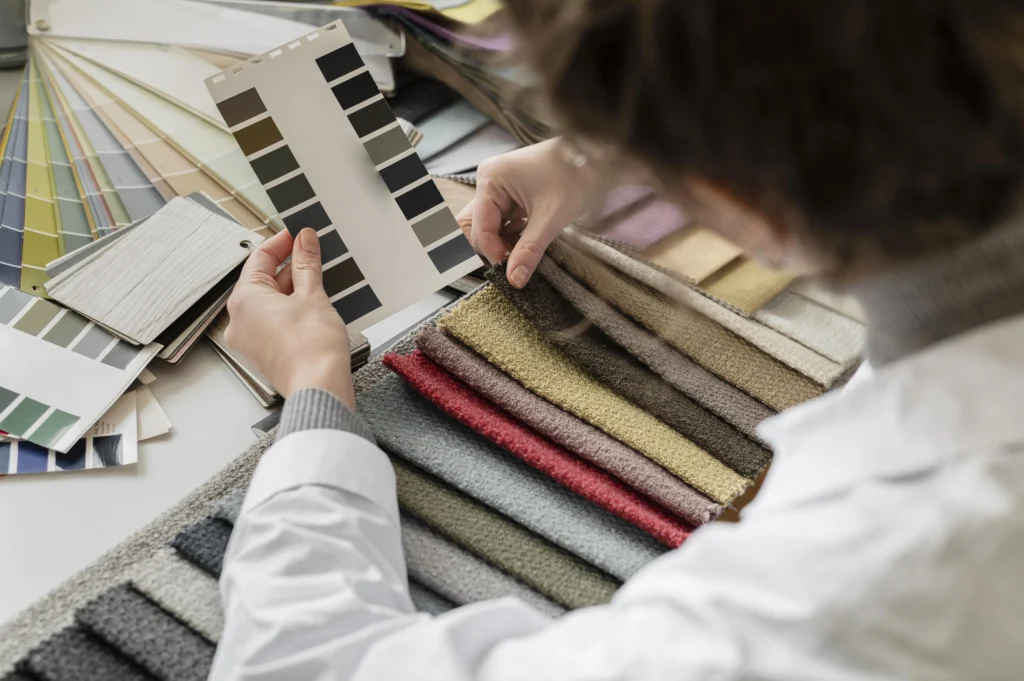
- Plan your color story. Pick 2–3 neutrals and 1–2 accent colors (e.g., cream + wood + hunter green + copper). This keeps 27 ornaments cohesive. Tip: lay fabric swatches or paint chips side by side before committing.
- Group projects by technique. Start with air‑dry clay pieces (they need drying time), then move to sewing felt shapes, and end with quick paper crafts. This batches tools and speeds up the process.
- Make basic templates. Trace stars, hearts, and circles on cardboard to keep shapes consistent across multiple ornaments. Use a straw to make neat holes for hanging.
- Add texture sensibly. For wood slices, lightly sand edges and burnish with a wax or stain. For felt items, use blanket stitch to add a handmade look without fraying. Common mistake: over‑gluing beads — use small dots of glue and allow pieces to set.
- Create contrast with finishes. Paint some ornaments matte and seal a few sparingly with gloss for occasional sparkle. Avoid putting glitter on every piece; it can overwhelm the tactile charm.
- Mix sizes and weights. Balance 3–4 larger ornaments with groups of smaller ones. Placement tip: heavier ornaments go on thicker branches closer to the trunk.
- Personalize selectively. Add initials, dates, or small photos inside clear balls. Don’t personalize every ornament — too many initials can become visually busy.
- Layer natural elements. Tuck a sprig of evergreen or a dried orange behind a wood tag and tie with twine. This adds fragrance and depth.
- Create a hanging system. Use similar hooks (brass or simple loops) for a unified look. Use clear fishing line for a floating effect on delicate ornaments.
- Test and adjust. Step back from the tree often, view from different angles and at night with lights on. Move ornaments a branch or two away if they create lopsided visual weight.
Ways to Display
These ornaments are versatile. On a living room tree, cluster three to five ornaments in small groupings to create pockets of interest, and spread larger statement pieces evenly to anchor the overall shape. In an entryway, hang smaller ornaments from a garland on the console mirror or use a series of paper medallions to create a whimsical runner. For the dining table, string a mini‑garland of felt balls across the centerpiece tray and tuck a few hand‑made ornaments into candle rings.
Pairing suggestions:
- With plants: add mini wooden ornaments to large potted evergreens for a cohesive, nature‑inspired look.
- With textiles: coordinate ornament accents (like russet tones) with throw blankets or pillows for a layered palette.
- With lighting: use warm white fairy lights to enhance clay and wood textures; cool light suits glass and metallics.
Small space idea: use a single branch in a vase decorated with tiny ornaments; it gives holiday cheer without occupying floor space. Large open‑plan rooms: create multiple mini trees or clusters of branches throughout the space — one near the sofa, one by the dining area — to distribute festive energy.
Care Instructions
Cleaning varies by material. Dust felt and fabric ornaments gently with a lint roller or soft brush. For clay, wipe with a soft, dry cloth; avoid soaking. Wood slices can be dusted and treated with a bit of mineral oil once a season to prevent drying. Glass and fillable ornaments may need a damp cloth and immediate drying to avoid moisture spots. Avoid harsh chemicals on metallic finishes; a dry microfiber cloth preserves sheen.
Frequency: Dust high‑traffic trees weekly if the tree is in a busy family area; less used holiday trees can be refreshed every 2–3 weeks. Wash fabric buntings or ribbons at the start and end of the season. Inspect ornaments each year for broken hooks, loose beads, or fraying thread.
Storage tips: Store flat, layered with acid‑free tissue between delicate pieces. Use compartmentalized boxes for fragile glass baubles, and keep dried citrus or organic elements in airtight containers to avoid insects and odor transfer. Label boxes and keep them in a cool, dry place away from direct sunlight and moisture. Rotate some ornaments each year to keep the tree feeling fresh instead of static.
Designer’s Advice
- Scale is everything: aim for a 3:1 ratio of small to large ornaments to create visual hierarchy.
- Warm lights make handmade textures sing — choose bulbs around 2700K for cozy glow.
- Use odd numbers in clusters (3 or 5) — it’s more dynamic than even numbers.
- Mix metals sparingly: pick a dominant metal (gold or silver) and a secondary accent; tie them together with ribbon color.
- Create breathing room: leave some branches with negative space to avoid a cluttered look.
- Contrast finishes: pair matte clay with one glossy accent nearby to guide the eye.
- Keep fragile heirlooms higher and out of reach of lively pets and kids.
Creative Variations
Minimalist twist: Use smooth white clay discs with a single stamped letter or simple gold line for a clean, Scandinavian tree. Keep the palette to white, beige, and matte gold.
Cozy cottage: Make felt animals, cinnamon‑string bundles, and dried fruit ornaments. Embrace warm reds, mossy greens, and natural wood for a nostalgic, hygge look.
Budget/thrifted approach: Scavenge old jewelry for charms and beads, spray‑paint thrifted baubles in coordinating colors, and use recycled paper to craft origami stars. This gets an elevated look for almost no extra cost.
Frequently Asked Questions
Q: How do I make these ornaments match my existing furniture and colors?
A: Pick two neutrals from your room (e.g., linen and walnut) and one accent color found in your textiles or art. Repeat those hues across ornaments to tie tree to room.
Q: Can I adapt these ideas for a studio apartment?
A: Yes. Use a small tabletop tree or a single branch in a vase. Focus on scaledown — mini ornaments, single‑color schemes — and utilize vertical space like floating shelves for extra displays.
Q: Are these projects renter‑friendly?
A: Absolutely. They’re non‑permanent and typically use removable hooks and ribbons. For wall hung displays, use command hooks to avoid nail holes.
Q: Where can I find good, affordable materials?
A: Local craft stores, thrift shops, and online marketplaces are great. Look for multipacks of felt, bulk beads, and off‑cuts of ribbon. Salvaging old sweaters and jewelry is both eco‑friendly and cost effective.
Q: How do I store and preserve organic ornaments like dried citrus?
A: Keep them in airtight containers with silica packets if possible. Check annually for pests and replace items after a couple of seasons as they can darken over time.
Conclusion
Ready to make your tree truly yours? These 27 Creative Christmas Tree Ornaments to Make This Year will help you craft a holiday look that’s tactile, personal, and fully in tune with your home’s style. If you’re looking for kid‑friendly ornament projects, check out helpful step‑by‑step ideas like 27+ DIY Christmas Ornaments Kids Can Craft for easy activities the whole family can enjoy. For inspiration on eclectic tree layouts and mixing styles, browse examples such as An Eclectic Christmas Tree and 26 Other Beautiful Tree Decorating … to see how different ornament types play together across a whole tree.
Try a few of these projects this season, and share photos or questions in the comments — we love seeing how readers bring ideas to life. For more seasonal DIYs, styling tips, and community inspiration, explore other posts at Moderndecorum and join our newsletter to stay connected.