Table of Contents
Why This Decor Idea Matters
48 Shades have been carefully curated by experts to reflect the design trends and priorities for 2026. Color has the power to transform spaces, influence mood, and define style. As we approach 2026, designers are predicting a palette that balances serenity, boldness, and versatility.
Whether you’re redecorating your living room, bedroom, office, or creative space, understanding the shades that will dominate the next year gives you a head start on trend-forward interiors. These 48 shades reflect emerging priorities: wellness-focused spaces, sustainable influences, and bold, expressive accents. The right colors can elevate your environment, inspire creativity, and create a cohesive, stylish aesthetic throughout your home or office.
What You’ll Need
To incorporate the 2026 palette into your interiors, consider these essentials:
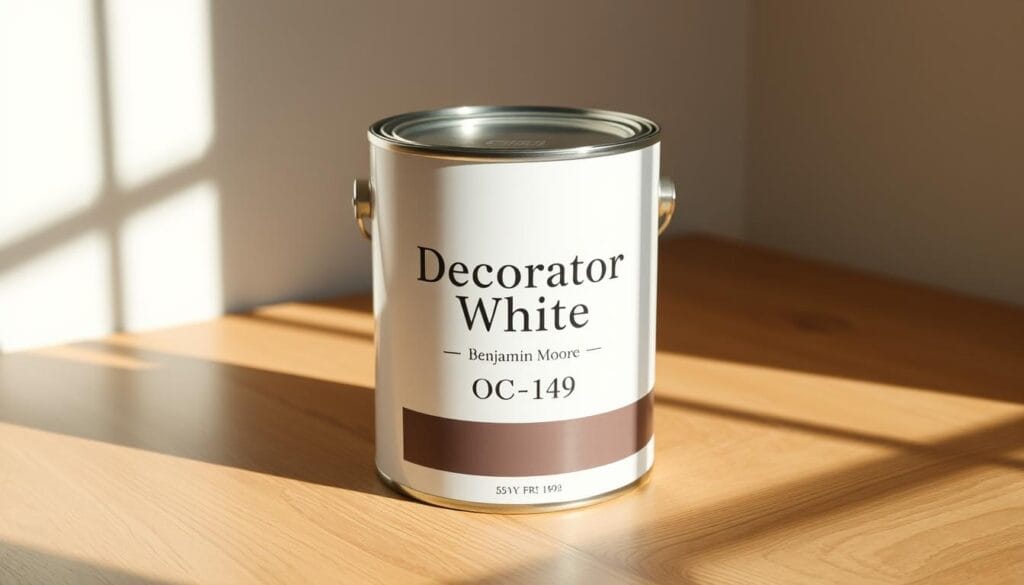
- Paint Samples & Swatches
- Purpose: Test colors in your space under different lighting conditions.
- Tip: Use peel-and-stick samples for temporary visualization before committing.
- Primary & Accent Colors
- Purpose: Create a balanced palette with one dominant shade and supporting tones.
- Pro Tip: Mix muted neutrals with bold statement colors for versatility.
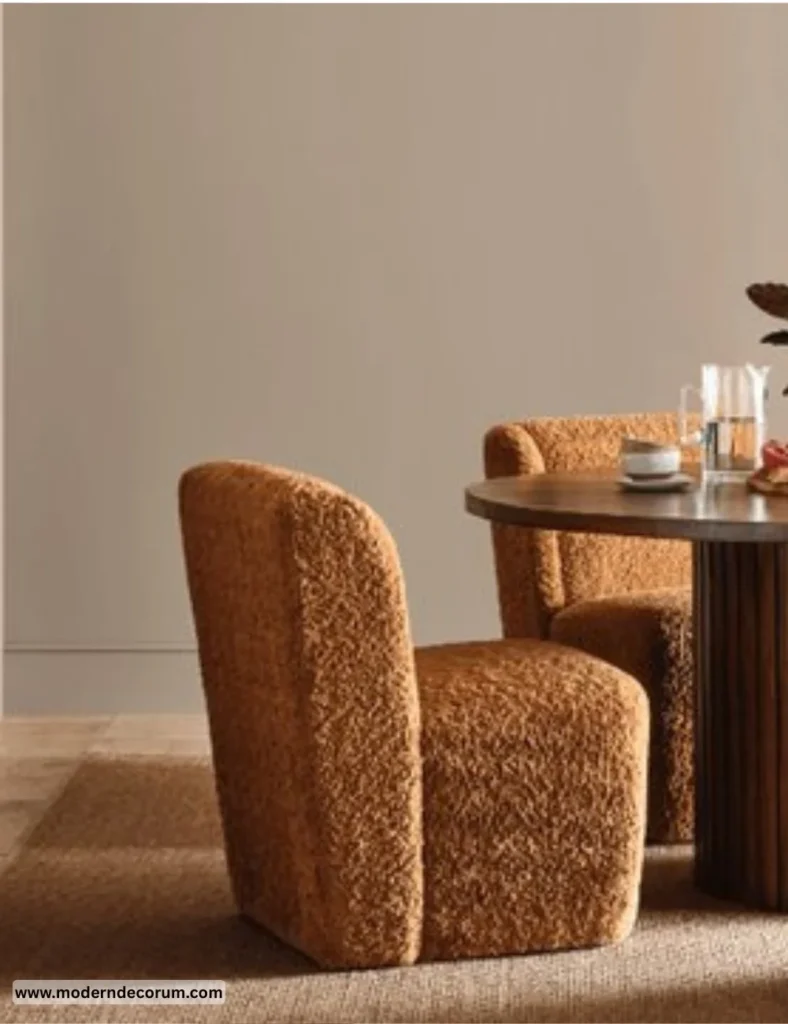
- Decor & Furniture
- Purpose: Complement the chosen shades with textures and finishes.
- Examples: Velvet cushions, wooden furniture, metallic fixtures.
- Textiles & Accessories
- Purpose: Introduce color through rugs, curtains, throws, and décor accents.
- Lighting Solutions
- Purpose: Highlight and balance the chosen shades, ensuring warmth and vibrancy.
Decorating Steps
Step 1: Understand the Palette
- Action: Review the 48 shades and identify which ones resonate with your personal style.
- Rationale: Choosing colors you love ensures your space is both stylish and enjoyable.
Step 2: Categorize Shades
- Action: Separate the colors into neutrals, pastels, vibrant accents, and deep tones.
- Rationale: Helps you plan cohesive color combinations for different rooms or features.
Step 3: Select a Dominant Color
- Action: Choose a primary shade for walls or large furniture pieces.
- Rationale: Anchors the room and sets the overall tone.
Step 4: Add Accent Shades
- Action: Apply complementary colors through smaller furnishings, décor, or artwork.
- Rationale: Creates depth, contrast, and visual interest.
Step 5: Layer Textures and Materials
- Action: Mix soft textiles, metallic accents, and natural elements.
- Rationale: Enhances dimension and prevents the palette from feeling flat.
Step 6: Evaluate Lighting
- Action: Adjust bulbs, window treatments, or accent lighting.
- Rationale: Ensures the shades look as intended in different conditions.
48 Designer-Approved Shades for 2026
Note: Shades are grouped by tone categories for easier visualization.
Neutrals & Warm Whites
- Soft Ivory
- Creamy Beige
- Warm Sand
- Light Taupe
- Mushroom Gray
- Almond Glow
- Pale Peach
- Vanilla Frost
Muted Pastels
- Powder Blue
- Lilac Mist
- Blush Pink
- Mint Whisper
- Lemon Sorbet
- Soft Apricot
- Seafoam Green
- Peachy Nude
Deep & Moody Tones
- Forest Green
- Charcoal Gray
- Midnight Blue
- Aubergine
- Espresso Brown
- Burnt Sienna
- Deep Teal
- Plum Royale
Vibrant & Expressive Accents
- Mustard Yellow
- Coral Reef
- Tangerine Tango
- Fuchsia Burst
- Emerald Jewel
- Ruby Red
- Cobalt Blue
- Turquoise Splash
Earthy & Organic Hues
- Olive Leaf
- Terracotta Clay
- Sandstone
- Rust Orange
- Cocoa Bean
- Sage Green
- Pebble Gray
- Caramel Drift
Metallic & Shimmering Shades
- Antique Gold
- Rose Gold
- Bronze Glow
- Copper Penny
- Silver Mist
- Platinum Pearl
- Champagne Frost
- Iridescent Opal
Design Tips & Variations
- Mix Warm and Cool Tones: Balance deep, moody shades with lighter neutrals.
- Seasonal Flexibility: Swap accent pieces to refresh your palette for winter or summer.
- Layer Textures: Use velvet, wood, metals, and ceramics to add depth to monochromatic areas.
- Feature Walls: Use one of the deep or vibrant shades to anchor a room without overwhelming it.
FAQ / Common Challenges
Q: How do I choose the right shades from 48 options?
- Answer: Start by narrowing down to 2–3 dominant shades for your space, then layer complementary accents.
Q: Can I mix bold and muted shades in one room?
- Answer: Yes, but balance is key. Use bold shades sparingly as focal points or accents.
Q: How do I test colors effectively?
- Answer: Paint swatches on walls or use large sample boards; view them at different times of day.
Q: Are metallics suitable for everyday rooms?
- Answer: Absolutely. Use metallic finishes in moderation on furniture, fixtures, or décor to add subtle glamour.
Conclusion & Call to Action
The 48 shades set to shape 2026 provide endless opportunities to refresh and elevate your interiors. By thoughtfully selecting dominant and accent colors, layering textures, and balancing warm and cool tones, you can create spaces that are stylish, functional, and on-trend.
Which shades will you incorporate into your home this year? Start experimenting with your favorite combinations and share your results—let your interiors reflect the beauty and creativity of 2026!