
Table of Contents
Why This Décor Idea Matters
ANTIQUE FURNITURE—more than just decoration, it’s living history. Each piece tells a story through its craftsmanship, patina, and unique character. Unlike mass-produced furniture, antiques carry the artistry and durability of eras past, making them not only beautiful but also deeply meaningful.
Decorating with antique furniture brings warmth, authenticity, and personality into your home. These treasures reflect a commitment to sustainability by reusing and cherishing quality pieces instead of following fleeting trends. Today’s interior design embraces blending antique pieces with modern elements, creating timeless, eclectic spaces that feel curated yet comfortable.
Whether it’s a weathered farmhouse table, an ornate Victorian chair, or a sleek mid-century credenza, antique furniture with history adds soul to your interiors in ways new pieces simply cannot.
What You’ll Need
To incorporate antique furniture seamlessly into your home, start with a few thoughtful selections:
- Statement Furniture Pieces
- Examples: farmhouse dining tables, carved wooden chests, antique wardrobes.
- Role: serve as anchors for the room’s design.
- Sourcing tip: Look for estate sales, antique shops, or online marketplaces specializing in vintage finds.
- Smaller Functional Pieces
- Nightstands, accent chairs, or writing desks add character without overwhelming a space.
- Budget-friendly option: Explore thrift shops and flea markets for hidden gems.
- Care & Restoration Tools
- Furniture polish, wood oil, or upholstery repair kits to preserve the piece’s beauty.
- High-end option: Professional restoration services for valuable antiques.
- Complementary Décor
- Rugs, vintage lighting, or artwork that enhances the historical feel of your antiques.
Decorating Steps
Here’s a step-by-step guide to bringing antique furniture into your home with style and harmony:
1. Choose Your Anchor Piece
Start with one antique item that inspires you, such as a dining table or dresser. This sets the tone for your décor.
Pro Tip: Build your room design around this piece instead of forcing it into an existing style.
2. Blend with Modern Comforts
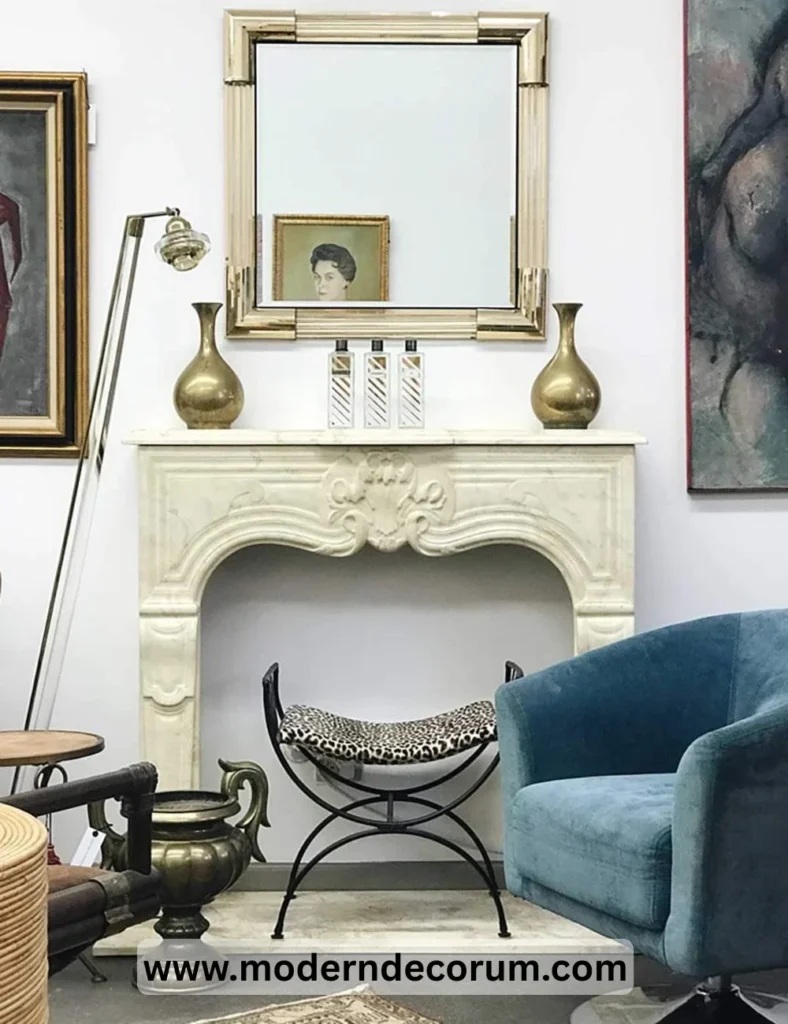
Pair antique furniture with modern accents for balance. For example, a rustic chest pairs beautifully with contemporary art, or a Victorian chair can shine next to a minimalist sofa.
Why It Matters: This approach prevents your home from feeling like a museum.
3. Respect the History
Preserve the natural patina, carvings, and wear marks—they’re part of the story. Avoid over-refinishing unless absolutely necessary.
4. Create Layers of Texture
Combine antiques with textiles like linen throws, patterned rugs, and soft cushions. This contrast adds comfort and makes antique furniture feel at home in everyday life.
5. Personalize with Accessories
Finish the look with meaningful touches: family heirlooms, vintage books, or plants styled in antique pots.
Design Tips & Variations
- Color Pairings
- Use neutral backdrops (beige, cream, gray) to let antiques shine.
- Jewel tones like emerald, ruby, or sapphire bring out the richness of wood grains.
- Seasonal Styling
- Summer: Pair antiques with light textiles and fresh greenery.
- Winter: Add depth with velvet, brass accents, and candlelight.
- Mix Eras Gracefully
- Don’t feel confined to one period. A Georgian table can look stunning with mid-century chairs if tied together by a common color palette.
- Lighting Choices
- Vintage chandeliers or brass lamps amplify the historic feel. Soft, warm lighting works best with aged wood tones.
FAQ / Common Challenges
Q: How do I know if a piece of antique furniture is valuable?
A: Look for craftsmanship details like dovetail joints, wood type, or maker’s marks. Consulting an antique dealer can help.
Q: What if my antique furniture feels too formal?
A: Balance it with relaxed textiles (linen, cotton) or modern accessories to soften the look.
Q: Can antique furniture work in small spaces?
A: Yes! Opt for versatile pieces like small writing desks, compact sideboards, or accent chairs that add charm without crowding the room.
Q: How do I maintain antique furniture?
A: Regular dusting and occasional polishing with natural oils preserve its patina. Avoid harsh cleaners that strip finishes.
Conclusion & Call to Action
Antique furniture with history does more than fill a room—it transforms it. Every piece carries craftsmanship, character, and a story worth sharing. By starting with an anchor item, blending old with new, and styling with intention, you can create a home that feels timeless, soulful, and truly unique.
Ready to bring history into your home? Start with one antique piece, honor its story, and watch as it elevates your entire space.
Which piece of antique furniture would you love to showcase in your home?