Apartment Renovation Ideas 2026: The Role Of Furniture As Art In Modern Apartments
Introduction
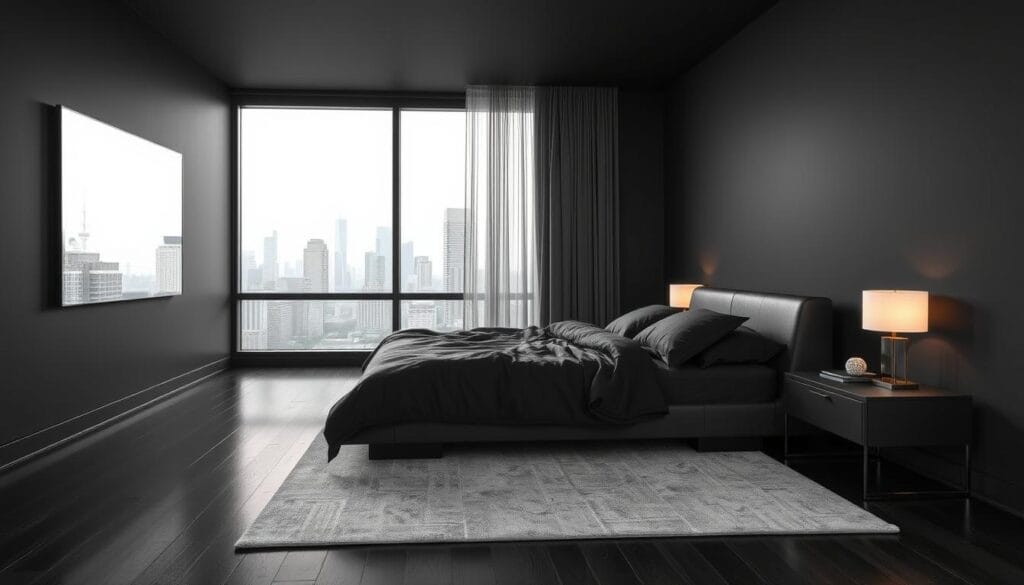
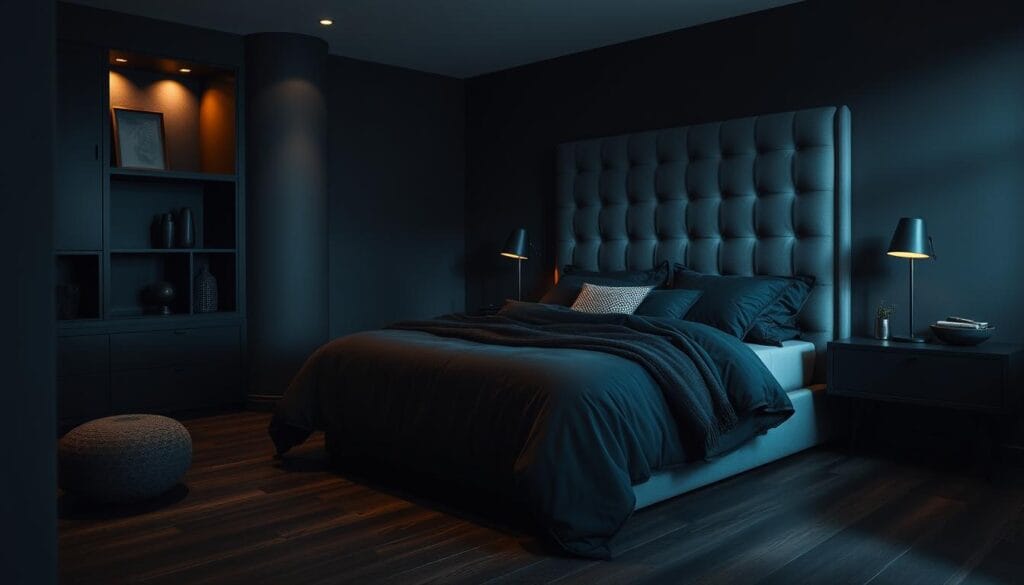
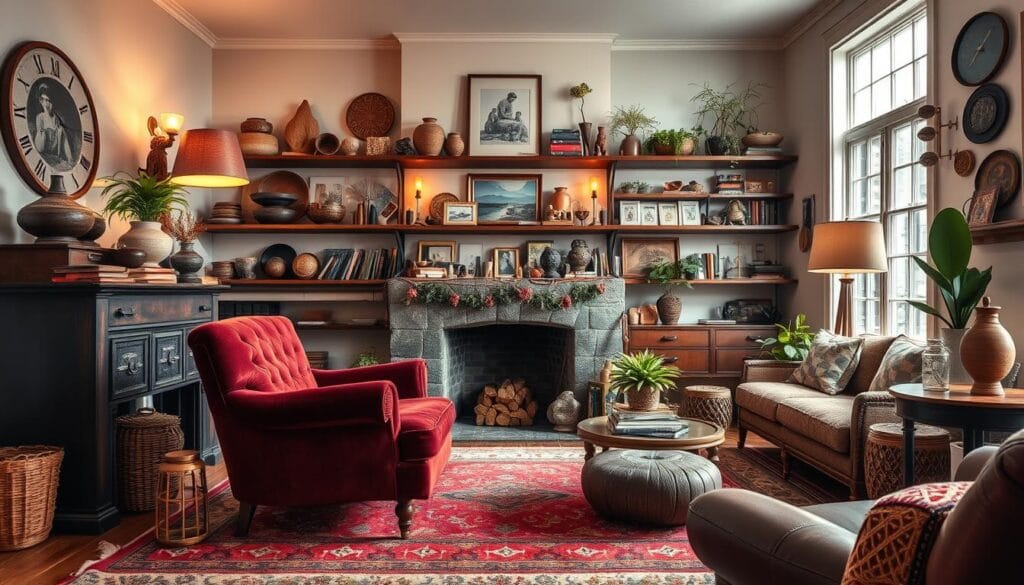
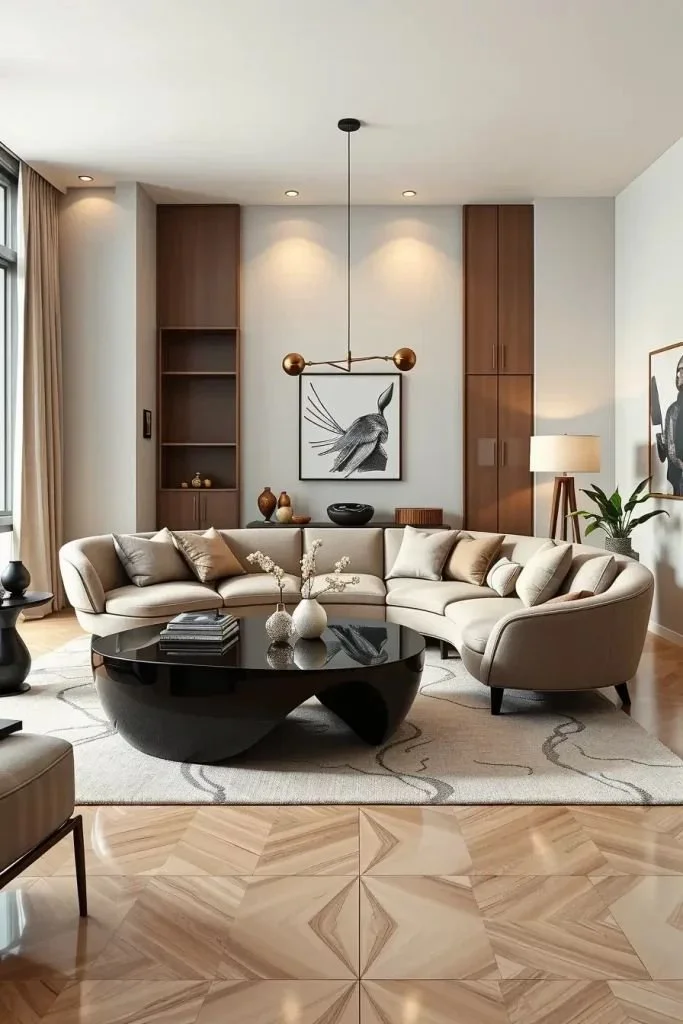
Imagine stepping into a sunlit apartment where each piece of furniture looks like it belongs in a gallery—curved sofas that invite you to sink in, sculptural side tables that catch the light, and a statement bookcase that reads like a visual playlist. The room hums with a balance of texture and form: raw oak beside brushed metal, boucle cushions against a matte ceramic lamp, a muted linen rug anchoring a palette of warm neutrals with a single saturated accent. The air feels both calm and curated, as if your home were a refuge and a stage at once.
This is the heart of Apartment Renovation Ideas 2026: viewing furniture as art. It’s not about trying to impress strangers with ostentatious pieces; it’s about choosing items that bring personality, function, and visual storytelling into everyday life. When furniture serves as art, even small updates—re‑arranging a console, swapping a coffee table, introducing a sculptural chair—change how you live: your evenings feel cozier, your hosting looks more effortless, and the space reflects who you are.
This approach is perfect for seasonal refreshes, creating cozy corners, or making renters’ spaces look intentionally designed without permanent alterations. It’s ideal for modern updates—think clean lines, tactile materials, and a few dramatic silhouettes—and it plays well with budget-friendly decorating: a single thrifted vintage chair or a DIY-painted cabinet can become the room’s focal artwork. If you’re preparing for gatherings or the holidays, treating furniture as art gives you flexible, impactful tools to stage your space.
For living rooms rethinking focal points after a layout change, or dining rooms seeking a fresher mood, this idea makes renovating feel less like construction and more like composition. If you’re curious how a few carefully chosen pieces can transform a small studio or an open-plan apartment into a stylish, liveable gallery, read on—there are practical tips and step-by-step styling ideas to help you visualize it in your own home. And if you’re planning a room overhaul, browse inspiring examples of dining transformations to spark ideas from placement to palette via modern dining renovations.
Decor Details
Furniture as art refers to using furniture items—chairs, sofas, tables, shelving, lighting—as primary aesthetic statements rather than just functional objects. In 2026, this trend blends utility and sculpture: think asymmetrical consoles, rounded sofas, and storage pieces with unexpected finishes.
Main style: modern with strong nods to Scandinavian minimalism, contemporary eclecticism, and soft brutalism. Typical colors and materials: warm neutrals (sand, taupe, ivory), deep accent hues (navy, forest green, terracotta), natural woods (walnut, oak), matte metals (blackened steel, brass), tactile textiles (bouclé, linen, suede), and ceramic or glass accents. Textures are key—mix smooth lacquers with rough-hewn wood and plush fabrics. Best rooms: living room (statement sofa), entryway (sculptural console), bedroom (bedside tables as mini‑artworks), dining area (a sculptural dining table), and home office (a designer desk). Level of DIY vs. buying ready-made: mostly store-bought for sculptural pieces, with a healthy mix of easy DIY (re‑staining, painting, reupholstering) for customization.
Design Impact
When furniture functions as art, the visual hierarchy of a room changes: the focal point moves from generic wall art to the things you sit on and set drinks down with. A sculptural lounge chair placed correctly can open pathways, create conversation nooks, and anchor layered lighting. Light interacts differently with three-dimensional forms—curved surfaces cast soft shadows, glossy finishes reflect points of light, and textured fabrics absorb sound and add warmth.
Emotionally, this approach cultivates a sense of personal curation. Rather than feeling like a showroom or a mismatched rental, your space becomes intentionally lived-in. Imagine an evening reading by a curvy armchair with a wool throw draped casually across it, the table lamp casting a pool of golden light on a ceramic side table that looks like a small pedestal—simple actions feel elevated. Practically, many statement pieces double as storage or multi-use elements: an artistic shelving unit organizes books and displays objects, a sculptural coffee table holds trays for remotes and candles, and built-in or free‑standing room dividers can define zones in open-plan apartments.
Design impact also shows up in routine life: a well-chosen desk that looks beautiful will be a draw for the workday; guests naturally gather around a striking dining table; clearing clutter becomes easier when storage is part of the design. For small apartments, treating furniture as art creates defined moments—an entry console that greets you like a welcome sign, or a bench that becomes both seating and a photo-worthy vignette.
Why Choose It
Treating furniture as art is perfect for renters, busy professionals, couples who entertain, design enthusiasts, and anyone seeking a high-impact update without a full renovation. It’s especially useful in small apartments where every piece must carry emotional and functional weight. For decor beginners, starting with one statement item is less intimidating than redoing an entire room, and for families, durable sculptural pieces in kid-friendly finishes can be both practical and beautiful.
Key strengths include affordability of impact (one thoughtful piece transforms a space), flexibility (swap out cushions or light fixtures seasonally), and longevity—timeless silhouettes paired with replaceable textiles stay current. This strategy solves common problems: a bland sofa can be revitalized with a bold sculptural coffee table and an artful floor lamp; an empty corner becomes a reading alcove with a single sculptural chair and a narrow side table; cluttered shelves are tamed by installing a tidy, visually pleasing shelving unit.
Real-life situation: an apartment with a boring, paint-by-numbers living room—neutral walls, a basic sofa, and zero personality—can be brought to life with a statement armchair in a rich fabric, a geometric side table, and a layered rug. The result? A photo-ready corner that you, your friends, and your camera will love.
How to Style Apartment Renovation Ideas 2026: The Role Of Furniture As Art In Modern Apartments
Ingredients
- Main items: statement sofa or chair, sculptural coffee or side table, artistic shelving or console, designer lighting (floor or pendant), area rug to anchor.
- Optional extras: decorative trays, vases, books, table lamps, throws, cushions in mixed textures, indoor plants, wall mirror to reflect the piece.
- Tools: measuring tape, painter’s tape, felt pads, level, screwdriver, hooks or anchors for wall-mounted units.
- Budget substitutions: thrifted mid-century chairs, IKEA hack shelving, refurbished vintage tables, DIY reupholstery kits, second-hand lighting retrofitted with new shades.
- Upgrading extras: brass or matte-black hardware, leather accents, custom upholstery, statement rug.
Directions
- Measure the space first. Note ceiling height, traffic flow, and sightlines. A statement piece should never block a walkway—allow at least 30–36 inches for circulation in living and dining zones.
- Choose your anchor. Decide whether the sofa, a sculptural chair, or a shelving unit will be the “art.” Anchor it with a rug that’s scaled correctly: living-room rugs should extend at least 18 inches under front legs of seating or be large enough that all furniture sits on it in larger rooms.
- Build contrast with texture. Pair smooth finishes (glass, lacquer) with tactile textiles (bouclé, wool). If your statement piece is bold in shape, keep its finish subtle to avoid visual clutter.
- Control the color story. For minimalist schemes, use a neutral base and one saturated accent. For eclectic palettes, select two dominant colors and echo them in small accessories. Tip: warm woods pair best with warm neutrals and terracotta; cool metals suit slate blues and soft greys.
- Place at the right height. Eye-level balance matters—console tables should sit below eye height and be paired with taller wall art or mirrors; side tables should be roughly the same height as sofa arms or within 2–3 inches.
- Layer light. Complement sculptural furniture with layered lighting: a warm pendant overhead, a dimmable floor lamp for reading, and accent lights for display shelves.
- Curate objects. Use odd-number groupings (3 or 5) on shelves and tables. Let negative space breathe—don’t overcrowd surfaces.
- Anchor with greenery. A potted plant or sculptural branch adds life and scale; tall plants fill vertical gaps in corners.
- Test circulation. Sit, walk, and live in the staged layout for a few days. Adjust distances, swap cushions, or tilt the chair slightly to open pathways.
- Edit seasonally. Swap throws, cushions, and small accessories for a quick refresh without replacing the big pieces. If renting, conceal permanent fixtures with removable hooks and lightweight free-standing items.
Presentation Tips
Showing off furniture as art is about context. In an entryway, a slim console with a sculptural lamp and a single oversized ceramic bowl makes a confident first impression. In the living room, place a sculptural armchair at a 45-degree angle to the sofa to invite conversation. For the bedroom, choose matching bedside tables with distinctive silhouettes for symmetry; or deliberately mismatch for a curated look.
Pairings to consider:
- Plants: tall fiddle-leaf figs or sculptural succulents to complement vertical pieces.
- Rugs: natural fiber rugs for textural contrast, or bold patterned rugs to amplify minimalist furniture.
- Mirrors: large round mirrors bounce light onto glossy or metallic surfaces.
- Textiles: throws and cushions in mixed fabrics (linen, velvet, bouclé) to soften hard edges.
- Shelves and baskets: woven baskets for hidden storage beneath artistic shelving.
Small-space idea: Use one bold chair and an oversized floor lamp to create a reading nook without overwhelming the room. Large open-plan idea: Use two sculptural shelving units as a low divider to separate living and dining zones while maintaining flow.
Care Instructions
Materials vary, so tailor care: wood benefits from dusting with a dry cloth and occasional conditioning oil (every 6–12 months); metal finishes should be wiped with a damp cloth and dried immediately to prevent water spots; upholstery needs regular vacuuming with an upholstery attachment and spot-treating according to fabric type—test cleaners in an inconspicuous spot first. For leather, use a dedicated leather cleaner and conditioner every 6–9 months.
Dust sculptural pieces weekly; deep clean textiles every 3–6 months—remove and wash cushion covers if possible, or use a professional cleaner for delicate fabrics. Store seasonal items like heavy throws in breathable cotton bags; protect artworks and fragile ceramics from direct sunlight to prevent fading. Rotate smaller accessories occasionally to keep the look fresh and to produce even wear on rugs and seats.
Designer’s Advice
- Scale is king: make sure the statement piece is proportional to the room—too small and it looks lost; too large and it dominates.
- Use warm bulbs (2700K–3000K) for living areas to enhance textiles and wood.
- Layer lighting: ambient, task, and accent to make sculptural forms read well at all times.
- Stick to a simple palette for larger items; introduce bold color through textiles and accessories.
- Mix metals sparingly—two finishes (brass + matte black) usually read cohesive.
- Negative space elevates pieces—leave some surfaces intentionally sparse.
- Anchor seating groups with rugs that allow front legs of furniture to touch the rug for cohesion.
Creative Variations
Minimalist twist: Choose a streamlined sofa with clean lines, a single sculptural coffee table, and a monochrome palette—perfect for serene, gallery-like living rooms. Luxury version: invest in handcrafted upholstery, a designer marble-topped table, and bespoke shelving with integrated lighting. Budget/thrifted idea: seek out vintage chairs and reupholster them in modern fabrics, pair with an IKEA hack console upgraded with new hardware and paint.
Seasonal occasion: For holidays, layer in plush velvet cushions and metallic accents on consoles and dining tables to make furniture feel festive. For summer, swap heavy textiles for linen and rattan accessories to lighten the visual weight.
Frequently Asked Questions
Q: How do I match statement furniture with existing pieces?
A: Anchor the room with a shared color or material—repeat wood tones or metal finishes in smaller accents. Keep large pieces neutral and use textiles to introduce contrast.
Q: Is this renter-friendly?
A: Yes. Focus on free-standing items (no built-ins), use removable hooks for wall hanging, and select lightweight yet impactful pieces that can move easily.
Q: How do I adapt this idea for a small apartment?
A: Pick one or two statement pieces rather than many. Use multifunctional furniture (bench with storage, coffee table with drawers) and vertical shelving to maximize floor space.
Q: Where can I find quality pieces without overspending?
A: Browse local thrift stores, flea markets, and online secondhand marketplaces for unique finds; consider online retailers that offer modular or customizable options for mid-range budgets.
Q: How do I maintain sculptural finishes?
A: Dust weekly, treat wood and leather sparingly with recommended products, and keep pieces out of direct afternoon sun to prevent fading or drying.
Conclusion
Furniture-as-art is a powerful, approachable way to renovate an apartment in 2026—bringing personality, function, and gallery-level presence into everyday life. If you’re eager to explore different decorating languages and refine how pieces interact, the comprehensive Interior Design Styles 101: The Ultimate Guide To Decorating Styles is a great reference for style foundations, and for tips tailored to compact modern living, see Modern Apartment Decor | Mammoth NYC’s Expert Tips. Try this approach in a corner, a full room, or even a single piece—then share your photos, questions, and discoveries below or join the conversation on Moderndecorum.com to keep refining your home’s story.