Apartment Renovation Ideas 2026: Sustainable Materials In Modern Designer Apartments
Introduction
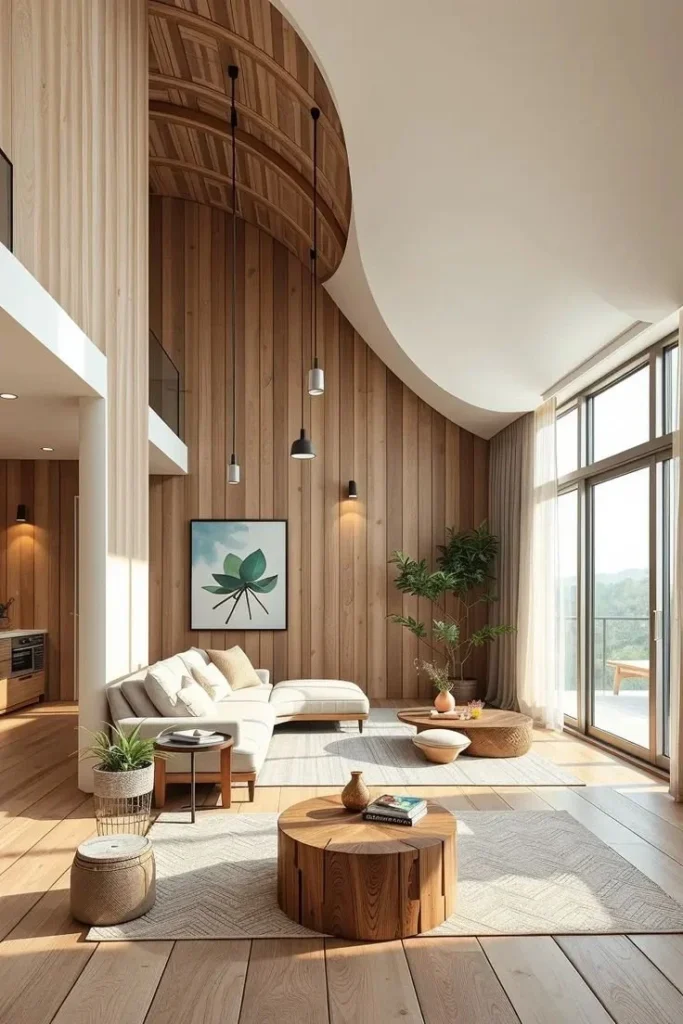
Imagine stepping into a modern designer apartment where sunlight slides across honed maple floors, a soft wool rug muffles footsteps, and the air carries a faint, pleasing scent of beeswax — not chemical polish. The palette here is quietly confident: warm off‑whites, muted terracotta, and the green‑gray of reclaimed oak. Textures are layered with intention — the coolness of matte concrete countertops balanced by the tactile warmth of woven linen, and brushed metal fixtures that catch the light like subtle jewelry. This is not just a look; it’s a tactile, sensory experience that invites you to linger, host, and rest.
Sustainable materials in 2026 design feel modern because they blend honesty with refinement. You notice the grain in responsibly sourced wood, the soft imperfection of hand‑glazed ceramics, and the gentle give of recycled‑fiber upholstery. These details create a home that feels lived in, yet thoughtfully curated — ideal for evenings when you curl up with a book or for weekends of casual entertaining. The result is a calm, comfortable space that still reads as contemporary and designed.
This approach matters because real homes need to support real lives. Sustainable materials deliver comfort and personality without sacrificing function: quieter evenings thanks to sound‑absorbing textiles, healthier air because low‑VOC finishes were chosen, and furniture that resists fast‑fashion trends by being built to last. Whether you’re refreshing for the season, opening your apartment for a holiday gathering, or making renter‑friendly updates before listing for sublet, sustainable touches give you style that feels good on every level.
If you’re planning a seasonal refresh, creating a cozy corner for winter reading, updating a modern kitchen, or making smart renter‑friendly changes on a budget, this 2026 direction is perfect. For dining ideas with a sustainable slant, check this inspiration for a contemporary meal space: dining room renovation ideas.
At a Glance
What this is: Apartment Renovation Ideas 2026: Sustainable Materials In Modern Designer Apartments focuses on integrating decor pieces, furniture, surfaces, lighting, and textiles made from recycled, reclaimed, or responsibly sourced materials into a cohesive modern aesthetic.
Main style: Modern with Scandinavian and minimalist undertones — clean lines, functional forms, and an emphasis on natural textures.
Typical colors, materials, and textures:
- Colors: warm neutrals, soft earth tones, muted greens, charcoal accents.
- Materials: reclaimed wood, cork, bamboo, recycled glass, low‑VOC paints, natural stone, wool, linen, and certified sustainable metals.
- Textures: matte finishes, hand‑woven textiles, honed stone, and brushed metals.
Best rooms or zones: living room, kitchen, bedroom, workspace, and entryway — anywhere you want longevity and sensory comfort.
DIY vs. store‑bought: mix. Many updates are accessible for DIY (painting with low‑VOC paint, installing peel‑and‑stick reclaimed wood panels) but key pieces like sustainable sofas or engineered countertops are often store‑bought.
Why It Works
Visually, sustainable materials bring depth and cohesion. Reclaimed wood adds linear warmth that draws the eye across a room, while matte surfaces absorb light to create sophisticated contrast. In small apartments, a few well‑chosen sustainable items (a cork accent wall, a slim recycled‑metal console) can become a focal point without overwhelming the layout. Paired with thoughtful lighting, these materials expand perceived space by creating layers — a soft uplight on a textured wall, a pendant over a dining table, and a floor lamp that creates pockets of comfort.
Emotionally, this decor supports calm and confidence. Knowing your choices are durable and environmentally mindful reduces the anxiety that often comes with frequent redecorating. Imagine a work‑from‑home evening: a wool throw on the back of your sustainable sofa, a ceramic mug warmed by your hands, and a houseplant filtered by a natural light source — simple comforts amplified by quality materials. Practically, these choices pay off: cork and wool add sound‑dampening, smart storage furniture reduces clutter, and surfaces treated with low‑VOC finishes are easier to maintain and healthier for long stays.
Perfect For…
Who this is for: renters who want non‑permanent elevating touches, small families needing durable surfaces, busy professionals craving low‑maintenance style, and design lovers who prefer longevity over trend cycles.
Key strengths:
- Affordable to upscale options — easy to scale.
- Flexible and timeless — natural materials integrate with most palettes.
- Small‑space friendly — multi‑use furniture and sound‑absorbing textiles improve comfort without bulk.
- Seasonal friendly — switch cushions or art to shift the mood without major renovations.
Problem solver example: A common issue is a small, noisy open plan where echoes make calls challenging. Adding a recycled‑fiber area rug, a cork notice board on an empty wall, and linen drapes creates a layered acoustic solution that also visually zones the space, turning a chaotic open plan into separate living and working areas.
How to Style Apartment Renovation Ideas 2026: Sustainable Materials In Modern Designer Apartments
Ingredients
- Main items:
- Reclaimed wood shelving or accent paneling
- Sustainable sofa (recycled‑fiber fill, hardwood frame)
- Cork wall tiles or cork bulletin board
- Natural stone or engineered quartz countertop in kitchen
- Linen or organic cotton curtains and throw pillows
- Wool or recycled PET area rug
- Low‑VOC paint in neutral tones
- Optional extras:
- Warm LED bulbs, layered lighting fixtures
- Potted plants (ferns, rubber plant, pothos)
- Hand‑glazed ceramic vases and dishes
- Woven baskets for storage
- Brass or matte black hardware for accents
- Budget‑friendly substitutions:
- Peel‑and‑stick reclaimed wood look panels instead of full planks
- Thrifted solid wood furniture refinished with water‑based stain
- Affordable cork rolls instead of tiles
- Secondhand rugs cleaned and bound
Directions
- Plan your focal points. Choose one or two sustainable statements — e.g., a reclaimed wood media wall or a cork entryway wall — and let other pieces support them.
- Pick a base palette. Start with two neutrals (warm white + gray‑taupe) and one accent (muted terracotta or sage). This keeps the layered materials cohesive.
- Test finishes in the room. Hold samples of wood, stone, and fabric near windows and artificial light to see how they shift by time of day.
- Install durable surfaces first. Put down the area rug and secure shelving before arranging soft furnishings to anchor the space.
- Layer textures. Pair honed stone countertops with woven baskets, linen cushions, and a soft wool throw to balance hard and soft surfaces.
- Zone with textiles. Use rugs and curtains to define living and working areas in open plans — choose sound‑absorbing fibers for better acoustics.
- Select lighting last. Layer ambient, task, and accent lights. Warm‑temperature LEDs (2700–3000K) create inviting evenings; dimmers add flexibility.
- Accessorize mindfully. Add ceramics, plants, and small brass touches. Keep groupings in odd numbers for visual interest.
- Avoid clutter. Store multipurpose items in baskets and closed storage; rotate decorative objects seasonally to keep the space fresh.
- Final polish. Step back and adjust heights (art centers at eye level, shelves staggered with 6–9 inches between objects), and soften any overly rigid lines with a throw or draped textile.
Room Setting Inspiration
Sustainable materials translate beautifully across rooms. In the entryway, a slim reclaimed‑wood console paired with a cork bulletin board makes a warm, functional welcome. In the living room, a recycled‑fiber sofa, wool rug, and a low, solid‑wood coffee table create a layered lounge with tactile depth. For the bedroom, opt for organic linen bedding, a bamboo bedside tray, and a natural‑finish bed frame to create a restful retreat.
Pairing tips:
- Plants: add life and contrast to neutral palettes; large leaf plants in corners soften architectural lines.
- Mirrors: reflect light against matte surfaces to amplify brightness.
- Throws and cushions: bring seasonal color or texture without permanent commitment.
- Shelves and baskets: mix ceramics with woven storage to break monotony and hide clutter.
Small space idea: hang floating reclaimed shelves and use vertical cork panels for organization — visually light yet highly functional.
Larger open‑plan idea: use a long reclaimed wood console to delineate living and dining zones, anchored by a runner rug and suspended linear pendant above the dining table. Also see kitchen renovation ideas for integrating sustainable countertops and cabinetry concepts: kitchen renovation ideas.
How to Maintain
Caring for sustainable materials is simple and prolongs their beauty. Dust wood and metal weekly with a dry microfiber cloth; wipe spills promptly on stone with a soft damp cloth and mild soap. For fabrics, follow care labels: most wool and linen covers benefit from spot cleaning and periodic professional cleaning; many recycled PET rugs can be vacuumed and spot‑cleaned at home.
Routine frequency:
- Dusting: weekly for surfaces, biweekly for less‑used items.
- Washing textiles: pillow covers every 1–2 months; throws seasonally.
- Deep clean rugs: yearly or as needed for high‑traffic areas.
- Protect finishes: keep leather and natural wood away from direct sun; rotate cushions and rugs to avoid uneven wear.
Storage tips: store seasonal linens in breathable cotton bags, keep ceramics wrapped in tissue, and store excess textiles flat or rolled to avoid creases. Refresh the look by rotating accessories and swapping cushion covers with the seasons.
Designer’s Advice
- Scale matters: choose one large statement piece rather than several competing mid‑sized items.
- Layer light: combine overhead, task, and accent lighting with warm LEDs to make materials feel inviting.
- Keep contrast: pair matte surfaces with one or two subtly reflective accents to avoid a flat look.
- Mix metals carefully: pick one dominant metal and use secondary metals sparingly for cohesion.
- Odd numbers: group decor items in threes or fives for natural balance.
- Texture first: prioritize tactile contrast (hard + soft) before adding color.
- Test and edit: live with arrangements for a week, then remove anything that feels redundant.
Customization Options
Minimalist twist: pared‑back palette, thin reclaimed shelving, single large art piece, and a slimline sofa with recycled fill. This keeps the space airy and very modern.
Cozy/boho twist: layer rugs, add macramé wall hangings made from natural fibers, rattan accent chairs, and warm terracotta accessories for a textured, intimate feel.
Budget vs luxury:
- Luxury: solid reclaimed wood furniture, stone countertops, bespoke sustainable cabinetry.
- Mid‑range: engineered quartz, upcycled vintage furniture refinished professionally.
- Budget: thrifted solid wood pieces refreshed with water‑based stain, peel‑and‑stick cork, and secondhand rugs professionally cleaned.
Frequently Asked Questions
Q: Can sustainable materials match my existing modern furniture?
A: Yes — pick a shared neutral base and introduce sustainable elements in similar tones or complementary textures to create cohesion.
Q: Are these updates renter‑friendly?
A: Many are. Use removable options like peel‑and‑stick panels, freestanding shelving, and rented countertops where needed. Always check lease terms for permanent changes.
Q: Where can I find affordable sustainable items?
A: Look at local thrift stores, salvage yards, and marketplaces for reclaimed wood and vintage pieces; online platforms often have eco‑friendly lines. Focus on quality and repairability.
Q: How do I keep natural materials from fading?
A: Limit direct sunlight exposure, use UV‑filtering window films if needed, and rotate textiles and rugs to distribute wear.
Q: Is maintenance intensive?
A: Not if you choose durable finishes. Regular dusting and prompt spot cleaning are usually enough; heavier maintenance like rug cleaning can be scheduled annually.
Conclusion
Sustainable materials infuse modern designer apartments with warmth, durability, and quiet luxury — creating homes that look beautiful and feel right to live in. Try layering a reclaimed wood accent, a wool rug, and low‑VOC painted walls to start; then build out with textiles, lighting, and plants. Share your before‑and‑after photos or questions in the comments — we’d love to see your progress and offer tips.
Learn more about the broader aesthetics shaping 2026 design with this overview of 16 Interior Design Trends 2026: Must‑Have Looks You’ll Love … and explore how sustainable choices fit into kitchen updates in 2026 Kitchen Remodeling Trends: Top Styles, Colors & Designs. Continue discovering ideas and join our community on Moderndecorum.com.