Backyard Fence Landscaping Ideas 2026: Fence Landscaping Ideas With Built-In Planters
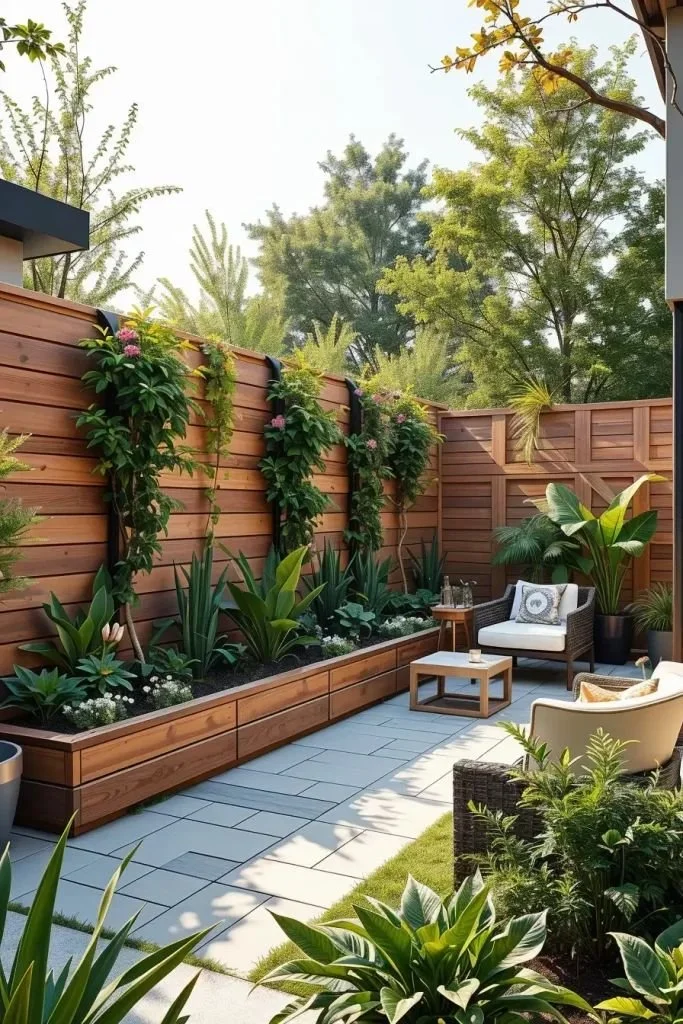
Imagine stepping into your backyard and being greeted by a living wall that hums with texture and life: matte-painted timber with copper planter pockets, trailing jasmine spilling over rough-hewn steel troughs, and soft fairy lights weaving through herbs that scent the evening air. In 2026, backyard fence landscaping has evolved into something both practical and poetic—fences are no longer mere boundaries; they are layered stages for greenery, seasonal color, and unexpected storage. Built-in planters create a tapestry of textures—shiplap, rusted metal, coarse rope, and glossy glazed ceramics—that together make the outdoor room feel curated and cozy.
This idea matters because it marries form and function. A fence with built-in planters gives you privacy and a focal point while softening hard lines with greenery. It’s ideal for people who love to host—guests spill onto decks lined with fragrant herbs—or those who crave quiet mornings in a privatized nook where sunlight warms wicker chairs and a stack of cushions invites you to linger. It’s tactile: the cool smoothness of ceramic, the dry roughness of reclaimed wood, the brittle crispness of ornamental grasses in late summer. It’s emotional: a small, daily ritual of watering, snipping, and admiring that grounds you.
This treatment is perfect for seasonal refreshes (swap bright summer blooms for hardy mums in autumn), creating cozy corners for reading or outdoor dining, or giving a modern update to an outdated privacy fence. Renters can adopt temporary planter attachments; homeowners can opt for built-in troughs or raised beds. Whether you’re decorating on a budget, preparing for a holiday gathering, or carving out a peaceful retreat for evening relaxation, built-in fence planters are an instantly impactful solution. For more creative fence concepts that pair beautifully with planter-equipped fencing, check out this overview of unique decor ideas: 21 unique ways to decorate a backyard privacy fence.
At a Glance
Backyard Fence Landscaping Ideas 2026: Fence Landscaping Ideas With Built-In Planters refers to integrated planters or planter-mounted systems attached to or built directly into fence structures. It’s a hybrid decor element—part landscape architecture, part wall art—that turns vertical boundaries into productive and decorative garden spaces.
Typically rooted in modern, Scandinavian, and rustic styles, these designs blend clean lines with organic textures. Expect neutral stain tones, matte blacks, weathered metal, terracotta, and pops of greenery. Materials often include pressure-treated wood, composite decking boards, corten steel planters, glazed ceramic pots, and woven fiber baskets. Textures play a big role: the smooth gloss of ceramic contrasts beautifully with rough cedar or rusted steel.
- Item type: outdoor decor + garden feature (built-in planters integrated with fences)
- Main style: modern, Scandinavian, rustic, or industrial depending on materials
- Typical colors/materials: natural wood, black metal, terracotta, corten steel, neutral stains; textures from smooth to reclaimed
- Best zones: backyard fence lines, patio perimeter, balcony walls, side yards, and terrace boundaries
- DIY vs. store-bought: mix — easy DIY for attached planter boxes; advanced DIY or professional for built-in troughs and irrigation systems
Design Impact
Built-in planters transform fences from functional dividers into layered, living canvases. Visually, they break up large expanses of fencing with rhythm and scale—rowed box planters create horizontal bands, while staggered pots and ledges create vertical movement. The play of shadow and light on plants adds depth, and seasonal plantings shift the mood across the year: spring pastels, summer profusion, autumnal golds, and evergreen structure in winter.
Emotionally, a fence full of plants softens the sense of enclosure and invites lingering. It can make small yards feel larger by drawing the eye upward, creating “rooms” and focal points that anchor outdoor seating or dining areas. Practically, these planters add storage for herbs and small vegetables, reduce the need for ground beds (ideal for small or paved yards), and can incorporate drip irrigation to simplify maintenance. Picture a cozy summer evening: a low bistro set beside planters of basil and lemon verbena, the air warmed, guests reaching for fresh sprigs to garnish a cocktail—this is the everyday magic built-in planters enable.
Perfect For…
Fence planters are a smart, flexible choice for a wide range of homeowners. Renters can use clipped-on planter boxes or freestanding raised beds placed against fences; families can integrate child-safe, non-toxic plants and sturdy troughs that withstand play; small-apartment balconies benefit from vertical planters that free up floor space; design beginners get big payoff with minimal effort by using pre-made wall planters.
Key strengths include affordability (basic timber box planters are inexpensive), flexibility (swap plants seasonally or repaint the planters), and visibility (plants at eye level create instant drama). This solution solves common problems: a blank fence becomes a layered backdrop; a narrow backyard gets vertical interest without sacrificing walkways; a cluttered patio gains purpose when planters double as herb storage for outdoor cooking. For instance, a renter with a plain vinyl fence can attach a row of self-watering planter pockets to create privacy and a fragrant herb station—no major renovations required.
How to Style Backyard Fence Landscaping Ideas 2026: Fence Landscaping Ideas With Built-In Planters
{ingredients}
- Main items:
- Fence-mounted planter boxes (wood, composite, or metal troughs)
- Fasteners appropriate for fence material (lag screws, galvanised brackets)
- Potting soil and slow-release fertilizer
- Plants: herbs, trailing vines, small shrubs, ornamental grasses, succulents
- Irrigation: dripline tubing or self-watering wicking inserts (optional)
- Optional upgrades:
- String lights, solar spotlights, or LED strip lighting
- Trellises or bamboo poles for climbers
- Decorative hardware (metal label tags, painted planter fronts)
- Mulch or decorative gravel for top dressing
- Weatherproof cushions and rugs to complement plant colors
- Budget-friendly alternatives:
- Reclaimed pallets converted into vertical planters
- Thrifted metal troughs or salvaged IBC tote planters repurposed for gardening
- Hanging fabric pockets for renters or temporary use
{directions}
- Plan the layout. Measure your fence and sketch planter placement—decide on one continuous trough, staggered boxes, or repeating pockets. Tip: keep planters at least 6–8 inches above ground to avoid rot and allow airflow.
- Choose materials that match your style. Warm cedar for a rustic look, black powder-coated metal for modern minimalism, or painted wood for a colorful, cottage vibe. Tip: seal wood planters with non-toxic outdoor sealant if using untreated timber.
- Select plants based on sun exposure. Full sun: rosemary, lavender, and succulents. Partial shade: ferns, impatiens, and hostas. Tip: group plants with similar water needs to avoid over- or under-watering.
- Install secure fasteners. Use rust-resistant brackets and match screw type to fence (e.g., masonry anchors for brick). Common mistake: undersized fasteners—always over-spec to handle wet soil weight.
- Add drainage and soil. Line metal planters with landscaping fabric, drill drainage holes if needed, and use a quality potting mix with perlite for good drainage. Tip: create a shallow gravel layer for extra drainage in larger troughs.
- Plant strategically. Place taller plants at the center or back, trailing varieties at the edges. For a lush look, cluster plants in odd-numbered groups (3s or 5s). Mist succulents less frequently than herbs to avoid rot.
- Integrate irrigation. For low-maintenance setups, install a simple dripline or use self-watering inserts. Tip: test irrigation run times for a week and adjust based on weather.
- Style accessories. Add labels, small sculpture, or string lights after planting—these elements personalize the fence and create atmosphere at night.
- Seasonal maintenance plan. Swap heat-sensitive annuals in autumn for hardy evergreens or decorative grasses to maintain structure through winter.
- Troubleshoot common issues. If soil dries quickly, add a moisture-retaining layer or increase mulch. If plants get leggy, prune and replant to restore shape.
Best Pairings
Built-in planters are versatile and pair beautifully with a range of outdoor decor. In a small patio, use narrow troughs and a slim bistro table to maximize circulation; in larger yards, combine staggered planter banks with a deep-seated sectional to create a living backdrop for gatherings. Pair textures—woven outdoor rugs, rattan chairs, and a corten steel fire pit—to layer warmth and contrast.
- Entryway: line planters with fragrant herbs and low-growing evergreens to welcome guests.
- Living/outdoor room: use taller troughs behind sofas to create privacy and green separation.
- Dining area: plant culinary herbs and edible flowers within arm’s reach of the table.
- Home office or studio at home: a vertical planter wall behind a desk softens the shot for video calls.
- Small-space idea: hang narrow planter pockets at eye level to save floor space.
- Large open-plan idea: arrange grouped planters to define zones—dining, lounging, and play.
For additional ways to shape outdoor zones around decks and patios, consider exploring outdoor deck landscaping concepts that complement built-in fence planters: rustic fire pit pairings and ideas for backyard layout.
Care Instructions
Maintenance depends on materials and plant choices. Wood planters benefit from an annual seal with a water-repellent, UV-resistant finish to prolong life and prevent cracking. Metal planters like corten steel develop a protective patina—wipe salt or fertilizer residue to avoid uneven rusting. Ceramic pots should be sheltered from freeze-thaw cycles or brought indoors if possible.
Watering frequency varies seasonally: summer may require daily checks for planters that dry quickly, while cool seasons may only need weekly irrigation. Dust and deadhead plants regularly to encourage growth and maintain a tidy appearance. Wash off fairy lights and hardware with a damp cloth during deep cleans. For winter storage of cushions or decor, keep textiles in breathable bins away from damp and pests—rotate colors or textiles in spring to refresh the look.
Designer’s Advice
- Use odd-numbered groupings (3 or 5) for a balanced, natural arrangement.
- Layer heights: combine low groundcovers, mid-height herbs, then tall ornamental grasses for depth.
- Warm LED lights (2700–3000K) create inviting evenings; add dimmable options for flexibility.
- Mix metals sparingly—pick one dominant metal and a secondary accent for cohesion.
- Repetition is key: repeat a pot color or plant species to tie long fence runs together.
- Allow breathing space: don’t overcrowd planters to avoid competition and fungal issues.
- Consider scent: plant evening-blooming jasmine or nicotiana near seating for fragrant nights.
Creative Variations
- Minimalist: use matte-black metal troughs with structural succulents and white gravel for a calm, sculptural look. Perfect for modern townhomes.
- Cozy cottage: painted wooden boxes in soft pastels filled with geraniums, foxglove, and cascading lobelia create an English-garden vibe for relaxed summer entertaining.
- Budget-friendly / upcycled: convert an old wooden pallet or salvaged IBC tote into staggered planters—line with landscaping fabric and paint for a polished finish. This is an eco-friendly option that still looks intentional.
- Seasonal party setup: for summer gatherings, fill planters with culinary herbs and colorful annuals; switch to warm-hued mums and miniature pumpkins for autumn hosting.
Frequently Asked Questions
Q: Can I attach planters to any fence material?
A: Yes, but use the right fasteners. Wood fences are easiest; vinyl may need specialized brackets to avoid cracking; masonry requires anchors. Ensure weight capacity and use rust-resistant hardware.
Q: Is this renter‑friendly?
A: Absolutely. Use clip-on pockets, freestanding raised beds, or tension-mounted vertical planters that don’t damage the fence. Small changes like hanging planters can be removed when you move.
Q: How do I match planters to existing furniture and colors?
A: Pick one or two accent colors from your outdoor cushions or rug and echo them in planter finishes or plant color choices. For a cohesive look, choose materials that complement—not compete—with existing textures (e.g., rattan with warm wood, metal with sleek composites).
Q: What plants work best for small fence planters?
A: Herbs (thyme, rosemary), trailing plants (sweet potato vine, ivy), compact perennials, and small ornamental grasses are excellent for narrow troughs.
Q: How should I store decor for winter?
A: Remove textiles and lights, clean pots, and either bring delicate ceramics indoors or insulate them with mulch. Store cushions in a dry bin and tuck planters into a sheltered spot if possible.
Conclusion
Fence planters are one of the most rewarding updates you can make to an outdoor space: they provide privacy, color, scent, and practical planting space without taking up precious square footage. Start small with clip-on boxes or graduate to built-in troughs as you refine your style—the payoff is a layered, welcoming yard that invites lingering and entertaining. Share your progress and photos with the community, ask questions in the comments, and discover more inspiration as you plan your own fence transformation. For step-by-step DIY inspiration using recycled materials, check out this practical guide to turning old fencing and containers into planters: Garden Planters DIY tutorial made from an IBC tote and fence. And if you’re thinking about broader outdoor layouts that pair well with planter-fenced seating areas, these curated ideas for decks and surrounding landscaping are a great place to explore: landscaping ideas around a deck.
Explore more backyard transformations and join the conversation on Moderndecorum.com—your next outdoor makeover is waiting.