Backyard Fence Landscaping Ideas 2026: Garden-Inspired Fence Landscaping
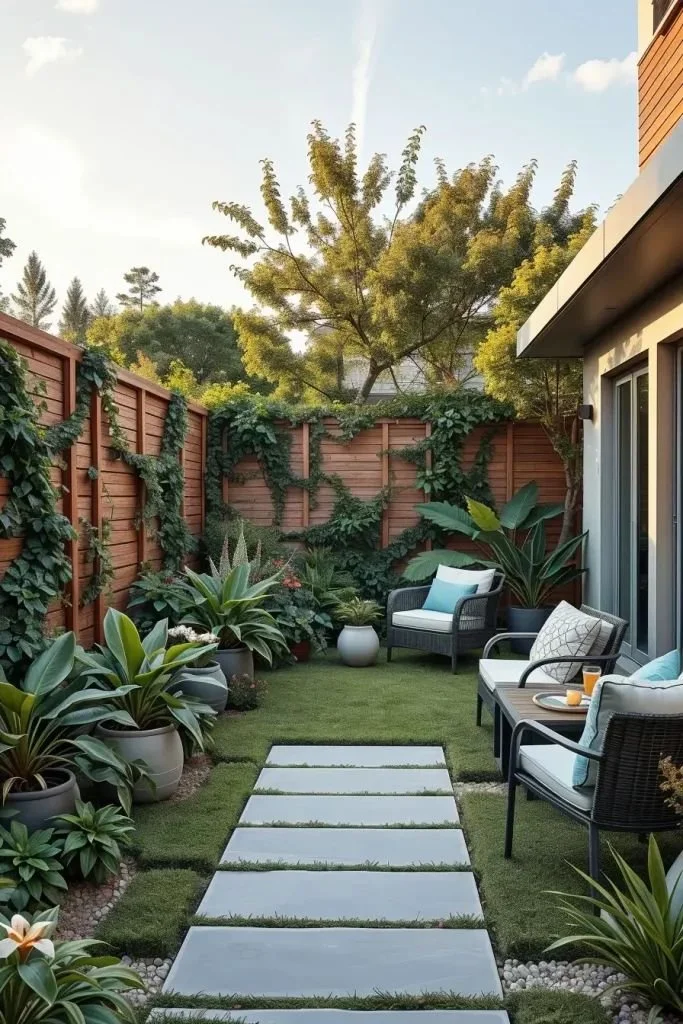
Imagine stepping into your backyard and being welcomed by a living tapestry: vines that trail like soft green paint across weathered wood, pockets of flowers popping like confetti against the neutral grain, and the low hum of pollinators threading the air. Garden-inspired fence landscaping is more than a border — it’s an outdoor room divider that breathes, offers texture, and invites long, slow afternoons. In 2026 the trend is about layering natural elements with functional design: trellises that double as privacy screens, planter boxes that anchor seating nooks, and mixed-material fences softened with foliage and seasonal blooms.
This approach mixes the tactile: the roughness of reclaimed wood, the cool gleam of metal planters, the feathery softness of ornamental grasses and the waxy sheen of succulents. Colors balance the organic — aged cedar browns, slate greys, and dusky greens — with bright accent blooms and the warm glow of café lights at dusk. The mood is relaxed but curated: cozy corners for reading, a lively backdrop for summer parties, and a calming visual rhythm for daily life.
Garden-inspired fence landscaping matters because the fence is no longer an afterthought. It transforms functionality — privacy, windbreak, boundary — into personality and comfort. An artful fence invites neighbors to admire, provides a canvas for seasonal updates, and creates cozy microclimates for plants and people alike. It’s perfect for anyone preparing for backyard gatherings, refreshing for the spring season, or looking for renter-friendly ways to add personality without permanent demolition.
If you’re refreshing for spring, updating a modern property, creating a cozy corner for morning coffee, making renter-friendly changes, or decorating on a budget for holiday entertaining, garden-inspired fence landscaping fits. For more visual inspiration that pairs well with these ideas, check out this collection of unique ways to decorate a backyard privacy fence.
Decor Details
Garden-inspired fence landscaping is a hybrid decor piece: part living art, part structural feature. It treats the fence as canvas for plants, lighting, and functional accessories like planters, shelves, and hooks.
- Main style: Modern-natural with touches of cottage and rustic depending on materials.
- Typical colors, materials, textures: Reclaimed or stained wood, powder-coated metal, terracotta and ceramic planters, woven baskets, living greenery (vines, climbers, herbs), and soft textiles for adjacent seating.
- Best zones: Backyard borders, patio perimeters, balcony dividers, and entryway fences.
- DIY vs. buying ready-made: Mix — basic planters and trellises are easy DIY or store-bought; custom woodwork or integrated irrigation can be more advanced.
Why It Works
Garden-inspired fence landscaping reshapes the visual flow of an outdoor space. A fence lined with vertical planters or a staggered trellis creates a layered backdrop that pushes the eye upward, making a small yard feel taller and more intimate. When paired with lighting — string lights or uplights — it adds a dynamic focal point that shifts with the daylight and the season.
Emotionally, a living fence softens the edges of modern life. It encourages slower moments: a cup of tea beside jasmine-scented lattice, the quiet pleasure of clipping herbs for dinner, or the satisfying rhythm of seasonal planting. Practically, it answers common yard problems: limited planting space (use vertical planters), privacy gaps (layered climbers), and bland boundaries. Imagine an evening with friends: a fence outfitted with low bistro lights, potted lavender, and a narrow shelf for drinks becomes the setting, not just the backdrop.
Why Choose It
Perfect For…
Garden-inspired fence landscaping is ideal for renters who want temporary but impactful upgrades, families who need kid‑safe planting zones, small‑space gardeners maximizing vertical area, and design lovers craving a high-impact, low-cost refresh. Beginners will appreciate starter kits of trellis-and-planter combos; seasoned gardeners can integrate seasonal rotations and native plantings.
Key strengths include affordability (start small with a few planters), flexibility (remove or replace elements each season), and timeless appeal (natural materials age gracefully). It’s a problem-solver: a blank wooden fence becomes a fragrant privacy wall, a sun-baked corner transforms into a shaded herb row, and a neglected perimeter morphs into a pollinator corridor.
Real-life example: an empty fence between condos felt like wasted space. Adding staggered wooden planters with trailing ivy and colorful annuals filled the visual gap, added privacy, and created a narrow gardening bench for children — solving lack of ground soil and providing play-and-learn moments.
How to Style Backyard Fence Landscaping Ideas 2026: Garden-Inspired Fence Landscaping
{ingredients}
Main items:
- Sturdy fence (wood, metal, or composite)
- Trellis panels or climbing wire system
- Planter boxes (wood, metal, or resin) and hanging pots
- Fasteners appropriate to your fence material (screws, heavy-duty hooks)
- Potting mix and plants (climbers, herbs, ornamentals)
- Outdoor string lights or spot uplights
Optional upgrades:
- Built-in drip irrigation or self-watering planters
- Decorative ceramic or metal wall pockets
- Slate or small stone backsplash behind planters for accents
- Cushioned bench, outdoor rug, and side table for seating nook
Budget substitutions:
- Recycled pallets or wine crates as planters
- Thrifted metal buckets or galvanized troughs from salvage stores
- Stained plywood trellis instead of custom lattice
- Use inexpensive annuals mixed with a few perennials for long-term impact
{directions}
- Assess sun and wind exposure. Choose climbers and plants suited to full sun, part shade, or deep shade. Tip: match plant selection to microclimates along the fence — south-facing sections can take heat lovers like bougainvillea or rosemary; north-facing prefers ferns and hostas.
- Clean and prep the fence. Repair loose boards, sand rough edges, and apply stain or sealant if needed. Tip: dark stains recede visually and make plant colors pop; light stains read more coastal.
- Layout before attaching: hold planters and trellis up to test spacing. Aim for a rhythm (e.g., planter every 3–4 feet, trellis sections 6–8 feet apart). Tip: maintain a 6–8 inch gap between planter fronts and seating for easy flow.
- Install structural supports. Use recommended fasteners for your fence material. For renters, consider freestanding planter systems or tension-mounted trellises. Common mistake: overloading small fence posts; fix by distributing weight across multiple studs or using freestanding frames.
- Add soil and plants, mixing heights and textures. Combine trailing vines in the back, mid-height perennials, and low herbs or succulents in front. Tip: repeat plant varieties every 6–8 feet to create cohesion.
- Integrate lighting. Hang warm LED string lights above or install low-voltage uplights at the fence base to highlight textures. Tip: warm bulbs around 2700K enhance wood grain and create a cozy glow.
- Watering and irrigation. Start with hand-watering to settle plants, then consider drip irrigation for consistency. Common mistake: overwatering container plants; use well-draining soil and liners with drainage holes.
- Add seasonal accents. Swap out annuals, hang decorative lanterns, or drape fabric for summer shade. Tip: install removable hooks so you can change decor without new holes.
- Furnish the space. Place a narrow bench or compact bistro set near the fence to create interaction with the living wall. For small yards, use foldable furniture to maintain circulation.
- Maintain a schedule. Deadhead, prune, and refresh soil annually to keep the fence lush and tidy.
Showcasing Ideas
A garden‑styled fence works across settings. In an entryway, a vertical herb wall offers scent and function — guests are greeted by mint and rosemary. In the living area adjacent to a patio, use a layered fence to anchor an outdoor sofa and create a soft backdrop for cushions and lanterns. For a bedroom that opens outside, a fence planted with jasmine and night-blooming stock provides scent and calm in the evenings. Consider pairing the fence with a rustic fire pit idea for your backyard to create a magnetic gathering spot.
Pairing suggestions:
- Plants + lighting: fairy lights woven through climbers, low uplights for texture.
- Textile pairings: weatherproof cushions, a woven rug, and throws for cozy evenings.
- Accessory balance: mirror panels to bounce light, metal planters to add modern contrast.
Small-space idea: vertical pocket planters and skinny shelves for potted succulents keep footprints minimal. Large, open-plan yards: combine longer stretches of trellis with freestanding planter islands and mixed-height shrubs to create rooms within the garden.
How to Maintain
Treat materials appropriately: wood fences and planters should be sealed annually to resist moisture; metal planters can be wiped down and checked for rust spots. For fabric cushions and outdoor rugs, follow manufacturer cleaning instructions — typically spot-clean and air-dry or use mild soap and water. Ceramic and terracotta pots may develop mineral deposits; wipe with vinegar solution if needed.
Dust and plant care: lightly dust hard surfaces monthly, prune vines every 6–8 weeks in growing season, and refresh topsoil annually. Seasonal storage: move delicate pots to a sheltered area or wrap them if freezing winters threaten cracking. To keep the scheme looking fresh over time, rotate seasonal flowers, swap textiles every year for a color update, and keep a maintenance checklist (watering schedule, fertilizing, pruning).
Decor Expert Tips
- Use odd numbers for planter groupings (3, 5) to feel natural and balanced.
- Anchor tall plants at the ends of fence runs to frame views.
- Layer textures: pair glossy-leaved plants with feathery grasses for depth.
- Warm lighting (2700K–3000K) makes outdoor evenings feel intimate.
- For renters, use freestanding or tension-mounted systems to avoid permanent holes.
- Mix metals and woods in small doses; let one material dominate to avoid visual chaos.
- Keep a small toolkit (pruners, twine, plant feed) near the fence for quick touch-ups.
Creative Variations
- Minimalist: Clean lines, black metal planters, a monochrome palette of greens and whites, and streamlined climbers like clematis. Perfect for modern homes wanting calm, architectural backdrops.
- Cozy Cottage: Reclaimed picket-style fence, mixed ceramic pots, roses and lavender, and vintage lanterns. Embrace slightly chaotic planting and seasonal swaps for a lived-in feel.
- Budget-Friendly: Use painted pallets, thrifted metal buckets, and a mix of inexpensive annuals with a few perennials. Great for renters or first-time gardeners who want instant impact without big spend.
Frequently Asked Questions
Q: Can I do garden-inspired fence landscaping in a small apartment balcony?
A: Absolutely. Use vertical pocket planters, railing planters, and lightweight pots. Focus on one side for impact and choose compact plants suited to containers.
Q: Is this renter-friendly?
A: Yes — choose freestanding planters, tension-mounted trellises, or systems that clamp to railings without drilling. Keep everything removable for easy move-out.
Q: How do I match fence plants with existing outdoor furniture and colors?
A: Pick one accent color from your existing textiles and repeat it in a few flowering plants or pots. For neutral furniture, bolder blooms add personality; for colorful furniture, stick with green foliage and white or pale blooms.
Q: Where can I find good quality items without overspending?
A: Look for local salvage yards, seasonal garden centers, and community plant swaps. Thrift stores and online local marketplaces often have pots and decorative items at low cost.
Q: How should I store planters and lights for winter?
A: Empty and dry soil from frost-prone pots, store delicate lights indoors, and stack ceramic pots in straw in a cool dry place to avoid cracking.
Conclusion
Garden-inspired fence landscaping turns a border into a living, functional, and beautiful element of your home. Whether you’re creating a cozy nook for morning coffee, adding privacy for evening gatherings, or simply giving a fence a personality refresh, these ideas work across styles and budgets. Try a small section first — a trio of planters and a trellis — and watch how the space invites you to linger.
For more visual inspiration on wood fences and planting treatments, explore this gallery of 75 beautiful wood fence landscaping ideas, and if wildlife and deer are a concern, learn practical approaches in this guide to deer-resistant, fence-free garden solutions.
Share your fence transformations and questions in the comments below — we love seeing how readers make these ideas their own. For more backyard inspiration and seasonal styling tips, keep exploring Moderndecorum.com and join our community.