Best 15 Purple Bathroom Aesthetic Ideas to Try in 2025
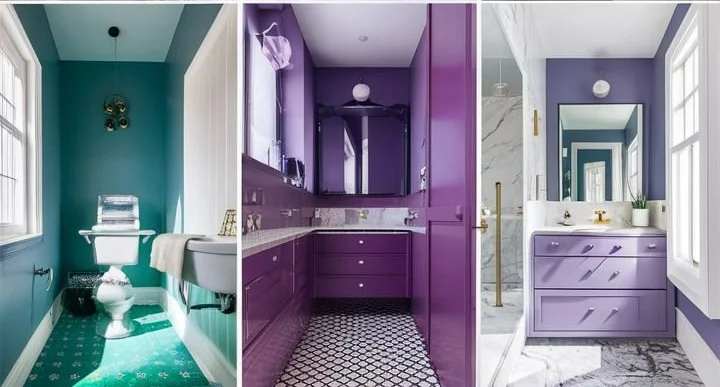
Imagine stepping into a bathroom that feels like a secret garden at dusk — soft purple walls that catch the last light, velvety towels that invite you to linger, and metallic accents that wink like stars. Purple in a bathroom isn’t just a color choice; it’s an atmosphere. From lavender pastels that soothe the senses to saturated eggplant tones that read as sophisticated and sultry, purple offers a spectrum of moods and textures that elevate routine moments into small rituals.
A purple bathroom can feel plush and luxurious, or bright and modern — depending on the finishes you choose. Pair soft lilacs with matte white tiles and warm wood for a Scandinavian‑soft vibe; bring in glossy plum tiles and brass hardware for full‑on glam. Tactile textiles (plush bathmats, waffle towels), reflective surfaces (mirrored trays, chrome fixtures), and layered lighting (vanity, wall sconces, and dimmable LEDs) complete the scene so every shower or soak becomes an intentional act of self‑care.
This aesthetic matters because bathrooms are increasingly more than functional: they’re private sanctuaries, guest‑ready spaces, and a place where a bold design choice can pay off every day. A purple palette lets you add personality without overwhelming a small footprint, and it scales from renter‑friendly accents to full reno statements. Whether you’re planning a seasonal refresh for spring, creating a cozy corner for winter baths, updating for a modern look, or styling for a holiday gathering, these purple ideas have something to offer.
If you’re a student or renter looking for big impact on a modest budget, check out practical organizational and styling tips that translate across spaces like the ones in this helpful guide to decorating a tight space: 10 best dorm organization ideas. These ideas will help you bring purple into your bathroom in ways that feel intentional and achievable.
Decor Details
Purple bathroom aesthetics cover a range of decor items — wall finishes, textiles, lighting, hardware, art, and small furnishings that together define the mood. You’ll find this look across styles from modern minimalist to boho, glam, and even coastal with a purple twist.
- Item types: Paint or tile accent walls, shower curtains, bath mats, towels, vanity hardware, shelving, wall art, pendant lighting, mirrors, and plants.
- Main styles: Modern, glam, Scandinavian‑soft, boho, and contemporary eclectic.
- Typical colors/materials/textures: Lilac, lavender, mauve, amethyst, plum, eggplant; materials like matte and glossy ceramic tile, velvet or Turkish cotton textiles, brass/rose‑gold/copper metals, natural wood, and frosted glass.
- Best rooms/zones: Primary bathrooms, guest baths, powder rooms, ensuite vanities, and small spa corners.
- DIY vs. store‑bought: Mix — easy DIY for paint, textiles, and accessories; mostly store‑bought for fixtures and tiles unless you’re comfortable with advanced DIY.
Design Impact
A purple palette transforms a bathroom by redefining its focal points and the way light behaves in the room. Lighter lavenders bounce light and make compact spaces feel airy and indulgent, while deeper plums absorb light for an intimate, spa‑like atmosphere. Use glossy tiles to reflect light and add depth, or choose matte surfaces for a contemporary, tactile feel.
Emotionally, purple suggests calm and creativity. Soft shades are restful — great for unwinding after a long day — while richer plums feel luxurious and confident, perfect for hosting or making everyday rituals feel special. Practical benefits include clear zoning: a purple accent wall instantly anchors a vanity or tub area, while matching towels and mats create cohesion. Add open shelving or a compact vanity with storage to keep countertops clutter‑free and uphold the relaxing vibe during busy mornings.
Imagine a late‑Sunday evening: dimmer switched low, a lavender candle scent in the air, and a towel in a deep plum shade waiting on a ladder towel rack. That small, sensory contrast — soft light, warm textile, and a cool ceramic sink — is what makes purple bathrooms memorable.
Why Choose It
Purple bathrooms are ideal for people who want a bit of personality without sacrificing timelessness. Renters can make impact with removable elements; homeowners can lean into permanent finishes for resale appeal. Small apartments benefit from strategic use of light purples to avoid the “dark cave” effect, while larger homes can carry dramatic shades across an ensuite or powder room.
Key strengths:
- Affordable to test via textiles and paint.
- Flexible — pairs with neutrals or bold metallics.
- Timeless when balanced with classic materials (white subway tile, natural wood).
- Scales well from small powder rooms to luxurious master baths.
A real‑life problem this solves: a bland, white powder room that feels utilitarian. Add a plum accent wall behind the pedestal sink, a patterned purple shower curtain, and a brass mirror — the space instantly reads as intentional and welcoming. For renters with limited renovation options, replacing towels, adding peel‑and‑stick tiles, or using a temporary wallpaper are easy fixes that create big visual change without permanent modification.
How to Style Best 15 purple bathroom aesthetic Ideas Try At 2025
Ingredients (what you’ll need)
- Main items: Purple paint or peel‑and‑stick tile, towels (various shades), bath mat, shower curtain (if applicable), accent wall art, mirror, soap dispenser and tray.
- Lighting: Dimmable vanity lights, warm LED bulbs, a small pendant or sconce.
- Hardware & finishes: Brass/rose‑gold/copper or matte black faucets and towel bars.
- Optional upgrades: Velvet stool, ladder towel rack, eucalyptus or potted plants, scented candles, mirrored tray, woven baskets.
- Budget substitutions: Thrifted frames re‑sprayed in metallics, inexpensive IKEA shelving, secondhand brass trays, fabric shower curtains dyed or printed for color.
Directions (step‑by‑step)
- Determine the tone: sample small paint swatches in your bathroom’s lighting at different times of day. If your bathroom has north light, favor warmer lavenders; for south light you can go richer.
- Choose the focal point: pick one feature to highlight — vanity wall, tub surround, or full accent wall behind the toilet. This prevents color overload and creates balance.
- Start with textiles: replace towels, bathmat, and shower curtain with purple hues that span light to dark for depth. Textiles are the easiest way to test the palette.
- Add a statement mirror or art: select a mirror with a warm metallic frame or a piece of wall art with purple undertones to anchor the space visually.
- Layer lighting: install warm LED bulbs and a dimmer for mood control. A small pendant over a freestanding tub or sconce beside the mirror adds sculptural interest.
- Accessorize in threes: group soap dispenser, small plant, and tray near the sink for a styled vignette that feels curated, not fussy.
- Introduce texture: a woven basket, wooden stool, or velvet cushion on a nearby bench gives tactile contrast to tile and ceramic.
- Choose coordinated hardware: swap out towel bars and faucets for a consistent metal finish to unify the look.
- Balance with neutrals: if your purple is strong, offset with white or warm wood to keep the space feeling fresh and not heavy.
- Finalize with scent and greenery: eucalyptus sprigs or a small potted plant and a lavender‑based candle complete the sensory experience.
Common mistakes to avoid:
- Using too many different shades of purple at once — stick to 2–3 related tones.
- Ignoring lighting — deep purples need good layered lighting to avoid a cave effect.
- Overloading metallics — pick one primary metal finish and use it consistently.
Presentation Tips
A purple bathroom aesthetic can be showcased in many rooms and scales. For a small powder room, an eggplant feature wall paired with a round brass mirror creates drama without overpowering the footprint. In a full bath, repeat purple accents in towels, a tiled backsplash, and a patterned floor rug to unify the palette across zones.
Pairings that work beautifully:
- Plants: trailing pothos or a small fern softens the palette and introduces life.
- Candles & diffusers: lavender, bergamot, or sandalwood scents enhance the theme.
- Rugs & throws: Turkish cotton bath rugs or woven mats add texture and warmth.
- Mirrors & trays: mirrored surfaces amplify light; a metallic tray keeps essentials organized and chic.
- Shelving & baskets: open shelving with woven baskets keeps storage tidy and stylish.
Small space idea: Use a lavender shower curtain, compact ladder shelf for towels, and a single piece of purple artwork to suggest color without heavy commitment. For larger, open‑plan bathrooms: create zones — a plum tub alcove, lilac vanity wall, and neutral tile field — so the color reads as intentional design rather than overwhelming. For entryway transition tips and statement‑making techniques that translate to bathroom styling, see this creative entryway guide: 10 unique decor ideas for a statement entryway.
How to Maintain
To keep purple elements looking fresh, follow simple care routines. For textiles, wash towels and bathmats in cool water with a color‑protecting detergent to prevent fading; avoid high heat in the dryer for velvet or delicate fibers. For painted walls, use a damp microfiber cloth for spot cleaning and a gentle bathroom cleaner for tile surfaces.
Metal fixtures need gentle cleaning — wipe brass or copper with a soft cloth and use a mild soap solution for stubborn spots, drying thoroughly to prevent watermarks. For peel‑and‑stick tile or wallpaper, avoid abrasive cleaners and keep humidity regulated with an exhaust fan to extend longevity. Rotate textiles seasonally to prevent wear in high‑use spots and store off‑season throws or seasonal accents in breathable storage bins away from direct sunlight and moisture.
Designer’s Advice
- Stick to a 60:30:10 rule for color balance — 60% neutral, 30% secondary (like wood or white tile), 10% purple accents.
- Use warm bulbs (2700–3000K) to flatter purple hues and keep the mood cozy.
- Mix one high‑gloss finish with one matte finish to create visual depth without clutter.
- Anchor deep purples with light countertops or mirrors to maintain brightness.
- Test paint in small patches and live with samples for a week before committing.
- When mixing metals, use a dominant metal and a secondary metal for small accents (towel hooks, trays).
- Keep patterns simple in a small bath — a geometric tile or a single patterned curtain works better than multiple prints.
Creative Variations
- Minimalist Lavender Retreat: Soft lilac walls, white floating vanity, matte black hardware, single potted plant. Budget: mid‑range if swapping fixtures; low if you focus on paint and textiles.
- Glam Plum Powder Room: Deep plum paint, marble countertop, brass mirror, crystal sconce, velvet hand towels. Luxury feeling with mid‑range investment by choosing one high‑impact piece (mirror).
- Boho Mauve Spa Corner: Mauve walls, patterned floor tile, wooden stool, rattan baskets, macramé wall hanging. Perfect for holiday hosting or creating a cozy everyday ritual. Budget version: thrift frames, DIY macramé, and thrifted textiles.
Frequently Asked Questions
Q: Can I use purple in a very small bathroom without making it feel cramped?
A: Yes — choose lighter lavenders and keep most large surfaces neutral. Use purple as an accent on one wall, textiles, or art.
Q: Is this renter‑friendly?
A: Absolutely. Focus on removable elements: shower curtains, peel‑and‑stick tiles, towels, art, and temporary wallpaper.
Q: How do I match purple with existing furniture or tile?
A: Find the undertone of your current finishes (warm vs. cool) and pick purple shades with similar undertones. Warm wood pairs best with warmer purples; cool tiles pair with bluish lavenders.
Q: Where can I source quality items without overspending?
A: Look for sales on textiles, shop thrift stores for frames and trays to refinish, and consider entry‑level tile alternatives like peel‑and‑stick for a luxe look on a budget.
Q: What’s the best way to store seasonal purple decor?
A: Use breathable fabric bins stored in a cool, dry place; avoid direct sunlight to prevent fading. Rotate items to avoid permanent creasing or discoloration.
Conclusion
Ready to make your bathroom feel new again? Whether you want a subtle lavender whisper or an opulent plum statement, these purple ideas give you the tools to craft a space that feels intentional, calming, and stylish. For broader inspiration on bathroom layouts and materials, explore this guide to 15 modern bathroom designs & trends to try out in 2025. If you’re thinking about adding an accent wall as part of your purple plan, read expert advice on choosing the best dark accent colors here: The 15 Best Dark Accent Wall Paint Colors (neutrals).
Try one idea this weekend — swap towels, test a paint swatch, or style a small tray near the sink — and share your photos or questions in the comments. For more room‑by‑room inspiration and practical how‑tos, keep exploring Moderndecorum.com and join our community for seasonal trends and styling tips.