Table of Contents
Why This Decor Idea Matters
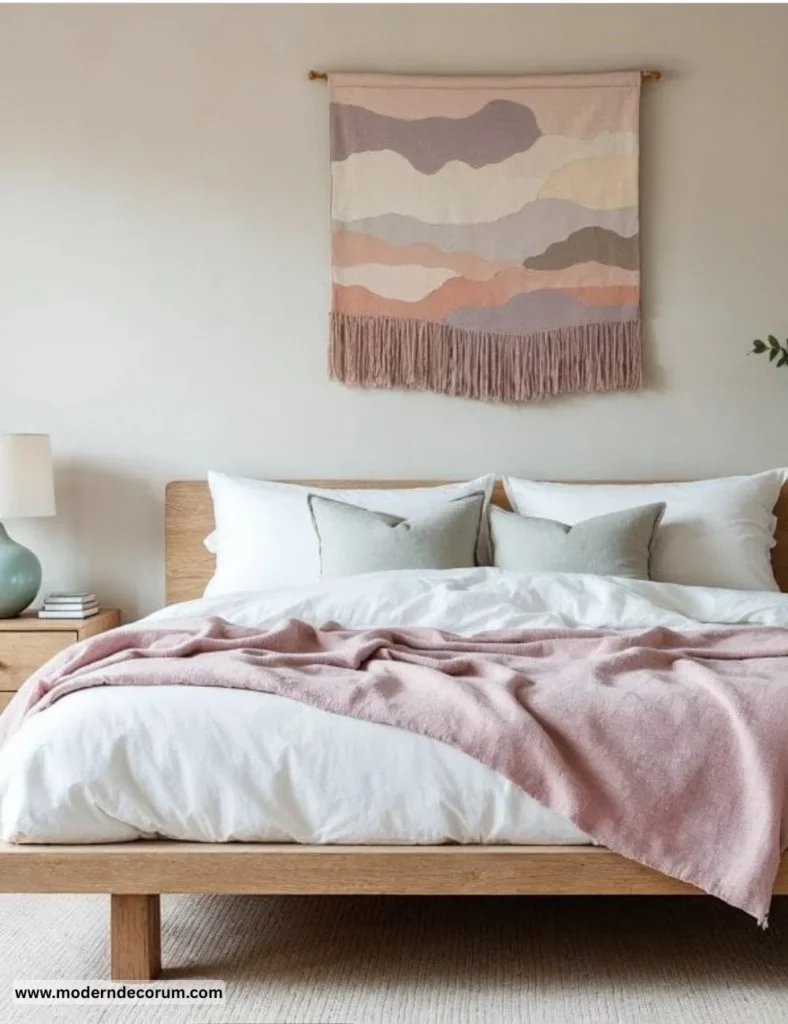
Fabric wall art is an often-overlooked way to transform your home, offering far more than just a decorative touch. Unlike traditional prints or paintings, fabric pieces introduce texture, color, and depth, creating visually captivating interiors.
With a tactile presence—whether woven tapestries, quilted panels, or repurposed vintage textiles—fabric wall art not only enhances aesthetics but also adds functional benefits. It softens acoustics, provides warmth, and fosters a cozy, inviting atmosphere.
Today’s design trends emphasize sustainability, making repurposed or secondhand fabrics a perfect choice for eco-conscious living. Celebrating authenticity and handcrafted details, fabric wall art is ideal for those seeking a personal, stylish, and meaningful home environment.
What You’ll Need
Before you begin, gather some essential materials and inspiration for your project:
- Fabric of choice – This is the star of the show. Choose from bold prints, natural fibers, vintage scarves, or repurposed upholstery fabric.
- Canvas or wooden frame – Provides structure to stretch or mount your fabric. Opt for ready-made canvases or DIY wooden frames.
- Staple gun or upholstery tacks – Keeps fabric secure and neatly in place.
- Scissors and measuring tape – For clean cuts and precise sizing.
- Optional extras:
- Embroidery hoops – Perfect for small, circular displays.
- Velcro or hanging strips – For lightweight pieces.
- Shadow boxes – To frame layered or 3D fabric art.
Budget-friendly sourcing tips:
- Thrift shops and flea markets often carry vintage linens, scarves, or tapestries at low cost.
- Fabric remnants from upholstery stores or craft shops make affordable bases.
- For a luxury look, invest in designer textiles or handcrafted artisanal fabrics.
Decorating Steps
Ready to bring fabric art into your home? Follow these steps for a flawless result:
1. Choose Your Fabric
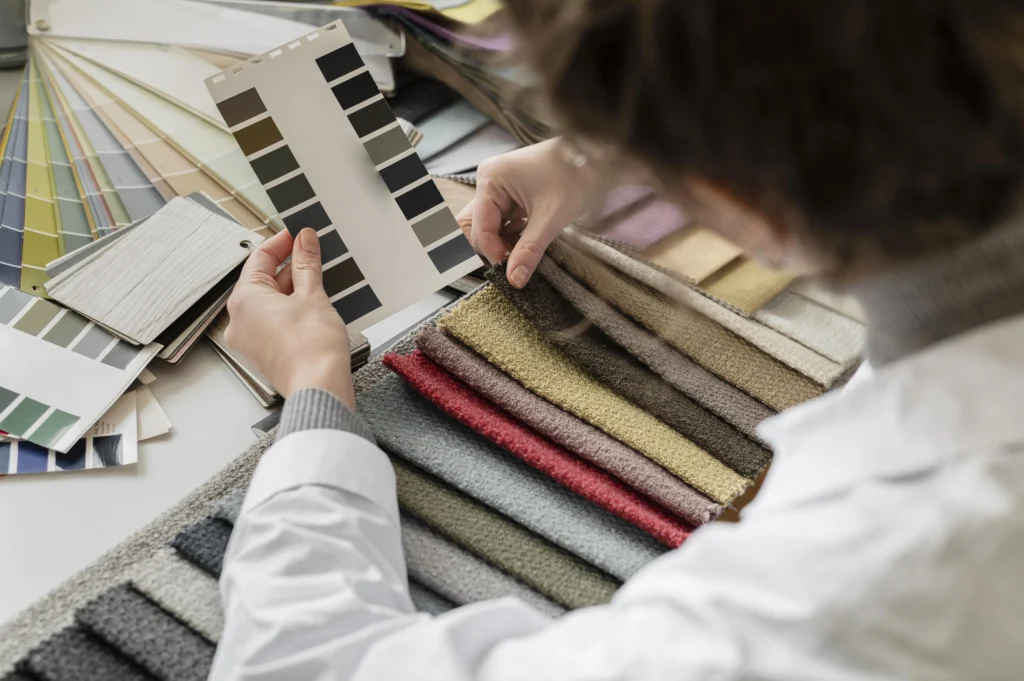
Select fabric that resonates with your personality. Go bold with geometric prints, calming with natural linen, or nostalgic with vintage patterns.
Pro tip: Large-scale prints make a dramatic statement on big walls, while smaller patterns work well in compact spaces.
2. Prepare the Frame
Decide whether you’ll use a pre-stretched canvas, embroidery hoops, or a custom wood frame. Make sure it’s sturdy and proportionate to the wall space.
Pro tip: Oversized frames create instant impact, especially in living rooms or entryways.
3. Cut and Stretch the Fabric
Lay the fabric flat, ensuring the pattern is centered. Stretch it over the frame and secure with a staple gun at the back. Smooth wrinkles as you go.
Pro tip: Always start stapling from the center outward to avoid puckering.
4. Add Finishing Touches
Trim excess fabric and ensure neat edges. If desired, add embellishments such as embroidery, layered fabrics, or textile paint.
5. Hang Your Artwork
Use picture hooks, wall strips, or even a gallery-style arrangement for multiple pieces. Consider lighting to highlight textures.
Pro tip: Position fabric art at eye level for the most inviting effect.
Design Tips & Variations
Fabric wall art is endlessly versatile. Here are some creative twists:
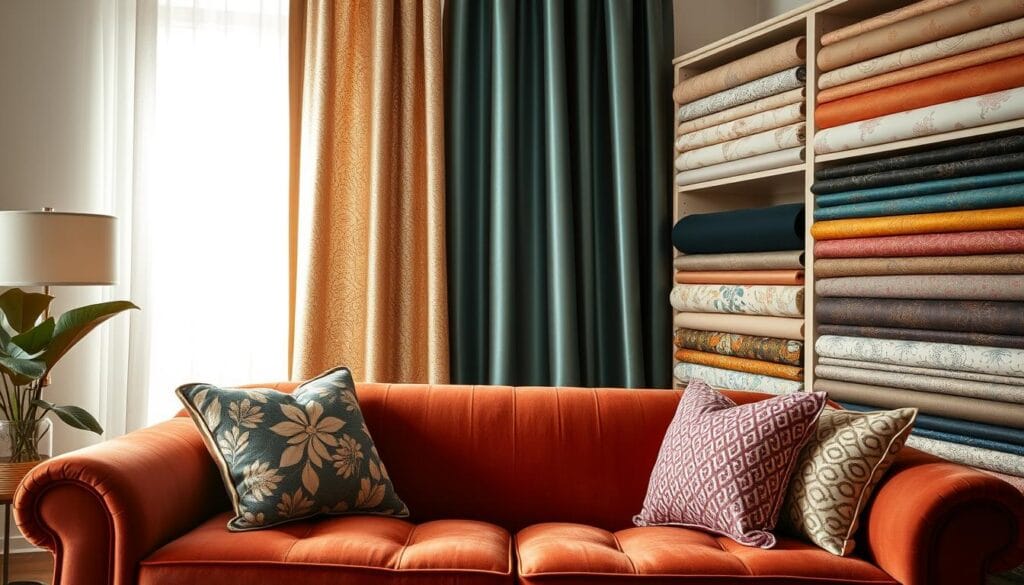
- Play with color accents – Introduce fabrics that echo your sofa cushions, rugs, or curtains for cohesion.
- Mix and match – Combine several smaller frames with different fabrics to create a gallery wall.
- Seasonal updates – Swap light cottons or pastel prints in summer for cozy wool, velvet, or jewel tones in winter.
- Texture layering – Pair smooth silks with rougher linens or knits to add dimension.
- Personal touch – Repurpose meaningful fabrics like a family quilt, travel souvenirs, or heirloom textiles for sentimental value.
FAQ / Common Challenges
Q: How do I adapt fabric wall art for small rooms?
A: Use lighter fabrics in soft hues to avoid overwhelming the space. Small embroidery hoops or narrow panels work well for compact walls.
Q: What if my fabric wrinkles after mounting?
A: Lightly mist with water and use a hair dryer to smooth out wrinkles. Always test on a hidden spot first.
Q: Can I use fabric wall art in humid rooms like bathrooms?
A: Yes, but choose mildew-resistant fabrics like synthetic blends and make sure the room is well-ventilated.
Q: Do I need professional framing?
A: Not at all. DIY frames are cost-effective, and simple canvases work beautifully. Save professional framing for heirloom or delicate fabrics.
Conclusion & Call to Action
Fabric wall art is more than decoration—it’s a story, a texture, and a personal expression woven into your home. From thrifted treasures to designer textiles, this versatile decor idea brings warmth, depth, and individuality to any room. Whether you’re aiming for a minimalist vibe with neutral linens or a bold statement with patterned prints, the possibilities are endless.
So, why not transform that blank wall into a conversation piece? Start small with a single fabric frame or go bold with a gallery wall of textiles. The beauty lies in making it uniquely yours.
Which fabric would you love to showcase in your home first?