
Best 15 Lavender and Green Bedroom Ideas to Try in 2025
Imagine stepping into a bedroom that feels like the hush between rain and sunlight: soft lavender walls catching the afternoon glow, a mossy-green throw folded across the foot of the bed, and tactile layers—linen, boucle, and raw wood—that invite you to linger. Lavender and green together create a palette that breathes—balanced between cool serenity and natural warmth. It’s part garden, part spa, part boutique hotel; a color story that soothes the mind while still feeling spirited and modern.
This combination works in whispers and in statements. A pale lavender wall paired with deep olive accents reads contemporary and calm; brighter lilac and fresh pea-green feel playful and youthful. Texturally, think fuzzy cushions, matte pottery, woven jute rugs, and aged brass lamps. The mood ranges from tranquil and restorative to lively and creative—perfect for bedrooms where you sleep, read, get ready, or work in snippets during the day.
Lavender-and-green bedrooms matter because they answer a very real need: homes that support emotional well-being. After long days, our private spaces should encourage rest without being boring. This palette helps create atmosphere—soft, restorative lighting; layered textiles that invite touch; and plant life that brings oxygen and an organic connection to the outdoors. Whether you’re hosting guests, creating a cozy reading nook, or styling a rental that needs a quick, renter‑friendly refresh, these ideas translate easily across lifestyles.
If you’re planning a seasonal refresh, prepping your home for a gathering, working within a tight rental budget, or simply updating a tired room for a modern look, these 15 ideas give flexible options—many of them simple swaps or DIYs. For more purple inspiration beyond the bedroom, see our guide to purple bathroom aesthetic ideas to spark cross-room color continuity.
Decor Details
Lavender and green bedroom design blends decor pieces, textiles, wall treatments, lighting, and accent furniture. The look typically pairs painted walls or wallpaper (lavender or muted greens) with complementary furnishings, layered rugs, and botanical touches.
- Main style: modern romantic with boho or Scandinavian influences—mixing clean lines with soft textures.
- Typical colors/materials/textures: pale lilac, lavender-gray, sage, olive, moss; natural woods, linen, velvet, boucle, matte ceramics, and warm metal accents like aged brass or satin gold.
- Best rooms/zones: master bedroom, guest room, small home office inside the bedroom, and cozy reading corners.
- DIY vs. store‑bought: mix — easy DIY (paint, cushions, simple art) combined with store-bought furniture and lighting for a polished look.
Why It Works
This palette shifts a bedroom’s visual gravity. Lavender, being a cool, slightly desaturated hue, reflects light softly and makes walls recede a touch—ideal for small rooms. Green brings the grounding element: olive and moss anchor your bed and furnishings, while brighter greens add personality without overwhelming the space. Together they create balance—airiness tempered by earthiness.
Emotionally, lavender calms; it’s associated with relaxation and restfulness. Green is nurturing and renewing, often linked to nature and balance. When combined, they create a space that feels both restorative and alive—perfect for unwinding, gentle creativity, or quiet mornings with coffee and a book. Practically, this scheme helps hide everyday wear: sage and olive tones are forgiving with dust and light stains, while lavender hues hide minor scuffs on painted trims.
In day-to-day life, this decor works for reading before bed (soft task lighting, a plush chair), remote work in the bedroom (a compact desk paired with a soothing color backdrop), and hosting overnight guests (neutral bedding accented with lavender and green throws feels hotel-calm). You end up with a room that supports sleep, comfort, and low-key hospitality.
Perfect For…
This approach is ideal for renters, busy parents, creative professionals, and anyone who wants a calming sanctuary without sacrificing style. Renters appreciate that most of the look relies on textiles and furniture, so color experimentation can be temporary—through curtains, bedding, and removable wallpaper.
Key strengths include affordability, versatility, and timelessness. This palette can be scaled: introduce a little lavender and green through pillows in a studio apartment or commit to an accent wall and full textile swap in a larger master suite. It’s small-space friendly because lighter lavender tones open the room, and deep greens add depth without closing the space.
Problem solved: an empty or bland wall can be transformed quickly with a trio of framed botanical prints in lavender and chartreuse, balanced by a slim floating shelf with a potted plant and ceramic vase—instant focal point with budget-friendly pieces.
How to Style Best 15 lavender and green bedroom Ideas Try At 2025
{ingredients}
- Main items:
- Paint or removable wallpaper (pale lavender, lilac gray, sage or olive)
- Bed frame (wood or upholstered neutral)
- Bedding set: neutral base (white, cream, or warm gray), lavender throw, green cushions
- Area rug (natural fiber or low-pile in neutral or muted green)
- Nightstands and lighting (table lamps with warm-toned bulbs)
- Curtains (sheer or linen in neutral or soft green)
- Optional upgrades:
- Velvet accent chair in deep plum or forest green
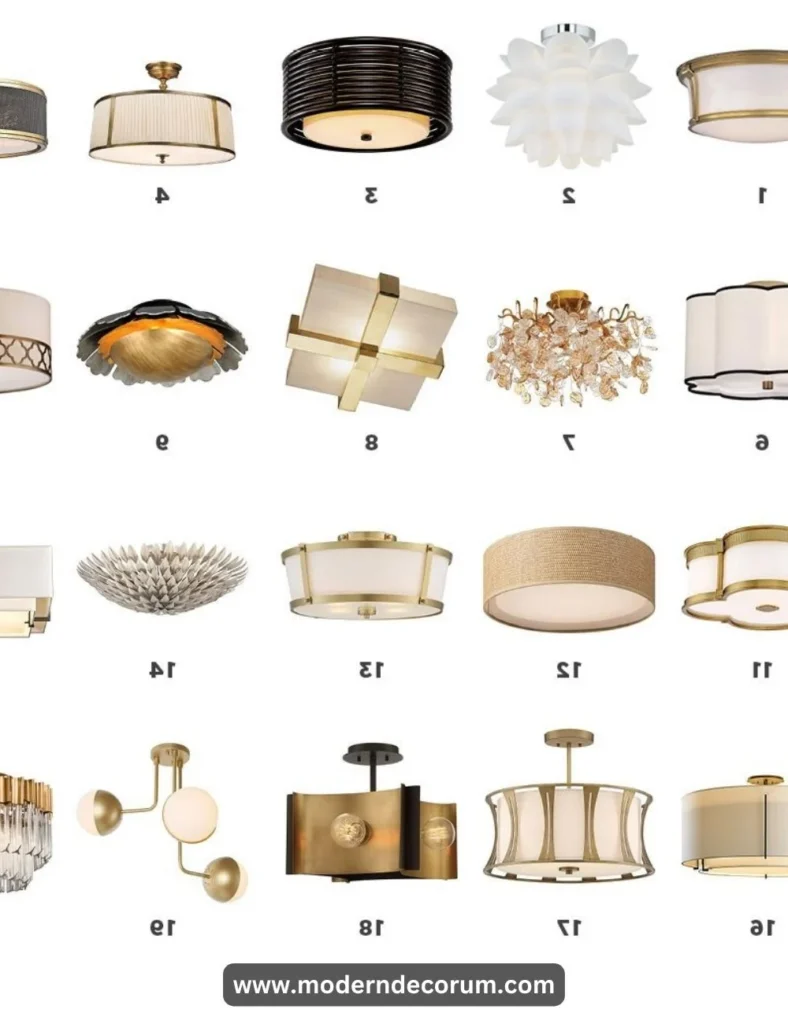
- Brass or matte black hardware and light fixtures
- Potted plants (ferns, snake plants, or trailing pothos)
- Velvet or boucle cushions and a textured throw
- Wall art: botanical prints, watercolor pieces in lavender/green tones
- Budget substitutions:
- Thrift a wooden nightstand and repaint hardware
- Make DIY pillow covers from inexpensive linen fabric
- Use peel-and-stick wallpaper for a renter-friendly accent wall
{directions}
- Pick your paint strategy first: decide whether lavender will be dominant (walls) or an accent (headboard wall, alcove). For small rooms, paint three walls a soft neutral and the headboard wall lavender to add depth without closing in the room.
- Choose a neutral base for large textiles: white or cream bedding creates a fresh backdrop and lets lavender and green accents shine. This also makes seasonal swaps easy.
- Layer textures: add a linen duvet, velvet cushions in deep green, a boucle throw in soft lavender, and a jute rug. Texture keeps two similar colors from becoming flat.
- Anchor with wood: mid-toned wooden nightstands or a reclaimed wood headboard introduce warmth and contrast the coolness of lavender.
- Balance color placement: distribute lavender and green across the room—curtains, cushions, art, and a throw—so the eye moves naturally. Avoid stacking all green on one side and all lavender on the other.
- Light it right: use warm bulbs (2700–3000K) in bedside lamps to temper cool purple tones and create a cozy glow. Add a floor lamp near a reading chair for layered light.
- Add plants: green foliage reinforces the palette and purifies air. Place taller plants in corners and a trailing plant on a high shelf to draw the eye upward.
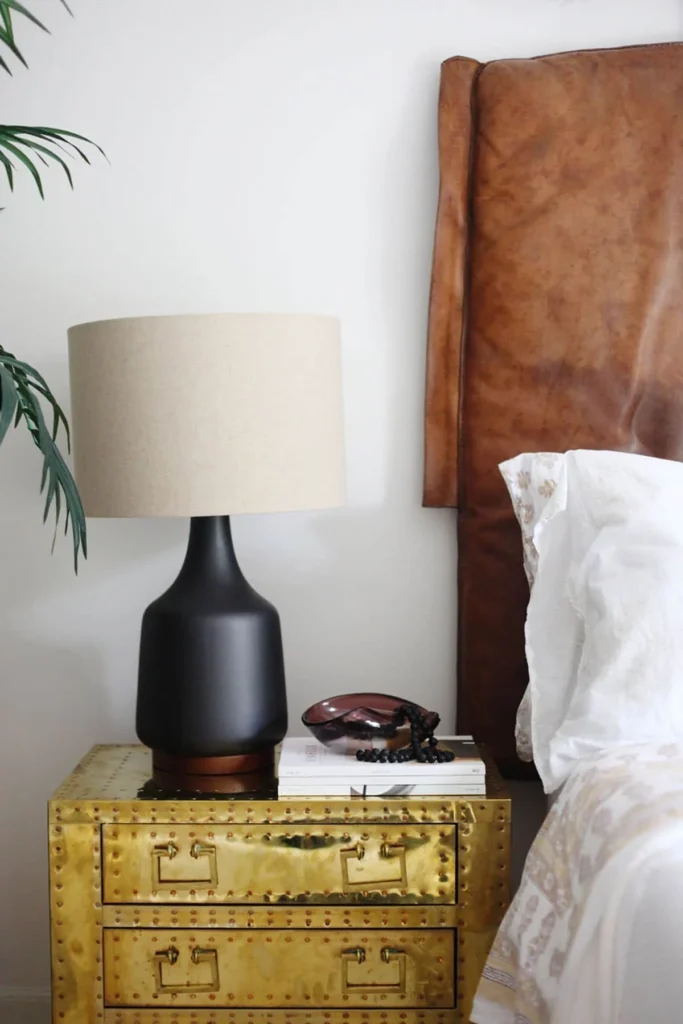
- Use metallic accents sparingly: a brass lamp or gold mirror frame adds sophistication without competing with the colors.
- Create a focal point: a gallery of botanical prints or a textured headboard in green velvet anchors the bed and provides a natural visual center.
- Finish with small touches: scented candles in lavender, a ceramic tray on the nightstand, and a woven basket for throws make the room feel lived-in and collected.
Presentation Tips
Styling lavender and green for various rooms is straightforward because the palette is flexible. In a compact studio bedroom, choose a single lavender accent wall and keep furniture minimal—floating shelves and a small bedside table maintain flow. For larger, open-plan bedrooms, consider layering zones: sleeping area with a plush green rug and seating corner with lavender textiles to create separate yet cohesive spaces.
Pairing suggestions:
- With plants: large-leafed greens and soft trailing vines echo your color scheme and add life.
- With rugs: natural fiber or low-pile rugs in cream or muted green ground the design.
- With mirrors and art: a round mirror with a thin brass frame and watercolor botanical prints in lavender tones read modern and refined.
- With throws and cushions: mix velvet, linen, and knit textures; use at least three different textures for richness.
- For small spaces: use vertical storage and mirrors to amplify light; choose a lavender bed throw rather than painting walls.
- For larger rooms: create zones with carpets and layered lighting—pendant over the bed, sconces at the sides, and a floor lamp for reading.
For more ideas on combining green with neutrals and grays, see our inspiration on green and grey bedroom inspo.
How to Maintain
Caring for these materials keeps the palette feeling fresh. Fabric care: follow washing instructions for pillows and throws—linen and cotton covers can be washed on gentle cycles; velvet and boucle benefit from spot cleaning and professional cleaning if heavily soiled. Vacuum rugs regularly and rotate them every six months to even out wear.
Dust wooden furniture weekly and wipe spills immediately to avoid staining. For painted walls, wipe scuffs gently with a damp microfiber cloth; test a small, hidden area first. Keep plants healthy with proper light and watering—dust leaves occasionally so they can photosynthesize efficiently.
Seasonal storage: swap heavier throws and darker cushions for lighter linens in spring. Store off-season textiles in breathable cotton bags to prevent mildew. Rotate art and decorative accents annually to refresh the look without major expense.
Designer’s Advice
- Stick to a 60-30-10 color rule: 60% neutral base, 30% lavender or green, 10% accent (metallic, black, or a pop color).
- Layer warm lighting (table lamps, wall sconces) to prevent lavender from reading too cool at night.
- Mix scales: pair large-leafed plants with delicate pottery for visual interest.
- Use removable wallpaper or temporary paint solutions in rentals to avoid permanent changes.
- Anchor soft palettes with one grounding element—like a mid-toned wood bed or a dark green armchair.
- Keep patterns small and intentional; a floral pillow or striped throw can complement without clashing.
- Test paint samples near the bed and look at them at different times of day before committing.
Creative Variations
- Minimalist twist: Keep walls white, add very pale lavender textiles and a single sculptural olive-green chair. Result: calm and airy with subtle color.
- Cozy/cottage version: Shiplap headboard painted in sage green, lavender floral quilt, layered quilts and wicker baskets. Result: warm, lived-in, and charming.
- Budget option: Thrift a wooden nightstand, repaint it soft lavender, use IKEA-style neutral bedding, and add DIY cushion covers in green. Result: high impact for low cost.
Frequently Asked Questions
Q: Can I mix lavender and green with existing colors like navy or beige?
A: Yes—navy adds depth and pairs well with olive, while beige keeps the palette warm and neutral.
Q: Is this look renter-friendly?
A: Absolutely. Use removable wallpaper, textiles, and free‑standing furniture to create the look without painting walls.
Q: How do I adapt this scheme for a small apartment?
A: Use lavender as an accent rather than full-wall color, choose multifunctional furniture, and maximize light with mirrors and sheer curtains.
Q: Where can I find quality items on a budget?
A: Local thrift stores, outlet shops, and budget-friendly furniture retailers offer textiles and small furnishings you can repurpose or update.
Q: How often should I refresh pillows and throws?
A: Swap lighter textiles seasonally (spring/summer vs. fall/winter) and wash covers every 1–3 months depending on use.
Conclusion
Ready to bring lavender and green into your bedroom? This combination is adaptable, soothing, and surprisingly modern—perfect for a seasonal refresh, a renter-friendly makeover, or a full-style update. For inspiration on pairing wall colors confidently, consult this Bedroom wall colour combinations guide, and if you’re planning a larger remodel, our roundup of best bedroom color schemes offers valuable direction. Share your photos, questions, or tips in the comments below, and explore more ideas at Moderndecorum.com—join the community and keep styling with confidence.