Table of Contents
Why This Decor Idea Matters
BREAK UP the scene—it’s not always about adding more in interior design; it’s about redefining what you already have. This stylish technique introduces subtle divisions within a space, helping you create areas with distinct character and function without heavy construction or major renovations.
This approach is particularly powerful in open-concept layouts or rooms that serve multiple purposes, like a living room that doubles as a home office. By visually separating zones, you give each corner of your home a sense of purpose while maintaining harmony and flow.
Designers love this concept because it blends aesthetics with practicality. It influences how we feel in a room—cozy nooks feel more inviting, while defined workspaces sharpen focus. With 2025 design trends leaning toward multifunctional, wellness-oriented interiors, breaking up the scene is more relevant than ever.
What You’ll Need
The beauty of this décor idea lies in its flexibility. You don’t need to invest in permanent walls; instead, you’ll use clever décor elements to divide and enhance your space. Here are essentials to consider:
- Area Rugs
- Purpose: Define boundaries for seating, dining, or work zones.
- Options: Affordable woven rugs from discount stores or statement Persian rugs for a luxe feel.
- Tip: Layer rugs in larger rooms for added depth.
- Room Dividers & Screens
- Purpose: Provide privacy and create instant separation.
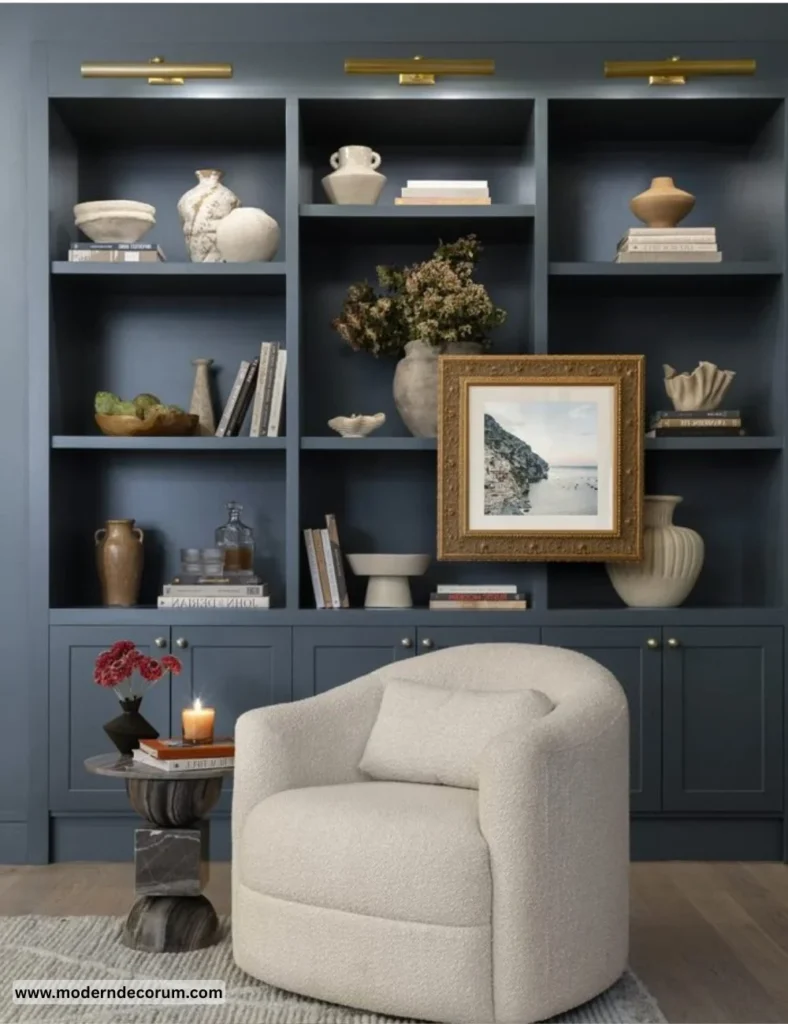
- Options: Folding screens (vintage, modern, or bohemian styles) or open shelving units.
- Tip: Check thrift shops or antique stores for unique finds.
- Lighting Fixtures
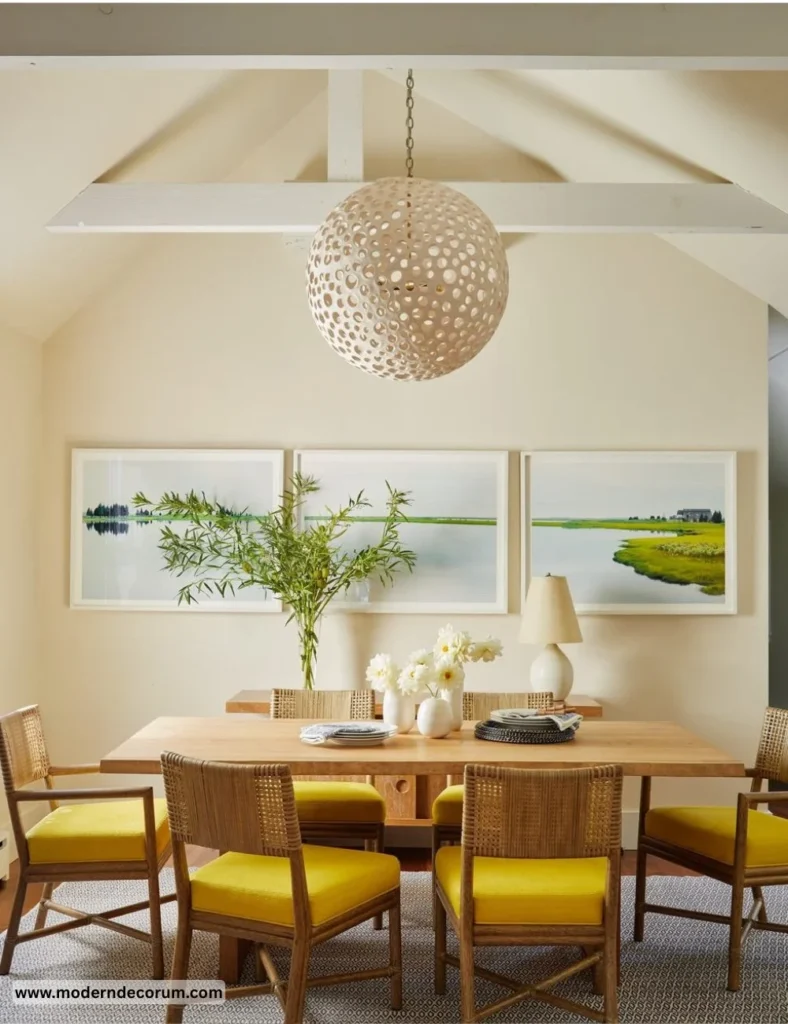
- Purpose: Anchor zones through pendant lights, floor lamps, or sconces.
- Options: Minimalist designs for a sleek look, or sculptural pieces as focal points.
- Tip: Choose warm bulbs for relaxation zones, cooler tones for workspaces.
- Furniture Placement
- Purpose: Use sofas, benches, or bookshelves as natural dividers.
- Tip: Floating furniture away from walls adds dimension and defines space organically.
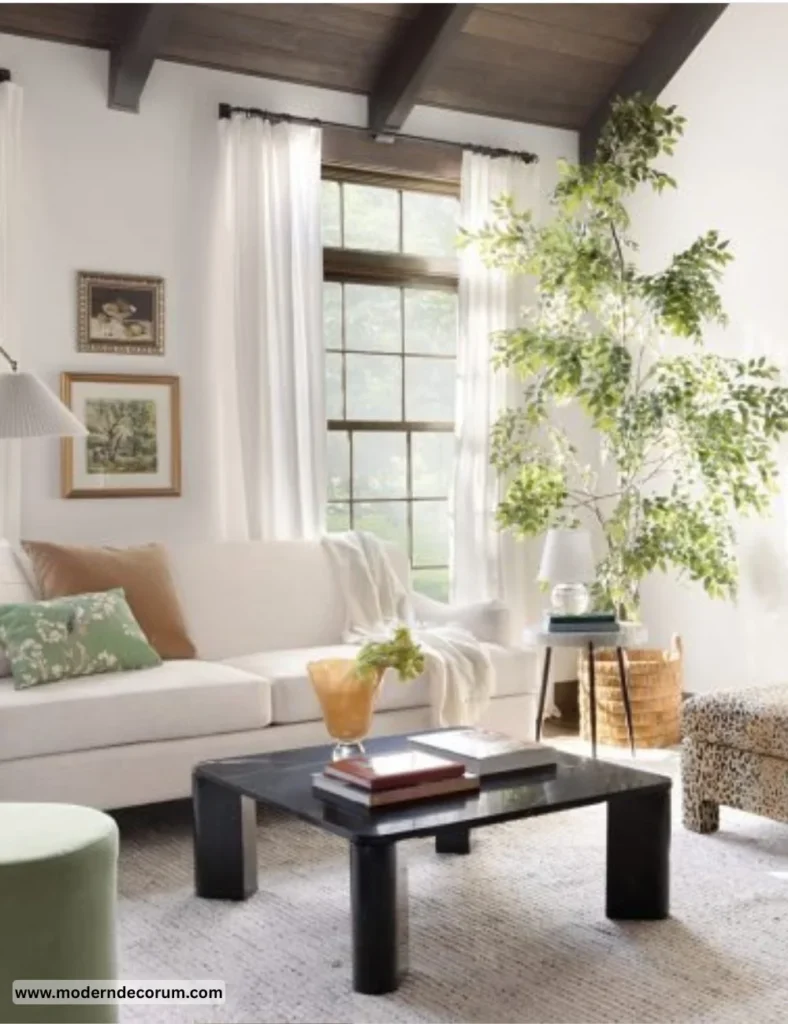
- Plants & Greenery
- Purpose: Bring life while softening transitions between zones.
- Options: Tall plants like fiddle leaf figs, or clusters of medium pots on stands.
- Tip: Opt for low-maintenance greenery if natural light is limited.
Decorating Steps
Step 1: Choose Your Zones
- Action: Identify the different functions you want in your room (e.g., dining, lounging, working).
- Rationale: Clear goals make it easier to decide which dividers and décor elements to use.
- Pro Tip: Sketch a rough floor plan before moving furniture—it saves time and energy.
Step 2: Anchor Each Zone with a Rug
- Action: Place area rugs under main furniture groupings.
- Rationale: Rugs instantly signal where one “scene” begins and ends.
- Pro Tip: For small spaces, opt for lighter tones to avoid visual clutter.
Step 3: Add Vertical Definition
- Action: Incorporate screens, shelving, or tall plants between zones.
- Rationale: Vertical dividers guide the eye without closing off the room.
- Pro Tip: Use open shelving to keep light flowing and display décor pieces.
Step 4: Layer Lighting
- Action: Use task lighting for work areas and ambient lighting for relaxation corners.
- Rationale: Lighting not only defines zones but also sets mood.
- Pro Tip: Dimmer switches allow you to adjust ambiance as needed.
Step 5: Arrange Furniture Thoughtfully
- Action: Position sofas, chairs, or desks to subtly face away from other areas.
- Rationale: This encourages functional separation while maintaining unity.
- Pro Tip: Avoid pushing everything against the walls—floating layouts feel more inviting.
Design Tips & Variations
- Play with Color Accents: Paint one wall a contrasting shade or use cushions to tie together a defined zone.
- Experiment with Textures: Layer soft throws in a lounging corner and sleek materials like glass or metal in workspaces.
- Seasonal Refreshes:
- Summer: Light linen curtains as soft dividers.
- Winter: Cozy screens in wood or fabric for warmth.
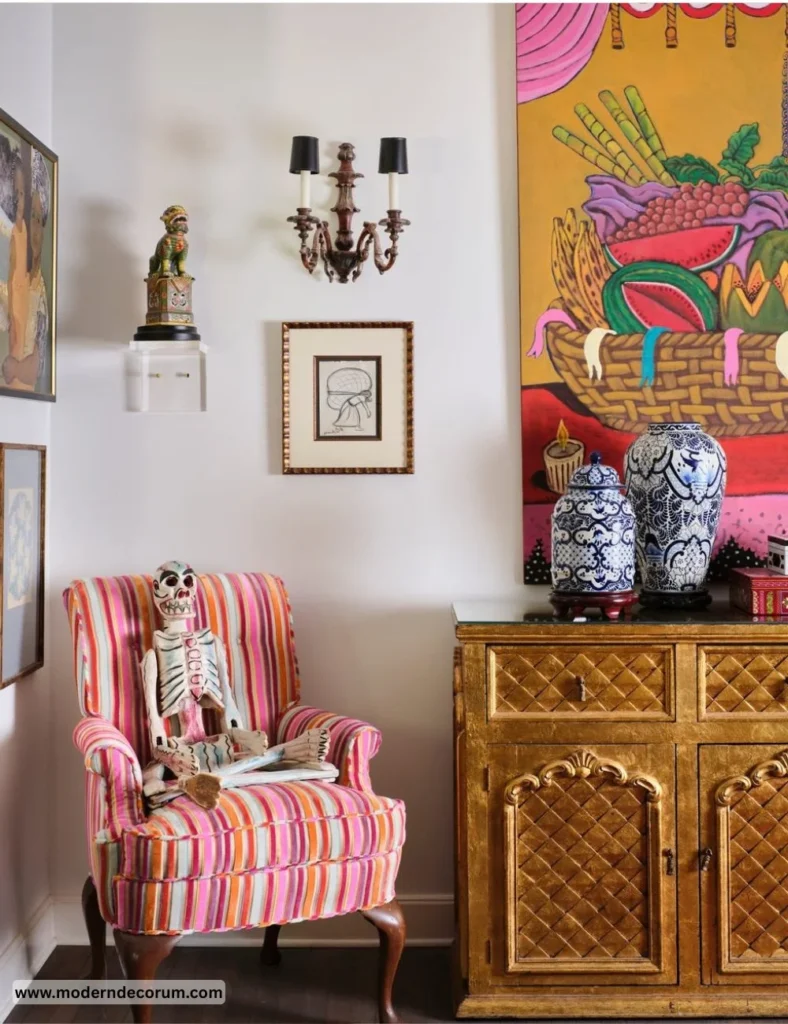
- Add Personal Touches: Artwork, photos, or even statement mirrors can give each zone a unique identity.
- Maximize Small Spaces: Use foldable dividers or multi-purpose furniture (e.g., ottomans with storage).
FAQ / Common Challenges
Q: How do I break up a small room without making it feel cramped?
A: Use light rugs, glass dividers, or open shelving that maintains airflow and visibility.
Q: Can I use this idea in a studio apartment?
A: Absolutely—this technique is perfect for studios. Try curtains, tall plants, or bookcases to create “rooms within a room.”
Q: What if my budget is limited?
A: Start with rugs and rearranging furniture—two of the most effective and affordable ways to define space.
Q: Will this make my home look cluttered?
A: Not if you keep the palette cohesive. Stick to complementary colors and avoid overfilling each zone with accessories.
Conclusion & Call to Action
Breaking up the scene is more than a design trick—it’s a lifestyle upgrade. By defining zones with rugs, furniture, dividers, and lighting, you transform open spaces into organized, harmonious environments that adapt to your needs. This technique boosts comfort, functionality, and style without requiring major renovations.
So, which room will you transform first? Share your ideas, and start experimenting with ways to create beautiful, purposeful zones in your home today.