Bright Living Room with Huge Windows
Introduction
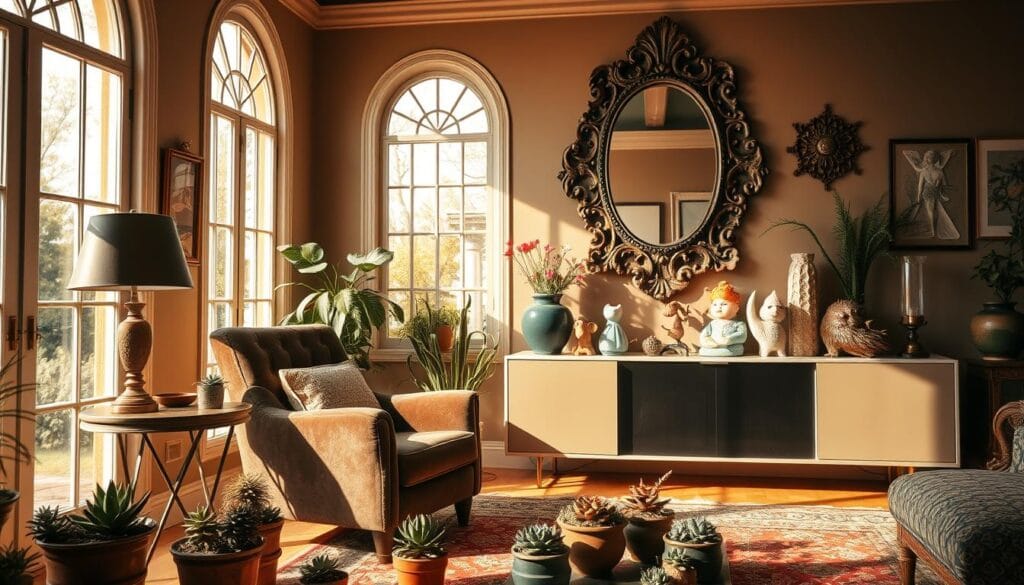
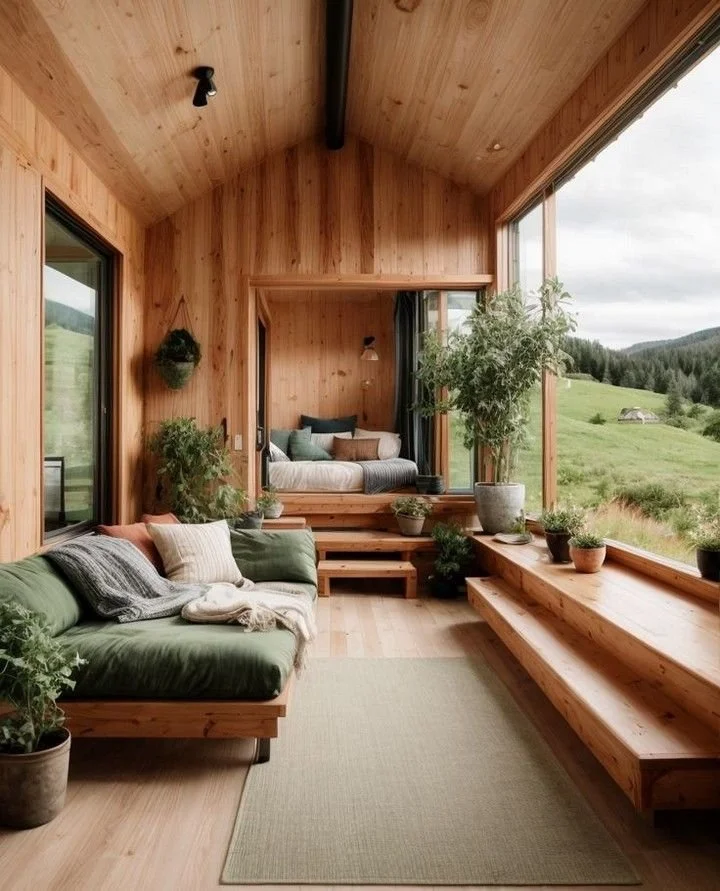
Imagine stepping into a living room where morning light pours in like warm honey through oversized panes, illuminating every surface and making textures sing. The air feels fresher here—light meets linen, the soft patina of reclaimed wood, the cool touch of a ceramic planter—creating a space that looks as if it was designed by sunlight itself. Huge windows frame the outside world: trees in silhouette, city rooftops, or a snow-dusted lawn. Curtains billow slightly with a gentle breeze, and the room breathes with a relaxed confidence that invites conversation, reading, and slow mornings.
This is not just about brightness; it’s about mood. A bright living room with huge windows transforms how you live: mornings feel more hopeful, evenings more serene, and hosting becomes effortless because guests always gather toward the light. Textures—wool throws, woven rugs, soft leather, and glossy ceramics—become richer under natural illumination. Colors read truer and art looks better. Function and aesthetics merge: a sunny corner becomes a workstation, a reading nook, or the perfect place for weekend brunch.
This décor idea matters because it suits real homes and real lives. Whether you’re a renter seeking renter‑friendly improvements, a homeowner doing a seasonal refresh, or someone styling a living room for a holiday gathering, embracing light changes everything. It’s ideal when you want to inject personality without heavy renovation: swap lightweight curtains, add layered lighting, and position furniture to capture views. Little choices—a sculptural lamp, a textured pillow, or a tray of candles—feel amplified in a bright space.
If you’re preparing for guests, updating a modern interior, or looking for cozy corners for solo downtime, a bright living room with huge windows is perfect. It works as a budget-friendly update (shift the layout, add plants) and as a luxurious makeover (custom drapery, bespoke sofas). Below you’ll find practical styling tips, materials, step‑by‑step directions, and creative variations to help you bring that sunlit, welcoming feeling into your home.
At a Glance
What it is:
A living room design approach centered on oversized windows and daylight as the primary design element. The focus is on furniture, textiles, lighting, plants, and accessories that enhance natural light and frame views.
Main style:
Versatile—works beautifully with modern, Scandinavian, minimalist, coastal, and warm contemporary palettes. The look often leans toward modern or Scandinavian simplicity with organic accents.
Typical colors, materials, and textures:
- Colors: soft neutrals (cream, beige, warm white), muted pastels, and accent tones (deep green, navy, terracotta).
- Materials: natural wood, linen, cotton, ceramic, glass, leather, brass or matte black metal.
- Textures: woven rugs, chunky knit throws, linen curtains, rattan baskets, smooth plaster or matte paint.
Best rooms or zones:
Primarily the living room, but the same approach elevates dining areas, sunrooms, home offices, and bedrooms with large windows.
DIY vs. buying:
Mixed approach—many elements are easy DIY or thriftable (curtain swaps, plant stands), while furniture and high‑quality window treatments are mostly store‑bought.
Design Impact
Visually, a bright living room with huge windows immediately expands perceived space. Natural light reduces visual clutter, makes colors and materials appear cleaner, and creates shifting focal points throughout the day as sunlight moves. Large windows create a strong horizontal or vertical frame that becomes the room’s main stage—arrange seating to face or angle toward the view to optimize flow. Mirrors and light-reflective surfaces can bounce light into darker corners, balancing the room and preventing glare hotspots.
Emotionally, sunlit rooms boost mood and make everyday routines feel elevated. A luminous space promotes relaxation and social ease—guests naturally gravitate toward the brightest spot. Practically, better natural light reduces eye strain for reading and working from home, warms the room on sunny mornings, and highlights decor details you want to showcase. Imagine finishing a work call in a plant-filled corner with sunlight behind you or hosting a cozy evening where the last golden rays turn ceramics and glass into private jewels.
Why Choose It
Who it’s perfect for:
This approach suits a wide audience—renters (with removable or temporary window treatments), families (durable, easy-to-clean textiles), small apartments (light creates the illusion of space), and design beginners looking for high-impact, low-effort updates. It’s especially appealing to people who enjoy entertaining or want multipurpose rooms.
Key strengths:
- Flexible and scalable: works for any budget and can be refreshed seasonally.
- Timeless: natural light and quality materials never go out of style.
- Small-space friendly: makes compact rooms feel larger.
- Problem solver: turns an empty wall or cramped layout into a focal area, brightens dark corners, and softens a busy street view with sheer curtains and greenery.
Real-life problem solved:
If you have a dark corner where furniture gathers like a small island, rearranging to face the windows, adding a tall plant and a slim floor lamp will transform that corner into a purpose-filled nook—perfect for reading, working, or relaxing. Window-first positioning also solves the “boring sofa” problem—place a textured rug, a coffee table centerpiece, and layered cushions to make the sofa feel intentional rather than incidental.
How to Style Bright Living Room with Huge Windows
{ingredients}
- Main items:
- Lightweight, floor-to-ceiling curtains in linen or sheer cotton
- Comfortable sofa (neutral fabric or leather)
- Area rug (natural fiber like jute or wool)
- Coffee table (wood or glass)
- Floor lamp and table lamps for layered light
- A mix of plants (tall fiddle-leaf or rubber tree, smaller potted herbs)
- Window seat cushion or slim bench (if space allows)
- Optional extras:
- Statement mirror to reflect light
- Throw blankets and textured cushions
- Decorative trays, ceramic vases, and coffee table books
- Roller or cellular shades for privacy
- Rattan baskets for storage
- Budget-friendly substitutions:
- Thrifted side tables refreshed with paint or new hardware
- IKEA-style curtains or off-the-rack sheers
- Second-hand rugs or indoor/outdoor rugs for durability
- DIY plant stands from crates or stacks of books
{directions}
- Start with a plan: measure windows and sketch the room to scale. Note where sun hits during the day so you can plan seating and plant placement to avoid scorching delicate leaves.
- Choose window treatments first: install a ceiling-mounted curtain rod to create the illusion of taller windows. Sheers paired with heavier drapes allow light control and a softer frame.
- Anchor the space with a rug: pick a rug that defines the seating zone and matches the room’s color temperature (warm wood + warm-toned rug; cool concrete + cooler tones).
- Arrange furniture to face or angle toward the windows: leave walking paths (min 30 inches) and avoid placing the sofa flush against the window if it blocks view or light. Use a slim console behind a sofa for added surface area without blocking the glow.
- Layer lighting: add a floor lamp near reading chairs, table lamps on side tables, and dimmable overheads to counterbalance evening darkness. Choose warm bulbs (2700–3000K) for cozy evenings.
- Bring in greenery: place taller plants in corners where they can catch light but not block the view; use smaller plants on shelves or windowsills. Rotate plants seasonally to maintain even growth.
- Add texture and softness: drape a chunky throw over a sofa arm, scatter cushions in varied scales (one large geometric, two small neutrals), and add a woven basket for blankets.
- Accessorize with restraint: choose 3–5 focal pieces (sculptural lamp, ceramic vase, a stack of books) and group smaller items in odd numbers for visual interest. Keep the windowsill relatively clear to preserve sightlines.
- Address privacy without sacrificing light: use top-down shades, sheer curtains, or glass treatments that let light in while obscuring sightlines.
- Test and tweak: live with the layout for a week, then move one item (lamp, plant, cushion) if something feels off. Small shifts make big differences in balance and flow.
Best Pairings
A bright living room with huge windows pairs beautifully across zones and accessories. In an entryway, place a slim console and mirror opposite the window to bounce light into the hall. In a living room, combine a neutral sofa with a statement armchair and a sculptural coffee table. For a home office, position your desk near—but not blocking—the window to benefit from daylight without the glare on screens.
Pair it with:
- Plants of varying heights to create green depth
- A plush rug to ground seating and absorb sound
- Mirrors to reflect light and double the view
- Candles and lanterns for evening warmth
- A low bookshelf or media unit that doesn’t compete with the window
Small space idea:
Choose a corner bench under the window with built-in storage and a removable cushion—this creates seating without overcrowding the room.
Large open‑plan idea:
Define the living area with a large rug and a sectional that faces the window; use a tall plant or a slim console to separate the living zone from a dining area while maintaining visual flow.
Incorporating the look into other inspirations can be helpful—this living-room approach complements guides like bright modern living room styling when you want clean lines, and it’s a natural next step if you love plant-filled spaces like those in cozy plant-filled living room ideas.
How to Maintain
Cleaning and care are straightforward when you choose durable materials. For glass: clean windows seasonally with a streak-free cleaner and a microfiber cloth; wipe frames and sills monthly to prevent dust buildup. For fabrics: vacuum upholstered furniture weekly, spot-clean spills immediately with a mild detergent, and wash cushion covers or throws according to care labels (typically every 3–6 months). Linen curtains can be machine washed on a gentle cycle or professionally laundered for larger, heavy drapes.
Wood furniture benefits from dusting with a soft cloth and occasional polishing with a product appropriate to the finish. For indoor plants: dust leaves monthly, check soil moisture regularly, and rotate pots to ensure even light exposure. Store seasonal pieces—heavy blankets, extra cushions—in breathable fabric bins in a cool, dry place; avoid plastic if possible to prevent mildew. Refresh the look by rotating soft textiles each season: swap cushion covers, change a throw, or introduce a new rug to keep the space feeling current.
Styling Success
- Keep scale in mind: choose furniture proportional to the window height and room size; a low-profile sofa works best with tall windows.
- Layer light sources: use a mix of overhead, task, and accent lighting to avoid reliance on daylight alone.
- Balance textures: mix smooth (glass, metal) with tactile (wool, rattan) to create depth without clutter.
- Use the rule of threes: group decor in odd numbers for natural composition (three vases, three framed prints).
- Control glare: position bright screens perpendicular to windows and use sheer curtains to diffuse harsh sun.
- Anchor with color: pick one accent color and echo it in cushions, art, and a single accessory to unify the palette.
- Think vertically: use tall plants or floor lamps to draw eyes upward and emphasize window height.
Creative Variations
Minimalist twist:
Emphasize clean lines—a low-profile sofa, neutral palette, and sheer curtains. Keep decor minimal: one sculptural lamp and a single plant. Budget: mid-range (quality sofa), Luxury: bespoke furniture and custom drapery.
Cozy, layered version:
Add lots of textiles—plush rugs, oversized cushions, and layered curtains. Use warm tones and mixed patterns for depth. Perfect for colder climates and holiday hosting. Budget: mid-range with thrifted accents.
Coastal/airy style:
White-washed wood, soft blues, and woven seagrass elements create a breezy feel. Lightweight linen curtains and rattan furniture enhance the seaside mood. Occasional swaps (throws, shell decor) keep it seasonally fresh.
Frequently Asked Questions
Q: How do I match this look with my existing furniture and colors?
A: Start with neutrals that complement your main pieces. If your sofa is a bold color, choose neutral curtains and a rug that picks up a secondary color in your room for cohesion.
Q: Can small apartments adopt this design?
A: Absolutely. Focus on maximizing light with sheer curtains, reflective surfaces (mirrors), and light-colored walls. Use multipurpose furniture to avoid clutter.
Q: Is this approach renter-friendly?
A: Yes. Use tension rods or removable hardware for curtains, peel-and-stick window film for privacy, and freestanding furniture—no permanent changes needed.
Q: Where can I find quality items without breaking the bank?
A: Look for second-hand furniture, online marketplaces, local craft fairs, and budget-friendly retailers. Investing in a few high-impact pieces (like a good rug or sofa) makes the biggest difference.
Q: How should I store seasonal decor so it lasts?
A: Use breathable bins, label boxes, and store in a cool, dry area. Keep textiles folded with acid-free paper to prevent creasing and discoloration.
Conclusion
Ready to bathe your living room in sunshine? Try applying these ideas this weekend: move one piece of furniture to face the windows, swap in sheer curtains, and add a standout plant to transform the mood. For inspiration on visual references and large-window photography to help plan layouts, explore this collection of imagery at 493+ Thousand Large Windows royalty-free images. If you’re dreaming of a getaway vibe as part of your design inspiration, consider how a light-filled suite feels—similar to the tranquil atmosphere found in places like Deluxe Cottage Suites at a coastal inn—and bring that calmness home.
We’d love to see your sunlit transformations—share photos, questions, or your favorite styling tips in the comments and explore more ideas on Moderndecorum.com.