Charming Low Shelf Styling with Floral Accents
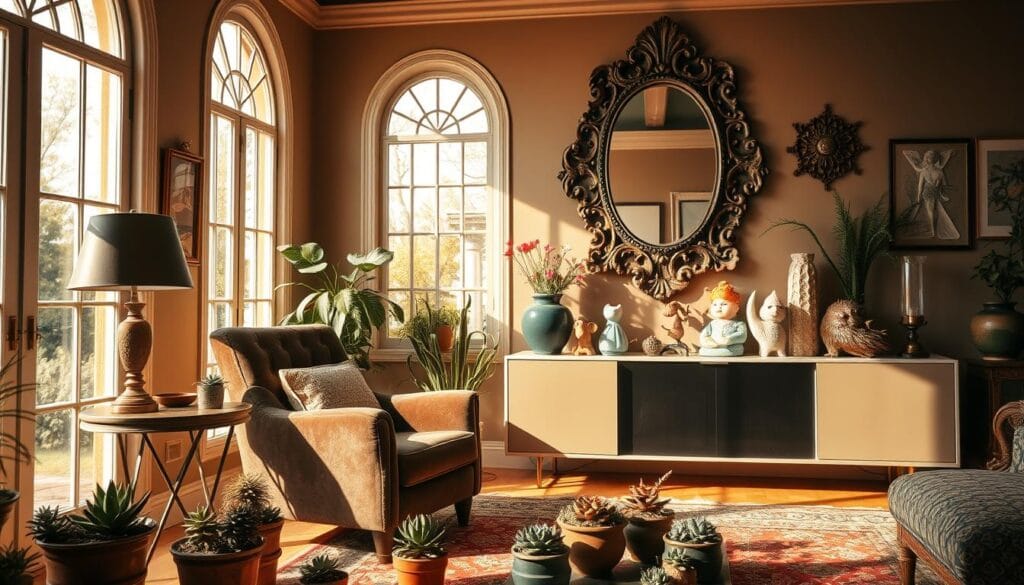
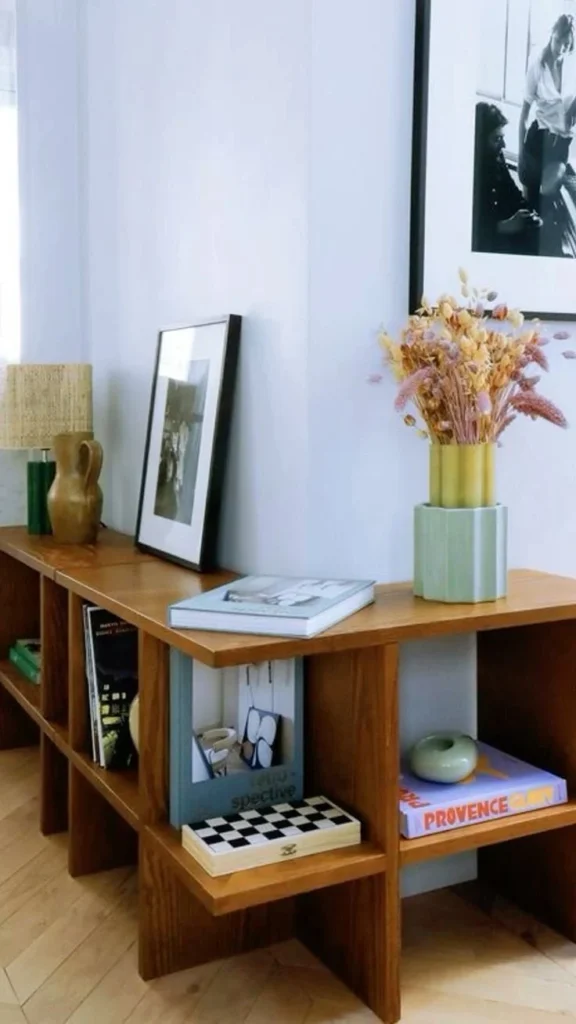
Imagine a sunlit corner where a low wooden shelf anchors a sofa, the grain warm and welcoming under a scatter of soft vases. A handful of floral stems—some wild, some cultivated—spill from a ceramic jug, their petals catching the light and casting gentle shadows across stacks of art books. Textures mingle: a woven basket, the cool gloss of glass, the slight grit of clay, and the nap of a linen runner. The palette feels rooted—muted greens, blush pinks, warm terracotta, and the clean white that gives everything room to breathe. This is low-shelf styling with floral accents: quietly curated, endlessly inviting, and alive with seasonal detail.
That soft vignette is more than a pretty picture; it shapes how a room feels and functions. Low shelves are eye-level anchors that create an intimate, human-scale display. Floral accents—whether fresh blooms, faux stems, or crafted paper flowers—bring movement, scent, and color into that horizontal plane. Together they transform a plain stretch of wall or the side of a sofa into a breathing composition that whispers "stay awhile." For people who love hosting, it sets a calm, considered tone. For busy households, it’s an easy way to refresh without a room overhaul.
This decorating idea is perfect at many moments: a seasonal refresh when you want to swap out heavy throws for bright stems; a renter-friendly update that requires no nail holes besides a freestanding low shelf; or a quick pre-party uplift when you want a chic backdrop for drinks and conversation. It’s also a clever solution for small apartments—low shelving keeps sightlines open—while still letting you layer personality and texture. If you crave comfort, style, and flexibility, this approach fits beautifully into real-life living.
For more cozy interior inspiration and mantel-style vignettes, check out this cozy French living room inspiration that pairs warm textures with subtle florals.
Decor Details
Charming Low Shelf Styling with Floral Accents is primarily a decor vignette centered on a low shelf or console—furniture that functions as both storage and display. The focal items are floral arrangements (fresh, dried, faux, or crafted) paired with a curated mix of decorative objects like vases, small sculptures, books, trays, and soft textiles.
- Main style: adaptable—leans modern, Scandinavian, or cottagecore depending on materials and color.
- Typical colors: warm neutrals (creams, beiges), soft pastels (blush, sage), and occasional deep accents (navy, moss, terracotta).
- Materials & textures: wood (oak, walnut), ceramics, blown glass, woven fibers (seagrass, rattan), linen, and matte metals.
- Best rooms: living room (next to a sofa), entryway (welcoming console), bedroom (as a styling ledge), dining area (buffet), or home office (softens work zone).
- DIY vs. buying: mostly store-bought for items like vases and shelves, with easy DIY opportunities for floral arrangements and inexpensive runners.
Design Impact
A low shelf with floral accents changes a room visually by creating a horizontal focal band that guides the eye and balances vertical elements like tall lamps or artwork. It keeps the visual weight low and breathable—making small rooms feel wider and open-plan spaces cozier. The alternating heights of books, vases, and stems set a gentle rhythm that feels intentional rather than cluttered.
Emotionally, the arrangement introduces softness and accessibility. Fresh flowers add scent and seasonality; dried flowers offer year-round texture; paper or faux blooms provide permanence. This combination creates ritual—watering, swapping stems, rearranging trinkets—that can slow down a hectic day and invite relaxation. Practically, a low shelf adds surface storage for remotes, mail trays, or magazines while still serving as a stage for decorative storytelling. Picture an evening in: warm lamplight, a low shelf’s glow, a small vase of lavender that calms the room as you pour tea—this is decor that works with life, not against it.
Why Choose It
Charming Low Shelf Styling with Floral Accents is ideal for renters, families, and anyone who prefers flexible, low-commitment design. Because the shelf sits low and often freestanding, you don’t need to drill into walls; you can layer and move pieces as your needs change. It’s beginner-friendly—simple rules (odd-numbered groupings, mixed textures, grounding base) yield professional-looking results without a steep learning curve.
Key strengths include affordability and seasonality: updating florals and a runner or cushion changes the whole vignette without major expense. It solves common decorating problems: a blank wall that feels sterile gains warmth; a dark corner becomes a soft staging area with layered light and reflective glass; clutter becomes curated with baskets and trays. One real-life example: in a studio apartment, a low shelf behind a sofa defines the living area and provides a landing spot for keys, while a bouquet of eucalyptus adds freshness and hides cords—elegant, practical, and compact.
How to Style Charming Low Shelf Styling with Floral Accents
{ingredients}
- Low shelf or console (length tailored to the space; usually 3–6 feet)
- A mix of vases (ceramic, glass, and one statement piece)
- Fresh, dried, or faux floral stems (3–7 stems for each arrangement)
- A runner or narrow linen cloth
- A stack of coffee-table books
- Small tray or shallow bowl for keys/loose items
- Woven basket or storage box for hidden clutter
- Table lamp or low-profile LED strip for layered light
- Decorative objects (small sculpture, framed photo, candle)
- Optional: paper flowers (see inspiration below), fairy lights, seasonal accents
Budget-friendly substitutions and extras:
- Thrift shop vases or painted jars instead of boutique ceramics
- DIY paper or fabric flowers instead of fresh ones
- IKEA-style console or simple plywood shelf for a custom finish
{directions}
- Choose the right shelf: select a low shelf proportionate to your sofa or wall—about two-thirds the length of the furniture looks balanced. Tip: keep it lower than the sofa back for an airy feel.
- Ground the display: start with a runner or a narrow pad to anchor objects and protect the shelf surface. Neutral linen suits most styles; go bold with a patterned runner for a statement.
- Build in threes: arrange items in odd numbers—three vases grouped together, or a trio of objects spaced along the shelf. This creates rhythm and visual interest.
- Vary height and depth: mix tall floral stems with low bowls and stacked books. Place taller pieces slightly off-center to avoid symmetry that feels formal.
- Layer books and trays: use a stack of books as a riser for a vase or small lamp; a tray corals smaller items and makes the vignette feel purposeful.
- Add a focal floral piece: position one main bouquet or arrangement and support it with one or two secondary stems in smaller vessels. Tip: cut stems at different lengths so blooms read at multiple tiers.
- Introduce texture: tuck a woven basket or ceramic object to offset glass and metal. Textures stop the display from feeling flat.
- Light it softly: add a small table lamp at one end or run a thin LED light under the shelf lip to bring warmth and depth in evenings.
- Create breathing room: leave negative space—don’t overcrowd. A gap between objects lets each piece shine and prevents visual fatigue.
- Refresh seasonally: swap flowers, colors, and small accents every 4–8 weeks to keep the vignette lively; dry stems for longevity when you want a low-maintenance look.
Common mistakes to avoid:
- Overcrowding: if items touch too closely, the display reads chaotic—edit down.
- Matching sets: identical vases or objects create monotony—mix styles for contrast.
- Ignoring function: leave room for everyday items like keys or remotes; a tray keeps them tidy.
For creative floral techniques and paper alternatives, try incorporating DIY paper blooms inspired by these paper flower ideas for decor.
Room Setting Inspiration
Low-shelf floral styling is versatile across rooms. In an entryway, a narrow console with a simple bud vase and a bowl for keys creates an inviting first impression. In the living room, place the shelf behind the sofa as a styling ledge—set a lamp at one end, a floral centerpiece in the middle, and a storage basket underneath for throws. In a bedroom, a low shelf works as a soft headboard alternative, with dried lavender in ceramic bottles for a calming scent.
Pairings that work well:
- Plants: a potted fern or monstera adds lushness next to delicate flowers.
- Mirrors: a leaner mirror behind the shelf reflects petals and light.
- Textiles: a folded throw on one end or a runner connects the shelf to other soft elements in the room.
- Candles and trays: introduce warm glow and organization.
- Rugs: layer a small rug beneath the shelf to define the space in open-plan rooms.
Small-space idea: use a skinny, wall-mounted low shelf under floating art to keep floors clear. Large space idea: create a long low-shelf run as a transitional element between living and dining areas, repeating floral accents to unify zones.
Care Instructions
Cleaning and maintenance keep your shelf and floral accents fresh. For wooden shelves, dust weekly with a soft cloth and use a slightly damp microfiber for sticky spots—avoid soaking the wood. Ceramic, glass, and metal pieces can be wiped with mild soapy water and dried immediately to avoid water marks. For fabric runners and small cushions, follow garment care labels; linen often benefits from gentle washing and air drying.
Flowers need attention: fresh blooms last longer with clean vases and trimmed stems; change water every 2–3 days and remove wilted flowers promptly. Dried flowers should be dusted with a hairdryer on cool or a soft brush and kept out of direct sunlight to avoid fading. Store seasonal items in clear plastic bins with silica packets for dried accents and cover textiles with breathable fabric to protect from dust.
Rotate pieces every season—swap colors and textures to extend their life, and store fragile items wrapped in acid-free tissue between uses.
Designer’s Advice
- Scale rule: the tallest object should be about two-thirds the height of the highest nearby furniture to remain proportional.
- Balance with negative space: leave at least 25–30% of the shelf free of objects to create breathing room.
- Warm light: use warm bulbs near 2700–3000K to make florals glow and skin tones flattering.
- Mix metals sparingly: choose one dominant metal and use another as an accent to avoid a disjointed look.
- Texture trio: always include at least three textures (wood, fabric, and one glazed or metallic surface).
- Edit regularly: live with the styling for a week and remove one item—if nothing is missed, put it away.
- Scent pairing: pair floral visuals with complementary scents—lavender or citrus—rather than conflicting heavy fragrances.
Style Twists
Minimalist: keep a single slender vase with one sculptural stem, a slim stack of monochrome books, and a low candle—clean lines, restrained palette.
Cozy/Cottage: layer a rumpled linen runner, two mismatched ceramic jugs filled with garden flowers, a woven basket, and a small framed family photo for a lived-in feel.
Budget/Thrifted: gather thrifted jars, spray-paint a mismatched set in a unifying color, and use faux or crafted paper flowers for long-lasting charm.
Luxury version: select artisanal ceramics, hand-blown glass, and a bespoke floral arrangement with seasonal blooms for an elevated, hotel-worthy display.
Seasonal occasion: for holidays, incorporate themed florals—deep red peonies in winter, apple branches for fall—paired with subtle, complementary accents.
Frequently Asked Questions
Q: How do I match the shelf styling to my existing furniture colors?
A: Pick one dominant color from your larger furniture (sofa, rug) and echo it in florals or a runner; introduce one accent color for contrast. Neutral bases are forgiving and allow more flexibility.
Q: Is this renter-friendly?
A: Absolutely—choose freestanding low shelves and avoid permanent wall modifications. Use command strips for lightweight frames or mirrors if needed.
Q: How to adapt this for a tiny apartment?
A: Opt for a narrow shelf, small-scale vases, and vertical layering (books under a vase) to save surface area. Use light-colored florals to keep the space airy.
Q: Where can I find good quality but affordable vases and florals?
A: Look at local home decor shops, craft stores, and secondhand markets; many designers combine one statement piece with budget finds to achieve a curated look.
Q: Best way to store seasonal florals?
A: Fresh stems don’t store long—switch to dried or faux florals for off-season. Store in cool, dark places in boxes with tissue to prevent crushing.
Conclusion
Charming Low Shelf Styling with Floral Accents is an approachable, high-impact way to inject warmth, texture, and seasonal personality into your home. Try a small vignette behind your sofa or a narrow console in the entryway and notice how simple changes—one statement vase, a runner, a handful of stems—can shift mood and function. Share your before-and-after photos, questions, or styling wins in the comments; we love seeing how readers make these ideas their own.
For practical tips on arranging objects and balancing function with style, explore this guide to Styling Shelves with Functional Decor — Stevie Storck. If you’re experimenting with floral screens or vintage-inspired partitions, consider this example of a floral room divider for inspiration: Wood Screen Room Divider Seamless Cute Floral In Vintage Style.
For more styling ideas and seasonal refreshes, keep exploring Moderndecorum and join our community for weekly inspiration.