Chic Living Room: DIY Sofa Table Ideas
There’s a special kind of charm that comes from a well-styled sofa table: the soft clink of a ceramic vase settling on reclaimed wood, the glow of a lamp that makes the sofa cushions look extra plush, the way a narrow runner pulls a room together without stealing the spotlight. Picture a long, slender table behind your sofa, topped with layers of texture — a woven basket, a stack of hardcover books, a small brass tray — and suddenly your living room feels edited, lived-in, and ready for anything. The tactile mix of linen, wood, and metal creates a sensory comfort that welcomes both quiet evenings and lively gatherings.
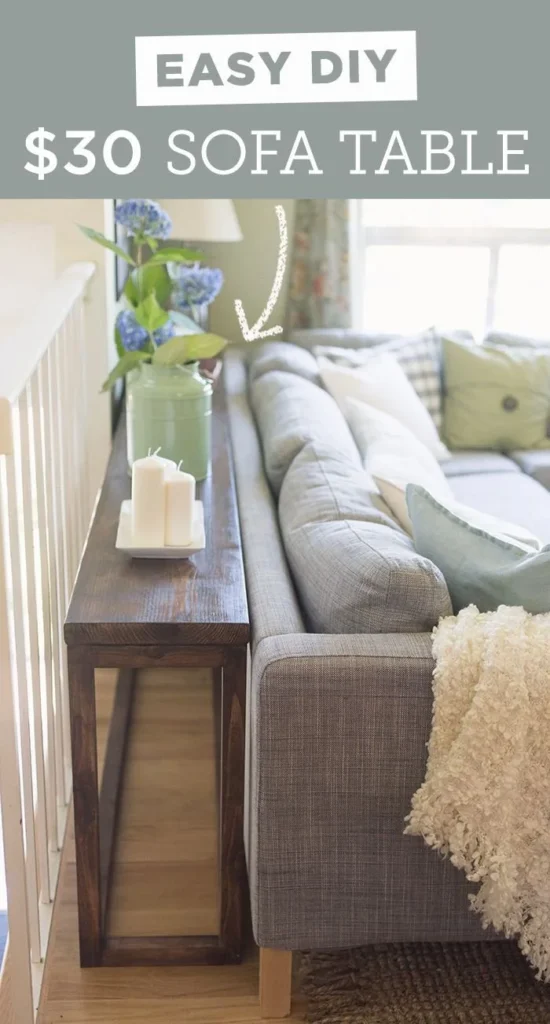
Creating a chic sofa table doesn’t need to blow the budget or require a contractor. With thoughtful DIY choices — painting a thrifted console, swapping hardware, or building a simple slab-top with hairpin legs — you can craft a piece that fits your space and personality. Beyond beauty, a sofa table gives function: a place to drop keys, display seasonal blooms, hide chargers in neat baskets, or host drinks during a party. It’s where style and everyday life intersect.
This idea is perfect for those moments when your living room needs a seasonal refresh, when you want to carve out a cozy corner for reading, or when you need renter-friendly updates that won’t damage walls. Whether you’re refreshing for the holidays, optimizing a small apartment, or staging a home for guests, a DIY sofa table is a flexible and rewarding project. For inspiration on how light can change the mood around your sofa table, check out this round-up of cozy living room lighting ideas that pair beautifully with a styled table.
At its best, a sofa table brings texture, balance, and a finishing touch to a room — and you’ll find the satisfaction of seeing a corner transform with just a few well-chosen pieces.
At a Glance
Chic Living Room: DIY Sofa Table Ideas refer to a narrow piece of furniture placed behind or against a sofa to add style, storage, and display space. These pieces act as a bridge between the seating area and the rest of the room, offering both practical function and visual interest.
Most designs skew modern, Scandinavian, rustic, or boho depending on materials and finishes, with a focus on clean lines and layered styling. They’re ideal for living rooms, entryways behind settees, and even behind daybeds in multifunctional rooms. This is a mix of easy DIY and shop-bought solutions — many people combine store-bought legs with DIY tops or repurpose a vintage piece for a fresh look.
- Item type: furniture / styling surface
- Main styles: modern, Scandinavian, rustic, boho, eclectic
- Common colors: warm wood tones, soft neutrals, matte black, muted greens, brass accents
- Typical materials/textures: reclaimed wood, painted plywood, metal legs, rattan, linen runners, ceramic
- Best rooms: living room, entryway, bedroom (behind a sofa or bed), open-plan spaces
- DIY level: easy-to-moderate (mix of quick hacks and build-it-yourself options)
Design Impact
A sofa table changes a room’s flow and focus. Visually, it elongates the sofa line and creates a layered silhouette that adds depth without crowding the main seating. A narrow console gives you a new horizontal plane to place a mirror that bounces light, a lamp that creates pockets of glow, or a collection of artful objects that read as a cohesive vignette. Choose a lighter finish and it will help keep the area airy; dark, low-profile designs create a more sophisticated, moody scene.
Emotionally, a styled sofa table makes a living room feel curated and welcoming. A basket full of throws invites guests to get cozy; a tray with candles signals hospitality and celebration. For everyday life, it creates purposeful surfaces that keep clutter off the sofa and coffee table: phones have a dedicated spot, mail gets corralled, and a small charging station can be discreetly tucked away. Picture a quiet evening with a mug of tea and a book on the sofa as the lamp on the console casts a warm pool of light — that’s the calming, charming magic this small addition brings.
Why Choose It
A DIY sofa table is ideal for renters, small-home dwellers, busy families, and weekend DIYers. Renters benefit from non-permanent furniture that can be moved and repurposed easily; families love the extra storage and staging surface; and design lovers appreciate the custom look without the bespoke price tag. It’s a versatile solution for improving function and introducing personality.
Key strengths include affordability, adaptability, and timeliness — the ability to change finishes or styling for seasons and celebrations. A simple painted board supported by hairpin legs can be summer coastal one year and layered boho the next with woven baskets and terracotta accents. One concrete problem it solves: an awkward gap behind a sofa. Instead of leaving the space empty where dust collects and the room feels unfinished, a sleek console provides a touchdown station for decor and daily essentials, turning dead space into intentional design.
How to Style Chic Living Room: DIY Sofa Table Ideas
{ingredients}
- Main items:
- Table top: reclaimed wood plank, plywood with edge banding, or a thrifted console
- Legs: hairpin legs, tapered wooden legs, or metal frame
- Finish: stain, paint, or clear sealer
- Styling pieces:
- Table lamp or two slim lamps
- Mirror or framed art (leaned or hung above)
- Low tray for keys and remotes
- One or two ceramic vases or sculptural objects
- Woven basket or decorative box for storage
- Runner or placemat for texture
- Tools:
- Drill, screws, measuring tape, sandpaper, paintbrush/roller
- Optional upgrades:
- LED strip lighting underneath for ambient glow
- Outlet-friendly cable management box
- Glass top for a modern, wipeable surface
- Budget substitutions:
- Use an old door or shutter as a top
- Swap designer legs for thrifted table legs or wooden sawhorses
- Replace new lamps with vintage picks from a flea market
{directions}
- Measure the space: Start by measuring the width of your sofa and the walkway behind it. Aim for a table depth of 10–16 inches for narrow passageways, and 16–20 inches if you have room to spare. Keep at least 30–36 inches of clear walkway behind the sofa.
- Choose your top: Pick a material that complements your room — warm-stained wood for rustic or Scandinavian schemes, a painted white board for coastal or modern looks, or raw plywood painted bold for a contemporary pop. If using reclaimed wood, sand down splinters and seal with a clear coat.
- Select legs for scale: For a light, airy look use hairpin or slim metal legs. For a more grounded, traditional feel choose tapered wooden legs. Ensure the legs’ height keeps the top 1–2 inches below the sofa back to maintain flow and visibility.
- Assemble with stability in mind: Center and attach legs with a drill and screws through a mounting plate or directly into cleats. Add corner braces if the top is long to prevent sagging. If the table will hold heavy objects, secure it to the wall with small L-brackets for peace of mind.
- Pick a lighting strategy: A pair of slim lamps at either end balances the composition; a single low lamp plus a tall plant creates an asymmetrical, modern tableau. Use warm bulbs (2700–3000K) to keep the space cozy.
- Layer textures and heights: Start with a mirror or artwork as the tallest element. Anchor one side with a lamp and balance the other side with a stack of books and a vase. Use a low tray in front to corral small items — this creates depth and keeps surfaces tidy.
- Add storage discreetly: Slide baskets beneath the table for throws or magazine storage. Place a decorative box for remotes and charging cables. Keep items tidy by grouping like with like and limiting the visual clutter.
- Play with color and seasons: Choose a neutral runner as a base, then switch out accents seasonally — fresh greenery in spring, woven gourds and brass in fall, and glass candle holders for winter gatherings.
- Avoid overcrowding: Follow the 3-3-1 rule — three items in a cluster, repeats of three across the table for rhythm, and one odd-sized piece to anchor interest. If the table feels busy, remove half the accessories and reassess.
- Final check for flow: Walk around the sofa and test sightlines. The table should feel like an extension of the sofa, not a competing focal point. Adjust heights and spacing until the composition reads effortless.
For additional construction inspiration and modern builds, explore more sofa table design ideas in this curated collection of sofa table design ideas.
Best Pairings
A sofa table pairs beautifully with layered lighting, a textured rug underfoot, and a tall plant at one end to introduce organic height. In an entryway, use the table as a landing spot with a mirror overhead and a shallow bowl for keys. In the living room, keep the coffee table lower and the sofa table higher to create dynamic levels that guide the eye. For a bedroom behind a daybed, style with slim books, a reading lamp, and a soft throw tucked into a basket.
- Entryway: Mirror + tray for mail + potted plant
- Small spaces: Use narrow tables, keep items low and vertical (lean mirrors) to save visual weight
- Large, open-plan rooms: Create a longer console (or two shorter ones) to define the seating zone; use multiple lamps and staggered art
- Pair with: rugs, layered throws, cushions, framed art, woven baskets, sculptural ceramics
For small apartments, choose a narrow table with built-in storage and vertical styling to maximize function. In larger, open-plan rooms, scale up the table length and use multiple clusters of accessories to maintain balance.
How to Maintain
Keep wood tops dusted weekly with a soft cloth and treated with a gentle wood cleaner or wipe to maintain the finish. For painted surfaces, use a mild soap solution and dry immediately to avoid water rings. Metal legs can be wiped with a slightly damp cloth and dried to prevent rust; treat brass with a dedicated polish if you want the shine to return.
Refresh textiles seasonally — swap runners and replace pillows or throws to change the tone. Dust lampshades and glass accessories regularly and rotate decorative objects every few months to avoid a stagnant look. For storage baskets, vacuum interiors occasionally and replace shredded liners when needed.
If storing seasonal decor, put delicate ceramics and fragile pieces in wrapped tissue and store in airtight bins in a cool, dry place to prevent moisture damage. Avoid prolonged direct sunlight on wood and textiles to prevent fading.
Designer’s Advice
- Scale matters: Keep the table length at roughly two-thirds to three-quarters the length of the sofa for pleasing proportion.
- Layer heights: Use a tall mirror, mid-height lamp, and low tray to create a three-tiered composition that reads as purposeful.
- Warm lighting wins: Opt for bulbs around 2700K–3000K to maintain a cozy, inviting glow.
- Balance symmetry and asymmetry: Symmetrical lamps work well for traditional rooms; asymmetrical groupings give a relaxed, editorial feel.
- Start with an anchor piece: One object with visual weight (a tall vase or framed print) makes styling easier.
- Tactile layering: Mix smooth ceramics with woven textures and metallic accents to add depth without clutter.
- Edit often: Remove or rotate pieces quarterly so the styling never feels stale.
Creative Variations
- Minimalist: A painted white plywood top with slim black hairpin legs, a single sculptural vase, and a small stack of monochrome books. Clean lines and negative space make the console feel modern and calm.
- Cozy Rustic: Reclaimed wood top, matte black iron legs, layered with a chunky knit runner, amber glass lamp, and a basket of wool throws. Great for cottages or casual family rooms.
- Budget/Thrifted Makeover: Rescue a secondhand console with sand-and-paint, replace dated hardware, and style with thrifted ceramics for a high-design look on a small budget. Perfect for renters and seasonal refreshes.
Frequently Asked Questions
Q: How do I match a sofa table with my existing furniture and colors?
A: Pull one or two tones from your sofa or rug into the table styling — a brass accent to echo metallic legs, or a warm wood stain that relates to flooring — and keep the finish palette limited to 2–3 complementary hues.
Q: Can I use a sofa table in a small apartment?
A: Absolutely. Choose narrow depths (10–12 inches), lean art instead of hanging, and use baskets underneath for vertical storage to maximize function without crowding.
Q: Is this renter-friendly?
A: Yes. Use freestanding tables that don’t require wall anchors, or if you need extra stability, use removable Command-style brackets for light anchoring. Thrifted tops on detachable legs are easy to take with you.
Q: Where can I find good quality pieces without overspending?
A: Look at local thrift stores, salvage yards, and budget furniture retailers. Mix new hardware or legs with thrifted tops to elevate the look inexpensively.
Q: How should I clean glass or ceramic items on the table?
A: Wipe glass with a glass cleaner and a microfiber cloth; clean ceramics with a soft damp cloth and avoid harsh abrasives that may damage glazes.
Conclusion
Ready to transform the back of your sofa into a chic, functional stage? Try a DIY sofa table to add warmth, storage, and personality to your living room — it’s an affordable update with a big design payoff. For a step-by-step build you can adapt, check out this detailed X Sofa Table Tutorial — Thrifty and Chic that’s perfect for beginner woodworkers and upcyclers. If you’re gathering ideas for overall living room looks to pair with your new table, browse these 103 stylish living room ideas to copy now for a range of inspiring layouts and color palettes.
We’d love to see what you create — share photos, questions, or styling tips in the comments, and explore more ideas on Moderndecorum.com to keep your home feeling fresh and personal.