Chic Spring Decor Ideas for Tiny Spaces
Spring has a way of arriving like a soft exhale — air warming, light lengthening, and the home suddenly begging for freshness. In tiny spaces, that seasonal reset feels especially rewarding: a single botanical pillow, a slim vase of fresh stems, or a swap to lighter linens can change the mood from cramped to airy. Imagine sunlight sliding across pale walls, the scent of citrus or cut grass, linen textures brushing against bare ankles, and a careful edit of objects so every piece has purpose and presence.
Chic spring decor in a small home is more than pretty accessories. It’s about rethinking scale, color, and texture so a studio, small bedroom, or narrow entry feels curated rather than cluttered. Think translucent glass, woven natural fibers, and pops of fresh green or soft blush framed by warm neutrals. The result is a layered, tactile look that makes a tiny space feel curated, calm, and welcoming for moments of daily living or hosting an intimate dinner.
This approach matters because our homes are compact theaters for life’s daily rituals — morning coffee, evening reading, friend drop‑ins, and the occasional workday that bleeds into the sofa. Thoughtful spring styling helps these rituals feel a little more special without demanding a full makeover. For renter‑friendly, budget‑minded, or time‑pressed households, small changes can deliver big emotional returns: comfort, personality, and a sense of ease.
If you’re drawn to this idea for a seasonal refresh, a cozy corner update, or a renter‑friendly refresh before guests arrive, start small and think strategically. For vintage accents and inspiration for combining old and new pieces in a fresh spring palette, explore our take on vintage decoration ideas for creative mixing.
Style Snapshot
Chic Spring Decor Ideas for Tiny Spaces is a styling approach — a mix of decor pieces, textiles, and small furniture — that emphasizes lightness, texture, and multifunctionality. It’s not a single item but a thoughtful palette and toolkit for refreshing compact interiors for spring.
This look leans modern‑Scandi with soft boho touches: clean lines softened by natural textures and organic shapes. Typical colors include warm whites, soft beiges, muted greens, blush accents, and occasional terra cotta. Materials: linen, lightweight cotton, rattan or cane, frosted glass, matte ceramics, and pale woods. Textures matter — slubby textiles, woven rugs, and sculptural throws create depth without visual clutter.
Best rooms: studio living areas, micro living rooms, small bedrooms, compact dining nooks, and entryways. Level of DIY vs. ready‑made: a mix — many elements are easy DIY (simple planters, painted trays, cushion covers), while lighting, rugs, and larger multifunctional furniture are usually store‑bought.
- Item types: textiles, lightweight furniture, compact storage, wall art, mirrors, planters, ambient lighting.
- Main style: modern-Scandinavian with boho accents.
- Colors: warm neutrals, pale greens, blush, soft blues.
- Materials: linen, rattan, light wood, glass, ceramics, woven fibers.
- Best rooms: living room, bedroom, entryway, dining nook.
- DIY level: mix — easy DIY plus store-bought anchors.
Why It Works
Chic Spring Decor Ideas for Tiny Spaces changes both the visual and emotional landscape of a small home. Visually, lighter textiles and reflective surfaces open up a room: a slim mirror amplifies daylight, a pale rug defines zones without heavy visual weight, and a single statement art piece provides a focal point. Layers of texture — a linen throw, a woven basket, a ceramic vase — create depth so the space feels sophisticated instead of sparse.
Emotionally, the scheme invites calm and gentle joy. Spring colors and living plants stimulate mood and perceived airiness, while tactile elements make a space feel cozy for both solo evenings and hosting a close friend. Practically, the emphasis on multifunctional pieces (a bench that stores blankets, a nesting table for dining and work) turns constraints into solutions. Imagine working from a compact desk with a spring bouquet at eye level, or pulling a slim console closer for an intimate dinner setting — small changes that make daily life smoother and more delightful.
Concrete scenarios: a single sunny corner becomes a reading nook with a lightweight lounge chair, a floor plant, and a soft throw; a narrow console in an entry doubles as a staging area with a shallow bowl for keys and a small lamp for welcoming glow; a floating shelf grouped with pottery and a mirror keeps surfaces clear while still expressing personality.
Why Choose It
This approach is perfect for renters who want impact without permanent changes, small‑space dwellers craving style and function, design beginners who need an approachable way to curate, and anyone on a budget who still appreciates a chic look. It’s especially smart for households that alternate between remote work and hosting because it prioritizes items that do double duty.
Key strengths include affordability (focus on a few well‑chosen accents), flexibility (easy seasonal swaps), and timelessness (neutral base with seasonal pops). The aesthetic scales well: pick a bigger art piece for an open plan, or opt for petite vases and slim lamps in micro apartments. It’s inherently seasonal-friendly because it’s built on interchangeable layers — pillows, flowers, and small accessories that can be swapped out without replacing larger investments.
Real‑life problem solved: a long blank wall in a small studio can feel like a dead zone. Instead of filling it with bulky furniture, add a lean console, a large framed print, a round mirror hung slightly off-center, and a narrow shelf above for rotating seasonal decor. This creates visual interest, storage surface, and the illusion of height without consuming precious floor space.
How to Style Chic Spring Decor Ideas for Tiny Spaces
{ingredients}
- Main items:
- Lightweight lounge chair or slim armchair
- Small area rug (jute, low-pile wool, or flatweave)
- One statement mirror (round or arched)
- Compact console or slim shelving unit
- Two to four cushions in complementary colors
- A linen throw
- Small table lamp or sconce
- A vase and fresh or faux stems (tulips, ranunculus, or eucalyptus)
- Two storage baskets (wicker or woven)
- Optional extras:
- String lights or a small floor lamp for ambient glow
- Decorative trays, ceramic bowls, and small sculptural objects
- Stackable trays for entryway essentials
- Budget substitutions:
- Thrifted frames painted in soft white or pastel
- IKEA-style nesting tables instead of designer side tables
- DIY macramé plant hanger from cotton rope
- Faux stems for lower-maintenance options
{directions}
- Start with a neutral base. Paint or keep walls a warm white or very pale beige to reflect spring light. If painting isn’t possible, bring in a large light rug and a white or pale throw to anchor the space visually.
- Choose one focal wall. Hang a round or arched mirror at eye level (about 57–60 inches from the floor to center) to amplify light and create depth. Tip: lean the mirror slightly on a slim console if drilling holes is not allowed.
- Layer with texture. Place a woven rug under the main seating area; add a linen or slubby cotton throw folded over the arm of the chair. Textures read larger than color in small spaces, so vary them thoughtfully.
- Add compact, multifunctional furniture. A slim console can hold a lamp and dish for keys — choose pieces with open legs to preserve the sense of space. Use baskets beneath for concealed storage.
- Pop in greenery. Use one sculptural plant (like a ficus or snake plant) and one small vase of seasonal flowers. Keep plants trimmed and on pedestals or narrow stands to avoid taking up floor space.
- Edit accessories ruthlessly. Limit tabletop items to two to four well-chosen objects: a lamp, a vase, a stack of books, and a small sculptural bowl. Negative space is as important as items.
- Swap textiles seasonally. Replace heavy knit throws with lightweight linen or cotton in spring hues. Choose cushion covers you can change quickly to refresh color without buying new pillows.
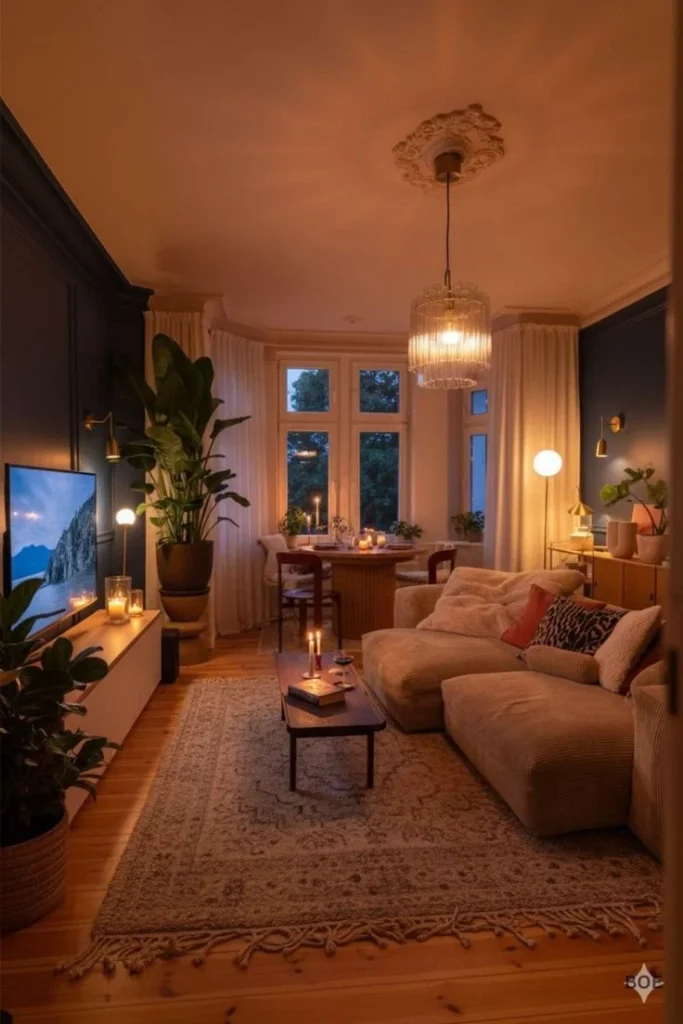
- Layer lighting. Combine a small table lamp with a string light or a wall sconce for depth. Use warm bulbs (2700K–3000K) for cozy evenings; add a brighter task light for reading or work.
- Use scale to your advantage. Keep items lower in profile: short vases, low trays, and narrow shelves to preserve sightlines. Taller pieces should be singular to avoid visual clutter.
- Finish with scent and sound. A subtle citrus or green fragrance and a small speaker with a spring playlist complete the sensory shift.
Common mistakes to avoid: overstuffing horizontal surfaces (clear to one or two objects), choosing too many bold patterns (limit to one dominant pattern and two supporting textures), and placing tall plants in the middle of traffic paths (keep them to the sides or corners).
Room Setting Inspiration
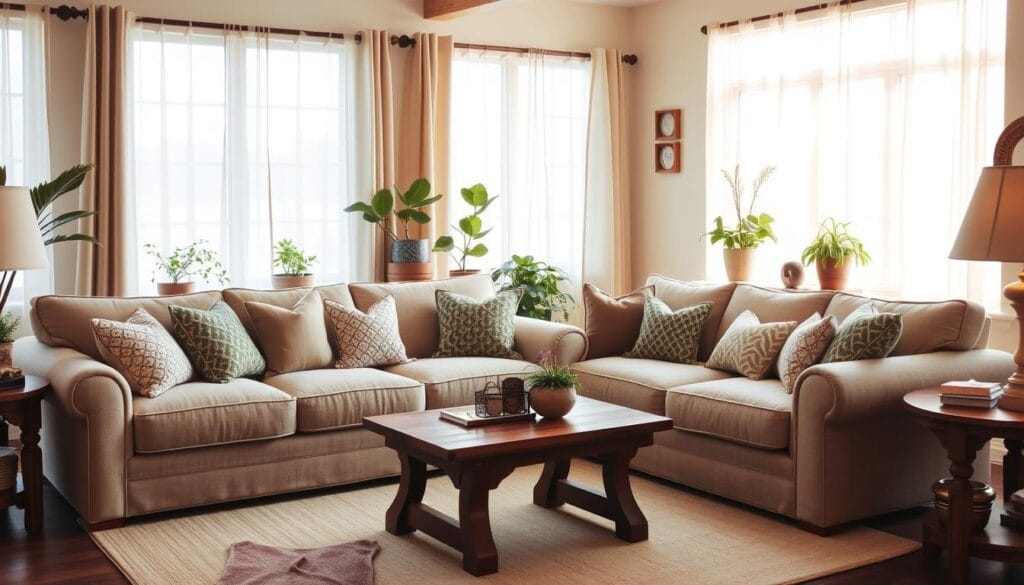
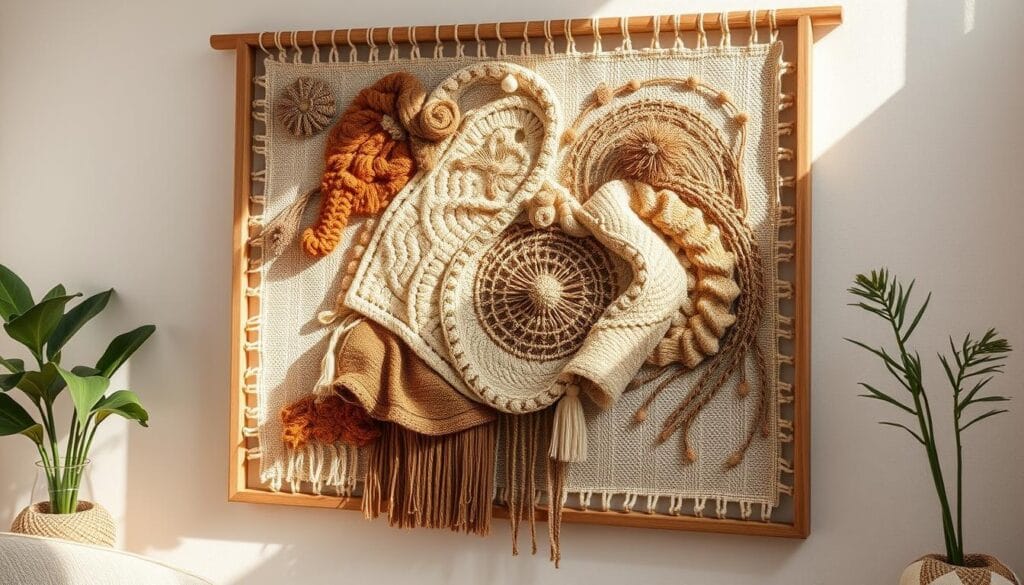
Think room by room for different showcases of Chic Spring Decor Ideas for Tiny Spaces. In an entryway, a slim console with a shallow tray for essentials and a small vase of fresh flowers greets guests without blocking flow. In a studio living area, define a corner with a lightweight armchair, a narrow floor lamp, and a round side table for coffee. For bedrooms, swap heavy curtains for light linen panels and add a woven headboard or wall hanging for texture.
Pairings to try:
- Plants + mirrors: mirrors increase light while plants add life — perfect for dark corners.
- Rug + throw + cushions: create a small, layered seating area that feels pulled together.
- Candles + ceramics: group a few ceramic vessels with unscented candles for soft, reflective warmth.
- Baskets + shelves: baskets hide clutter while shelves display curated objects.
For small spaces: use vertical storage — a narrow shelf, floating nightstand, and wall hooks. For larger open-plan rooms: anchor zones with rugs and a low bookshelf to maintain flow while introducing spring accents. For creative wall treatments and ways to combine art and mirrors in living areas, explore our guide to living room wall decor ideas for tips on balanced display.
How to Maintain
Spring styling should feel effortless to maintain. For textiles: wash cushion covers and lightweight throws every 4–8 weeks depending on use; spot clean spills immediately to avoid permanent stains. For woven rugs and natural fiber pieces, vacuum gently with a brush attachment and rotate quarterly to even out wear and sun exposure.
For ceramics, glass, and metal: dust regularly and wash with warm soapy water as needed. Avoid harsh chemicals on painted or delicate finishes. Plants need seasonal care — water schedules vary, but spring is growth time; check soil moisture weekly. Store seasonal decor in labeled bins in a cool, dry place; protect fragile ceramics with tissue and bubble wrap and keep textiles folded in breathable cotton bags to prevent mildew.
To keep the look fresh over time, rotate small accessories every month, switch pillow covers at the change of season, and reconfigure groupings (odd number arrangements feel more natural). A light re-edit each month prevents accumulation and keeps your tiny space feeling intentional.
Designer’s Advice
- Scale is king: choose items that leave negative space — one large vase beats five small ones in a tiny room.
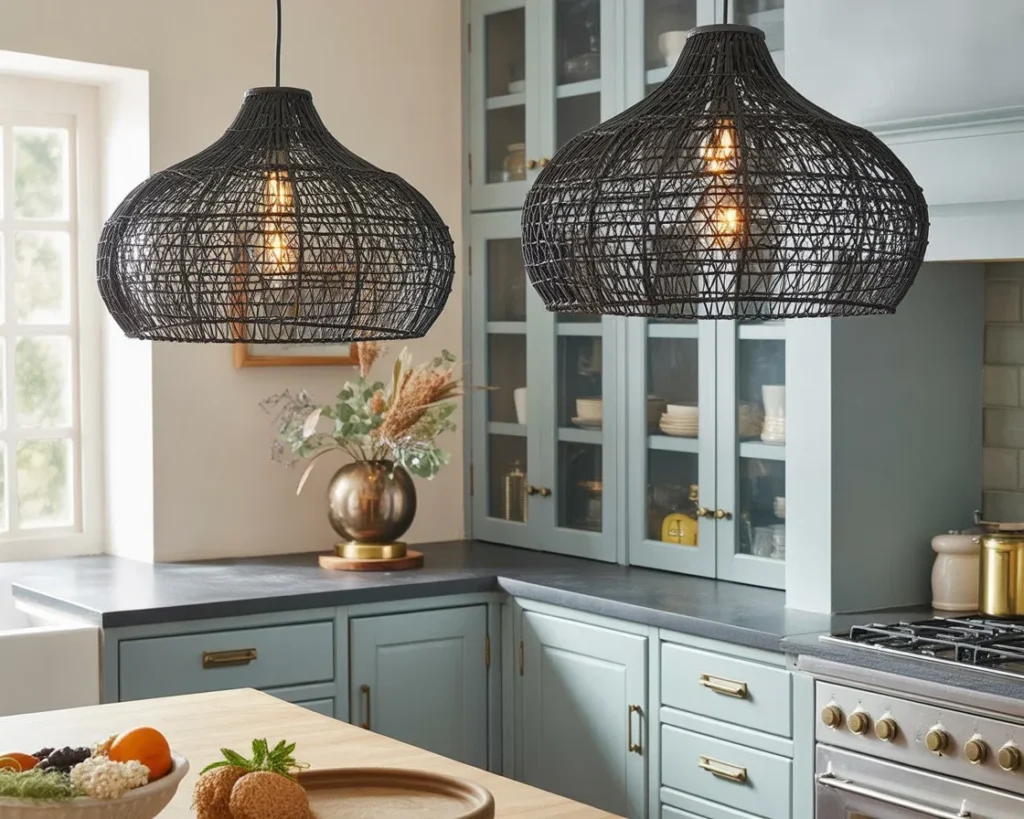
- Layer light sources: combine overhead, task, and ambient to create depth without consuming floor area.
- Limit your palette: stick to three main colors and two accent tones for cohesion.
- Use mirrors strategically: place them opposite windows to maximize reflection.
- Texture over pattern: in small rooms, rely on tactile contrasts (linen vs. rattan) rather than clashing prints.
- Functional decor: always ask, “Does this earn its place?” If not, store or donate it.
- Edit seasonally: swap cushion covers and a few accessories each season to refresh without replacing big pieces.
Creative Variations
Minimalist Spring: Focus on crisp white linens, one structural plant, a single sculptural vase, and a slim console. This version is ideal for lovers of clean lines and maximum breathing room.
Cozy Color Pop: Keep neutrals as the base, then add a blush cushion, a soft blue throw, and a small patterned rug. Mix warm wood and soft textures to bring spring warmth without sacrificing style.
Thrifted & Budget Chic: Hunt for secondhand frames, repaint thrifted trays in soft pastel hues, and create DIY macramé holders. Use faux stems for low-maintenance floral accents and opt for IKEA-style compact tables to keep costs down.
Frequently Asked Questions
Q: How do I match chic spring decor with existing furniture and colors?
A: Start with a neutral base and pick one accent color that complements existing tones. Use accessories (pillows, vases, throws) to introduce seasonal hues so large furniture pieces remain unaffected.
Q: Can this be adapted for a very tiny apartment?
A: Absolutely. Think vertical storage, multipurpose furniture, and small-scale lighting. Keep one focal area and keep the rest pared back.
Q: Is this approach renter‑friendly?
A: Yes — favor non-permanent updates like removable hooks, leaning mirrors, plug‑in lighting, and textiles. No painting or structural changes required.
Q: Where can I find quality items affordably?
A: Mix thrifted finds with a few new essentials (rug, lighting). Local markets, small shops, and online marketplaces are great places to source affordable, high-quality pieces.
Q: What’s the best way to store seasonal decor so it lasts?
A: Use breathable fabric bags for textiles, sturdy bins for ceramics with tissue padding, and keep everything in a cool, dry place away from direct sunlight.
Conclusion
Ready to bring this airy, tactile spring refresh to your small space? Start with one corner, one rug, or one bouquet — small edits deliver big atmosphere. For cottage‑style spring bedroom ideas that echo the softer side of this look, see this helpful roundup of Early Spring Cottage Bedroom Decor Ideas — Thrifty and Chic. If you’re working with a tiny or darker room and want practical layout tips to maximize light and flow, this guide to Tiny Bedroom Ideas: How to Decorate a Small Room is a great resource.
Share your before-and-after photos, questions, or favorite seasonal swaps in the comments — we love seeing how readers make these ideas their own. Explore more styling inspiration and join our community at Moderndecorum.com for seasonal mood boards and easy DIYs.