Chic TV Wall Design With Cabinet & Shelves: A Stylish Focal Point for Modern Living
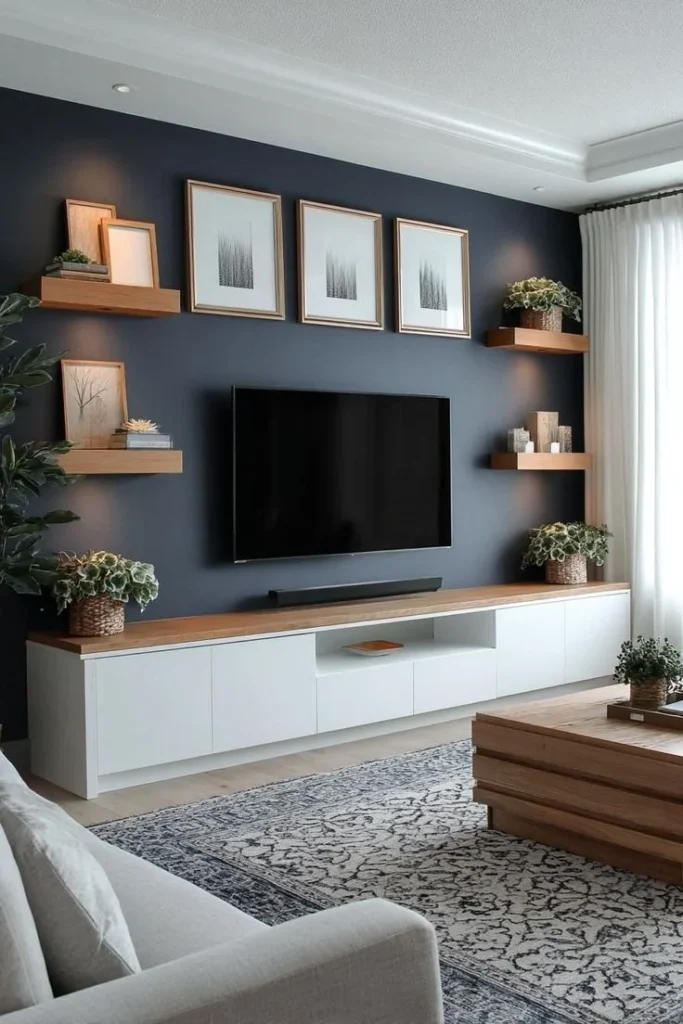
Imagine a wall that feels intentional the moment you step into the room — a soft palette of warm greys and matte whites, a textured wood cabinet anchoring a sleek, wall‑mounted TV, and open shelves that hold a curated mix of ceramic vases, well‑worn books, and a trailing pothos. Light glows from a slim LED strip behind the screen, throwing a gentle halo that softens the tech and elevates the atmosphere. Textures mingle: chilled glass, the reassuring grain of oak, the woven warmth of a jute basket, and the soft sheen of a linen throw folded on a nearby sofa. This is chic TV wall design with cabinet & shelves — where utility meets personality.
This approach matters because it turns an often awkward focal point into an expression of lifestyle. The TV becomes a framed moment rather than an eyesore, cabinets hide remotes and game consoles, and shelving offers room for photos, plants, and the seasonal objects that make a house feel like home. Whether you crave serene evenings with a glass of red, need a refined backdrop for hosting, or want a practical setup that keeps daily clutter out of sight, a well-designed TV wall calibrates both calm and character.
Chic TV walls are perfect for a seasonal refresh — swap out shelf accents for pumpkins in autumn or airy glassware in summer — and they’re ideal for cozy corners and modern updates alike. Renters can still get the look with freestanding cabinets and floating shelves, while DIYers can make a big visual impact on a modest budget. If you’re preparing your living space for gatherings or aiming to create that perfect movie‑night vibe, a thoughtful TV wall is one of the highest‑impact upgrades you can make.
If you love the tactile appeal of wood paneling or the drama of layered shelving, you might also enjoy ideas for creating a wooden panel wall with shelves that complements this concept in other rooms of your home.
Style Snapshot
Chic TV wall design with cabinet & shelves is a multifunctional decor solution combining furniture, wall treatments, shelving, and accent pieces to frame a television as an intentional focal point.
- Main style: modern‑contemporary with room for Scandinavian, minimalist, or soft‑industrial accents.
- Typical colors/materials/textures: warm or bleached wood, matte or satin paints (greys, creams, deep greens), black or brass metal accents, glass, woven fibers, and integrated LED lighting for soft backlight.
- Best rooms/zones: living room, family room, guest suite, and open‑plan lounge or media nook.
- DIY vs. store‑bought: mix — many elements are ready‑made (cabinets, shelves), while wall panels, trim, or custom shelving placements can be achievable as a weekend DIY.
Benefits
A carefully composed TV wall changes the room’s visual rhythm and daily function. Visually, it creates an elegant focal point that balances scale: a low cabinet keeps sightlines open while vertical shelves draw the eye up, making ceilings feel taller. Backlighting and layered styling reduce the harshness of a black screen, integrating technology into the decor rather than letting it dominate. The result is a room that reads cohesive, calm, and photographed‑ready.
Emotionally and practically, this design builds comfort and order. Closed cabinet storage tucks away electronics, controllers, and the daily detritus that quickly ages a space, while open shelves offer opportunities to display items that convey your story — photos, souvenirs, and a few curated coffee‑table books. Picture a relaxed evening: the TV halo light dims, a favorite vase scenting the air, cushions piled on the sofa, and everything you need for movie night within reach but out of sight when guests arrive. For those working from home, the TV wall can double as a professional backdrop — a tidy, attractive frame for video calls.
Why Choose It
Who benefits most? Families, renters, small‑space dwellers, and design lovers who want a high‑impact update without gut renovations. Renters can lean on freestanding cabinets and floating shelves; homeowners can invest in built‑ins for long‑term value. The design is flexible — swap shelf styling or cabinet hardware to change mood, making the concept both affordable and timeless.
Key strengths include storage efficiency, adaptability to different budgets, and visual serenity. A single built‑in or assembled console transforms an empty, awkward wall into a functional and warm focal point. Imagine solving a common problem: a blank wall with a small TV perched on an end table. Bringing in a low cabinet and a set of staggered shelves immediately anchors the TV, conceals cords, and gives you a place to showcase plants or meaningful objects — instantly elevating the room from "makeshift" to "intentional."
How to Style Chic TV Wall Design With Cabinet & Shelves
ingredients
- Main items:
- Low TV cabinet or console (2–3 drawers or sliding doors recommended)
- Floating shelves (1–4, depending on wall width)
- Wall‑mount bracket for the TV (if wall‑mounting)
- Cable management trunking or in‑wall kit (as allowed)
- Accent lighting (LED strip for behind TV and puck lights for shelves)
- Optional extras:
- Decorative vases and ceramics
- Small framed photos or art
- Baskets and boxes for hidden storage
- Books and magazine stacks
- Houseplants (pothos, snake plant, small fiddle leaf)
- Metallic accents (brass or matte black) for hardware or small objects
- Rug, throw pillows, and a cozy blanket
- Budget substitutions:
- Thrifted wooden buffet as a TV cabinet
- Reclaimed wood for DIY shelves
- Command‑strip floating shelves for renter‑friendly options
- Clip‑on LED lights or battery‑powered puck lights instead of hardwired lighting
directions
- Measure first. Determine wall width and seating distance. Standard rule: TV center should be at eye level when seated (about 42–48 inches from floor to center of screen). Measure clearance for cabinet height beneath wall‑mounted TVs.
- Choose cabinet scale. For a balanced look, the console should be roughly two‑thirds to full width of the TV or room wall, depending on the layout. Low, horizontal cabinets keep the room open; taller consoles can add extra concealed storage.
- Decide between wall‑mounting and stand‑placement. Wall‑mounting looks sleek and frees up surface space, but ensure studs and wiring are compatible. If freestanding, center the TV on the cabinet and hide cords behind the unit.
- Plan shelf placement. Stagger shelves asymmetrically or create a neat vertical column. Leave 6–12 inches between shelves to accommodate decor and allow breathing room for tall items. Keep one or two shelves intentionally sparse to avoid clutter.
- Integrate lighting. Add LED backlight behind the TV to reduce glare and create ambiance; install warm‑tone puck lights under shelves for accenting objects. Use dimmers to adjust mood.
- Layer textures and colors. Start with two dominant neutrals (paint and cabinet) and introduce a bold accent (deep teal, forest green, or terracotta) with a piece of art or a decorative object. Mix wood, metal, glass, and woven fibers for a sensory mix.
- Curate shelf styling. Apply the 70/30 rule: 70% decorative items, 30% functional (remotes, boxes). Group objects in odd numbers (3 or 5), stack two books under a small sculpture, and let plants spill softly over a shelf edge.
- Hide the necessary. Use baskets and lidded boxes inside the cabinet for controllers, cables, and manuals. Consider a pull‑out shelf or cut‑out in the cabinet back for ventilation if electronics are stored inside.
- Final balance and tweak. Step back and evaluate from the main seating area. Ensure visual weight is balanced — a taller plant on one side can be offset by a stack of books and a lamp on the other.
- Seasonal swaps. Keep a small curated box of seasonal accessories so you can refresh vignettes quickly without overhauling the whole wall.
Showcasing Ideas
A chic TV wall is versatile across rooms. In the living room, pair the cabinet with a layered rug, a sculptural floor lamp, and a low coffee table to create an inviting media zone. In a bedroom, a slim console with a few shelves becomes a discreet entertainment center complemented by soft textiles and bedside symmetry. For open‑plan spaces, use the cabinet to anchor seating arrangements and define zones without blocking sightlines.
Pairings to try:
- Plants + ceramics + low candles for a relaxed, botanical feel.
- A single large framed print above a shelf line for a gallery‑meets‑media approach.
- Brass hardware and a plush rug for subtle glam.
- Woven baskets and raw wood for Scandinavian or rustic charm.
Small space idea: choose a narrow, shallow cabinet to keep walkways clear and float a single shelf above the TV for a focused look. Large, open‑plan rooms: extend the shelving across a longer wall, mix in closed cabinets for balance, and use asymmetry to maintain visual interest. For inspiration on complementary cabinet and green paint ideas that can translate across rooms, check out this take on a green cabinet bathroom design to see how color and cabinet styles translate in small spaces.
How to Maintain
Different materials need different care. For natural wood cabinets, dust weekly with a soft microfiber cloth and clean spills immediately with a slightly damp cloth; avoid harsh chemicals that strip finishes. Metal hardware and lighting fixtures respond well to a gentle wipe and a touch of metal‑safe polish for brass accents. Glass shelves or framed glass objects can be cleaned with a glass cleaner or vinegar solution, then buffed to avoid streaks.
Dusting frequency: cabinets and open shelves should be dusted at least once a week in active living spaces; deep clean and reorganize shelves seasonally (every 3–4 months). For textiles like throws and cushions, follow label instructions — spot clean stains immediately and machine‑wash covers as recommended. Store seasonal decor in labeled, breathable boxes in a dry, cool place, and keep delicate items wrapped in acid‑free tissue to prevent scratches.
To keep the look fresh over time, rotate objects to highlight different pieces, replace one or two accessories each season, and refresh textiles like cushions and throws to change color temperature with minimal cost.
Designer’s Advice
- Keep scale in mind: a tiny shelf with a huge TV looks unbalanced — scale up shelving or add vertical elements.
- Layer light sources: combine backlight, shelf lighting, and a nearby floor or table lamp for depth.
- Stick to a limited palette: 2 neutrals + 1 accent color to keep the composition cohesive.
- Add living texture: at least one plant helps soften hard edges and brings movement.
- Use odd numbers when grouping objects — it feels more natural and curated.
- Leave breathing room: don’t cover every inch of shelf space; empty space is as powerful as objects.
- Match hardware finishes subtly — too many metallics can look chaotic; pick one or two complementary metals.
Creative Variations
Minimalist Calm
A pared‑back installation with a thin, matte black TV frame, a low white lacquer cabinet, and two long floating shelves. Color: soft greys and white with a single black accent. Budget: mid‑range, with simple IKEA‑style cabinets and LED strips.Cozy Rustic
Warm oak cabinets with visible grain, chunky woven baskets, brass accents, and amber glass vases. Add a textured wool rug and a reading lamp. Budget: DIY possibilities using reclaimed wood and thrifted finds for a layered, lived‑in effect.Sophisticated Glam
Deep emerald or navy wall paint behind a sleek cabinet in dark walnut, mirrored backing on one shelf, and brass sconces. Add velvet cushions and metallic accessories for entertaining‑ready polish. Budget: higher‑end materials but can be faked with spray‑painted thrifted pieces and strategic lighting.
Frequently Asked Questions
Q: Can renters achieve this look without drilling into walls?
A: Yes. Use freestanding consoles and use command‑strip shelving, leaning ladder shelves, or sofaside units. Cord covers can be painted to match the wall for a tidy appearance.
Q: How do I match this style with existing furniture and colors?
A: Start by picking two predominant colors from your existing space and use them as anchors. Introduce one new accent color and repeat it across cushions, vases, or a rug to tie everything together.
Q: Is this setup suitable for small apartments?
A: Absolutely. Choose slim cabinets, fewer shelves, and vertical styling to draw the eye up. Opt for multifunctional pieces, like consoles with drawers for additional storage.
Q: Where can I find quality items on a budget?
A: Mix thrifted or flea market finds with a couple of new staples. Look for solid cabinet bases and refinish or repaint them to suit your palette.
Q: How should I store seasonal decor when not in use?
A: Keep labeled bins in a dry storage area, wrap fragile items in tissue, and rotate textiles in a breathable fabric bag to avoid mildew.
Conclusion
Ready to transform your TV wall into a chic, functional focal point? For a gallery of inspirational layouts and modern treatments, explore a curated selection of TV wall ideas for your home to spark your next project. If you want practical tips on concealing screens and styling around technology, check out these ideas for decorating around a TV set to see how designers integrate televisions into beautiful rooms.
Give this idea a try in your living room or guest suite, and share your photos, questions, or styling wins in the comments at Moderndecorum.com. Join our community for more room‑by‑room inspiration and seasonal decorating guides.