Table of Contents
Why This Decor Idea Matters
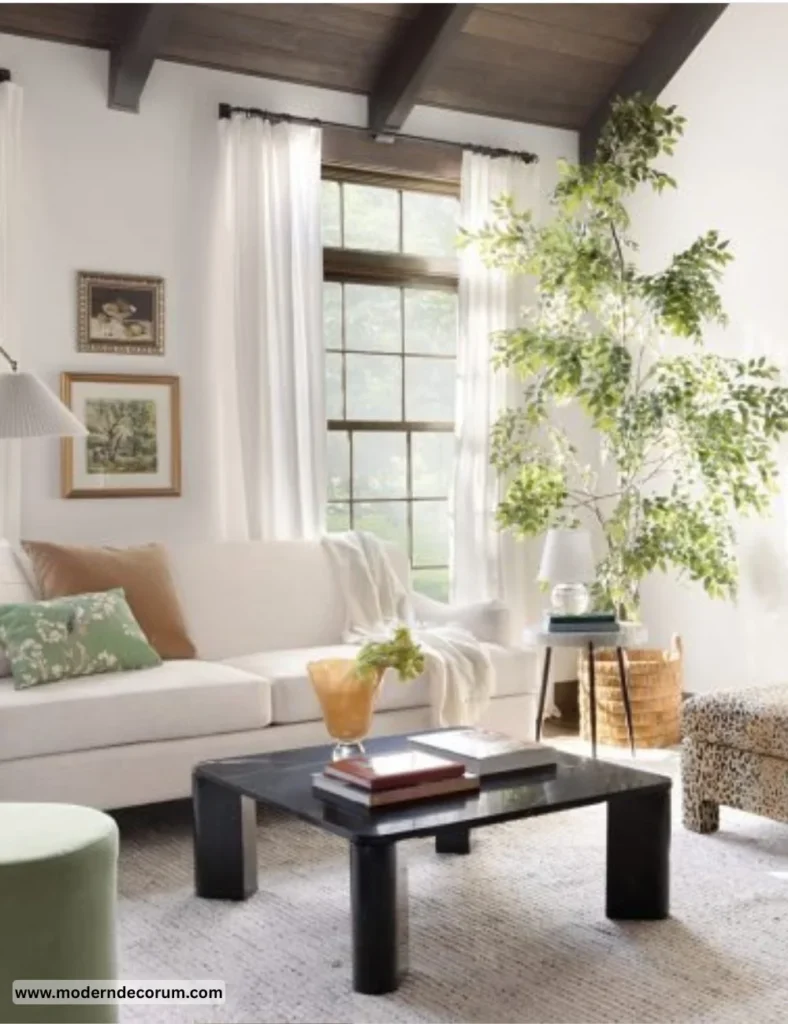
CLUSTER in threes—there’s a simple yet powerful rule in interior design that instantly transforms a room. Grouping items in threes—whether it’s candles, vases, or artwork—creates a natural balance that feels both intentional and visually pleasing. Unlike symmetrical pairs, clusters of three have a dynamic quality that draws the eye, adds rhythm to a space, and avoids the stiffness of perfect symmetry.
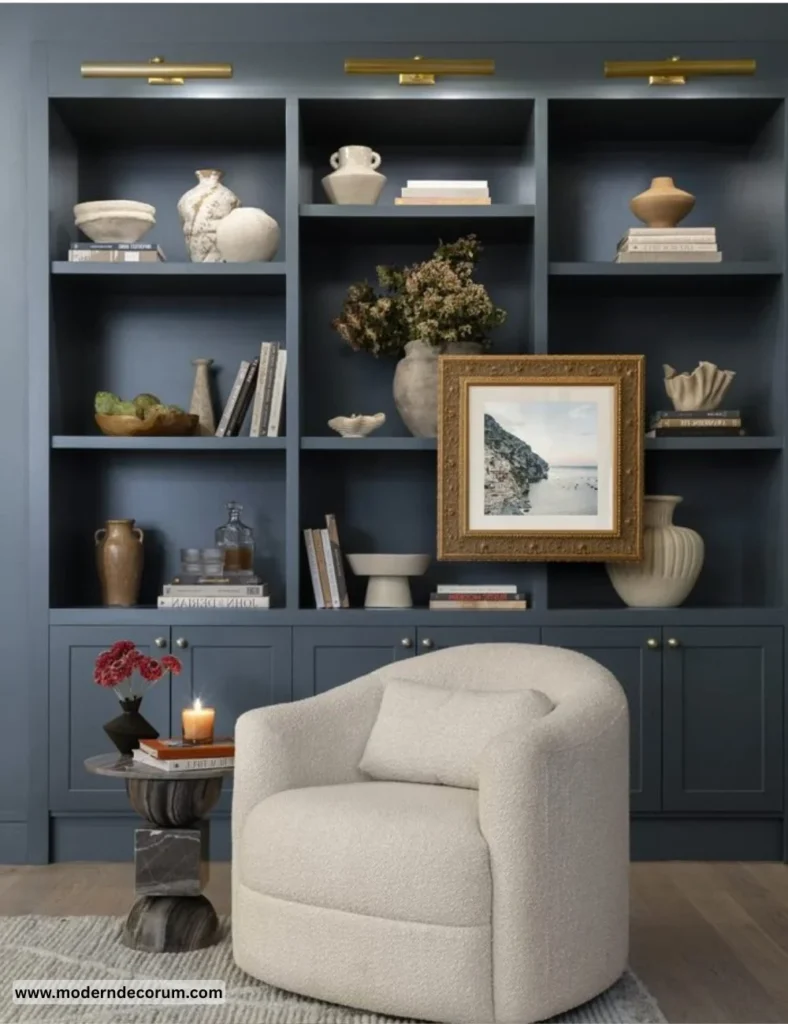
Psychologically, odd numbers appear more organic and harmonious. That’s why stylists often recommend clustering décor in threes to bring warmth, interest, and elegance to a room. It works on coffee tables, mantels, bookshelves, dining tables, and even walls. Whether you’re decorating with minimalism in mind or layering eclectic accents, this design principle fits seamlessly into any style.
What You’ll Need
You don’t need to buy an entire set of new décor—cluster in threes works beautifully with pieces you already own. Here are the essentials:
- Candles & Holders
- Purpose: Add warmth and ambiance.
- Options: Mix pillar candles, tapered holders, or small tea lights.
- Budget Tip: Buy inexpensive sets and vary the heights.
- Vases & Decorative Objects
- Purpose: Provide texture, color, and sculptural interest.
- Options: Glass, ceramic, or stone vases in different sizes.
- High-End Tip: Look for artisan-made or hand-thrown pottery.
- Artwork or Frames
- Purpose: Perfect for wall clusters or tabletop leaning arrangements.
- Options: Mix small, medium, and large frames for layered depth.
- Books or Trays
- Purpose: Ground your cluster and create levels.
- Options: Stack a few coffee table books or use a decorative tray as a base.
- Plants or Natural Elements
- Purpose: Bring freshness and life.
- Options: Succulents, air plants, dried branches, or florals.
Decorating Steps
Step 1: Select Your Theme
- Action: Decide the mood—minimalist, rustic, modern, or eclectic.
- Rationale: A theme ensures your trio looks cohesive rather than random.
- Pro Tip: Stick to a unified color palette or finish (e.g., matte black, brass, or glass).
Step 2: Vary Heights and Sizes
- Action: Choose three items of different heights or widths.
- Rationale: Variation creates movement and visual interest.
- Pro Tip: Use books or stands to elevate smaller objects.
Step 3: Balance Shapes and Textures
- Action: Combine different shapes—cylindrical candle, round vase, angular sculpture.
- Rationale: Contrast keeps the arrangement dynamic.
- Pro Tip: Mix textures like wood, metal, and glass for depth.
Step 4: Ground the Cluster
- Action: Place your items on a tray, shelf, or centered surface.
- Rationale: A base anchors the grouping and makes it feel intentional.
- Pro Tip: On a coffee table, keep clusters off to one side to leave room for functionality.
Step 5: Step Back and Adjust
- Action: Observe the arrangement from different angles.
- Rationale: Design should look balanced from all perspectives.
- Pro Tip: Remove one item if the cluster feels too busy—less is often more.
Design Tips & Variations
- Color Accents: Try monochrome clusters for minimalism or contrasting colors for boldness.
- Lighting Play: Surround clusters with soft lighting or candle glow for drama.
- Seasonal Styling:
- Spring: Fresh flowers, pastel ceramics, light woods.
- Autumn: Dried leaves, amber glass, brass accents.
- Winter: Candles, pinecones, silver details.
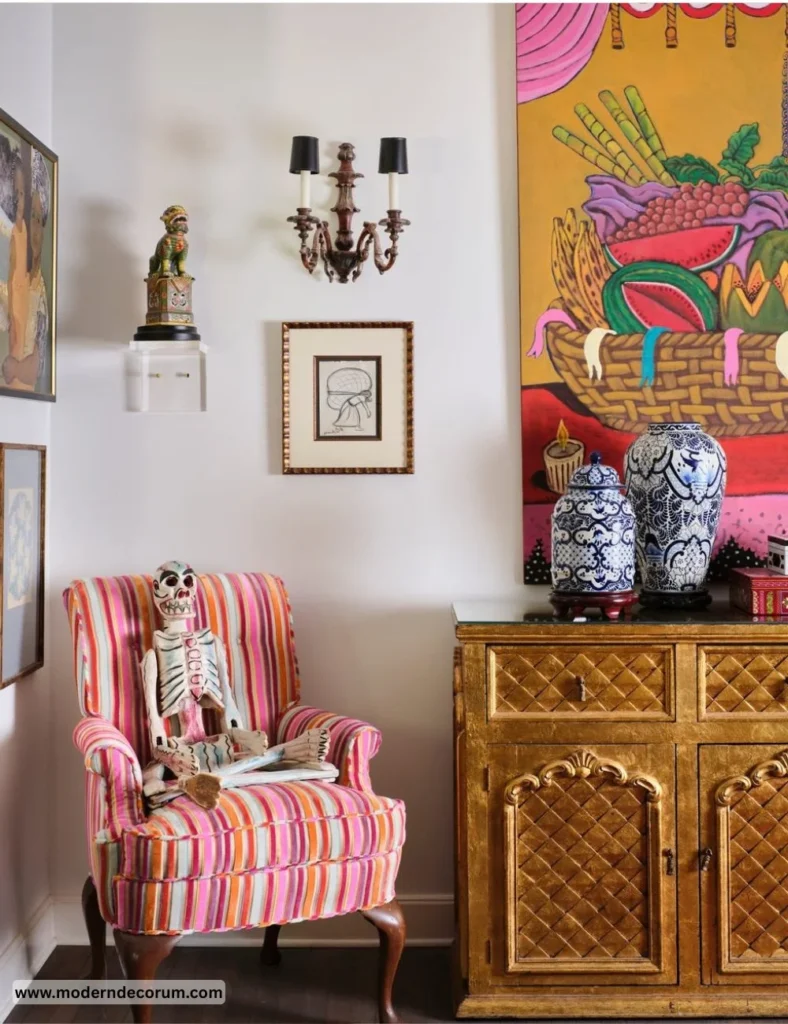
- Personal Touches: Mix in family photos, souvenirs, or handmade crafts to make clusters meaningful.
- Beyond Tables: Apply the rule on gallery walls—arrange three frames in a triangle, vertical line, or staggered layout.
FAQ / Common Challenges
Q: Does the rule of three only apply to small objects?
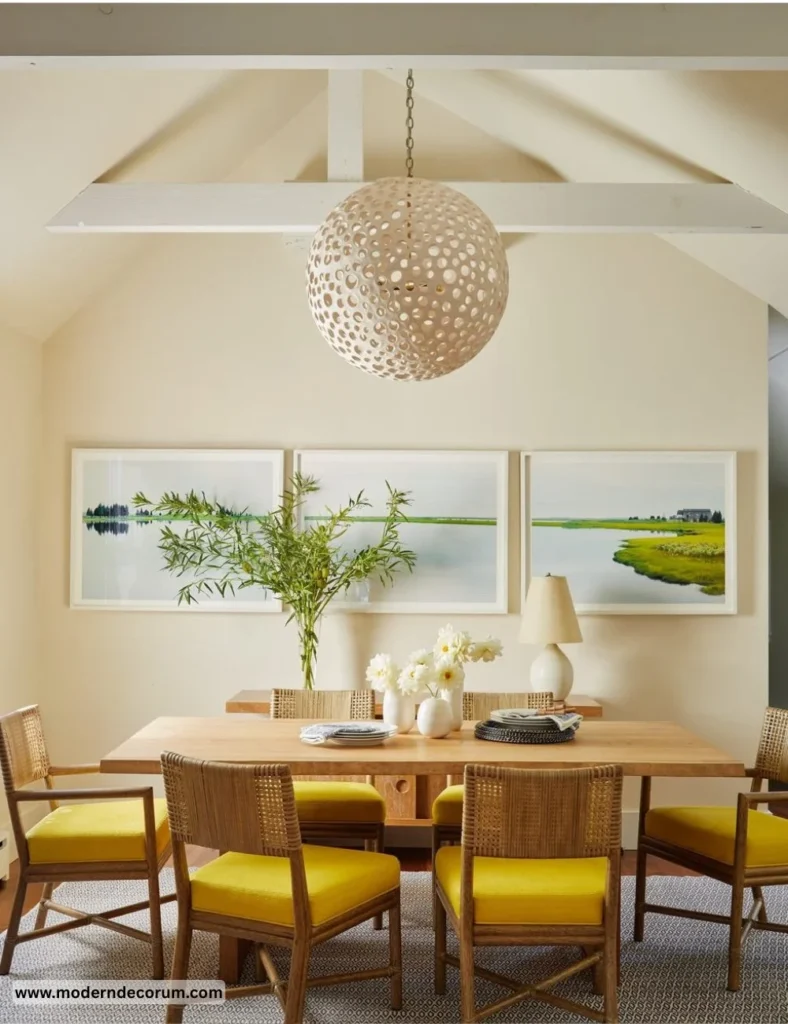
A: Not at all—you can cluster three chairs, three pendant lights, or even three large art pieces on a wall.
Q: Can I cluster more than three items?
A: Yes, but keep it odd numbers (5, 7) for the same organic effect.
Q: How do I stop it from looking cluttered?
A: Stick to one style theme or color family, and allow breathing space around your trio.
Q: Will this work in small spaces?
A: Absolutely—three petite objects on a narrow shelf can add charm without overwhelming.
Conclusion & Call to Action
The cluster in threes rule is a timeless secret of designers: it adds instant polish, flow, and harmony to any home. With just a few thoughtful groupings, you can transform flat surfaces into curated vignettes that look straight out of a magazine spread.
So next time you’re styling your coffee table, bookshelf, or entryway console, try clustering in threes. You’ll be amazed at how effortless yet impactful this simple design principle can be.
Which corner of your home will you start styling in threes?