
+10 Ideas For earthy coastal bedroom ideas inspo 2026
Imagine waking up in a bedroom that smells faintly of sea salt and cedar—where linen sheets ripple like sun-warmed sand and the light through the window is the color of pale driftwood. Earthy coastal style blends the calm of the shoreline with the grounded warmth of natural materials: woven jute rugs, weathered wood, soft clay hues, and sea-glass greens. It’s a look that feels curated but effortless, like a weekend at a seaside cottage that you never have to leave.
This aesthetic matters because it quietly recalibrates how a room functions. It’s not just about pretty things; it’s about a mood that supports rest, restoration, and social ease. Whether you’re easing into a work-from-home rhythm, creating a calm retreat after a busy day, or setting a welcoming scene for guests, these earthy coastal choices deliver comfort with personality. They’re tactile: the grain of reclaimed wood under your hand, the whisper of a linen throw, the soft crunch of a seagrass basket—every texture contributes to a slower, more intentional atmosphere.
This guide is perfect for a seasonal refresh—think spring or early fall when you want to swap heavy textiles for breezier layers—or for renters wanting a big-impact, low-commitment update. Many ideas here are budget-friendly and DIY-friendly, so you can tailor the degree of investment: a renter can layer in coastal textiles and peel-and-stick wall texture, while a homeowner might commit to a signature reclaimed-wood headboard or a custom woven wall hanging. If you’re hosting for holidays or weekend visitors, these looks translate beautifully—calming neutrals and layered lighting make any overnight stay feel elevated and restorative.
If you enjoyed the mood-driven approach of our previous posts, you might also like this exploration of moody green bedrooms for a deeper take on tonal layering: moody green bedroom inspo.
Style Snapshot
Earthy coastal bedroom style is a hybrid of coastal, rustic, and modern design languages. It emphasizes natural materials, tactile textures, and a muted palette anchored by sand, driftwood gray, sea-glass green, and warm terracotta. It’s less about nautical stripes and more about organic forms—think woven baskets, raw-edge wood, and clay ceramics.
This look suits bedrooms of all sizes, from a compact city rental to a roomy beach house master. It’s also highly adaptable: use soft, sandy neutrals as a base and layer in color with textiles or art. Most elements are mix-and-match—combine thrifted finds, store-bought pieces, and simple DIYs for a personalized finish.
- Item types: textiles, furniture (headboard, bedside tables), wall art, lighting, baskets, planters.
- Main style: coastal-meets-earthy (modern rustic, boho-coastal).
- Typical colors: sandy beige, driftwood gray, sea-glass green, terracotta, muted navy accents.
- Typical materials/textures: reclaimed wood, linen, cotton, jute, rattan, clay, matte metals.
- Best rooms/zones: primarily bedroom; also works for guest rooms, small studios, or serene reading nooks.
- DIY vs. ready-made: mix—many easy DIYs (weaving, distressing wood) plus ready-made basics (mattress, pillows, lamps).
Design Impact
An earthy coastal bedroom changes a space by softening angles and reflecting natural light. Lighter, sandy tones open the room visually; rougher textures like jute rugs and raw-edged wood add depth so the palette never feels flat. Layered lighting—table lamps with warm bulbs, a woven pendant, and bedside candles—creates pockets of glow that invite lingering and slow mornings.
Emotionally, this style promotes calm without being saccharine. The organic color story cues relaxation; green and blue accents soothe the nervous system, while warm terracotta and wood add a sense of safety and groundedness. Practically, many pieces double as storage or functional accents: woven baskets hide extra throws, a bench at the foot of the bed becomes a catch-all for laundry and guest luggage, and bedside tables with drawers keep surfaces uncluttered.
Think about an evening where you close the curtains, light a soy candle, and sink into linen sheets with a mug of chamomile—the room’s textures and light make that moment feel like a ritual. Or imagine hosting an overnight guest: the layered duvet, an extra wool blanket tucked in a basket, and accessible plug-in lamps turn hospitality into ease.
Why Choose It
Earthy coastal style is smart for people who want a timeless look that ages gracefully. Renters and homeowners alike benefit: it’s non-destructive (textiles, rugs, lamps) and forgiving of gradual upgrades (swap a duvet now, invest in a wooden headboard later). It’s also family-friendly—neutral tones hide wear, and durable materials like cotton and jute stand up to daily life.
Key strengths include affordability and flexibility. You can create a luxe impression with a few well-chosen pieces—a textured headboard, natural-fiber rug, and layered bedding—without overhauling the room. It’s also a restorative style for small-space living because natural tones visually expand a room and textured layering gives the impression of richness without clutter.
Real-life problem solved: dark, windowless bedroom? Introduce a faux driftwood headboard, a large woven mirror to reflect light, and layered warm lighting. The combination lifts the gloom, creates depth, and makes the room feel intentional rather than cramped.
How to Style +10 Ideas For earthy coastal bedroom ideas inspo 2026
Ingredients
- Main items:
- Neutral linen duvet and pillow shams (ivory, sand, or soft gray).
- Reclaimed wood headboard or DIY paneling.
- Jute or seagrass rug sized to fit under bed and extend at least 18 inches.
- Woven pendant light or rattan table lamps with warm bulbs.
- Woven baskets (various sizes) for storage and decor.
- Ceramic or clay bedside vases and trays.
- Lightweight cotton or linen curtains.
- One statement art piece in sea-glass tones or abstract coastal scene.
- Optional upgrades:
- Soft terracotta accents (planters, small decor).
- A small indoor palm or dracaena in a textured planter.
- Heated throw or wool blanket for cooler months.
- A bench with storage at the foot of the bed.
- Textured wallpaper or peel-and-stick wood planks for an accent wall.
- Budget-friendly alternatives:
- Thrifted wooden frames varnished lightly rather than solid headboard.
- Swap cotton bedding for a mix of thrifted quilts and new linen pillowcases.
- Use IKEA-style open shelving with distressing paint for a reclaimed look.
Directions
- Start with the palette. Choose one neutral base (sand or warm gray), one accent color (sea-glass green or muted navy), and one grounding tone (terracotta or warm wood). Tip: Keep 60/30/10 ratio—60% base, 30% secondary, 10% accents.
- Anchor the room with texture: place a jute/seagrass rug under the bed so it extends beyond the frame. This grounds the bed visually and adds tactile warmth underfoot.
- Install a focal headboard or DIY reclaimed-wood panel. If DIYing, sand edges lightly and finish with a matte sealant. Placement tip: center headboard with bed and leave 2–3 inches between top of mattress and lowest edge of wall art.
- Layer bedding the coastal way: fitted sheet, light linen duvet, a mid-weight blanket folded at the foot, and two layered pillow sets (sleeping pillows + decorative shams). Use varied textures—smooth linen, a knit throw, and a patterned lumbar pillow.
- Add ambient and task lighting. Hang a woven pendant centered over the bed or place matching rattan table lamps on bedside tables. Use warm bulbs (2700K–3000K) for that coastal dusk glow. Mistake to avoid: using only overhead cool lighting—this flattens textures.
- Bring in natural elements. Place potted plants in textured planters and cluster clay vases on a dresser. If space is limited, use a single sculptural plant in a corner to maintain flow.
- Organize with baskets. Use three sizes: one for extra pillows/blankets, a small one for bedside essentials (book, glasses case), and a flat tray basket for perfumes and jewelry on the dresser.
- Layer wall art with an organic edge. Hang a larger statement piece off-center above the headboard and balance with a smaller woven wall hanging or a cluster of framed coastal prints. Keep spacing between pieces 2–4 inches for a cohesive cluster.
- Finish with scent and soft accents. A linen-scented spray or a subtle candle with sea-salt or cedar notes completes the vibe. Don’t overdo scent—aim for a whisper, not a storefront.
- Re-evaluate flow and edit. Walk the room after styling—ensure 24–36 inches of circulation space around the bed, and remove any single item that competes for attention.
Presentation Tips
Earthy coastal styling adapts beautifully across rooms and scales. In a small city bedroom, make the bed the hero: use a reclaimed-wood headboard, crisp linen, and a single statement plant to avoid visual clutter. For a larger or open-plan master, create zones—sleeping area with layered textiles, a reading nook with a woven chair and floor lamp, and a dresser vignette with ceramics and framed maps.
Pairings that work:
- Plants: soft palms, snake plants, or philodendrons add height and a verdant pop.
- Candles & trays: clay or stoneware trays corral bedside essentials and look intentional.
- Mirrors: a large woven or distressed-frame mirror reflects light and enhances depth.
- Throws & cushions: mix linen, knitted wool, and a patterned lumbar pillow in coastal tones.
- Shelving & baskets: open shelving for curated books and shells; baskets for functional storage.
Small-space idea: hang lightweight curtains high and wide to make windows feel larger; use wall-mounted sconces instead of floor lamps to save surface space. Large-space idea: create conversational groupings—place two chairs and a low table near a window to form a cozy reading area that complements the sleeping zone.
For more color combinations that pair well with this aesthetic, check this guide to earthy bedroom palettes: earthy bedroom colors inspo.
Care Instructions
Natural materials require gentle, regular care to stay fresh. Vacuum jute and seagrass rugs with a brush attachment regularly—these fibers can trap sand and grit, so flip or rotate the rug seasonally and take it outside for a gentle shake when possible. Linen and cotton bedding should be washed on a gentle cycle with mild detergent and line-dried or tumble-dried low to preserve fiber integrity.
Wood furniture benefits from periodic dusting and an occasional wipe-down with a slightly damp cloth; avoid harsh cleaners that strip natural finishes. For reclaimed wood, use a beeswax or natural oil polish yearly to maintain warmth and prevent drying. Clay and ceramic items are best cleaned with a soft cloth and warm water; if salt crystallizes on surfaces (a natural concern near coastlines), wipe with a damp cloth and dry thoroughly.
Storage tips: keep seasonal blankets in breathable cotton storage bags to avoid mildew, and store items away from direct sunlight to prevent fading. Rotate textiles each season to refresh the room’s look and reduce wear on a single piece.
Designer’s Advice
- Start with scale—larger textures (rug, headboard) first, then layer smaller accents to avoid a cluttered feel.
- Use warm bulbs (2700K–3000K) to bring out natural wood tones and create a cozy glow.
- Mix three textures per vignette (e.g., linen + woven + ceramic) to keep interest without chaos.
- Keep a 2–3 inch gap between framed artwork for a relaxed, curated cluster—perfect for a coastal gallery wall.
- Anchor the bed with a rug that extends at least 18 inches on either side to avoid visually “floating” the bed.
- When mixing metals, choose one dominant finish (matte brass or brushed nickel) and sprinkle in the secondary for accents.
- Edit down annually—remove or swap one big item each season to keep the scheme feeling fresh.
Style Twists
- Minimalist coastal: Keep the palette strictly neutral (sand, white, light gray), choose streamlined furniture with simple silhouettes, and emphasize negative space. Result: a spa-like bedroom with uncluttered calm.
- Cozy, family-friendly coastal: Add washable cotton quilts, larger baskets for toys or blankets, and durable, stain-resistant rugs. Result: a durable, welcoming room that still reads stylish.
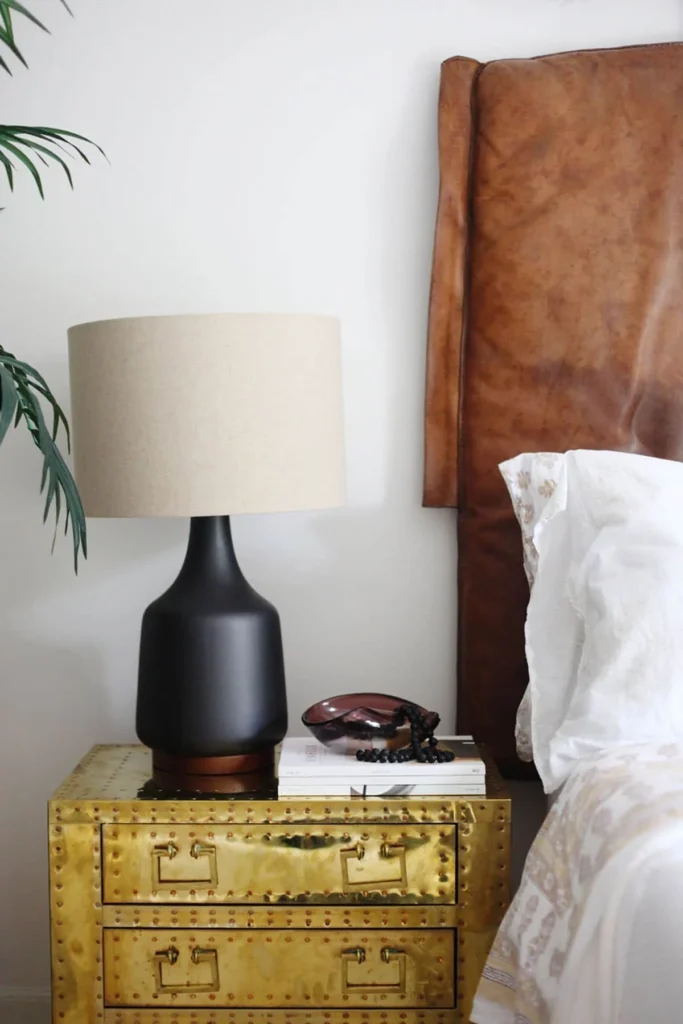
- Luxe coastal: Choose high-quality linen bedding, a statement leather or upholstered bench, and introduce brass accents. Splurge on a large statement piece of art for a focal point. Result: elevated coastal elegance.
Budget variations:
- Luxury: custom reclaimed wood headboard, high-end organic bedding, designer lighting.
- Mid-range: thrifted frames refurbished, quality linen bedding from seasonal sales, a good mid-priced rug.
- Budget/thrifted: paint a plywood headboard with a weathered finish, layer thrifted quilts and pillows, and upcycle baskets with new liners.
Seasonal occasions:
- Summer: swap thicker blankets for lightweight linen throws, add shells or driftwood vignettes.
- Winter holidays:Introduce warm terracotta accents, heavier knit blankets, and amber glass candles for cozy layering.
Decor Q&A
Q: Can I make this look work in a tiny bedroom?
A: Absolutely—focus on a light palette, one statement texture (like a jute rug), and vertical storage. Choose multifunctional furniture like a bench with hidden storage.
Q: Is this renter-friendly?
A: Yes. Most elements are non-permanent: textiles, rugs, lamps, mirrors, and hanging art. Use removable hooks and peel-and-stick wall treatments if you want an accent wall without damage.
Q: How do I match this style with existing furniture that’s darker or more modern?
A: Balance dark pieces with lighter textiles and warm wood accents. Introduce woven elements and plants to soften modern edges and add cohesion.
Q: Where can I find good-quality, budget-friendly materials?
A: Look for thrift stores and online marketplaces for unique wood pieces and baskets; local home stores and seasonal markets often have great linen and ceramic finds at reasonable prices.
Q: What’s the best way to keep added textiles from looking tired?
A: Rotate and wash linens seasonally, and invest in a few high-quality neutral pieces that will be the base of your layering strategy.
Conclusion
Earthy coastal bedrooms are more than a trend—they’re a lifestyle choice that brings the restorative rhythm of the coast into daily life through texture, tone, and slow-made detail. Try layering natural fibers, introducing a reclaimed-wood focal point, and using warm lighting to create a retreat that feels both curated and comfortable. Share your before-and-after photos, questions, or favorite sourcing tips in the comments so we can learn from each other and keep building beautiful, livable homes.
For event-inspired styling tips that can help you plan seasonal gatherings in your newly styled room, check this curated list of event theme ideas. For a travel-inspired palette and moodboard, this Hawaii island-hopping itinerary offers sensory cues you can translate into color and texture. Explore more ideas on Moderndecorum.com and join our community for regular inspiration.