Table of Contents
Why This Decor Idea Matters
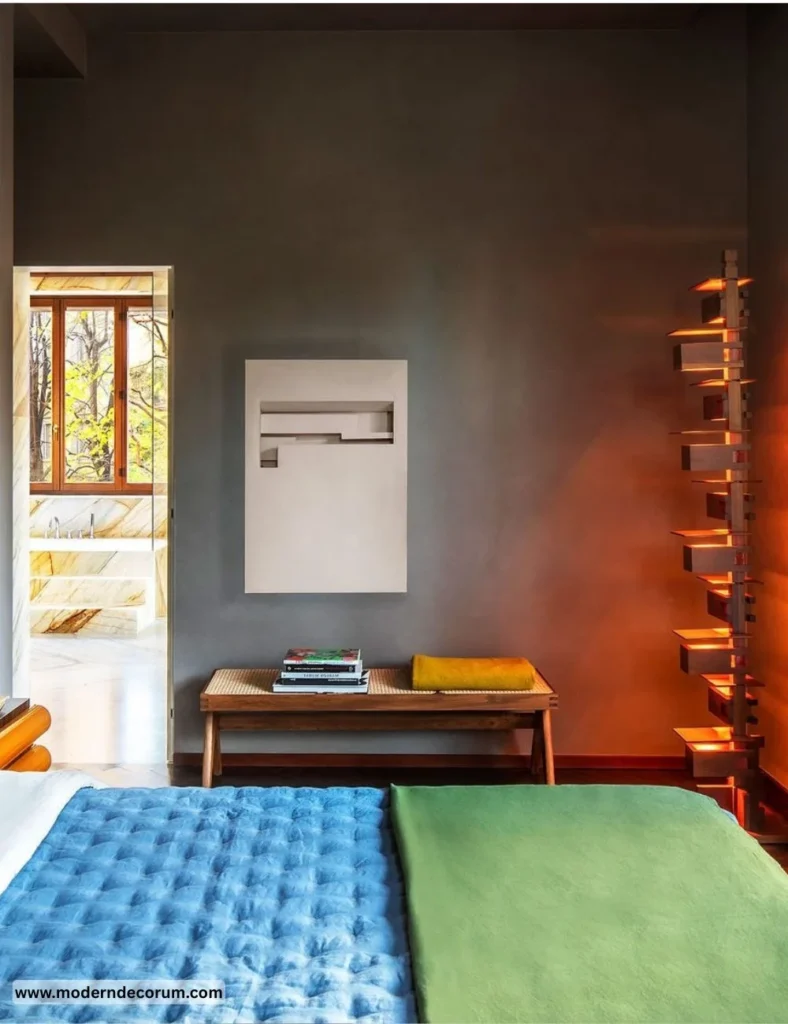
Colors With Gray are the secret to unlocking the full potential of this versatile neutral. Gray has become the ultimate choice in modern interiors—elegant, timeless, and adaptable to nearly any décor style. Its true magic emerges when paired with complementary colors that enhance depth and create a balanced, inviting space.
In 2025, designers are using gray as a base to bring sophistication and personality into homes. By carefully selecting accent hues, you can transform gray walls, furniture, or textiles into a dynamic palette that feels contemporary, cozy, or even bold—depending on the look you desire.
What You’ll Need
To create a harmonious gray-based palette, gather:
- Gray Paint, Furniture, or Textiles
- Purpose: Acts as the neutral foundation for your design.
- Tip: Test warm vs. cool grays to match lighting and other elements.
- Complementary Accent Colors
- Purpose: Introduce pops of color through walls, décor, or accessories.
- Examples: Cushions, throws, artwork, or furniture pieces.
- Textures and Materials
- Purpose: Prevent gray from feeling flat by adding depth and visual interest.
- Pro Tip: Use wood, velvet, metallics, or natural fibers.
- Lighting
- Purpose: Ensures your gray and accent colors look their best.
- Tip: Adjust warm or cool lighting to highlight undertones.
Decorating Steps
Step 1: Choose Your Gray Base
- Action: Select a shade that complements your room’s lighting and purpose.
- Rationale: Warm grays create cozy spaces, while cool grays feel crisp and modern.
Step 2: Pick Complementary Colors
- Action: Decide on one or two accent colors from our designer-approved list.
- Rationale: Creates a balanced, visually appealing palette.
Step 3: Introduce Colors Strategically
- Action: Use accent colors in wall paint, furniture, textiles, or décor.
- Rationale: Ensures the space feels dynamic without overwhelming the neutral base.
Step 4: Layer Textures
- Action: Mix fabrics, rugs, and finishes in complementary tones.
- Rationale: Adds depth, warmth, and visual interest to gray-heavy spaces.
Step 5: Adjust Lighting
- Action: Position lamps and use natural light to showcase both gray and accent colors.
- Rationale: Highlights undertones and enhances the overall ambiance.
20 Designer-Approved Colors That Go With Gray
Warm Tones
- Soft Blush Pink – Adds warmth and subtle elegance.
- Terracotta – Brings a natural, earthy feel.
- Mustard Yellow – Creates cheerful, energetic accents.
- Burnt Orange – Bold, cozy, and inviting.
- Warm Beige – Maintains neutrality while adding softness.
Cool Tones
- Soft Aqua – Refreshing and calming.
- Teal – Adds richness and sophistication.
- Navy Blue – Timeless, bold, and versatile.
- Sage Green – Brings nature-inspired serenity.
- Dusty Lavender – Soft, subtle, and relaxing.
Neutral & Metallic Accents
- White – Crisp, classic contrast.
- Black – Adds drama and modern flair.
- Charcoal – Deeper contrast for layered neutrals.
- Warm Wood Tones – Natural texture and warmth.
- Gold or Brass – Luxurious metallic highlights.
Vibrant & Playful Colors
- Coral – Cheerful and contemporary.
- Emerald Green – Rich, luxurious, and energizing.
- Cobalt Blue – Vibrant, bold, and stylish.
- Blush Peach – Soft and feminine accent.
- Lavender Gray – Harmonious tonal layering with subtle color.
Design Tips & Variations
- Accent Walls: Use bold colors on a single wall for drama.
- Textile Layering: Combine throws, cushions, and rugs in accent colors to add depth.
- Metallic Finishes: Gold, brass, or silver accessories complement gray beautifully.
- Seasonal Updates: Swap small accents like pillows or vases for fresh looks without repainting.
- Mix Warm and Cool Tones: Balance warmth and coolness to suit lighting and mood preferences.
FAQ / Common Challenges
Q: How do I choose the best gray undertone?
- Answer: Test swatches in your room’s lighting; warm grays suit cozy spaces, cool grays for modern, airy rooms.
Q: Can gray be too cold or boring?
- Answer: Layer textures, accent colors, and metallics to keep it dynamic and inviting.
Q: Are these colors suitable for small spaces?
- Answer: Yes—lighter or muted accent colors pair well with gray to open up a room.
Q: Can I mix multiple accent colors?
- Answer: Absolutely—choose complementary tones to create depth and personality without clashing.
Conclusion & Call to Action
Gray is a versatile and timeless foundation for any interior. When paired with these 20 designer-approved colors, it transforms into a palette that is stylish, inviting, and perfectly balanced. Layer textures, play with accents, and adjust lighting to make gray the hero of your space.
Which accent color will you pair with gray in your home first? Start experimenting and see how a neutral foundation can bring your space to life!