Backyard Fence Landscaping Ideas 2026: Compact Backyard Fence Landscaping Ideas For Small Spaces — Introduction
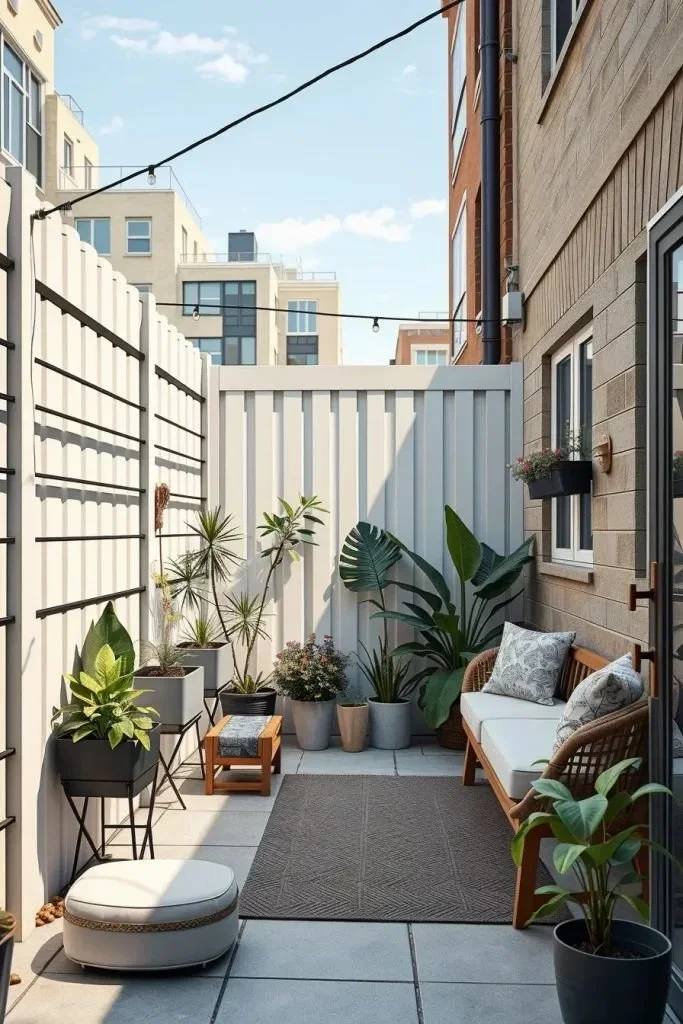
Imagine stepping into a tiny backyard that feels like a secret courtyard: the scent of warm cedar mixing with the green, citrusy perfume of clipped herbs; sunlight dappled through vertical planters; a low fence dressed in woven screens and trailing vines that soften the boundary without swallowing the view. Compact backyard fence landscaping in 2026 is about turning narrow perimeters into layered, tactile edges—textured wood, matte black metal, soft jute, and glossy ceramic pots combine to make a scene that feels both modern and decidedly lived‑in.
This approach matters because fences are more than dividers — they’re canvases. In a small outdoor space, the fence becomes the focal plane that governs scale, mood, and usefulness. A thoughtfully landscaped fence can create cozy nooks for reading at dusk, a cheery backdrop for weekend BBQs, and a practical system for growing fresh herbs or seasonal flowers. For hosts, it’s the difference between an unremarkable yard and an inviting outdoor room. For everyday living, it’s a mood elevator: color, scent, and texture right where you pass most often.
These compact landscaping ideas shine during a seasonal refresh when you want a quick update; they’re perfect for creating cozy corners to sip tea or for renter‑friendly changes that leave the structure intact. They also work beautifully for modern updates (think slim planters and LED string lighting), decorating on a budget (reuse pallets, repaint the fence), or preparing a compact outdoor space for gatherings and holidays with minimal fuss.
If you’re squeezing big style into a tiny plot, start by browsing practical small‑space inspiration like these small living room ideas for tiny spaces—many of the same principles about scale, storage, and layering translate directly to backyard fence design.
At a Glance
Backyard Fence Landscaping Ideas 2026: Compact Backyard Fence Landscaping Ideas For Small Spaces refers to using the fence as an integrated design feature—combining planters, screens, lighting, and decor to maximize both beauty and function in small yards.
Main style: modern‑minimal with options to lean boho, coastal, or cottage depending on materials and plants.
Typical colors, materials, textures:
- Colors: warm wood tones, matte black, soft whites, verdant greens, pops of terra cotta or muted coral.
- Materials: cedar or composite slats, galvanized metal planters, ceramic pots, jute and rattan accessories, outdoor textiles.
- Textures: woven fibers, rough wood grain, smooth ceramics, trailing foliage.
Best zones: tiny backyard patios, balcony fences, side yards, rooftop gardens, and courtyard edges.
DIY vs. store‑bought: a mix — easy DIY for vertical planters, pallet screens, and paint treatments; store‑bought for custom metal planters, LED lighting, and professional staining.
Design Impact
Using the fence as a layered backdrop instantly changes how the entire outdoor room feels. Visually, a treated fence (painted or stained in a strategic color) can push the boundaries outward or pull focus inward. Light colors reflect sun and make the yard feel larger; deep, warm stains create a cocooned, intimate vibe ideal for evening entertaining. Adding vertical planters and hung pots draws the eye up, which also improves perceived height in short, walled spaces.
Emotionally, compact fence landscaping adds comfort and personality. Imagine late‑summer evenings with the subtle hum of fairy lights, the tactile softness of a cushion, and the fragrant comfort of rosemary and lavender filling the air. This combination reduces urban noise and visual clutter, creating a pause in a busy day. Practically, these treatments also add storage and function—shelf planters become herb racks, and narrow ledges serve as staging points for drinks or potted succulents during gatherings.
A day scenario: you work from home in the morning, take a coffee break in the sunlit corner where a fence‑mounted planter provides privacy and a green view; in the evening, that same fence holds string lights and a narrow shelf for snacks, transforming the space for friends. A simple fence refresh can make those different moments feel curated and intentional.
Why Choose It
Compact fence landscaping is especially smart for renters, urban families, and anyone with limited square footage who still values outdoor living. It’s flexible: pieces can be moved or removed, and many upgrades—like hanging planters or lattice—can be installed with removable hooks or freestanding supports so you don’t damage the fence.
Key strengths include affordability, seasonal friendliness, and small‑space efficiency. You can achieve high impact with low cost: repaint the fence, attach a row of thrifted terracotta pots, and add an outdoor wool rug to instantly elevate the space. For design lovers, the fence is a customizable backdrop that refreshes the entire yard’s palette without a full renovation.
Problem‑solving example: a narrow side yard with a blank six‑foot fence feels like wasted space. Installing slender vertical planters and a narrow fold‑down table transforms that dead wall into a functional potting bench and breakfast bar, solving both lack of storage and seating.
(For ideas that apply indoor‑outdoor principles to tiny spaces, check these small bathroom ideas with tub for tight spaces for creative parallels on scale and storage.)
How to Style Backyard Fence Landscaping Ideas 2026: Compact Backyard Fence Landscaping Ideas For Small Spaces
{ingredients}
- Main items:
- A clean, painted or stained fence surface (wood, composite)
- Vertical planters (pocket planters, slatted boxes, metal troughs)
- Hanging pots and S‑hooks or outdoor brackets
- Narrow ledges or floating shelves (treated wood or metal)
- Outdoor‑safe cushions, rug, and a small bistro table
- Weatherproof outdoor lights (string, integrated LED strips)
- Optional extras:
- Trellis or lattice panels for climbing plants
- Decorative screens or woven panels
- Small water feature (wall fountain) or bird feeder
- Potted trees or taller palms in corners for height balance
- Budget substitutions:
- Reclaimed pallets for DIY planters and shelving
- Repainted thrifted pots and secondhand lighting
- PVC pipe cut and painted as lightweight planters
{directions}
- Start with the fence finish. Clean, sand, and apply a stain or exterior paint. Tip: choose a light tone to expand perceived space, or a warm mid‑tone for a cozy backdrop.
- Plan the vertical layout. Sketch the fence and mark 3–4 focal zones: a central statement cluster, two flanking planters, and a shelf area. Keep taller elements toward the corners for balance.
- Install sturdy hanging anchors or brackets. Use removable deck screws or heavy‑duty adhesive hooks for renters when possible; for permanent fences, use exterior screws spaced evenly.
- Add vertical planters at eye level. Plant a mix of trailing and upright species—trailing ivy and thyme on top, compact lettuce or succulents below—to create a layered, textured look. Tip: stagger pot sizes to avoid a rigid grid.
- Integrate a shelf or fold‑down table. Place it at comfortable arm height (about 36 inches for a standing potting shelf, 28–30 inches for a café table). Keep clearance for doors and traffic flow.
- Layer lighting. String lights horizontally along the top rail or weave LED strips behind planters to create soft backlighting. Use warm bulbs (2700K–3000K) for cozy nights.
- Add textiles and floor anchors. A small outdoor rug and one or two weatherproof cushions settle the space. Use a single accent color repeated in pots or throws to tie the fence styling to furniture.
- Final details: place aromatics near seating, add a small mirror to bounce light, and install a drip irrigation tube for low‑maintenance watering. Avoid overcrowding—leave breathing room for plants to grow.
Common mistakes to avoid: placing too many large pots at the same height (creates visual heaviness); hanging lights at awkward eye level (avoid glare); and over‑watering trailing plants which can rot in small pockets—use well‑draining soil mixes.
Best Pairings
Showcase a landscaped fence by pairing it with simple, tactile accessories that don’t compete visually. In an entry courtyard, pair a warm stained fence with a woven bench, a mud‑resistant rug, and a row of small herb planters for a utilitarian charm. In a living room adjacent patio, use a matte black fence treatment with industrial metal planters and low, concrete stools to continue an urban, minimalist aesthetic.
Pairings to consider:
- Plants: herbs (rosemary, thyme), trailing vines (clematis, jasmine), compact shrubs in pots.
- Decor: outdoor rugs, lanterns or low candles, mirrors to enlarge the view.
- Furniture: foldable bistro sets, built‑in bench with storage, small poufs.
- Textiles: weatherproof cushions in muted palettes, striped throw for coastal themes.
Small‑space idea: in a balcony setup, use a single vertical planter column and a wall‑mounted fold‑down table to keep floor space clear. For larger open‑plan yards, treat one fence as a “feature wall” with a denser planting arrangement and an integrated water feature to anchor the overall landscape.
How to Maintain
Caring for fence landscaping keeps the investment looking fresh. For wooden fences, annual cleaning and a light refresh of stain or paint every 2–3 years prevents weathering. Metal planters should be rinsed and checked for rust spots—sand and repaint with rust‑inhibiting paint if needed.
Plants: deadhead flowers and trim trailing vines monthly to maintain shape. Check soil moisture regularly—small planters dry faster, so use water‑retentive soil mixes or install simple drip timers. Dust outdoor lights and polish ceramic pots seasonally to keep colors vivid.
Storage: move delicate textiles and loose decor indoors during prolonged rainy spells or winter. If you live in a sun‑heavy climate, rotate potted plants seasonally and protect porous materials from sun bleaching with UV‑resistant fabric covers. Refresh textiles and pot groupings every season to avoid a stale look.
Designer’s Advice
- Scale rule: never place an item wider than one‑third of the fence panel width; break visual mass into smaller groupings.
- Layer light: combine overhead string lights, task lighting near seating, and subtle backlighting behind planters.
- Color cohesion: pick two neutrals and one accent color and repeat them across pots, cushions, and planters.
- Texture mix: pair at least three textures (wood, metal, fiber) to keep the composition tactile.
- Negative space: allow empty fence space between clusters to avoid a cluttered appearance.
- Movement matters: include at least one plant with changing form (grasses, vines) to add life and seasonal interest.
- Renter hack: use tension poles and freestanding screens if you can’t drill into the fence.
Creative Variations
- Minimalist Modern: slim black metal trough planters, white gravel mulch, and soft LED strips for a monochrome, clean look.
- Cozy Cottage: warm cedar stain, hanging baskets filled with pastel petunias, string lights, and a small wooden bench with textured cushions.
- Budget/Thrifted: reclaimed pallets as planter boxes, painted mismatched terracotta pots, and secondhand lanterns—big charm, low cost.
- Seasonal Party Setup: temporary bunting, removable mini‑wreaths, and extra battery lanterns for evenings; swap plants for seasonal blooms.
Frequently Asked Questions
Q: Can I use these ideas in an apartment balcony? A: Yes. Use lighter, portable planters and wall hooks; opt for railing planters or vertical pockets to save floor space.
Q: Will this harm my fence if I use hanging planters? A: If you use proper anchors and avoid continuous moisture against the wood, it’s safe. Use trays or linings in planters to prevent direct water contact.
Q: Are these designs renter‑friendly? A: Many elements—hanging planters on removable hooks, fold‑down shelves, and freestanding screens—are renter‑friendly. Avoid drilling by using clamp or tension fixes when needed.
Q: Where can I find affordable planters and materials? A: Check local garden centers, flea markets, or big‑box stores for seasonal clearance; thrift stores often have usable pots and decor that can be refreshed with paint.
Q: How do I protect materials from sun and rain? A: Choose UV‑resistant fabrics and seal wood with an outdoor finish. Bring cushions inside prolonged rain and use rust‑proof metal finishes.
Conclusion
Ready to give your fence a makeover that feels larger than the space itself? These compact backyard fence landscaping ideas are an efficient, beautiful way to add privacy, function, and style—whether you’re hosting a summer dinner or stealing a quiet morning in among the herbs. Try one small change first: a painted panel, a vertical pocket planter, or warm string lights, and let that inspire the rest.
For inspiration on creating pollinator‑friendly pockets in those planters, read this thoughtful guide to a beginner pollinator garden: the 3 x 3 x 3 system, and for practical spacing and plant rules in small gardens, check these 3 Rules of Thumb for Small Space Gardening.
We’d love to see your transformations—share photos, questions, or tips in the comments and explore more backyard and small‑space ideas across Moderndecorum.com. Join our community for seasonal guides, DIYs, and styling shoots that make small spaces sing.