Corner Bookshelves Bedroom: Elevating Your Space with Style and Functionality – Fuss Free Home
Imagine sinking into your favorite armchair at dusk, a warm amber glow from a tucked-away lamp spilling across a curve of wooden shelves. The corner next to your bed—once an awkward wedge of unusable space—now holds a vertical garden of stories: stacked novels, a framed photo leaning against a ceramic vase, a small woven basket hiding nighttime essentials. The textures are layered: matte plaster walls, a soft wool throw draped over the chair, the cool smoothness of glass, and the grain of reclaimed wood shelves. The mood is intimate, intentionally curated, and quietly luxurious.
Corner bookshelves in the bedroom do more than store books. They create a sanctuary, an intentional slice of the home where comfort meets personality. That corner becomes a stage for your life: mugs after slow weekend mornings, a stack of notebooks for midnight ideas, or a triptych of travel souvenirs that spark conversation when friends stay over. It’s a decor idea that feels personal because it celebrates the daily rituals that make a house a home.
This approach is perfect for seasonal refreshes, cozying up for winter, or adding a modern update without major renovations. Renters love the low‑commitment transformation; homeowners appreciate the layered, built-to-last texture it brings. It’s also a budget-friendly way to prep for gatherings—style the shelves with seasonal greenery and soft lighting for a holiday-ready bedroom that guests will remember.
Whether you want a minimalist corner that whispers calm or a lush, maximalist library nook, corner bookshelves are adaptable. Read on for practical tips, step-by-step styling, maintenance advice, and creative variations so you can bring this fuss-free, high-impact idea to life.
At a Glance
Corner bookshelves are a multifunctional furniture solution—part storage, part decor focal point—designed to fit into an otherwise unused angle of your bedroom. They can be freestanding ladder shelves, built-in floating units, or custom cubby systems that hug the corner with elegant geometry.
Main style: adaptable — modern minimalism, Scandinavian warmth, boho eclectic, or rustic farmhouse. Typical colors and materials include warm woods (oak, walnut), painted MDF in soft neutrals, matte black or brass metal frames, and accents like rattan baskets or ceramic pottery for texture. Best rooms: bedrooms are ideal, but they also work beautifully in entryways, living rooms, and home offices. Level of DIY vs. buying ready-made: mix — many options are store-bought, but simple bracketed shelves or painted IKEA-style units are easy DIY upgrades.
- Item type: furniture + decor display
- Common materials: solid or engineered wood, metal frames, MDF, glass
- Typical colors: warm neutrals, deep charcoal, soft white, muted pastels
- Best zones: bedroom corner, reading nook, beside a vanity, or behind a desk
- DIY level: easy to moderate (shelves + paint) to advanced for built-ins
Why It Works
Visually, a corner bookshelf transforms an awkward negative space into a vertical anchor that draws the eye upward. It restores balance to a room by filling a triangle of air that would otherwise create a cold, empty feeling. Shelves break the horizontal plane of bed and dresser, introducing vertical rhythm—the eye moves up and down among books, objects, and plants, which makes the room feel larger and more intentional.
Emotionally, the presence of books and curated objects crafts a sense of calm and personal history. A bedroom should be restorative; seeing a collection of favorite titles or soothing pottery can make the space feel lived-in and loved. For someone working from home or keeping an evening routine, a corner bookshelf offers both motivation—displaying inspiring reads or a neat stack of work-related notebooks—and relaxation—a place to park a candle, a small speaker, and a lavender sachet for bedtime.
Practically, corner bookshelves maximize storage without overwhelming floor space. Use closed baskets to hide clutter, open shelves for treasured displays, and a lower shelf as a bedside caddy for reading material or a charging station. Imagine a rainy weekend morning: you reach for a coffee, peruse the shelf for a new novel, and curl up in a pocket of light. Or picture hosting overnight guests: swap out a few items for extra towels and a tray with bottled water—functional and welcoming.
Why Choose It
Corner bookshelves are a smart choice for renters, small-space dwellers, families, and anyone who loves a mix of order and soul. Renters can opt for freestanding ladder shelves or tension-based corner units that require no wall anchors. Small apartments benefit from vertical storage that frees up floor space for seating or a bedside table. Families will value the cubbies for toy baskets and board games, while decor beginners can start simple and update gradually.
Key strengths include affordability (especially with IKEA-style or thrift finds), flexibility (shelves and styling can be swapped as tastes evolve), and timelessness—wood and neutral tones age gracefully. These units are seasonal-friendly: swap greenery and decorative pumpkins in fall, fresh white ceramics and shells in summer, or twinkling string lights for winter festivities.
Real-life problem solved: an empty wall beside the bed that makes the room feel lopsided becomes a functional focal point with a corner bookshelf. A dark corner that used to collect luggage and dust morphs into a lit reading nook with a small lamp and mirror reflecting light back into the room. For cluttered nightstands, a mid-height shelf provides designated space for chargers, glasses, and bedside books, keeping surfaces tidy.
How to Style Corner Bookshelves Bedroom: Elevating Your Space with Style and Functionality – Fuss Free Home
{ingredients}
- Main items:
- Corner bookshelf (ladder, freestanding tiered unit, or built-in shelves)
- Small table lamp or clip-on light
- A selection of books (mix vertical and horizontal stacks)
- Decorative objects (vases, framed photos, sculptures)
- Woven baskets for concealed storage
- Small plant (pothos, snake plant, or a trailing ivy)
- Optional extras:
- Fairy lights or LED strip lighting
- Decorative trays, small mirror, candleholder
- Textiles: throw, cushion for nearby chair
- Anti-tip straps for freestanding units (for safety)
- Budget-friendly substitutions:
- Thrifted frames and vases instead of new ceramics
- Reclaimed wood planks and brackets for DIY shelving
- Tension pole corner shelves for renters
{directions}
- Assess the corner: measure width, depth, and ceiling height. Choose a shelf style that leaves clearance for doors and drawers. Tip: keep 2–3 inches of breathing room so the piece doesn’t feel cramped.
- Select a focal height: place your largest decorative item at eye level (about 57–60 inches from the floor). This helps anchor the display visually.
- Mix vertical and horizontal book stacks: alternate rows of upright books with small horizontal stacks topped by an object to create rhythm. Avoid lining all spines the same way—mix color and texture for depth.
- Group in threes: cluster small objects (a vase, a frame, and a candle) in odd numbers for a natural look. Use varying heights and materials to keep it interesting.
- Layer with greenery and light: tuck a trailing plant on an upper shelf so it cascades down. Add a warm-toned lamp or LED strip along the back of a shelf for soft, layered light.
- Balance open and hidden storage: use woven baskets or lidded boxes on lower shelves to conceal electronics, socks, or chargers. Leave upper shelves open for decorative displays.
- Coordinate color and texture: match shelf tone to bedroom furniture for cohesion, or pick a contrasting finish (black metal or painted white) to make the corner pop. For a cozy look, lean into warm woods and soft earth tones.
- Keep scale in mind: avoid tiny objects on massive shelves; instead, use larger pieces or territory the space with several medium items to fill visual area.
- Edit regularly: every month, remove one item and replace it with something new. This keeps the shelf from becoming static and encourages seasonal refreshes.
- Secure tall units: for safety, anchor taller freestanding units to the wall. This is especially important in homes with kids or pets.
Common mistakes to avoid: overcrowding shelves (leave negative space), choosing too-deep shelves that obscure lighting, and neglecting stability—fix by re-editing, switching to shallower units, and installing anti-tip brackets.
Showcasing Ideas
Corner bookshelves work as a quiet hero across room types. In the bedroom, make the shelf your bedside companion—place a lamp on the second shelf, a basket with extra throw blankets below, and a few scented candles on a higher tier for nighttime ritual. In a home office, use the top shelves for reference books and the lower ones for storage boxes of supplies.
Pair the bookshelf with plants for a fresh, lived-in look: a tall fiddle-leaf next to the unit softens lines, while small succulents perched among books add visual punctuation. Mirror-backed shelves or a round mirror hung above reflect light and amplify the sense of space. Rugs and throws in complementary tones tie the corner into the rest of the bedroom palette.
- Entryway idea: slim corner shelf for keys, mail trays, and a small catch-all bowl.
- Small-space trick: choose a narrow ladder shelf and add a single pendant to avoid floor clutter.
- Open-plan approach: use a corner bookshelf as a soft divider—place taller plants on the top to demarcate the bedroom area visually without a full wall.
How to Maintain
Cleaning and care depend on materials. Dust wooden shelves weekly with a microfiber cloth; for deeper clean, use a slightly damp cloth followed by a dry one, and avoid harsh chemicals that can strip finishes. Metal frames can be wiped with a damp cloth and dried immediately to prevent rust spots. Glass or ceramic objects benefit from occasional gentle washing and polishing.
Rotate textiles like throws and cushions seasonally—wash according to fabric instructions every few months, and air out pillows to keep them fresh. Dust plants’ leaves to maintain their health and visual appeal. Perform a quarterly shelf edit: remove items that feel stale, rearrange to refresh the display, and check baskets or boxes for accumulated clutter.
For seasonal storage, keep delicate items in acid-free tissue and plastic bins with tight lids to protect from moisture and pests. Avoid placing shelves in direct sunlight for extended periods to prevent fading of wood and fabrics.
Designer’s Advice
- Scale matters: choose shelf depth proportional to room size—shallow (8–10") for small bedrooms, deeper (12–14") for larger displays.
- Create a sense of rhythm by varying object heights and using odd-number groupings.
- Use warm LED bulbs (2700K–3000K) for bedroom shelves to promote relaxation.
- Anchor the corner visually by aligning the shelf finish with one major piece of furniture (bed frame or dresser).
- Add a mirrored or metallic object to bounce light into darker corners.
- Keep a palette of 3–4 colors or textures to avoid visual clutter.
- Use baskets on lower shelves to keep the top visually light and intentional.
Creative Variations
Minimalist: Slim, matte-black metal ladder shelves with a curated selection of neutral-toned books, a single sculptural vase, and a potted snake plant. Clean lines, negative space, and a restrained palette create a calm, airy corner.
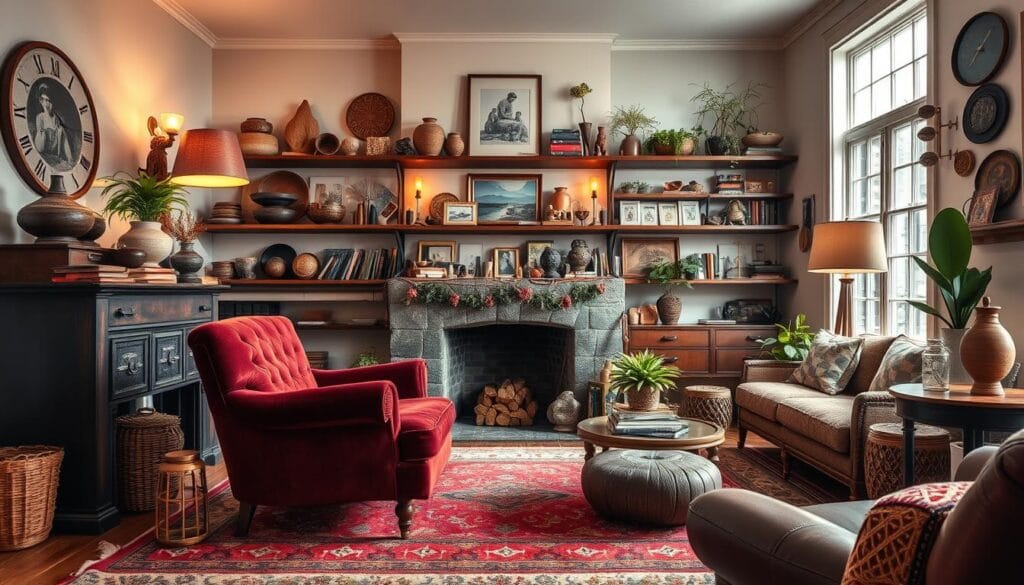
Cozy/Boho: Warm reclaimed wood shelves, woven baskets, layered textiles (a fringed throw draped nearby), string lights, and a mix of vintage and handmade ceramics. This version feels tactile and personal—perfect for curl-up-and-stay evenings.
Budget/Thrifted: Stack wooden crates or repurposed drawers into a corner unit, sand and paint to coordinate with existing furniture, and hunt thrift shop vessels for unique accents. Add peel-and-stick LED strip lights behind shelves for a designer feel at a low cost.
Special occasion styling: For a holiday or party, swap everyday objects for themed decor—holiday greenery, candles, and a small tray with treats or a mini bar setup to welcome guests.
Frequently Asked Questions
Q: How do I match a corner bookshelf with my existing furniture and colors?
A: Anchor the shelf finish to a dominant bedroom tone—match wood to bedside tables or pick a contrasting finish and repeat that color in small accents (lamp, frame) for cohesion.
Q: Can this idea work in a studio or very small apartment?
A: Yes—choose narrow, vertical shelving like a ladder shelf or floating corner units. Use baskets to hide clutter and keep the top shelves for display, creating the illusion of organization.
Q: Is this renter-friendly?
A: Absolutely. Freestanding ladder shelves, tension pole corner shelves, or lightweight floating shelves that use removable adhesive brackets are great renter options that leave walls intact.
Q: Where can I find good-quality items without overspending?
A: Look for local furniture stores, secondhand markets, and online marketplaces for solid wood or metal frames. You can also repurpose thrifted pieces or create DIY plank-and-bracket shelves.
Q: What’s the best way to clean and store seasonal decor?
A: Dust weekly and do deeper cleaning quarterly. Store delicate seasonal items in labeled bins with silica packets to control moisture, and keep them in a cool, dry place away from sunlight.
Conclusion
Ready to transform that neglected corner into a cozy, functional focal point? Whether you’re building a custom unit or styling an affordable ladder shelf, the corner bookshelf is a versatile piece that elevates both style and daily life. Try a small weekend project: measure your space, pick a shelf, curate a few favorite objects, and watch the room settle into a more intentional rhythm.
Share your before-and-after photos, questions, or styling tips in the comments—our Moderndecorum community loves seeing real homes come to life. For inspiration or starter pieces, consider options like Pulaski Bookshelves & Bookcases | Coleman Furniture for classic designs, or a compact freestanding pick like the Maydear Bamboo Ladder Shelf Bookcase, 4-Tier if you’re aiming for a light, airy ladder style. Visit Moderndecorum.com for more fuss-free decor ideas and join our newsletter for seasonal styling guides and community highlights.