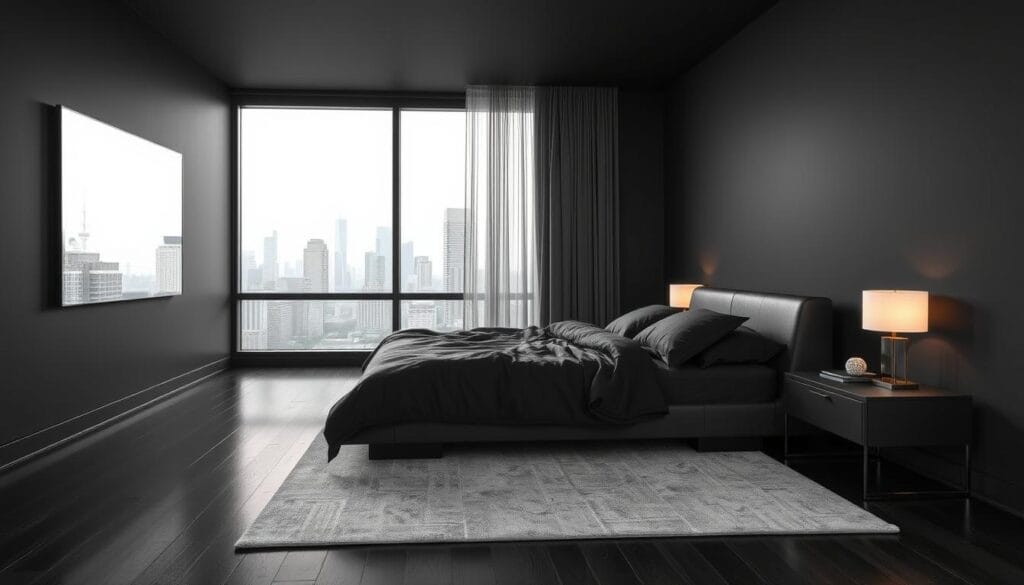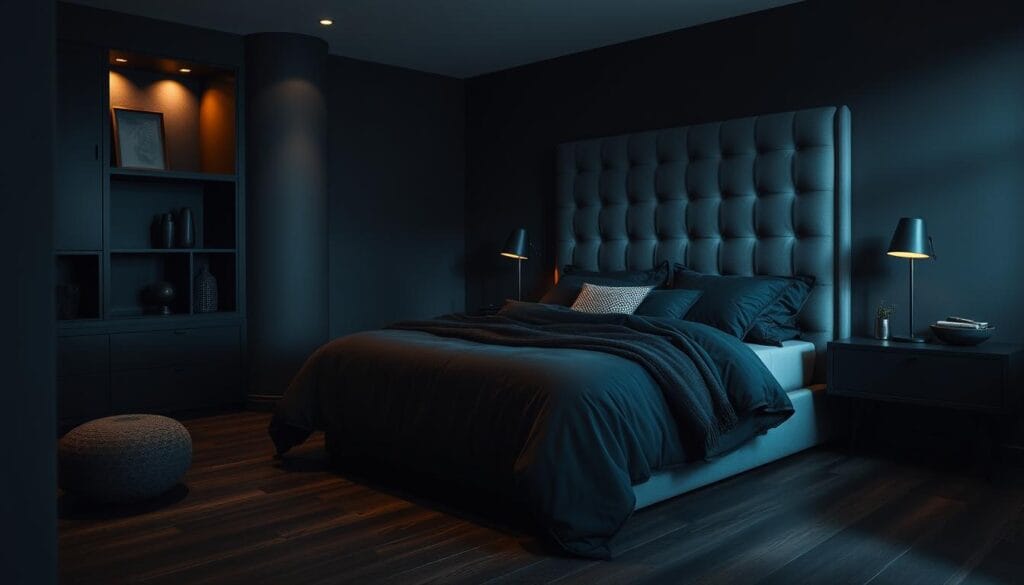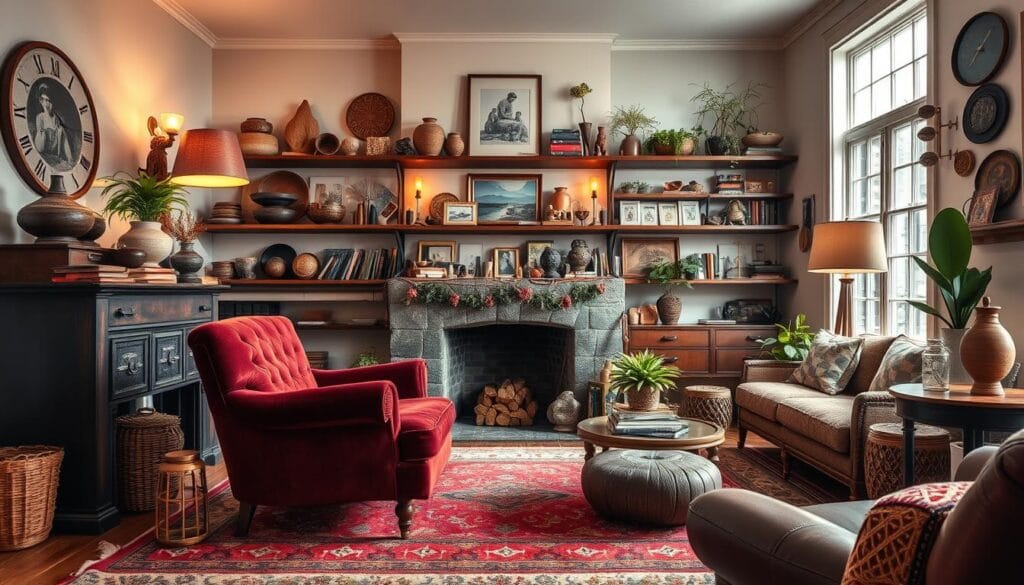

Cozy Leather Modern Living Room Design — A Warm Modern Classic
Imagine sinking into a deep, saddle-smooth leather sofa as late afternoon light pours through sheer curtains, warming the honeyed tones of the hide. The room breathes — a low-pile wool rug muffles footsteps, a sculpted metal lamp throws a soft pool of amber light, and a few well-placed cushions invite conversation or a quiet solo read. Cozy Leather Modern Living Room Design brings together tactile comfort and clean-lined modern form: it’s both an embrace and a statement, a room that looks curated but feels lived in.
This aesthetic matters because it gives homes a sense of personality that’s practical, not precious. Leather ages with stories — tiny creases and a soft patina tell you this is a space for evenings with friends, weekend projects, and slow Sunday mornings. The look is adaptable: pair warm cognac leather with black metal accents for an urban edge, or combine a chocolate brown sofa with woven baskets and reclaimed wood for a modern-rustic vibe. For many people the result is a living room that balances hospitality and hard-wearing function, perfect for families, hosts, and anyone who loves a room that feels both polished and comfortable.
Cozy Leather Modern Living Room Design is ideal for seasonal refreshes and renter-friendly updates alike. Swapping in a leather sofa or adding a leather armchair can update a dated layout without a full renovation; accent pieces like a leather pouf or tray can warm a neutral palette instantly. Whether you’re preparing for holiday gatherings, creating a peaceful work‑from‑home nook, or simply carving out a cozy corner for reading, this approach offers immediate sensory rewards — the soft scent of leather, the satisfying weight of a wool throw, and the glow of layered lighting.
To see more visual inspiration and variations on this theme, check out this deep dive into Cozy Leather Modern Living Room Design.
Decor Information
Cozy Leather Modern Living Room Design centers on furniture and textiles, with leather as the focal material. Think: sofas, armchairs, ottomans, and accent pieces (like leather-wrapped trays or framed leather art) paired with modern lighting and layered textiles.
Main style: modern with warm, contemporary accents; often borrowing from Scandinavian simplicity or industrial minimalism.
Typical colors, materials, and textures:
- Colors: warm browns, cognac, deep chocolate, tan, black leather; neutrals like cream, gray, and muted greens as balancing tones.
- Materials: full-grain or top-grain leather, wool and cotton textiles, matte metals (black or brass), wood (oak, walnut, reclaimed), glass, and stone.
- Textures: smooth leather, nubby knits, raw wood grain, soft sheepskin, woven baskets.
Best rooms or zones:
- Living room and lounge areas (primary).
- Secondary spots: reading nook, den, entryway bench, and home office accent chair.
Level of DIY vs. buying ready-made: mostly store-bought for core pieces (sofas, chairs), with easy DIY touches (reupholstery for small chairs, leather pillow covers, thrifted leather restoration).
Benefits
Visually, leather anchors a room. A leather sofa reads as a strong focal point that grounds lighter walls and airy layouts, creating contrast and depth without clutter. In modern schemes where clean lines and open space rule, leather introduces a warm, organic counterpoint — it doesn’t compete with minimalism; it softens it. Strategically placed, a leather piece can balance a room with a lot of glass or metal and add a cozy visual weight to open-plan living.
Emotionally, this design heightens comfort and confidence. Leather’s tactile richness invites touch and signals hospitality: guests relax more easily on a sofa that looks inviting and well-made. For the homeowner, a leather-centric room reduces styling anxiety — it’s forgiving to spills and wear, so you spend less time policing couches and more time enjoying them. Picture movie nights where throws are casually draped, or afternoons when kids build a fort on the rug — the space feels relaxed and resilient.
Practically, leather is durable and low-maintenance compared with many fabrics. It’s easier to wipe down, resists most stains if treated promptly, and develops a handsome patina rather than fraying. Multi-use pieces like leather ottomans double as seating and a coffee-tray surface; a storage trunk with leather straps hides blankets and toys. For remote workdays, a small leather club chair can become a more focused seating option that still reads as part of the living room ensemble.
Why Choose It
Cozy Leather Modern Living Room Design is perfect for people who want style without fragility. Renters and small‑space dwellers appreciate that a single well-chosen leather piece can elevate an entire room without permanent changes. Families and pet owners benefit from leather’s durability and easy-clean qualities. Design beginners will find the look forgiving — leather pairs well with many accents so you don’t need to commit to a strict color wheel.
Key strengths include flexibility and longevity. Leather is timeless: a mid-century leather sofa works in a trendy loft or a traditional townhouse. It’s also easy to update — swap pillows and rugs each season to refresh the mood without replacing big-ticket items. In small spaces, a compact leather loveseat or a slim-profile leather chair offers function with style; in larger homes, oversized sectional leather sofas can define a conversation area.
Real-life problem solved: An apartment with pale walls and a bland sofa can feel impersonal. Adding a cognac leather armchair and a textured throw instantly creates a focal point and adds warmth. Another common issue is a dark corner; a leather chair plus a tall tripod lamp and a small side table can turn that shadowy spot into a purposeful reading nook.
How to Style Cozy Leather Modern Living Room Design
Ingredients
- Main items: leather sofa or accent chair (cognac, tan, brown, or black), area rug (wool or low-pile), coffee table (wood or metal), floor/table lamps, side table, throws and cushions.
- Optional upgrades: sheepskin or faux-sheepskin throw, leather pouf, stacked books, woven baskets, brass or matte black lighting, greenery (potted plants), art or framed photos.
- Budget-friendly alternatives: thrifted leather chairs (refinish or oil to restore), faux leather ottomans, IKEA-style wood coffee tables, secondhand rugs cleaned professionally, DIY leather tray made from a thrifted cutting board and leather strips.
Directions
- Choose the right scale: Select a leather sofa or chair that fits the room’s proportions. For small rooms, pick pieces with exposed legs and slimmer arms to preserve visual space; for large rooms, choose deeper seats and a wider sofa to balance the area.
- Start with a neutral base: Anchor the seating on a neutral rug and light-colored walls to let the leather’s warmth stand out. If your walls are dark, choose lighter textiles to keep contrast.
- Layer textures: Soften leather’s sleek surface with a chunky knit throw, a couple of linen or velvet cushions, and a wool rug. Aim for at least three distinct textures in the seating area to add depth.
- Balance metals and woods: Pair leather with a mix of matte black metal lighting and warm wood surfaces. Keep metal finishes consistent in the main planes (lamps, legs, hardware) to avoid a chaotic look.
- Position for conversation: Arrange seating so people face each other with a coffee table in the center. Leave traffic paths clear — maintain roughly 18 inches from sofa to coffee table and 30–36 inches between furniture groups for flow.
- Anchor with lighting: Use layered light — ambient ceiling light, a floor lamp for reading, and a table lamp or candlelight for mood. Warm bulbs (2700–3000K) enhance leather’s natural tones.
- Choose a focal point: If you have a fireplace or TV wall, let leather face it. If not, create a focal area with a statement rug and an art piece above the sofa.
- Accessorize sparingly: Leather makes a bold statement, so keep accessories curated. A leather-wrapped tray, one stack of books, and a single sculptural vase are enough.
- Edit seasonally: Swap cushion covers and throws seasonally — light linens in summer, wool and plaids in autumn — to keep the room feeling fresh.
- Avoid over-polishing: Over-conditioning leather can make it look glossy and lose character. Follow manufacturer care instructions and aim for a natural sheen.
Showcasing Ideas
In an entryway, a leather bench with brass legs and a woven basket for shoes makes arrivals feel intentional and polished. In a living room, pair a mid-century leather sofa with a round walnut coffee table and a large abstract print to create an art-forward vibe. For a bedroom, a small leather slipper chair at the corner becomes a stylish dressing bench.
Pair leather with:
- Plants: tall fiddle-leaf figs or trailing pothos soften edges and add life.
- Rugs: layered rugs (jute under a softer wool) create warmth and delineate zones.
- Mirrors and art: a round mirror warms modern coordinates, while framed black-and-white photography adds contrast.
- Throws & cushions: mix linen, velvet, and knit to keep the palette interesting.
- Baskets & trays: woven storage keeps clutter organized and complements leather’s warmth.
Small-space idea: Use a compact leather chair and a narrow console as a transition between living and entry. Large open-plan rooms: define zones with rugs, a sectional leather sofa, and low shelving to maintain sightlines while providing cozy pockets.
To explore more complementary ideas and earthy options, see this collection of earthy living room designs.
How to Maintain
Cleaning leather is straightforward but gentle. For light dust and surface dirt, wipe with a dry microfiber cloth weekly. For spills, blot immediately with a clean cloth — do not rub. Use a leather cleaner recommended for your leather type every 6–12 months; follow with a conditioner sparingly to maintain suppleness.
Dust wooden and metal surfaces weekly; vacuum rugs and upholstery monthly. Wash cushion covers according to their labels. Protect leather from intense direct sunlight to prevent fading and drying — consider UV-filtering curtains or rotating furniture seasonally to avoid uneven wear.
For seasonal storage, place textile items in breathable cotton bags rather than plastic to prevent mildew. If storing smaller leather goods, keep them in a cool, dry place away from heat sources. Regularly rotate cushions and rugs to even out wear and keep the room looking fresh.
Decor Expert Tips
- Keep scale balanced: large, low sofas pair best with low-profile coffee tables — match heights for visual harmony.
- Layer light: never rely on a single overhead fixture; combine task, ambient, and accent lighting.
- Mix metal finishes intentionally: pick two main metal tones (e.g., black and brass) and repeat them across pieces.
- Use rugs to define zones: a rug that’s too small makes the room feel fragmented; aim for at least the front legs of seating to sit on the rug.
- Embrace imperfection: small scuffs on leather add character — avoid over-repairing.
- Limit patterns to 2–3: use pattern sparingly and repeat colors to keep things cohesive.
- Test before buying: sit on sofas in-store for comfort and durability; leather feels different once broken in.
Creative Variations
Minimalist cozy: A black leather sofa, white walls, and a single textured ivory rug for a serene, pared-back space. Keep accessories to a few sculptural pieces and let form do the talking.
Colorful, eclectic twist: Pair a cognac leather sofa with jewel-toned cushions (teal, mustard), an artful gallery wall, and layered rugs for a livelier look that still reads modern.
Budget-friendly version: Thrift a worn leather chair and restore it with leather oil; add affordable linen cushion covers and a faux-sheepskin throw. Use secondhand wood for a DIY coffee table to complete the look.
Frequently Asked Questions
Q: Can leather work in small apartments?
A: Yes — choose narrow-arm or armless designs and exposed-leg frames to keep sightlines open. A single leather piece can anchor the room without overwhelming it.
Q: Is leather renter-friendly?
A: Generally yes. Leather is durable and easy to maintain. For deposits, avoid permanent alterations to the fabric and keep proof of professional cleaning if needed.
Q: How do I match leather with existing furniture?
A: Pull a color from an existing piece (a rug or curtain) and repeat it in cushions or art. Use neutral anchors (wood, black metal) to tie different elements together.
Q: Where can I find quality items without overspending?
A: Look for secondhand furniture, factory outlets, and local makers for mid-range options. Test pieces in person when possible and read return policies for online purchases.
Q: Best cleaning approach for light-colored leather?
A: Wipe gently and address stains immediately. Use cleaners made for light leathers and spot-test first. Consider protective treatments recommended for your leather type.
Conclusion
Ready to bring warmth, texture, and modern comfort to your living room? Try adding a leather anchor piece — even a single armchair or pouf can transform a cold layout into a welcoming space. If you want real-room inspiration, take a look at this inspiring Cozy Modern Living Room Reveal – Taryn Whiteaker Designs to see the style in action, and browse a visual roundup of stylish examples in this gallery of 23 Living Rooms With Leather Sofas That Look Incredible.
We’d love to see your Cozy Leather Modern Living Room — share photos or questions in the comments, or join the conversation on our newsletter and social channels. Explore more ideas and guides on Moderndecorum.com to keep shaping a home that feels like you.