Cozy Living Room: Pillows & Plush Seating Magic
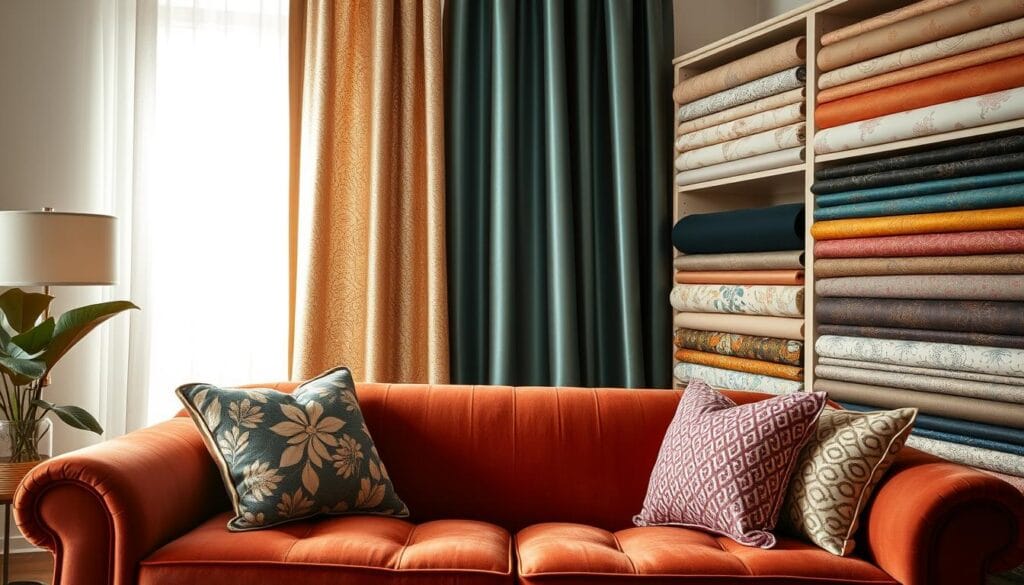
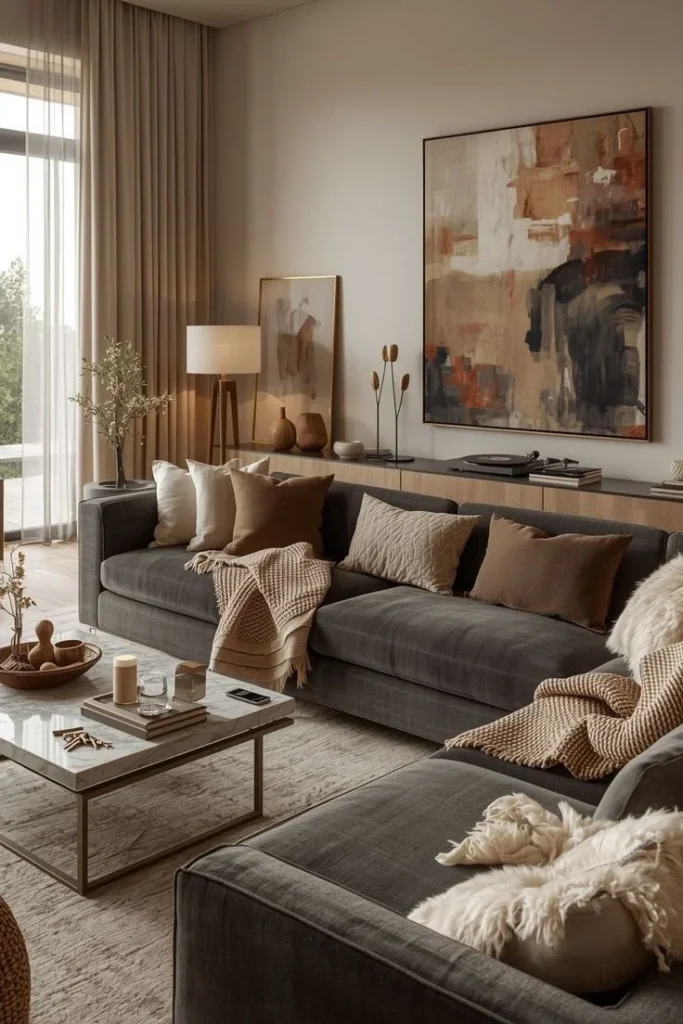
Imagine sinking into a sofa that seems to hug you back — cushions that press softly, a mix of velvet, nubby knit, and faux‑shearling under your fingertips, and a palette of warm caramel, soft gray, and a blush accent that makes the whole room feel like a private café. The light is low and golden from a table lamp; the rug underfoot is plush enough to quiet steps; the throw slips easily across your knees. This is the sensory language of a cozy living room: textures that invite touch, layered light that invites conversation, and furniture that invites lingering.
Cozy decor does more than look pretty. It promises a rhythm to daily life: a place to read on rainy afternoons, a welcoming scene for weekend guests, and a calm zone after a full day. That blend of aesthetics and function is why pillows and plush seating matter — they are the emotional infrastructure of a home. A well‑curated cushion ensemble can turn a basic sofa into a signature spot; a deep, upholstered chair can redefine a forgotten corner into your favorite nook.
This approach is incredibly versatile: perfect for a seasonal refresh when the first chill arrives, ideal for renters who want big impact without paint or construction, and a savvy move for anyone preparing to host holidays or intimate gatherings. Whether you’re updating a modern sofa with boho pillows or creating a Scandinavian reading corner with a single plush armchair, small changes—like switching textures and seat depth—can transform the mood instantly. For more inspiration, check out this collection of cozy living room ideas that pair well with cushions and plush seating.
Decor Details
Cozy Living Room: Pillows & Plush Seating Magic is primarily a textiles and furniture‑based decor approach. Think decorative pillows, soft throws, and seating with generous cushioning (sofas, armchairs, benches, and poufs). It’s a tactile strategy that focuses on comfort and layered texture rather than ornate ornamentation.
This style sits comfortably within modern‑cozy and Scandinavian sensibilities but borrows elements from boho and rustic looks as well. Common colors include warm neutrals (beige, cream, taupe), soft pastels, and moody jewel tones (deep green, navy, rust). Materials favor velvet, boucle, chunky knits, linen, and tactile faux furs. Best zones are living rooms, reading nooks, bedrooms, and entry benches. DIY options are a mix—easy projects like sewing pillow covers or knitting cushion covers are beginner friendly, while reupholstering seats is more advanced.
- Item type: textiles (pillows, throws), furniture (plush sofas, chairs, benches), and small accessories (poufs, trays).
- Main style: modern‑cozy with Scandinavian and boho influences.
- Typical colors/materials/textures: warm neutrals, jewel accents; velvet, linen, knit, boucle, faux fur.
- Best rooms: living room, bedroom, entryway, reading nook, home office.
- DIY vs. ready‑made: mix — easy DIY (pillow covers, throw tassels), mostly store‑bought for upholstered seating unless reupholstering.
Benefits
Bringing plush seating and an array of pillows into your living room reshapes both the visual landscape and how you live there. Visually, layered textiles create depth and balance: a trio of pillows on each end of a sofa anchors the frame, while a contrasting lumbar pillow draws the eye and serves as a focal point. Plush furniture softens hard architectural lines, making rooms feel more intimate and inviting, even in open‑plan homes.
Emotionally, this decor fosters relaxation and sociability. Textures activate the brain’s comfort receptors — the warmth of knit, the cool smoothness of velvet — which can lower stress and encourage rest. Practically, plush seating supports longer conversations and more comfortable work‑from‑home sessions; well‑placed pillows provide lumbar support, and ottomans or poufs offer impromptu seating or leg rests. Picture a chilly evening: you wrap a chunky throw around your shoulders, a candle’s glow reflects on a velvet cushion, and the room feels designed for lingering.
Concrete scenarios: create a cozy corner for late‑night reading with a deep armchair, reading lamp, and a stack of pillows for adjustable support; style a sectional for hosting by balancing large square pillows with smaller accent cushions to allow personal space while keeping the sofa picture‑perfect; convert an empty corner into a bench seat and pouf setup for extra seating during holiday dinners.
Why Choose It
Pillows and plush seating are smart choices because they deliver high impact for relatively low cost. Renters can swap pillow covers and throws to adapt to changing tastes without violating lease agreements. Families appreciate that textiles are easy to launder or replace after spills, and small apartments benefit because pillows can be rearranged to alter the perceived scale of seating.
Key strengths include affordability, flexibility, and timeliness. Textiles age well: update cushion covers seasonally to change the room’s mood without replacing furniture. A simple sofa update—adding two oversized plush pillows, a textured lumbar pillow, and a knit throw—can make a previously bland couch the most photographed spot in your home.
Problem solved: have a boring sofa? Pillows add silhouette, color, and depth. Dark corner? Add an upholstered armchair with a tall back, a floor lamp, and a floor cushion to invite use. Need extra seating for guests? Toss in a couple of poufs or a bench with plush padding to expand seating without permanent changes.
How to Style Cozy Living Room: Pillows & Plush Seating Magic
{ingredients}
- Main items:
- Sofa or armchair with deep seat (or add a plush seat pad)
- 4–6 decorative pillows in mixed sizes (22"x22", 18"x18", lumbar)
- One chunky knit or faux‑fur throw
- Pouf or ottoman for extra seating
- Soft area rug (pellet or shag for texture)
- Optional extras:
- Accent blanket ladder or basket
- Table lamp and floor lamp (warm bulbs)
- Small side table or tray for drinks
- Greenery (potted plant or vase of branches)
- Budget substitutions:
- Thrifted pillows or vintage linen
- DIY pillow covers from drop cloth or thrifted sweaters
- IKEA‑style seat pads and affordable poufs for seating
{directions}
- Start with the anchor: choose a sofa or chair with a plush seat or add a thick seat pad. If your seat is shallow, use a lumbar pillow only — don’t overstuff into the backrest. Tip: measure seat depth so cushions look proportional.
- Select a color palette of 3–4 colors: base neutral + one warm/cool accent + metallic or natural texture. For example, oatmeal + rust + olive + brass. Stick to the palette for cohesion.
- Mix sizes and shapes. Use two large square pillows at the back, one medium textured pillow, and a long lumbar in front. This creates layers and supports different sitting positions.
- Layer textures: pair velvet with linen and a knit. Keep at least one smooth surface (linen or velvet) so the arrangement doesn’t feel heavy. Texture contrast makes the design tactile and visually rich.
- Mind the pattern scale. If you choose patterned pillows, mix one large‑scale print with a smaller geometric and a solid. Avoid more than two competing prints to prevent visual clutter.
- Place throws strategically: drape one casually over an arm, fold a second on the back of the sofa, or keep a chunky throw in a basket. Throws signal hospitality and are easier to launder than full upholstery.
- Create conversation zones by arranging seating to face inwards. Use a pouf or bench as a flexible piece that can be moved near the sofa for guests.
- Add layered lighting: a floor lamp near a reading chair, a table lamp on the side table, and dimmable overheads. Warm bulbs (2700–3000K) make textiles look inviting.
- Edit and live with it. Sit on the sofa and rearrange pillows until it feels right. Remove one or two pieces if the space feels crowded.
- Seasonal swap: switch out covers to lighter linens in summer, heavier velvets and faux fur in winter. Store off‑season textiles in breathable bins to maintain freshness.
Common mistakes to avoid: too many small pillows that create visual chaos; all pillows in the exact same fabric; placing pillows symmetrically in a way that looks staged rather than lived-in. Fixes: remove one pillow, add a contrasting texture, or tilt a pillow at an angle for a relaxed look.
Showcasing Ideas
Pillows and plush seating can be showcased in many rooms beyond the main living area. In the entryway, a padded bench with a couple of outdoor‑friendly pillows makes coming home feel warm. In bedrooms, layer pillows of decreasing size at the head of the bed and add a bench at the foot for a hotel‑like finish. For dining rooms, use a plush banquette and scattered cushions for casual, cozy dinners.
Pairings to consider: place a small side table with a soft‑glow lamp next to a deep armchair; anchor the seating with a textured rug; use baskets for extra throws and magazines; add plants to soften edges and introduce life. Mirrors and warm wood finishes reflect and amplify the cozy vibe.
- Small space idea: choose one statement chair and two pillows (one large, one lumbar). Use a slim side table and a single floor lamp to keep traffic flow clear.
- Large open‑plan idea: create multiple cozy pods — a sectional with layered pillows, a reading nook with a high‑back chair and pouf, and an entry bench. Balance each zone with rugs to define space.
For curated lighting suggestions that pair beautifully with plush seating, see this round‑up of cozy living room lighting ideas.
How to Maintain
Caring for plush textiles keeps your cozy setup looking intentional, not weary. Fabric cleaning varies: machine‑washable pillow covers should be laundered every 1–3 months depending on use; spot clean velvet with a damp cloth and gentle soap, and consult care labels for dry‑clean only items. Faux fur and chunky knits may need delicate hand washing or professional cleaning to retain loft.
Dust and vacuum upholstered seating weekly to prevent buildup; rotate and fluff pillows every 1–2 weeks to ensure even wear. Store off‑season throws and delicate cushions in breathable cotton bags or plastic bins with silica packets to prevent moisture. Keep textiles out of direct, harsh sunlight to stop fading; use curtains or UV‑filtering films on windows if sunlight is unavoidable.
For stains, act quickly: blot spills (don’t rub), test cleaners on a hidden seam, and when in doubt opt for professional cleaning to avoid damage. Refresh the look by swapping colors seasonally and replacing one or two pillow covers each year to keep the scheme current without a full overhaul.
Styling Success
- Use an odd number of pillows per seating cluster (3 or 5) for a natural composition.
- Keep one unifying element (color, material, or pattern) across pillows to maintain cohesion.
- Layer light sources at three heights: overhead, table/floor, and accent (candles or sconces).
- When mixing patterns, pair different scales: a large floral, a medium stripe, and a small geom.
- Use texture to add warmth—if you have many smooth surfaces, introduce a chunky knit or boucle.
- Scale matters: large sofas call for larger pillows (22" or more); small chairs need smaller 16–18" pillows.
- Avoid overstuffing pillows; they should be plump but still soft to the touch.
Creative Variations
- Minimalist twist: keep a muted palette (grays, white, black) with two textured pillows and a simple wool throw. Focus on impeccable placement and negative space for a serene, pared‑down look.
- Colorful, playful twist: mix jewel tones and bright patterns for a joyful living room—swap in bold pillows seasonally to refresh the energy for parties or holidays.
- Budget/thrifted approach: source mismatched pillows and covers from thrift stores, reupholster inexpensive seat pads, and knit a chunky throw from bulky yarn for a handmade, eclectic cozy vibe.
Frequently Asked Questions
Q: Can I match pillows to my existing furniture?
A: Yes—choose a base neutral that matches upholstery and introduce one accent color or texture that ties to artwork or rugs. Keep the palette to 3–4 colors for cohesiveness.
Q: How do I adapt this idea for a studio or small apartment?
A: Use fewer, larger pillows rather than many small ones, choose multifunctional pieces like benches and ottomans, and define zones with rugs to make the room feel intentional.
Q: Is this renter‑friendly?
A: Absolutely. Pillows, throws, and movable seating change a room dramatically without painting or structural alterations.
Q: Where can I find quality, affordable pillows and covers?
A: Look locally at home stores, markets, and thrift shops; online marketplaces also offer a wide range. Prioritize materials and removable covers for easy cleaning.
Q: How should I store seasonal pillows and throws?
A: Clean them first, then store in breathable bags in a cool, dry place away from direct sunlight. Use silica packets for moisture control.
Conclusion
Cozy Living Room: Pillows & Plush Seating Magic is an approachable, high‑reward way to make your living space more comfortable, beautiful, and functional. Try swapping a few pillow covers, adding a plush seat, or creating a reading nook—you might find the new setup quickly becomes your favorite place to be. If you’re looking to add a tufted bench or wide bench seating to expand comfortable seating options, consider exploring the Cozy Life Bench Seat Sofa for inspiration. For an easy protection solution that refreshes upholstery, a stretch sofa cover can work wonders—see a practical option like the Nolan Interior Miracle Sofa Cover – Plush Seat.
Give this look a try, share photos or questions in the comments, and explore more cozy decorating ideas here at Moderndecorum.com. Join our community for seasonal tips, quick DIYs, and fresh inspiration to make your home feel like yours.