Cozy Living Room: White Rug Over Hardwood
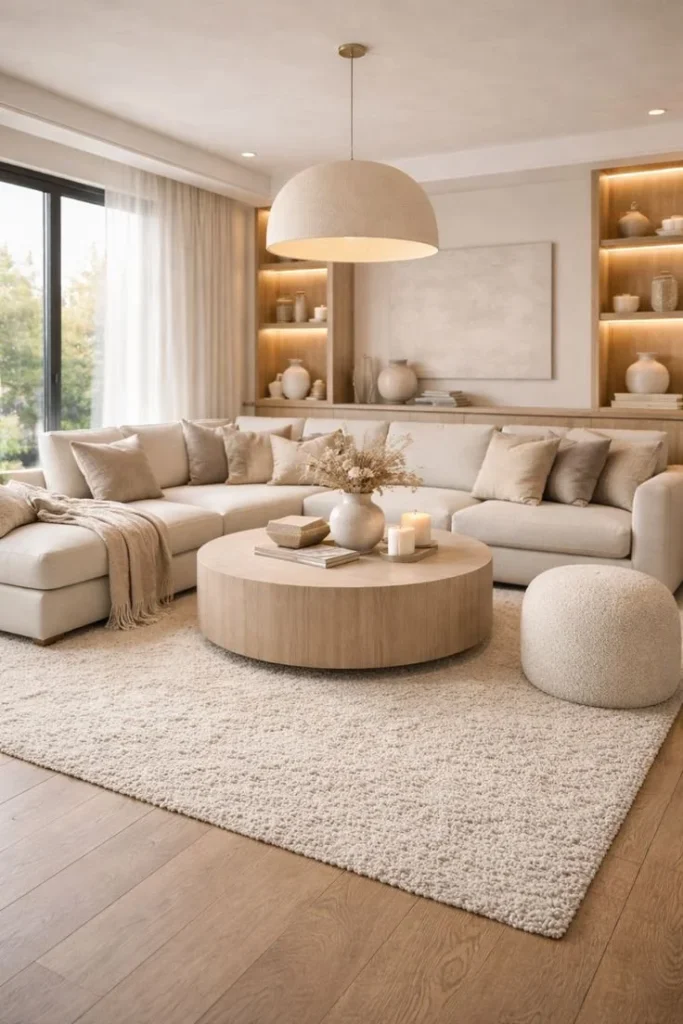
There’s a hush that falls over a room when a white rug is laid over warm hardwood: the soft whisper of fibers underfoot, the way light skims across a high-pile surface and catches the faint grain of wood at the edges. It’s the kind of setup that invites you to kick off shoes, curl under a throw, and stay a while. Think of the steam from a mug of tea fogging the air on a cool evening, the contrast between pale texture and rich wood tones, and the calm, collected atmosphere that makes every sofa seat feel like the best seat in the house.
A white rug doesn’t have to be stark or clinical — when chosen and styled thoughtfully it reads as intentional, cozy, and quietly sophisticated. Layered over hardwood, it softens the room’s acoustics, brightens the footprint of your seating area, and adds tactile depth that pulls the whole living space together. Imagine sunlight through gauzy curtains, plants throwing dappled shadows, and the rug acting as an inviting stage for conversations, lazy Sundays, and movie nights.
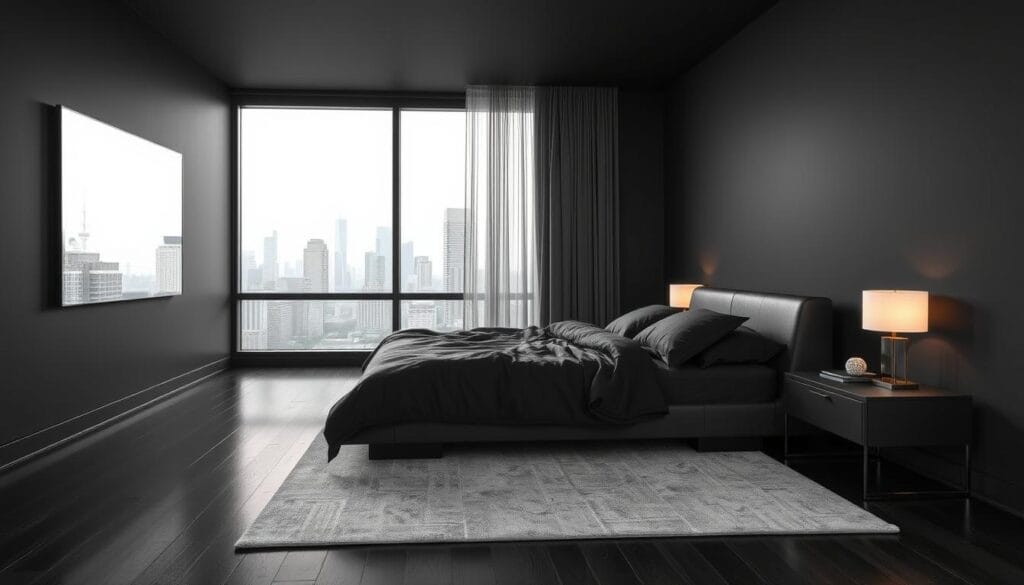
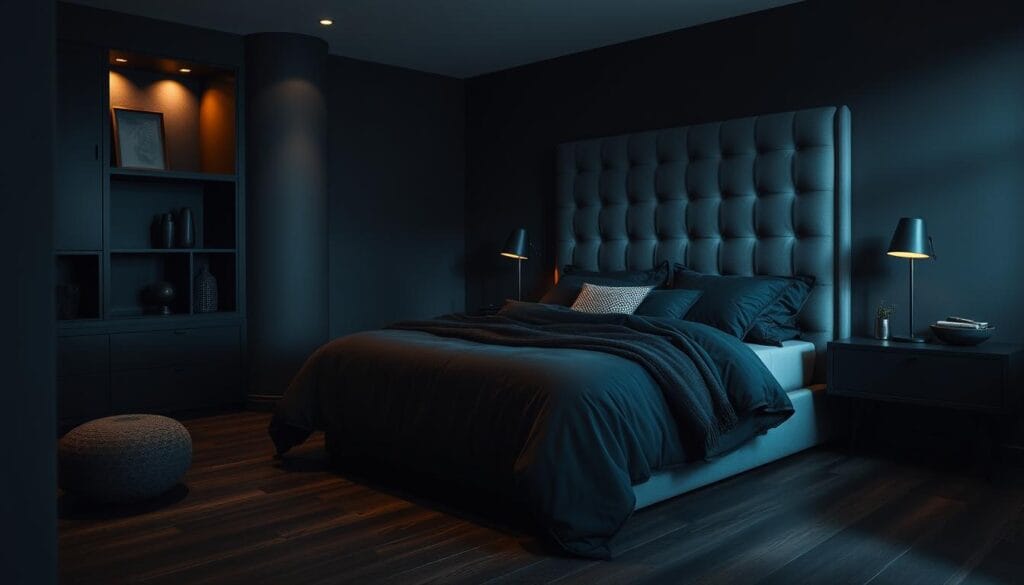
This look matters for real homes because it balances style with everyday needs. It’s not just about aesthetics; it’s about creating a place where comfort and personality live side by side. Whether you host holiday gatherings, need a renter‑friendly refresh, or want to modernize a dated living room, a white rug over hardwood can transform mood and functionality without a full renovation. For a moodier alternative or ideas for corners that crave intimacy, check out this inspiring renovation that leans into darker tones and textural contrast: Cozy Corner Moody Living Room Makeover.
Perfect for seasonal refreshes, small-space updates, or creating a cozy focal point before guests arrive, this combination is versatile enough for apartments and family homes alike. Keep reading for practical styling steps, maintenance tips, designer tricks, and creative variations so you can visualize the look and recreate it with confidence.
Style Snapshot
Cozy Living Room: White Rug Over Hardwood is primarily a textiles-driven decor choice—a rug layered over existing wood flooring to define a seating area and add plush comfort. It acts as both a functional item (soft surface, noise reduction) and a visual anchor for furniture arrangements.
This look typically leans modern‑Scandinavian or contemporary cozy, but it blends easily with boho, coastal, and transitional styles depending on the rug texture and complementary pieces. Expect a palette of warm hardwood tones paired with creams, soft grays, blushes, or muted jewel accents.
- Item type: Textiles (area rug), complements furniture and accessories.
- Main style: Scandinavian, modern cozy, contemporary.
- Typical colors: White, off‑white, cream, ivory; accents in gray, tan, black, or soft pastels.
- Materials/textures: Wool, faux sheepskin, shag, low‑pile cotton, woven cotton blends.
- Best rooms: Living room seating areas, bedrooms, reading nooks, and large entryways.
- DIY vs. store‑bought: Mostly store‑bought, with easy DIY options for rug pads, fringe, or personalized dyeing.
Why It Works
A white rug on hardwood transforms a room’s visual hierarchy. Light-colored rugs reflect light back up into the space, making the room feel brighter and more expansive while the hardwood frames the rug’s edges to preserve warmth and character. The rug creates a clear focal zone for sofas and chairs, giving an anchor point for arranging coffee tables, side tables, and floor lamps so traffic flows naturally around the perimeter.
Emotionally, a white rug reads as calm and inviting. The soft texture and neutral tone reduce visual clutter and encourage lingering — great for decompressing after work or for longer, more relaxed gatherings. In small apartments, a white rug can visually enlarge the seating area by blurring hard edges; in larger open-plan rooms it delineates separate zones without heavy furniture or screens.
Practically, a rug adds comfort and function: it reduces echo, protects hardwood from scratches under furniture legs, and creates a safer surface for kids. Consider evenings when you’re working from home — moving your laptop to a lap desk on the rug feels more relaxing than at the dining table. When guests arrive, the plush surface invites barefoot conversation and keeps shoes off the hardwood for cleaner floors and fewer scuffs.
Perfect For…
This styling choice is smart for a broad range of situations. Renters benefit because a well-chosen rug can radically change the look of a space without altering walls or floors. Families with kids and pets can still enjoy the look if they choose durable fibers and stain-resistant treatments. Small-space dwellers will love how a white rug opens up a room visually, while homeowners staging for sale will find it helps create that aspirational, magazine-quality first impression.
Key strengths include affordability, flexibility, and timelessness. A rug is an easy swap if your tastes change seasonally: thick, plush options for winter; lighter flatweaves for summer. It answers common decor problems — like a too-dark room, a disjointed seating arrangement, or a large empty floor area — by adding contrast, structure, and tactile warmth.
Real-life fix: if your sofa is boring and the room feels flat, place a white rug that extends at least 18 inches beyond the front legs of your seating and top it with a patterned throw pillow set and a textured coffee table. Instantly, you’ll have a layered, purposeful setup that reads cozy and well-curated.
How to Style Cozy Living Room: White Rug Over Hardwood
Ingredients
- White area rug (size appropriate to seating area): high‑pile, low‑pile, or woven depending on style.
- Rug pad (non‑slip, breathable).
- Sofa and chairs with visible legs (not all furniture must be on the rug).
- Coffee table (proportionate to rug size).
- Throws and cushions in complementary colors/textures.
- Floor or table lamps for warm lighting.
- Plants or greenery for color and life.
- Optional: smaller accent rugs, poufs, baskets, trays, candleholders.
Alternatives and budget swaps:
- Faux-sheepskin throw instead of an expensive wool rug.
- Thrifted rugs or flatweaves layered for texture.
- IKEA-style rug and pad combos for a wallet-friendly upgrade.
Directions
- Measure before you buy: Aim for a rug that allows the front legs of your sofa and chairs to sit on the rug. For a typical living room, a 8×10 or 9×12 rug works for standard sofas; small rooms can use a 5×8 with furniture partially on.
- Choose fiber for lifestyle: High-traffic homes do well with low-pile, dense wool blends. For plush coziness, choose faux-sheepskin or shag—just know these need more maintenance.
- Pick the right white: Pure white reads bright and modern; off‑white or cream warms the look and hides faint wear. Consider undertones—warm (beige) vs. cool (gray)—to match your hardwood and upholstery.
- Add a quality rug pad: Prevent slipping, protect hardwood, and add cushioning. A breathable pad avoids moisture traps that can harm floors.
- Center the seating: Place the rug so it frames the seating area. Leave 12–24 inches of visible hardwood around the rug edges in small rooms; larger rooms can afford 30–36 inches.
- Balance texture and pattern: If your rug is plain white, introduce texture with a woven throw, ribbed cushions, or a wooden coffee table. If the rug has a faint pattern, keep soft furnishings simpler.
- Layer carefully: For a boho or eclectic feel, layer a smaller patterned rug over the white base. Keep colors cohesive—draw one or two accent colors through cushions and art.
- Lighting matters: Use warm bulbs (2700–3000K) to keep the white rug feeling cozy, not clinical. Layer floor lamps, table lamps, and candles to create depth.
- Address blemishes fast: Blot spills immediately; follow care instructions. For persistent stains, a professional rug cleaner is worth the investment.
- Rotate for even wear: Rotate the rug every 6–12 months to equalize foot traffic and sun exposure.
Best Pairings
A white rug is a chameleon—pair it with greenery to soften the monochrome palette, or introduce bold patterned pillows to create contrast. In the entryway, a smaller interlocking runner over hardwood gives guests that immediate tactile welcome. In a bedroom, a white rug under the bed creates a luxurious landing zone; in a dining room, choose a low‑pile white rug that fits under the table and chairs for easy chair movement.
Pairing ideas:
- Plants: Fiddle-leaf fig or snake plant for sculptural contrast.
- Metals: Brass or matte black lamps for modern edge.
- Textiles: Knit throws, linen cushions, and leather accents for layered texture.
- Mirrors & art: Round mirrors soften angles and reflect the rug’s light back into the room.
Small-space idea: Use a white 5×8 rug to define a studio’s living nook; float the sofa on the rug and keep furniture scale small.
Large open-plan idea: Use a large white rug to anchor the main seating area while creating visual pathways around it to dining and kitchen zones. For more cozy-living inspiration and seasonal ideas, see this roundup of approachable designs: 10 Cozy Living Room Ideas to Warm Your Heart.
Care Instructions
Cleaning a white rug over hardwood requires a gentle, consistent approach. Vacuum weekly using an upholstery attachment or a vacuum without a beater bar on delicate fibers. For high-pile or shag rugs, use a fluffy rug attachment or shake out outdoors when possible. Blot spills immediately with a clean cloth—never rub, which can push stains deeper.
Deep cleaning: Check the rug’s fiber content—wool rugs often respond well to professional cleaning every 12–24 months, while synthetic rugs may be machine washable (check the label). For surface refreshes, sprinkle baking soda, let sit for 20–30 minutes, then vacuum to lift odors. Protect the hardwood underneath with a breathable rug pad and avoid moisture accumulation that could warp floorboards.
Seasonal storage: Roll your rug (don’t fold) and wrap in breathable cotton sheeting or muslin to protect from dust. Store in a cool, dry place away from direct sunlight to prevent fading and fiber breakdown. Rotate rugs seasonally to let both the hardwood and rug age evenly and to keep the room feeling fresh.
Designer’s Advice
- Scale rule: Let the rug anchor the furniture — ideally, at least the front legs of main seating should sit on the rug to create cohesion.
- Warm light wins: Use layered warm lighting to keep the white rug cozy rather than sterile.
- Underlay matters: A quality rug pad changes how the rug feels and prolongs both rug and floor life.
- Texture over pattern: When in doubt, a textured white rug reads as more interesting than a plain flat one.
- Accent repetition: Echo a color or material from the rug in two other places (frames, cushions, plant pots) to tie the room together.
- Pet-proofing tip: Trim pet nails regularly and use a low-pile white rug for easier vacuuming and longevity.
- Mix heights: Pair the rug’s texture with different material heights (plush pouf, woven basket, sleek metal lamp) for visual richness.
Style Twists
Minimalist version: Choose a low-pile ivory rug with clean edges, pair with pared-back furniture—sleek sofa, a simple wood coffee table, and a single sculptural plant for a serene, Scandinavian feel.
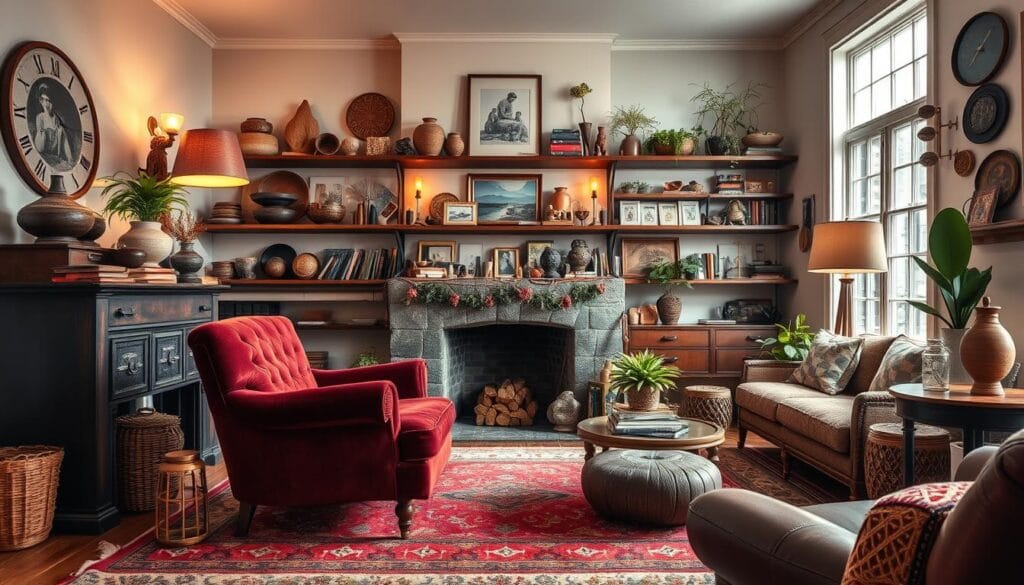
Cozy layered version: Opt for a plush faux-sheepskin base with a patterned wool runner partially layered on top, add chunky knit blankets, and soft amber lighting for a hygge-inspired nest.
Budget-friendly flip: Thrift a large flatweave and dye it a soft cream if it’s too bright, or use white washable area rugs from budget retailers and anchor them with thrifted wooden furniture and DIY cushion covers.
Holiday/party setup: For gatherings, add metallic accents (candles, trays), swap out throw pillows for richer jewel tones, and lay down washable rugs for easy cleanup after festivities.
Decor Q&A
Q: Will a white rug show dirt too quickly?
A: Light rugs do show dirt more easily, but choosing the right fiber (stain-resistant synthetics or treated wool) and vacuuming regularly keeps them looking fresh. Incorporate washable layers if needed.
Q: Can I use a white rug with dark wood floors?
A: Yes — the contrast is striking and often desirable. Choose a warm-toned white (cream) to harmonize with rich browns unless you want a high-contrast modern look.
Q: Is this renter-friendly?
A: Absolutely. Rugs are non-permanent and can dramatically change a space without altering floors or walls.
Q: How do I prevent the rug from slipping on hardwood?
A: Invest in a quality non-slip rug pad sized to the rug footprint; it protects the floor and keeps the rug secure.
Q: Where can I find good quality rugs on a budget?
A: Look at local consignment stores, online marketplaces, and seasonal sales at large retailers. Often you can find durable classics without breaking the bank.
Conclusion
A white rug over hardwood is a deceptively simple upgrade that elevates comfort, brightness, and style in any living room. It’s flexible enough for renters and homeowners, forgiving when styled with texture, and powerful enough to make even familiar rooms feel new. Try swapping one in this weekend — start with measurements, pick the right fiber for your household, and layer in lighting and accessories for personality. Share your before-and-after photos or questions in the comments below, and explore more decor tips and seasonal ideas on Moderndecorum.
For shopping inspiration, browse curated options for white living room rugs here: White Rugs For Living Room – Revival Rugs, and for practical picks that stand up to kids and pets see this helpful guide to resilient rugs: In Search Of The Best Rugs For Kids And Pets That Are Still Actually Cozy.