Cozy No-TV Living Room: Stylish Seating Ideas
Imagine stepping into a living room where soft light pools across a layered rug, where the scent of citrus and pine from a nearby candle mixes with the faint crackle of a tabletop fireplace, and where conversation flows easily because there’s no TV demanding the focal point. Plush seating—curved sofas, low-slung loveseats, a mix of armchairs and ottomans—arranges itself like an inviting embrace. Textures play a quiet symphony: boucle throws, linen cushions, warm oak legs, a woven rattan side table that catches the eye. Colors hover in a comforting palette of oatmeal, terracotta, moss green, and muted navy, punctuated with brass or matte-black accents that hint at modernity.
This no-TV living room is not a museum of “perfect decor”; it’s a lived-in sanctuary that prioritizes comfort, conversation, and sensory richness. Without a screen pulling attention, seating becomes sculptural and purposeful—each chair offers a different experience: an enveloping armchair for reading, a slouchy sectional for napping and cuddles, a pair of accent chairs positioned for coffee and connection. The mood is calm, tactile, and intentionally social—ideal for slow mornings, long dinners, or holiday gatherings where memories are made face-to-face.
Why does this idea matter for real homes? Because our living rooms are multifunctional—they host movie nights, midday work calls, weekend brunches, and quiet reflection. Removing or downplaying a TV frees up design possibilities and prompts you to curate a space that serves rest, social life, and personal style. Whether you’re refreshing for a new season, carving out a cozy corner in a studio apartment, or preparing your home for guests, stylish seating choices can dramatically change how the room feels and functions.
If you’re a renter looking for renter-friendly updates, someone decorating on a budget, or a host getting ready for the holidays, this no-TV approach is adaptable. It’s perfect for seasonal refreshes—swap throw pillow fabrics, layer a warm rug for winter, or introduce crisp linens in summer. Ready to spark some ideas? See our guide to 10 cozy living room ideas to warm your heart for complementary inspiration.
Style Snapshot
Cozy No-TV Living Room: Stylish Seating Ideas is an approach that focuses on making seating the room’s centerpiece: sofas, loveseats, accent chairs, benches, poufs, and ottomans arranged to encourage conversation, comfort, and visual warmth rather than centering around a television.
Main style: versatile—works beautifully with Scandinavian minimalism, warm modern, boho-chic, rustic, or contemporary eclectic. The emphasis is on texture, soft lines, and layered textiles.
Typical colors, materials, and textures used:
- Neutral bases (cream, taupe, greige) with accents in terracotta, deep green, or navy
- Materials: wool, linen, boucle, leather, oak or walnut, rattan, brass or matte-black metal
- Textures: chunky knits, smooth leathers, raw wood grains, woven baskets
Best rooms or zones:
- Primary living room, family room, reading nook, large entryway, or open-plan lounge areas
DIY vs. buying:
- Mostly store-bought furniture pieces with easy DIY upgrades (reupholstering cushions, slipcovers, painting legs, crafting throw pillow covers)
Why It Works
Replacing the TV with thoughtfully arranged seating alters both the look and the life of a room. Visually, it opens possibilities for a balanced focal point—a fireplace, a gallery wall, a sculptural bookshelf, or a statement light fixture. The eye is guided across layers of seating and surface textures, making the room feel intentionally curated rather than built around a single rectangle of glass. It improves flow; seating groupings can be oriented toward a conversational axis or angled to invite movement, which enhances how people use the space during gatherings.
Emotionally, a no-TV living room cultivates connection and calm. Without the constant hum of media, the space becomes more likely to host real engagement—books are read; board games come out; guests linger over wine. It’s a sanctuary for decompressing after work and a warm backdrop for hosting during the holidays. Practically, smart seating choices add function: ottomans double as coffee tables, benches offer extra seating and shoe storage near an entryway, and sectional pieces can be rearranged to suit seasonal needs or accommodate more people. Picture a cozy Thursday evening: a wool throw, a riding-lamp casting amber light over a pair of chairs angled toward each other, and the hum of conversation replacing the TV glow.
Why Choose It
This design approach is ideal for people who value interaction, comfort, and versatility. Renters can adopt it with movable furniture and slipcovers; families will appreciate the flexible seating options that accommodate children and guests; small-apartment dwellers benefit from modular pieces that serve multiple roles. Design beginners can start with one statement seating piece and build around it; design lovers can layer in unique vintage finds for personality.
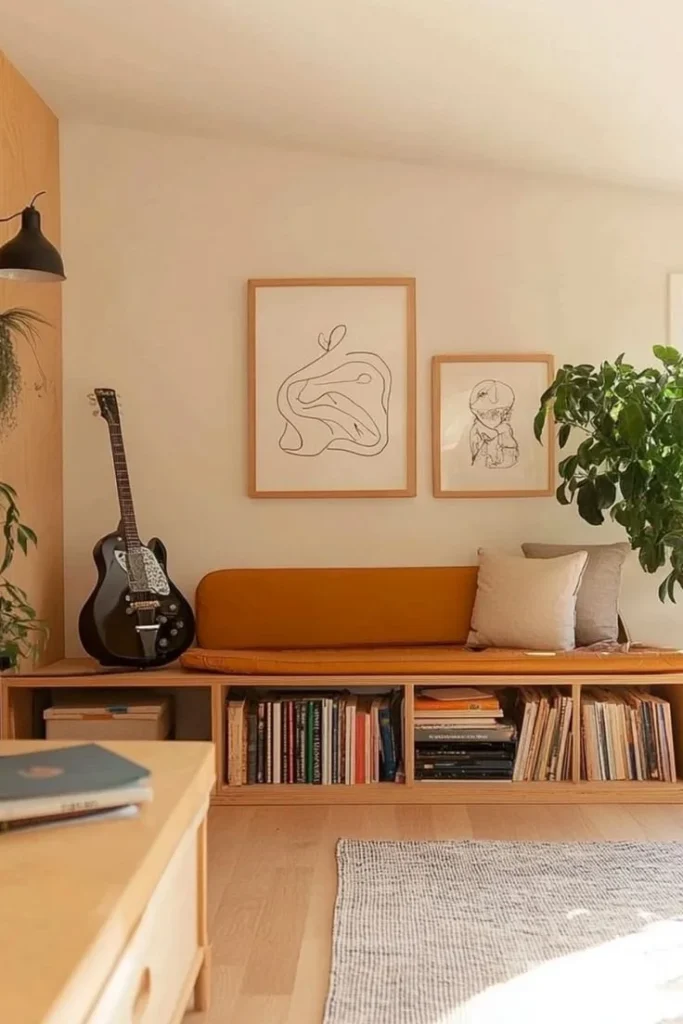
Key strengths include affordability (mixing thrifted or budget-friendly pieces with one investment item), flexibility (modular sofas and poufs can be reconfigured), and timelessness (natural materials and neutral palettes age gracefully). For example, a lonely, awkward section of wall that traditionally held a TV can become a welcoming nook with a two-person loveseat, a floor lamp for reading, and a floating shelf for treasured objects. Problem solved: the “dead” TV wall is transformed into a place people actually use.
How to Style Cozy No-TV Living Room: Stylish Seating Ideas
Ingredients
- Main seating: a sofa or sectional (3-seater or L-shaped depending on space)
- Accent chairs: at least one comfortable armchair and/or a slipper chair
- Secondary seating: poufs, ottomans, or a bench
- Coffee table or large ottoman for function
- Side tables (one beside each seat where possible)
- Area rug (layered rugs optional)
- Lighting: floor lamp, table lamps, and a dimmable overhead if possible
- Textiles: throws, cushions in varying textures and sizes
- Decorative elements: baskets, trays, low shelving or console, books, candles, a small plant
- Optional upgrades: a reading nook chair, a hammock chair, a small indoor fireplace or tall candlestand
- Budget alternatives: thrifted armchairs, IKEA-style modular sofas, slipcovers, DIY cushion covers
Directions
- Measure the room first. Know your sofa dimensions and leave at least 30–36 inches for primary traffic paths. Measure doorways and lift spaces so large pieces can be brought in without trouble.
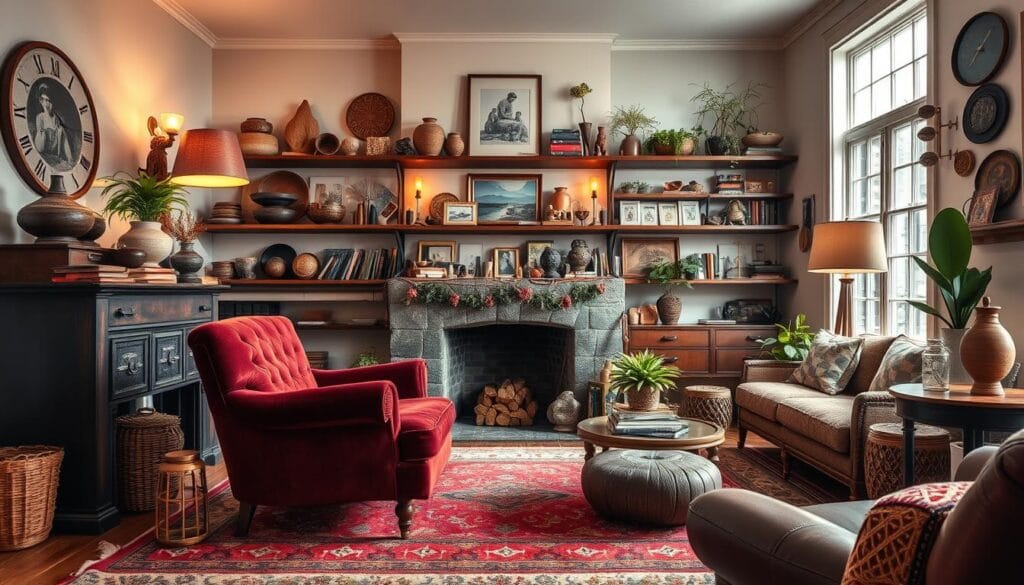
- Choose a focal point that isn’t a TV. This might be a fireplace, a gallery wall, a woven tapestry, or a striking light fixture. Arrange seating to face or frame that focal point while maintaining conversational angles.
- Start with the largest seating piece. Place the sofa opposite the focal point or floating in the room if you have an open plan. Floating a sofa works well to define zones in a larger space.
- Add accent chairs to create a conversation circle. Aim for chairs to be about 8–12 feet apart across the coffee table and 36 inches from the sofa for comfortable flow. Angle chairs slightly toward each other to invite talking.
- Layer rugs to define seating—use a large rug that anchors all main furniture legs or a smaller rug under the front legs of the sofa and chairs to create cohesion. Choose textiles that layer warm and cool tones for depth.
- Balance height and scale. Mix low coffee tables with taller side tables and a floor lamp to keep the eye moving. If your room feels top-heavy, add lower elements like poufs or a long bench.
- Sculpt with cushions and throws. Use a range of textures—smooth linen, nubby wool, and velvet—to add tactile interest. Avoid too many competing colors; pick one accent color and echo it in two to three accessories.
- Add functional decor: a tray on the coffee table for remotes (or not—use it for candles and coasters), a stack of favorite books, and baskets for throw storage. Multifunctional pieces make hosting easier.
- Light in layers: ensure every seat has reachable lighting—table lamps or floor lamps beside chairs and softer overhead options. Use warm bulbs (2700–3000K) for a cozy glow; reserve cool light for task areas.
- Edit and personalize. Remove anything that blocks movement or feels cluttered. Swap in seasonal textiles (light lupine throws for summer, heavy knit for winter) and rotate art or objects to keep the space fresh.
Ways to Display
A no-TV living room with stylish seating lends itself to many displays. In an entryway or narrow living room, place a slim loveseat or a pair of small accent chairs with a narrow console table behind one seat—this creates seating without overwhelming the space. For a bedroom or studio, position a cozy loveseat at the foot of the bed to form a private lounge. In a dining-adjacent open-plan room, use a low-profile sofa to delineate the lounge area from the dining space without blocking sightlines.
Pair seating with plants, rugs, mirrors, and layered lighting to tell a cohesive story:
- Plants: tall floor plants (fiddle leaf, kentia) beside a chair add life and height.
- Rugs: natural fiber rugs warm a minimal room; patterned rugs anchor an eclectic space.
- Mirrors: a large mirror opposite windows amplifies light, especially without a TV glow.
- Throws & cushions: mix scales of pattern—one large graphic cushion with smaller textured neutrals.
- Side tables & trays: keep surfaces purposeful—trays corral candles and reading glasses.
Small-space idea: use nesting stools or poufs that stack away when not needed. Choose an armless loveseat to save visual space and place a single accent chair on an angle to free circulation.
Large, open-plan room: create two seating clusters—one for intimate conversation and another for board games or reading—using rugs to visually separate zones. For lighting tips and inspiration that pair well with these setups, check our round-up of 29 chic cozy living room lighting ideas.
How to Maintain
Care for your seating based on materials: vacuum upholstered surfaces weekly with a soft attachment to lift dust; spot-clean stains immediately using a gentle fabric cleaner suited to the upholstery (always test in an inconspicuous spot). Leather should be wiped with a damp cloth and conditioned every six months to prevent drying. Wood and metal legs can be dusted and wiped with a damp cloth; avoid harsh abrasive cleaners.
Wash removable cushion covers per label instructions—most linen and cotton covers tolerate machine washing on a gentle cycle, while wool or delicate fabrics may need dry cleaning. Rotate cushions and throws seasonally to even out wear and keep colors from fading in direct sun. Store seasonal decor—heavy winter throws or decorative pillows—in breathable fabric bags away from moisture and pests; avoid plastic bins for long-term textile storage.
To keep the room feeling new, rotate an accent pillow every few months, swap a lamp or a basket, and experiment with a new color pop. Regularly edit surfaces (limit collections to a few meaningful pieces) to avoid clutter, and blow out dust from lampshades and light fixtures twice yearly to maintain the glow.
Designer’s Advice
- Keep conversation distance in mind: seating within 8–12 feet promotes intimate talk without feeling crowded.
- Anchor with rugs: choose a rug large enough that at least the front legs of major seating pieces sit on it.
- Layer light: combine ambient, task, and accent lighting—dimmers are a game-changer for mood.
- Mix textures, not patterns: too many bold patterns compete; balance a statement pattern with solids and natural textures.
- Think multifunctional: ottomans can be extra seating, coffee tables, or footrests—choose one with a durable, easy-clean surface.
- Maintain negative space: leave breathing room around furniture so the layout reads as intentional, not cluttered.
- Invest in one thing you’ll use daily (a great sofa or a comfy armchair) and save on accessories.
Creative Variations
Minimalist twist: Keep lines clean and colors restrained—choose a low-profile sofa in cream, a slim black metal floor lamp, and a single sculptural chair. The focus is on form and calm; accessories are sparse but meaningful.
Cozy boho version: Layer rugs, mix wicker and wood, add a tufted ottoman and a hanging chair for visual interest. Use warm jewel tones and lots of textured cushions; bring in macramé wall art for an organic feel.
Budget-friendly + thrifted: Source a gently used mid-century sofa, reupholster a chair with affordable linen, and hunt for baskets and side tables at local thrift stores. Use slipcovers and DIY cushion covers to refresh pieces without breaking the bank.
Frequently Asked Questions
Q: How do I match new seating to my existing furniture and colors?
A: Pick one or two colors from your existing palette and use them as accents (pillows, throws). Match materials—if you have warm wood, choose seating with wood tones or brass accents to tie in cohesively.
Q: Can this idea work in a small apartment?
A: Absolutely. Opt for armless sofas, multipurpose ottomans, and wall-mounted shelves. Keep scale small and circulation paths clear—floating furniture off walls can make a tiny room feel larger.
Q: Is a no-TV living room renter-friendly?
A: Yes—use freestanding furniture, plug-in lighting rather than hardwired changes, and removable textiles. Floating shelving and adhesive hooks can create focal displays without permanent alterations.
Q: Where can I find quality items on a budget?
A: Look at local secondhand stores, online marketplaces, and affordable modular furniture lines. Focus investment on one used-or-new hero piece (sofa or armchair) and accessorize with budget finds.
Q: What’s the best way to store seasonal textiles?
A: Use breathable fabric bins or cotton bags, store in a cool, dry place, and add cedar blocks to deter moths. Rotate items seasonally to keep them fresh.
Conclusion
Ready to reimagine your living room as a cozy, TV-free gathering place? Start with one key seating piece, layer textures and light, and invite conversation back into the center of your home. For extra inspiration, browse this gallery of 103 stylish living room ideas to copy now and read a practical walkthrough on how to set up your living room without a focus on the TV to spark unique configurations for your space.
Try these seating ideas in your own home, and please share photos, questions, or your favorite tips in the comments below. Explore more decor ideas on Moderndecorum.com and join our community for seasonal updates and styling guides.