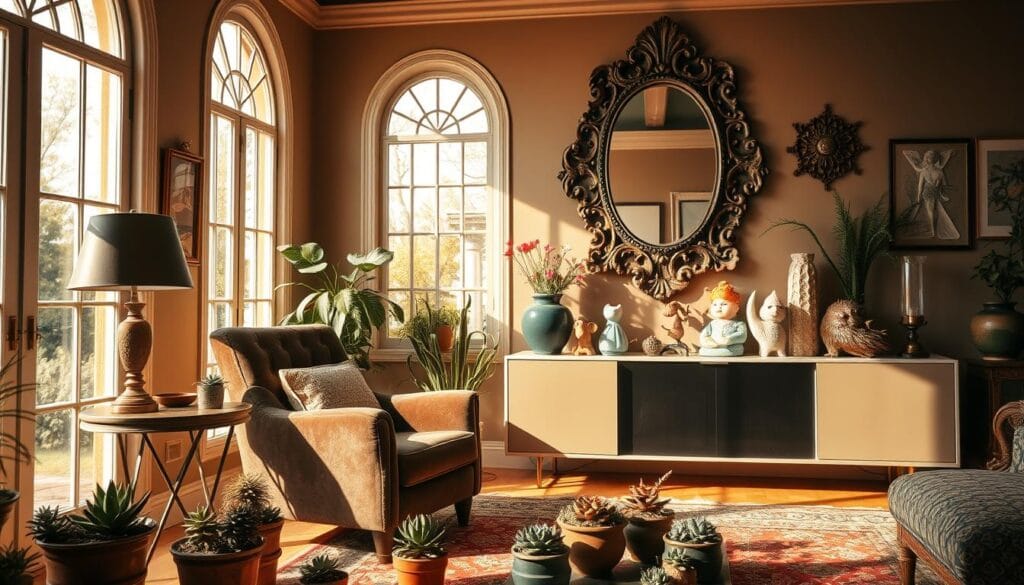
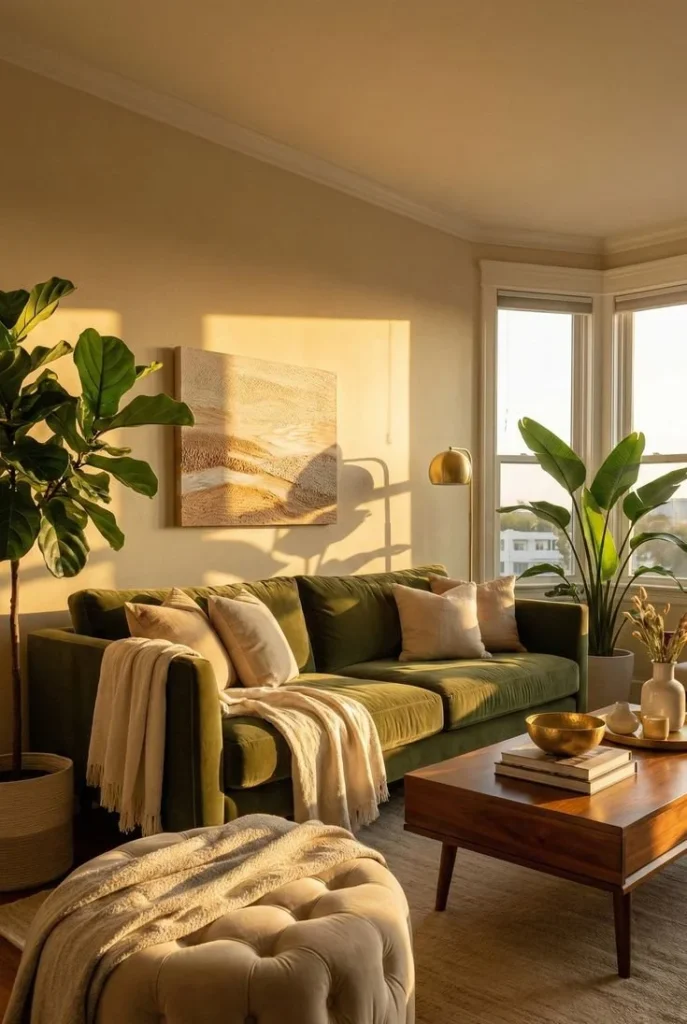
Cozy Plant-Filled Living Room with Bright Windows
Introduction
Imagine stepping into a living room where morning light pours through large, bright windows and paints the room in a soft, golden wash. Lush greenery fills the corners and shelves, trailing vines soften the edges of furniture, and textured textiles—wool throws, nubby linen cushions, a low-pile rug—invite you to sink in. The air smells faintly of citrus from a nearby potted lemon tree and the rhythm of leaves rustling adds a quiet, natural soundtrack. This is a Cozy Plant-Filled Living Room with Bright Windows: soothing, alive, and thoughtfully layered.
This style delights the senses because it combines the warmth of tactile materials with the freshness of living plants. Natural light amplifies foliage color and pattern, turning ordinary pots and planters into shifting artworks throughout the day. Textures—woven baskets, terracotta, matte ceramic, and warm wood—create depth while a palette of soft neutrals and green highlights keeps the mood calm and contemporary. Whether you’re hosting friends for coffee or curling up with a book on a rainy afternoon, the room reads as both intentional and comfortably lived-in.
Why does this decor idea matter for real homes? Plants and light are mood boosters: they help reduce stress, improve air quality, and give your space a dynamic, evolving quality that boxed decor can’t match. It’s also deeply practical—plants can define zones, hide electrical cords, and visually lift small spaces. If you want to pair this with other cozy inspirations, check out our take on a Cozy French living room with warm fireplace glow, where warmth and texture meet classic details.
This approach is perfect for a seasonal refresh when spring light returns, for creating a serene corner for reading or meditation, for renter-friendly updates (potted plants travel well), or for preparing a welcoming space for guests during holidays. It’s also an ideal modern update for those who want a lived-in, organic look without a complete renovation.
Style Snapshot
A Cozy Plant-Filled Living Room with Bright Windows is primarily a decor concept rather than a single product: it’s an arrangement of plants, textiles, furniture, and lighting designed to feel warm and inviting. The focal point is the bright window(s); plants are arranged to accentuate light and add visual layers.
Main style: modern boho-Scandi hybrid—clean lines meet tactile, organic elements. Typical colors: warm neutrals (cream, beige, soft gray), moss and emerald greens, muted terracotta, and accents of warm brass or black for contrast. Materials and textures: raw wood, rattan, linen, wool, matte ceramic, and glass. Best rooms/zones: living room (primary), sunny reading nook, large entryway, sunlit home office. Level of DIY vs. buying: a mix—ready-made furniture and planters plus easy DIY potting, macramé hangers, and simple shelf styling.
Quick facts
- Item type: layered room styling (plants, textiles, lighting, furniture).
- Main style: modern + boho + Scandinavian warmth.
- Typical materials: wood, ceramic, woven fibers, glass, metal accents.
- Ideal locations: living room near bright windows; adaptable to small balconies and sunrooms.
- DIY level: approachable for beginners with optional advanced styling projects.
Why It Works
Visually, bright windows expand the feeling of space: natural light bounces off pale walls and creates shifting highlights on leaves and textiles. Plants introduce vertical interest—tall fiddle-leafs, cascading pothos, sculptural snake plants—so the eye travels around the room instead of stopping at the sofa. This layered approach balances furniture mass with air and foliage, making even modest rooms feel curated rather than cluttered.
Emotionally, the presence of plants and warm textures creates an immediate sense of calm. A plant-filled room signals care and life; it makes a home feel tended. Picture evening: soft side lamps come on, a low table lamp casts a warm pool of light, and the silhouette of a monstera leaf pans across the wall. These sensory moments contribute to relaxation, improve concentration during work-from-home hours, and help hosts create comfortable, memorable gatherings.
Practical benefits include improved indoor air (some plants help filter toxins), flexible zoning (use shelves and tall plants to separate a workspace from a lounging area), and budget-friendly updates (new pots, cushions, or a plant swap can dramatically change the mood). For families, plants can double as hands-on decor: kids can care for herbs or easy succulents. For renters, this style is forgiving—plants are portable, and most fixtures (curtains, rugs, lamps) are temporary yet high-impact.
Perfect For…
This decor suits a wide range of people: renters who want big visual change without permanent modifications, small‑space dwellers who need vertical interest, families who want a softer play area aesthetic, and design beginners seeking a forgiving, living decor system. It’s especially smart for apartment owners with good light, anyone craving a seasonal refresh, and hosts who want a welcoming, informal backdrop for gatherings.
Key strengths include affordability—start with one statement plant and build gradually; flexibility—plants and textiles can be swapped seasonally; and timelessness—natural textures never feel overly trendy. It’s also small‑space friendly: a ladder shelf with plants, a tall floor plant near the window, and light-colored curtains will open a compact living room visually.
A real-life problem this decor solves: an empty wall behind the sofa. Instead of large art, use staggered floating shelves with trailing plants, a mix of framed prints, and a mid-size potted plant at the end of the sofa to create a layered, textured focal point. For a dark corner, group several plants of varying heights near a lamp or install a grow-light to keep them healthy while creating a cozy reading nook.
How to Style Cozy Plant-Filled Living Room with Bright Windows
Ingredients (materials and tools)
- Main items:
- A selection of potted plants (one tall floor plant, several medium pots, and trailing varieties)
- Planters in mixed materials (terracotta, ceramic, woven baskets)
- Soft sofa throw(s) and a couple of textured cushions
- Area rug with subtle pattern or neutral texture
- Floor lamp and at least one table lamp for layered lighting
- Low-profile coffee table and a side table
- Floating shelves or a ladder shelf
- Optional upgrades:
- Hanger hooks for macramé or woven hanging planters
- Plant stands at varying heights
- Grow-light or clip-on lamp for low-light seasons
- A tray for candles and decorative objects
- Mirror to amplify light
- Budget-friendly swaps:
- Thrifted wooden stool as plant stand
- DIY macramé hangers from cotton rope
- Painter’s drop cloth remade as cushion covers or curtains
- Simple terracotta pots painted for a custom look
Directions (step-by-step)
- Assess the light: Stand at each window at different times to note sun intensity. Place sun-loving plants where direct light hits, and shade-tolerant species on the periphery. Tip: East windows are perfect for bright morning light and most tropicals.
- Start with a focal piece: Choose a tall, sculptural plant (fiddle-leaf fig, rubber tree, or tall palm) and position it near the brightest window to anchor the scheme. Avoid crowding it—give leaves room to breathe.
- Layer heights: Add medium pots on the floor, side tables, and shelves. Use plant stands and stacked books to vary heights. Tip: odd numbers of groupings (3 or 5) feel more natural.
- Curate planters and textures: Mix materials—one woven basket, one matte ceramic, one glazed pot—to add tactile contrast. Keep colors cohesive: neutrals with one accent tone (terracotta or deep green).
- Integrate textiles: Anchor the seating area with a rug, and add throws and cushions in warm neutrals. Choose fabrics that complement plant tones—soft linen, handwoven wool, or cotton.
- Layer lighting: Install a floor lamp for general ambiance and a table lamp clipped to a shelf near trailing plants to highlight them at night. Use warm bulbs (2700K–3000K) for coziness.
- Create a shelf vignette: On floating shelves, alternate plants with books, small sculptural objects, and framed prints. Let a trailing plant cascade down one shelf to connect with lower elements.
- Mind traffic flow: Keep walkways clear—avoid placing plants where they’ll be knocked over. Use narrow profile pot stands to fit beside sofas without blocking movement.
- Tidy cords and stands: Conceal grow-lights and lamp cords behind furniture or use cord covers. Use decorative baskets for small items near seating to maintain a relaxed look.
- Final edit: Step back and remove any one item that feels repetitive. Rotate cushions or swap a pot color to refresh the composition seasonally.
Best Pairings
A plant-filled living room thrives when paired with complementary decor. Pair large leafy plants with a warm wood coffee table and a low-pile neutral rug to ground the space. Bring in soft metallic accents—a small brass tray or lamp—to add a hint of polish without overpowering the organic feel.
For small spaces: choose upright plants (snake plants, bird of paradise juvenile forms) and use wall-mounted planters or slim ladder shelves to keep the floor clear. For larger open-plan rooms: create clusters—an island of plants on a console table, paired with a reading chair and floor lamp to form a cozy zone within a bigger area. For inspiration on balancing green with media, see our cozy organic modern living room with TV, which shows how to marry foliage and screens gracefully.
Ways to pair:
- Candles and trays on the coffee table for evenings.
- Mirrors opposite windows to multiply natural light.
- Throw blankets in complementary tones to add warmth.
- Woven baskets for planters, storage, or hiding unsightly pots.
How to Maintain
Cleaning and care keep the room feeling fresh. Wipe ceramic and glass pots with a damp cloth to remove dust; use a soft brush for woven or rattan surfaces. For wooden tables and shelves, use a microfiber cloth and a gentle wood cleaner; avoid soaking woven baskets or placing them in direct, scorching sun.
Plant care rhythms: dust leaves monthly to aid photosynthesis, rotate pots every few weeks so plants grow evenly toward the light, and prune spent leaves as they appear. In winter, reduce watering and consider a grow light if natural daylight diminishes. Check soil moisture before watering—overwatering is the most common issue.
Seasonal storage: store extra textiles in breathable cotton bags to avoid mildew. Move delicate plants away from cold drafts in winter and protect ceramic pots from freezing conditions. Keep an inventory photo of your arrangement to recreate the look quickly after moving or seasonal re-styling.
Designer’s Advice
- Scale rule: pair a large plant with at least two smaller plants to create balanced groupings.
- Light layering: mix ambient, task, and accent lighting; warm-toned bulbs keep the room cozy.
- Texture mix: combine three key textures—smooth (ceramic), rough (rattan), soft (textiles)—to avoid monotony.
- Color anchor: choose one accent color from a plant (deep green or terracotta) and echo it in a cushion or small objet.
- Breathable styling: leave negative space; don’t overfill shelves—plants need room to show shape.
- Pot proportion: move a plant to a larger pot only when roots become crowded; a slightly oversized pot can make a statement.
- Seasonal swap: rotate cushion covers and small décor with seasons to refresh without overhaul.
Style Twists
Minimalist version: Stick to a pared-back palette—white walls, black pots, and three sculptural plants. Use sleek planters and a single neutral rug for a calm, gallery-like feel.
Cozy, layered version: Embrace more textiles—plush throws, patterned cushions, a shag or kilim rug—and add more plant varieties for a bohemian warmth that invites long stays and conversation.
Budget/thrifted version: Hunt thrift stores for mismatched ceramic pots and old stools to use as plant stands. Repaint inexpensive terracotta pots for a cohesive palette and use cuttings from friends to build a plant collection affordably.
Frequently Asked Questions
Q: How do I match plant decor with existing furniture and colors?
A: Pull one accent color from your furniture (a warm wood tone or a cushion hue) and echo it in pot finishes or a small rug. Keep the overall palette neutral and use plants as the living accent.
Q: Can this work in a north-facing room with less direct light?
A: Yes—choose shade-tolerant plants like snake plant, ZZ plant, and pothos. Use mirrors and light-colored curtains to maximize available light, and add a discreet grow-light for winter months.
Q: Is this idea renter-friendly?
A: Absolutely. Plants and textiles are non-permanent and easy to move. Use command hooks for hanging planters and floor stands that don’t require drilling.
Q: Where can I source quality items without overspending?
A: Shop local nurseries for healthy plants, and visit thrift and flea markets for unique pots and stands. Many budget-friendly retailers offer neutral planters and basics that can be personalized easily.
Q: What’s the best way to store decor seasonally?
A: Clean and dry textiles before storing in breathable bags; keep delicate ceramics boxed with padding in a cool, dry place. Label boxes so seasonal swaps are easy.
Conclusion
Ready to bring a Cozy Plant-Filled Living Room with Bright Windows into your home? Start small—one statement plant and a fresh cushion can transform your space—and build from there. If you want visual inspiration for minimalist greenery in an apartment, take a look at this minimal plant-filled Berlin flat tour to see how less can feel lush. For seasonal care advice that helps your plants thrive through winter months, check this helpful guide on how to care for your houseplants this winter.
We’d love to see your versions—share photos, ask questions, or leave tips in the comments below, and explore more ideas on Moderndecorum.com. Join our community by subscribing to the newsletter or following us on social channels for weekly styling inspiration.