Table of Contents
Why This Decor Idea Matters
Decorate Detail is a captivating approach in the world of home decoration that elevates interiors from ordinary to extraordinary. This method centers around a standout centerpiece, enhancing both the aesthetic appeal and functionality of your rooms.
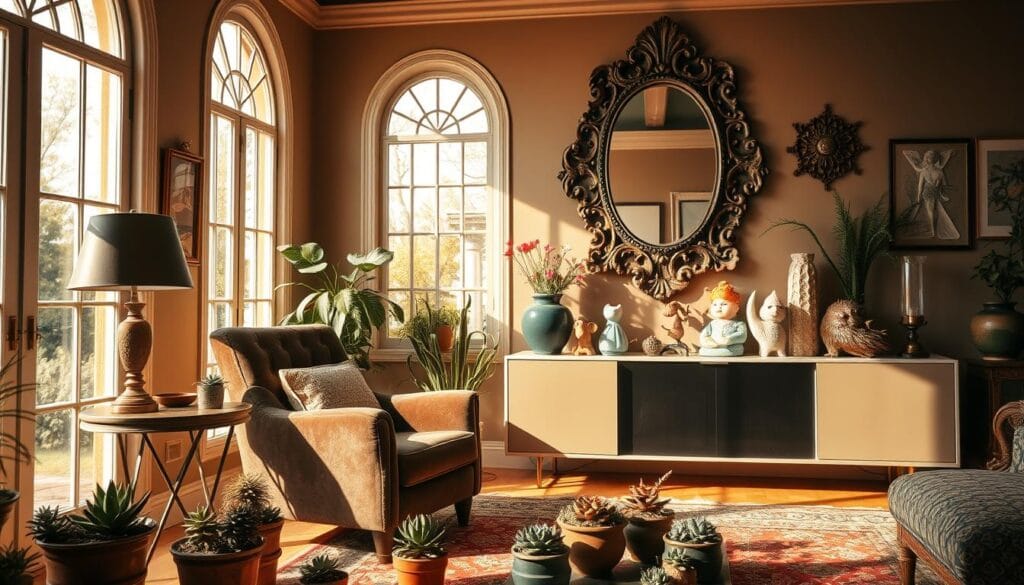
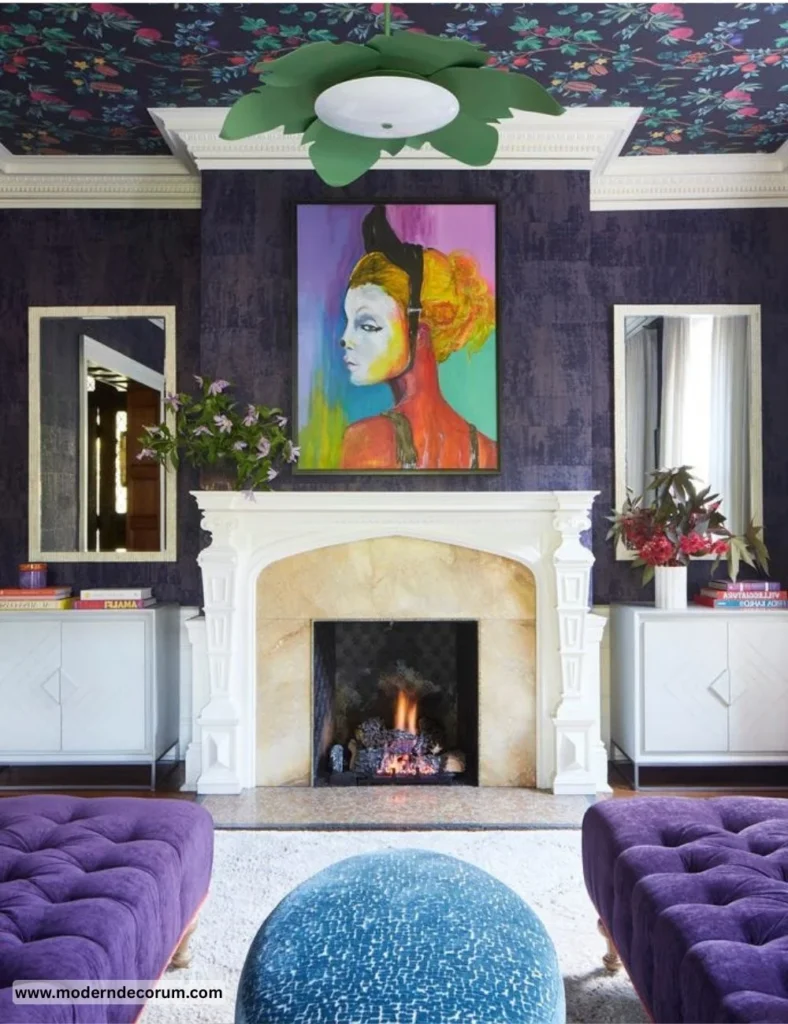
Imagine walking into a living area where every element draws your eye to a stunning artwork or a unique piece of furniture. This kind of design harmony can transform your mood and the overall ambiance of your home. By focusing on one key detail, you can curate a space that reflects your personality while aligning with current design trends such as minimalism and sustainability.
Additionally, this concept encourages a more mindful approach to decorating. Instead of cluttering your space with multiple competing elements, you focus on one piece and build your decor around it, creating a cohesive and inviting environment. This method streamlines the decorating process and results in a delightful living space that enhances your everyday life.
What You’ll Need
To successfully decorate around a centerpiece detail, you’ll require a selection of essential materials and decor elements. Below is a list of items that contribute to your overall look, with suggestions for both budget-friendly alternatives and high-end options.
- Centerpiece Item: This could be an artwork, a striking piece of furniture, or a beautiful plant. Its role is to anchor the room’s design and attract attention.
- Budget Option: DIY art pieces or vintage finds from thrift shops.
- High-End Option: A commissioned artwork or designer furniture piece.
- Coordinating Textiles: Think cushions, throws, or curtains that complement the centerpiece.
- Budget Option: Store sales or online marketplaces.
- High-End Option: Custom fabrics or luxurious materials like silk.
- Lighting Fixtures: Proper lighting can highlight your centerpiece and set the mood for the room.
- Budget Option: Stylish lamps from department stores.
- High-End Option: Designer pendant lights or chandeliers.
- Accessorized Decor: Accent pieces such as vases, books, or sculptures that harmonize with your centerpiece.
- Budget Option: Local flea markets or DIY projects.
- High-End Option: Artisan-crafted pieces from specialty stores.
By sourcing materials from local thrift shops, online retailers, or considering DIY projects, you can stay within budget while still achieving an elegant aesthetic.
Decorating Steps
Here’s a clear, step-by-step guide to effectively decorate around your centerpiece detail.
- Select Your Centerpiece: Choose a standout item that resonates with your style.
- Importance: This piece will be the focal point of the room.
- Pro Tip: Ensure it’s proportionate to the space. Too large or small can disrupt the balance.
- Plan Your Layout: Visualize how your centerpiece will sit within the room.
- Importance: A thoughtful arrangement impacts flow and functionality.
- Pro Tip: Use painter’s tape to outline where furniture will be placed—this helps visualize the layout without heavy lifting.
- Choose a Color Palette: Select hues that complement your centerpiece, enhancing its beauty.
- Importance: A cohesive color scheme visually unifies the room.
- Pro Tip: Use a color wheel or an online palette generator for inspiration.
- Add Textiles and Fabrics: Introduce cushions, throws, or drapes in your chosen colors.
- Importance: Textiles add warmth and texture, making the space more inviting.
- Pro Tip: Layer different textures for depth, such as mixing a soft knit with a sleek silk.
- Incorporate Lighting: Install lights that accentuate your centerpiece and create ambiance.
- Importance: Good lighting can dramatically alter the mood of the space.
- Pro Tip: Use dimmers for flexibility in ambiance throughout the day.
- Accessorize Thoughtfully: Choose decor items that echo your centerpiece while adding interest.
- Importance: Accessories tie the room together and can help maintain focus on your centerpiece.
- Pro Tip: Group items in odd numbers for a contemporary look—think three or five.
Design Tips & Variations
To further personalize your space and adapt to the seasons:
- Styling Tweaks: Consider a seasonal color palette. In summer, opt for vibrant, light colors, while autumn can invite richer, warmer tones.
- Layering Textures: Incorporate different materials, from ceramics to woods, to create visual interest.
- Seasonal Updates: Change out decor items based on the season—think pinecones and harvest tones in fall, fresh flowers in spring.
- Personal Touches: Integrate your own artwork, family photos, or favorite plants that resonate with your personality.
FAQ / Common Challenges
How do I adapt this style for a small room?
Utilize multifunctional furniture that can serve as additional storage and decorate vertically by using wall art and shelves. Keep accessories minimal to avoid overwhelming the space.
What if my centerpiece is oversized?
Choose lighter textiles and keep other decor minimal to draw attention to the centerpiece without competing elements.
Can I use multiple centerpieces?
Yes, but try to create a visually cohesive look by ensuring they share a common theme or color palette. Use one as the main focus and let the others support it.
Conclusion & Call to Action
Decorating around a centerpiece detail is a transformative approach for any room, infusing your space with personal flair while ensuring a harmonious aesthetic. By defining the focal point of your decor, you can create serene, stylish environments that enhance your mood and functionality.
Now that you’re equipped with the knowledge to transform your space, which room will you apply this concept to first? Share your thoughts, and let us inspire each other with our decorating journeys!