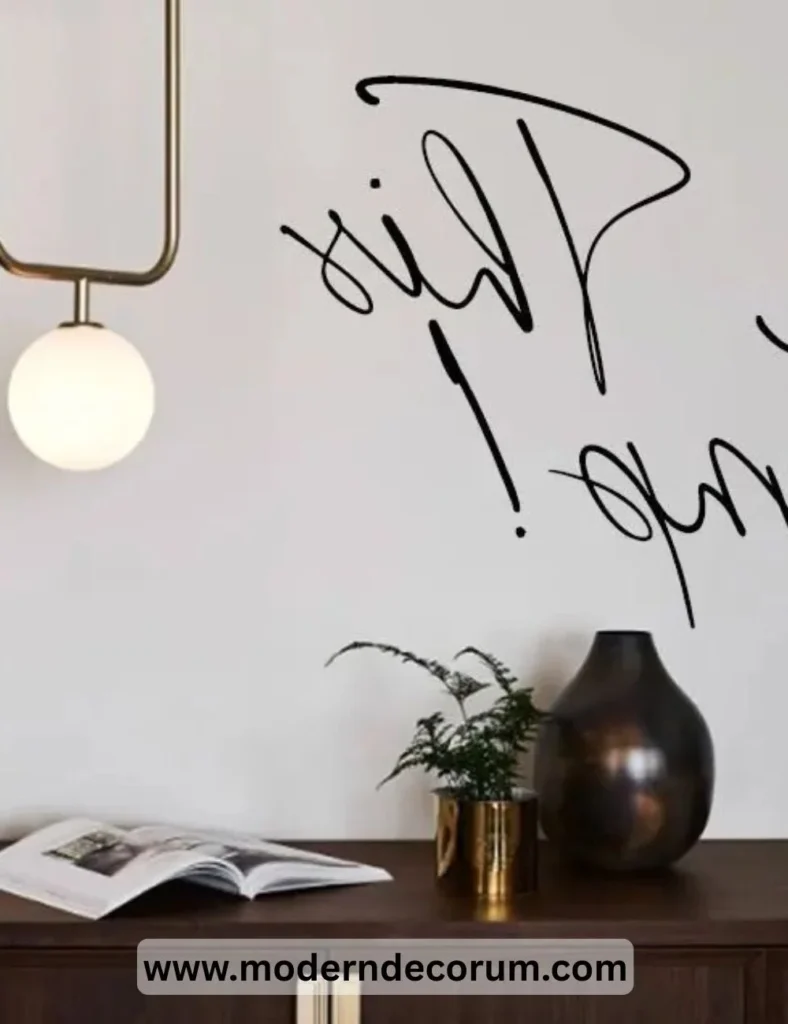
Decorative Lighting as a Design Anchor

Table of Contents
Why This Decor Idea Matters
Decorative lighting as a design anchor is a powerful interior design strategy that goes beyond simple illumination. It’s about making lighting the central element that brings your entire space together—both visually and functionally. When a carefully chosen fixture becomes the focal point, it sets the tone for color choices, furniture arrangements, and overall mood.
From the soft glow of a pendant lamp to the grandeur of a chandelier, lighting can define a room’s identity. Done well, it adds depth, enhances textures, and turns everyday living areas into styled, welcoming environments. This approach isn’t just about looks—it also improves comfort, usability, and even energy efficiency.
What You’ll Need
Creating a space where decorative lighting takes center stage involves choosing the right elements:
- A Statement Fixture
- Purpose: Serves as the main visual anchor.
- Examples: Oversized chandelier, geometric pendant, or sculptural floor lamp.
- Budget Tip: Hunt for unique finds in vintage markets or online second-hand stores.
- Supporting Lighting Layers
- Purpose: Balance the main fixture with ambient, task, and accent lighting.
- Examples: Table lamps, sconces, under-cabinet lights.
- Complementary Finishes
- Purpose: Ensure materials and colors of the light fixtures tie in with other décor.
- Example: Match brushed brass fixtures with gold-toned accessories.
- Smart Controls and Dimmers
- Purpose: Adapt brightness for different moods and times of day.
- Bulbs with the Right Color Temperature
- Purpose: Warm tones (2700K) for cozy spaces, cool tones (4000K) for task-heavy areas.
Decorating Steps
Step 1: Identify the Room’s Focal Point
Action: Choose where your main lighting fixture will draw the eye.
Rationale: Everything else in the design will revolve around this visual anchor.
Step 2: Select Your Statement Piece
Action: Pick a lighting fixture that defines your style—whether modern, rustic, or eclectic.
Pro Tip: Scale matters; the fixture should fit the room’s proportions.
Step 3: Add Supporting Layers
Action: Integrate task and accent lighting to complement the focal light.
Rationale: This ensures both beauty and practicality.
Step 4: Coordinate Décor Around the Light
Action: Arrange furniture and accents to enhance your lighting’s visual impact.
Step 5: Fine-Tune the Mood
Action: Use dimmers to adjust light levels for different occasions.
Design Tips & Variations
- Play with Symmetry: Twin sconces or matching pendants create visual harmony.
- Seasonal Updates:
- Winter: Use warm bulbs and deeper shade colors.
- Summer: Opt for sheer shades and maximize daylight.
- Texture Contrast: Pair smooth metallic fixtures with natural fibers like rattan or linen.
- Personal Touch: Custom or DIY lamp shades can make the anchor light truly unique.
FAQ / Common Challenges
Q: How can I make a small room work with a large statement light?
A: Use mirrors and lighter wall colors to balance proportions and reflect light.
Q: Can different styles of lights work together?
A: Yes—maintain a unifying element like color, finish, or shape.
Q: What’s the easiest upgrade for renters?
A: Plug-in pendant lights or floor lamps can create a focal point without hardwiring.
Conclusion & Call to Action
Decorative lighting as a design anchor is a simple yet impactful way to create a cohesive, stylish home. By making your lighting the star of the room and building the rest of your décor around it, you set the stage for interiors that feel both intentional and inviting.
So—what will be the first room where you let lighting take center stage?