Table of Contents
Why This Decor Idea Matters
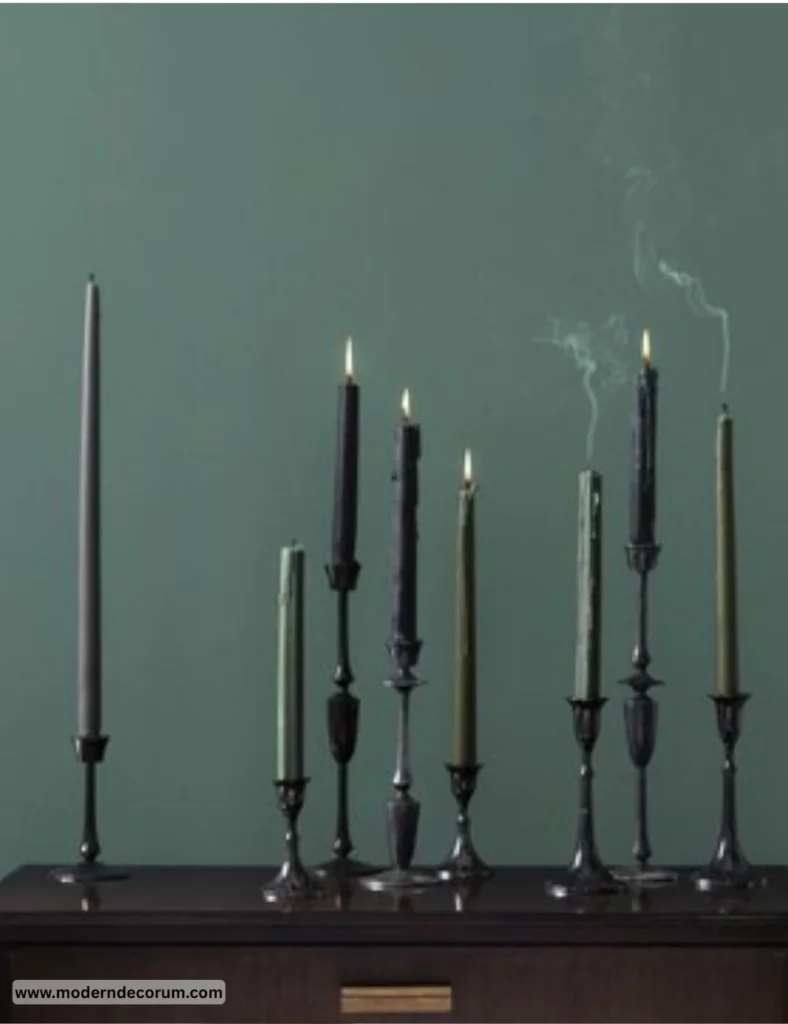
Blue-Green Paint has surged in popularity thanks to its calming yet invigorating qualities. Straddling the line between serene blue and refreshing green, these shades create balanced, versatile spaces that feel both sophisticated and inviting. Perfect for bedrooms, living rooms, kitchens, or even offices, blue-green hues offer a contemporary twist on classic color palettes while supporting mood, creativity, and relaxation.
In 2025, designers are leaning into blue-green tones to reflect a growing desire for wellness-inspired interiors. Whether paired with natural materials, metallic accents, or neutral shades, these colors bring depth, elegance, and energy to any space.
What You’ll Need
To incorporate blue-green hues effectively, consider gathering the following:
- High-Quality Paint in Blue-Green Shades
- Purpose: Provides true color, smooth coverage, and lasting durability.
- Budget Option: Mid-range paints with good coverage.
- High-End Option: Designer brands like Farrow & Ball or Benjamin Moore for rich undertones.
- Complementary Colors
- Purpose: For accent walls, trim, or furniture to harmonize with blue-green.
- Pro Tip: Soft neutrals, warm woods, or metallics work beautifully.
- Decor & Furniture
- Purpose: Enhance the color through textures and finishes.
- Examples: Wooden headboards, velvet cushions, rattan chairs, brass fixtures.
- Textiles & Accessories
- Purpose: Introduce layered textures through rugs, curtains, bedding, or artwork.
- Lighting
- Purpose: Highlights the subtle undertones and ensures a balanced look.
- Pro Tip: Adjust warm or cool lighting to emphasize the hue’s depth.
Decorating Steps
Step 1: Select Your Shade
- Action: Choose a blue-green color that suits your room’s lighting and size.
- Rationale: Lighter shades open small spaces, while deeper tones create drama and intimacy.
- Pro Tip: Paint small swatches on multiple walls and view them at different times of day.
Step 2: Prepare Your Space
- Action: Move furniture, cover floors, and clean walls.
- Rationale: Proper prep ensures a smooth, professional finish.
Step 3: Apply Paint
- Action: Use a roller for large surfaces and brushes for corners and edges. Apply two even coats.
- Rationale: Achieves full coverage and color consistency.
Step 4: Introduce Accents and Textures
- Action: Incorporate textiles, décor, and furniture in complementary shades.
- Rationale: Prevents the color from feeling flat and adds visual interest.
Step 5: Evaluate Lighting and Ambiance
- Action: Adjust lamps, overhead lighting, and window treatments.
- Rationale: Ensures the color is showcased at its best throughout the day.
Designer-Approved Blue-Green Paint Colors
- Sea Glass – Soft, airy, and perfect for bedrooms or bathrooms.
- Teal Tide – Bold yet soothing for feature walls or living rooms.
- Emerald Jewel – Rich and luxurious, ideal for statement spaces.
- Aqua Mist – Light and refreshing, pairs well with whites and creams.
- Turquoise Splash – Vibrant and playful, great for kitchens or creative spaces.
- Sage Blue – Muted and calming, perfect for home offices.
- Peacock Feather – Deep and dramatic, adds elegance to large rooms.
- Robin’s Egg Blue – Classic and versatile, complements neutral décor.
Design Tips & Variations
- Mix with Neutrals: Pair blue-green walls with whites, creams, or soft grays to create balance.
- Layer Textures: Incorporate velvet, linen, wood, and metallics to add depth.
- Accent Walls: Use a darker or bolder shade on a single wall for drama without overwhelming the space.
- Natural Elements: Plants, wooden furniture, and stone accents complement blue-green hues beautifully.
- Seasonal Updates: Swap textiles or décor to adjust the room’s vibe with the seasons.
FAQ / Common Challenges
Q: Are blue-green shades suitable for small rooms?
- Answer: Yes—lighter or muted tones can open up the space, while darker shades work best as accent walls.
Q: Can I combine multiple blue-green shades?
- Answer: Absolutely—mix light and dark shades to create dimension and interest.
Q: Which colors pair best with blue-green walls?
- Answer: Neutrals, warm woods, metallics, blush pinks, or muted yellows complement beautifully.
Q: Can blue-green be used in all rooms?
- Answer: Yes—its versatility makes it ideal for bedrooms, living rooms, kitchens, and even home offices.
Conclusion & Call to Action
Blue-green paint colors bring serenity, style, and sophistication to any room. By choosing the right shade, layering textures, and pairing complementary décor, you can transform your space into a balanced, inviting, and modern haven.
Which blue-green shade will you try first, and where will you apply it in your home? Start experimenting today and create a room that reflects both elegance and tranquility.