Table of Contents
Why This Décor Idea Matters
VINTAGE ANTIQUE—these terms are often used interchangeably in home décor, but in design, they have distinct meanings. Knowing the difference helps you shop smarter, preserve the value of your pieces, and create a home that authentically reflects your personality.
Understanding these terms also aligns with current design trends, which emphasize character-driven, sustainable décor. Whether you’re treasure hunting at flea markets or investing in heirloom furniture, clarity ensures you blend history and style in the most intentional and stylish way.
What You’ll Need
Before diving into decorating, it’s helpful to define the basics:
- Antique Furniture & Décor
- Definition: Typically 100 years old or more.
- Why It Matters: True antiques are valuable, collectible, and often come with documented provenance.
- Examples: A Georgian sideboard, a 19th-century writing desk, or Art Nouveau light fixtures.
- Vintage Furniture & Décor
- Definition: Usually 20–99 years old.
- Why It Matters: Vintage pieces reflect the style of their era and add personality without the higher price tag of antiques.
- Examples: Mid-century modern chairs, a 1970s rattan coffee table, or retro glassware.
- Reproductions & Retro Styles
- Definition: New pieces designed to look old or inspired by earlier styles.
- Why It Matters: Budget-friendly and practical, but they don’t carry the historical authenticity of vintage or antique.
Decorating Steps
1. Identify the Age of Your Piece
Look for maker’s marks, construction methods, and materials. Antique pieces often show hand craftsmanship, while vintage items may reflect early machine production.
2. Mix Vintage and Antique for Depth
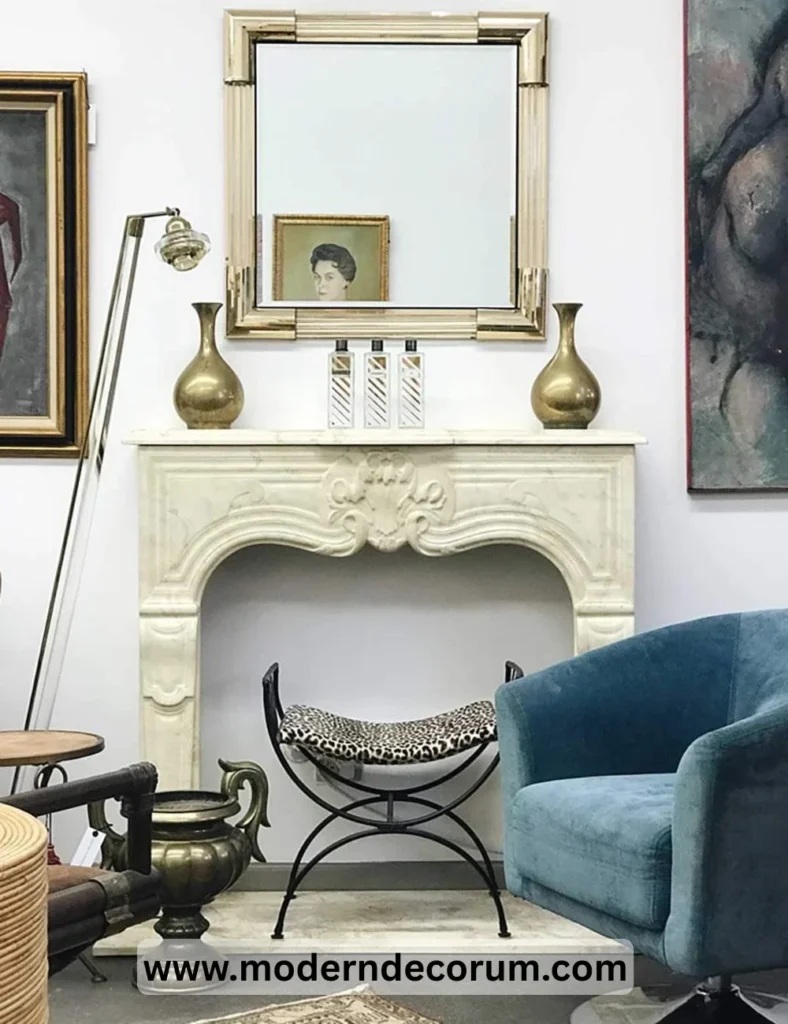
Pair a Victorian table (antique) with mid-century chairs (vintage) to create a layered, eclectic look that feels curated rather than matchy.
3. Use Vintage for Everyday Practicality
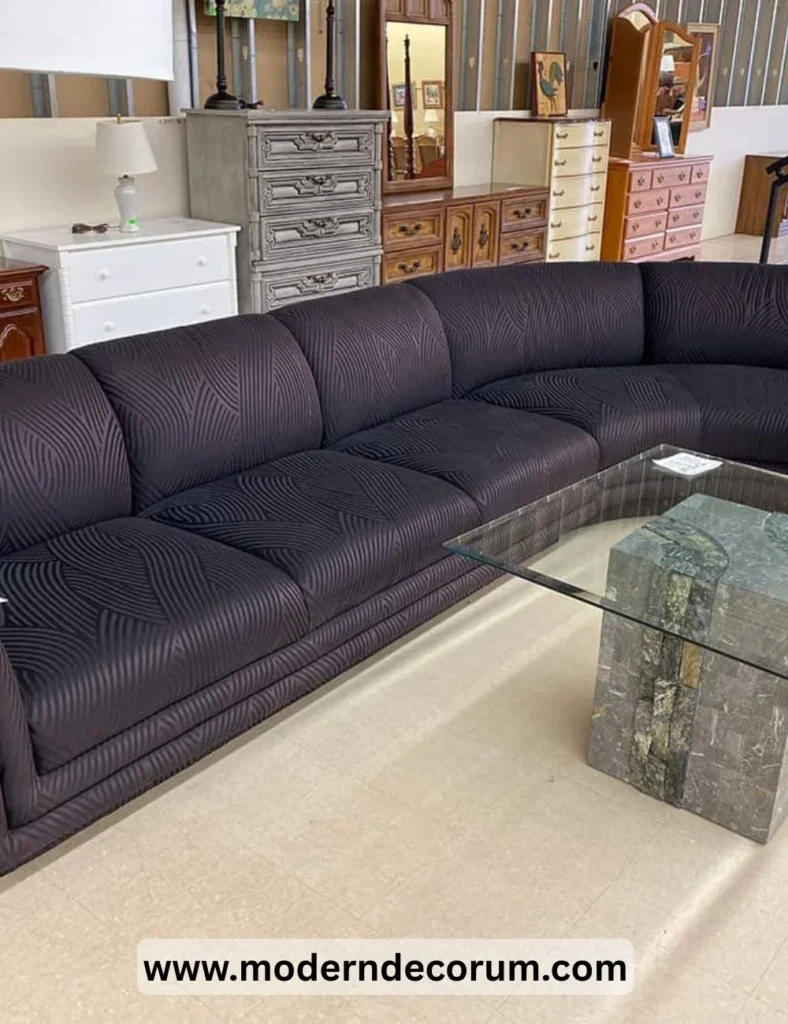
Vintage pieces are often sturdier for daily use—think a 1960s sofa or dining table—while antiques may be better suited for statement pieces and lighter use.
4. Highlight Antiques as Focal Points
Give your antique chest, armoire, or dining table pride of place. These often hold the most value and deserve to shine.
5. Blend with Modern Touches
Balance aged furniture with contemporary lighting, textiles, or artwork. This keeps your space fresh while honoring history.
Design Tips & Variations
- Color Palette: Neutrals (cream, taupe, soft gray) let the character of antique woods and vintage metals stand out.
- Seasonal Shifts:
- Summer: Pair vintage rattan or wicker with light linens.
- Winter: Let antique wood furniture glow against warm wool throws and brass accents.
- Personal Touches: Display inherited pieces alongside modern art for a space that tells your unique story.
FAQ / Common Challenges
Q: How can I tell if a piece is truly antique?
A: Look for signs of age—dovetail joints, handmade carvings, or uneven finishes. If in doubt, seek professional appraisal.
Q: Are antiques always more expensive than vintage?
A: Not necessarily. Condition, rarity, and demand determine price. A highly collectible vintage piece may cost more than a common antique.
Q: Can I mix vintage, antique, and modern pieces together?
A: Absolutely. In fact, the best interiors blend eras seamlessly for a layered, lived-in feel.
Conclusion & Call to Action
The difference between vintage and antique décor lies in more than just years—it’s about history, craftsmanship, and the stories behind each piece. Antiques, with their century-old legacy, bring gravitas and tradition, while vintage décor adds personality, nostalgia, and charm.
Together, they create homes that feel warm, authentic, and timeless.
Which do you prefer to decorate with—vintage treasures, antique heirlooms, or a blend of both?