Introduction
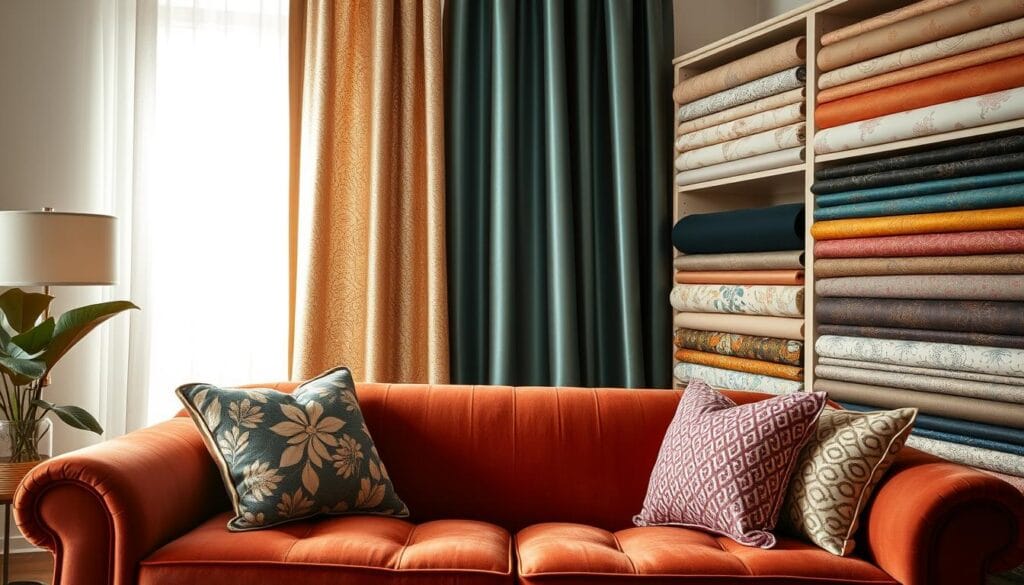
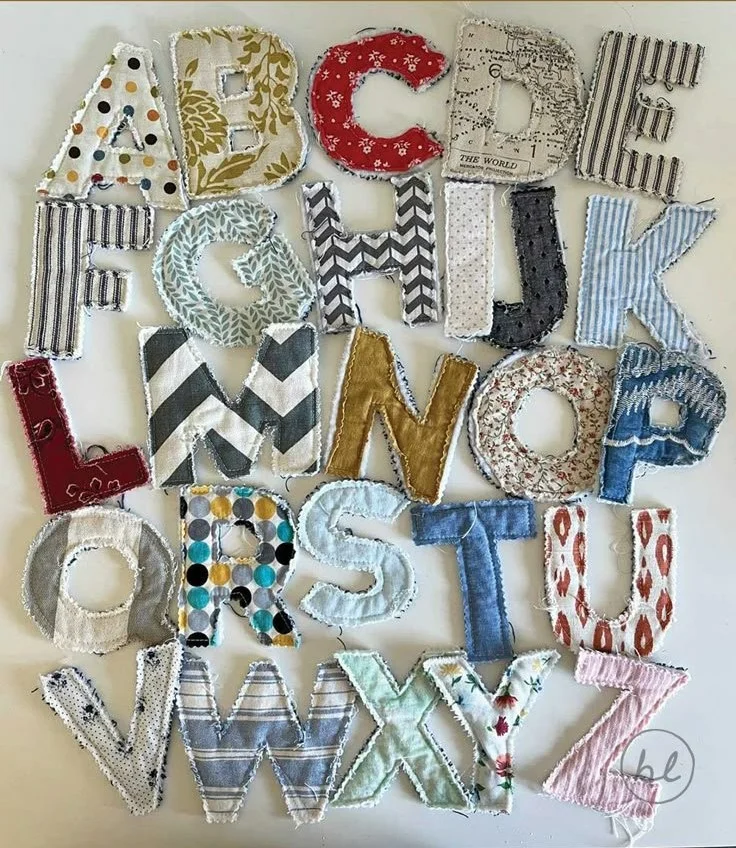
Imagine running your fingertips over soft, plump letters hung in a sunlit reading nook — each one wrapped in textured cottons, linens, or velvets that whisper beneath your touch. DIY Fabric Alphabet and sewn fabric alphabet letters bring a tactile dimension to typography: seams and stitches become decorative lines, seams catch the light, and patterns add personality to a once-blank wall. The colors and textures you choose set a mood — muted neutrals and nubby linen soothe; jewel-toned velvets add glamour; playful prints make a child’s corner sing. It’s décor you can almost hear: the gentle rustle of fabric, the faint sigh of stuffing settling into shape.
This idea matters because it marries function and heart. Whether you’re warming up a minimalist hallway or softening a modern nursery, fabric letters let you infuse home spaces with personal touches — names, inspirational words, or simply a monogram. They’re a host’s secret weapon for seasonal updates: swap patterns and palettes when the holidays roll around, or stitch a set of festive letters to spell out “JOY” above the mantle. For renters and anyone who loves change, sewn alphabet letters are low-commitment, high-impact: lightweight, easy to hang, and removable without leaving marks.
Sewing fabric letters is also an invitation to slow, satisfying craft. The rhythmic hum of a sewing machine, the scent of freshly cut cotton, the tactile reward of stuffing a letter until it’s just right — these sensory moments make the process as decorative as the result. If you prefer to skip sewing, a no-sew route or a mix of sewn and store-bought pieces still yields an equally charming look; this flexibility makes the project ideal for hobbyists and busy homemakers alike. For seasonal refreshes, cozy corners, renter-friendly updates, or budget-conscious hosting plans, fabric letters offer a tangible, welcoming way to personalize your space. For more seasonal textile projects that pair wonderfully with hand-sewn pieces, try this fabric pumpkins sewing tutorial for autumn styling ideas.
Decor Details
What it is: Sewn fabric alphabet letters are soft, stuffed textile letters that function as wall art, nursery decor, garlands, or shelf accents. They are a type of textile decor and small soft sculpture.
Main style: Versatile — fits boho, Scandinavian, modern farmhouse, contemporary, and playful kids’ room aesthetics depending on fabric choice and finishing details.
Typical colors, materials, textures:
- Colors: neutrals (beige, cream, gray), pastels for nurseries, bold jewel tones or primary colors for playful spaces.
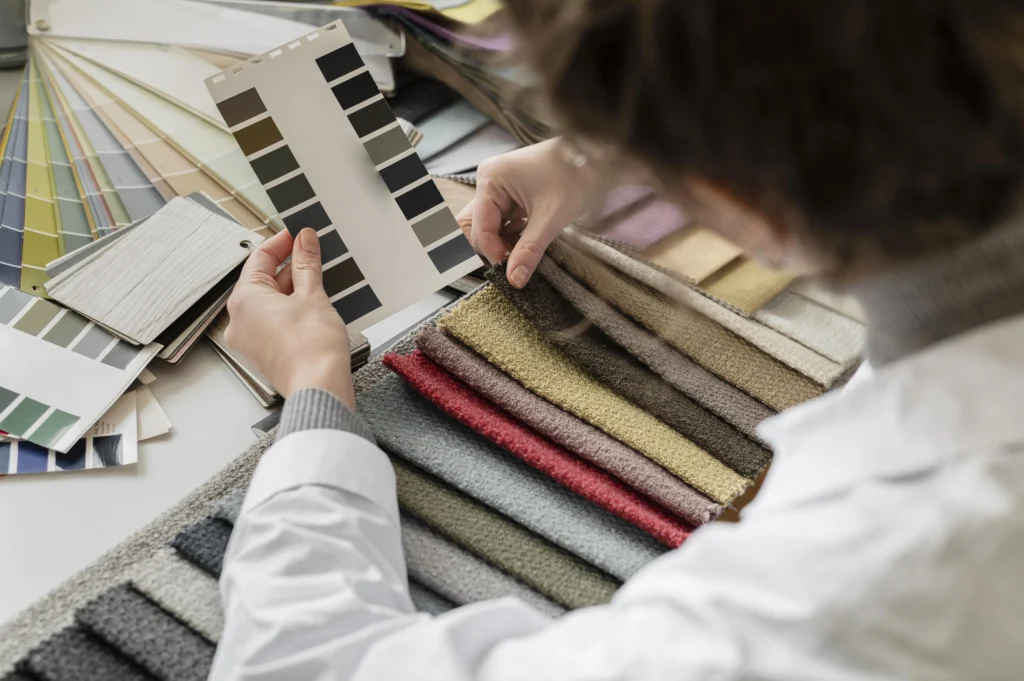
- Materials: cotton quilting fabric, linen, corduroy, velvet, repurposed clothing or upholstery scraps.
- Textures: smooth cotton prints, nubby linen, plush velvet, ribbed corduroy, or lightly distressed vintage linens.
Best rooms/zones:
- Nursery or kids’ bedroom (name garlands, wall initials).
- Entryway (monogram welcome sign).
- Living room or reading nook (statement single letters or a word art cluster).
- Home office (inspirational words above desk).
DIY vs. store-bought:
- Mix: Many projects are beginner-friendly (easy DIY) but patterns and templates are also available for those who prefer a sewn approach.
Benefits
Sewn fabric letters change a space by introducing softness, focal interest, and a bespoke touch. Visually, a cluster of three letters above a console table or bed creates a strong focal point that anchors smaller furniture pieces and draws the eye upward, improving perceived ceiling height and balance. Light plays off textured fabrics differently: velvet deepens tones and adds luxury, while linen reflects light softly for an airy, relaxed feel. A row of letters along a child’s shelf creates a rhythmic pattern that organizes a busy vignette without adding clutter.
Emotionally, fabric letters feel intimate. They read as handcrafted and personal rather than mass-produced, which creates warmth and invites conversation. Imagine welcoming guests with a soft “hello” in the entryway — it’s friendly and approachable. Practically, these letters are lightweight and easy to move, making them great for multi-use rooms or seasonal redecorating. They can also function as noise-softening elements in small apartments, where fabrics help reduce echoes. For a work-from-home setup, a small phrase like “FOCUS” or “CREATE” above your desk becomes a gentle visual cue that helps delineate work time from relaxation time.
Why Choose It
Who it’s perfect for: This decor is ideal for renters who need damage-free options, families wanting personalized kids’ spaces, small-apartment dwellers seeking big impact in tight square footage, and design beginners looking for an approachable DIY project. It’s also great for craft lovers who enjoy a tangible, stitch-by-stitch decorating process.
Key strengths:
- Affordable: Use scraps, thrifted fabrics, or offcuts to keep costs low.
- Flexible and updateable: Change covers seasonally or swap letters for different words and occasions.
- Space-friendly: Works on narrow walls, above doors, or hung from shelves without heavy hardware.
- Timeless: Simple typography and quality fabrics remain appealing across trends.
Problem solver example: Have an empty, awkward wall between two windows that seems too narrow for a framed print? A trio of vertical fabric letters or a slim garland of sewn letters provides scale without overwhelming the space. In a dark corner where a lamp won’t fit, a small cluster of pale fabric letters can brighten visually and add texture without requiring floor space.
How to Style DIY Fabric Alphabet, Sew Fabric Alphabet Letters
{ingredients}
Main materials:
- Fabric yardage (cotton, linen, velvet, or mixed scraps) — ¼ to 1 yard depending on letter sizes.
- Low-loft polyester fiberfill or cotton batting.
- Letter templates printed to scale (download or draw).
- Sewing machine (or fabric glue for no-sew).
- Matching thread and basic sewing kit (scissors, pins, needle).
- Fabric marker or tailor’s chalk.
- Iron and ironing board.
- Small eyelet hooks or ribbon/cord for hanging; command strips or removable wall hooks.
Optional extras for upgrade:
- Embroidery thread for outlining letters.
- Small pom-pom trim or piping for contrast edges.
- LED fairy lights or battery tea lights for backlit displays.
- Wooden dowels or hoop for structured garlands.
Budget-friendly substitutions:
- Thrifted sheets or tablecloths instead of new fabric.
- Hand-stitching instead of a sewing machine.
- Newspaper or scrap fabric stuffing in place of commercial fiberfill (lightweight but less durable).
{directions}
Choose your font and size: Pick a simple, bold font for easier sewing (block letters like Arial Black or a chunky serif). Trace templates onto paper at the size you want — common heights are 6", 10", or 16" depending on placement.
- Tip: Larger letters (12"+) read better on living room walls; 6–8" are perfect for shelves or garlands.
Select fabric and cut pieces: Iron fabric to remove wrinkles. Pin the paper template to folded fabric (right sides together) and cut two mirror pieces per letter.
- Tip: Use contrasting fabrics for the front and back for a playful edge.
Sew the perimeter leaving an opening: With right sides together, stitch around the letter leaving a 1/2" seam allowance and a 2–3" gap for turning and stuffing.
- Common mistake: Sewing too close to the edge — maintain consistent seam allowance for neat edges.
Clip curves and corners: Clip inside corners and notch curves to reduce bulk; this helps letters sit flush once turned.
- Tip: Use small snips and be careful not to cut through seams.
Turn and press: Turn each letter right side out, use a blunt tool to push points and curves, then press gently with an iron to flatten seams.
- Tip: For velvet or corduroy, steam lightly to avoid crushing pile.
Stuff evenly: Fill with fiberfill in small bits, pressing into tight curves. Aim for even density so letters keep shape without bulging seams.
- Tip: Use a chopstick or stuffing tool for narrow areas.
Close the gap: Slip-stitch the opening closed by hand for an invisible finish. Alternatively, topstitch around the entire letter for durability and decorative effect.
- Mistake fix: If a seam puckers, re-press and use a longer stitch length when topstitching.
Add hanging hardware: Sew a fabric loop to the top seam, glue a small loop inside, or attach a ribbon. For wall-safe hanging, use removable wall hooks rated for the weight of the letter.
- Placement tip: Hang letters at eye level for words above furniture; center single letters 6–12" above a sofa or console.
Embellish (optional): Add embroidery outlines, pom-poms, or piping to enhance texture and contrast.
- Color advice: For minimalist spaces, stick to two-tone neutrals; for kids’ rooms, mix prints and solids.
Swap seasonally: Create slipcovers for letters so you can update fabrics without re-stuffing or re-cutting.
- Practical tip: Make a second set in a neutral fabric to rotate through holidays.
Showcasing Ideas
Sewn fabric letters can be showcased in countless ways. In an entryway, mount a monogram above a console table with a small cluster of seasonal vases and a woven basket below to collect keys — the letters welcome guests with a soft, personalized touch. In a living room, create a balanced gallery by mixing one large initial with framed photography and a sculptural vase; the fabric absorbs light softly, adding cozy contrast to harder surfaces like metal or glass.
For bedrooms and nurseries, string a garland of small fabric letters across a crib rail or over a dresser. Pair with a textured rug, plush throw, and a cluster of woven baskets to build a layered, restful vignette. In a home office, spell out motivational words above a floating shelf and flank the letters with live plants and a warm desk lamp for a productive yet serene corner.
Pairing ideas:
- Small spaces: Use a vertical stack of three letters above a narrow console or hang a single oversized initial to avoid clutter.
- Larger/open-plan rooms: Create a word wall with 4–6 letters above the sofa or dining area; anchor it with a long shelf and low-profile furniture.
- Layer with: plants, framed prints, candles, mirrors, woven baskets, textured throws, and metal or wood accents for contrast.
How to Maintain
Cleaning and care vary by fabric. For cotton and linen letters, surface clean with a soft brush or vacuum with an upholstery attachment every 2–4 weeks to remove dust. Velvet or corduroy benefits from gentle brushing in the pile direction to keep fibers looking fresh. For spot stains, dab with a mild detergent solution on a white cloth — avoid soaking. If covers are removable, launder according to fabric type (gentle cycle for cotton, hand-wash for delicate velvet).
Schedule a deeper refresh every season: air the letters out on a dry day, plump fiberfill back into shape, and replace any weakened hanging loops. For storage, place letters in breathable cotton bags or boxes; avoid plastic if storing long-term to prevent trapped moisture. Protect from direct sunlight in bright rooms to avoid fading — rotate or move to shaded walls if needed.
How long will they last? With gentle care and occasional re-stuffing, well-made fabric letters can remain attractive for years. Refresh by updating the covers or adding trims to align with new décor themes.
Decor Expert Tips
- Scale rule: Aim for letters that take up one-third to one-half the width of the furniture they sit above for balanced proportion.
- Layer light: Pair letters with warm, dimmable lights to play up textures and create a cozy evening mood.
- Pattern pairing: Combine one patterned letter with two solids to avoid visual overload — repeat a pattern’s color in nearby accessories for cohesion.
- Mounting tip: Use a cardboard template to test placement before committing to hooks; it prevents unnecessary holes.
- Mix materials: Pair soft letters with a framed print or metal sculpture to create contrast and interest.
- Color anchor: Use wall paint as a backdrop to make letters pop — deep blues make warm fabrics sing, while pale walls highlight rich textures.
- Seasonal swap: Create interchangeable slipcovers for letters to change your look quickly for holidays or events.
Creative Variations
Minimalist: Use monochrome linen letters in a slim, sans-serif font. Mount them flush to the wall without visible hanging ribbons for a sleek, Scandinavian vibe. Budget: thrift linen or repurpose old curtains.
Cozy/Layered: Make oversized velvet letters and pair with macramé wall hangings and warm-toned lighting for hygge-inspired comfort. Mid-range: choose quality velvet and piping trim.
Playful/Colorful: Mix printed cottons with pom-pom trims and contrasting backings for a kids’ playroom or party banner. Budget-friendly: use scrap fabric and hand-stitch for charming imperfections.
Frequently Asked Questions
Q: Can I use these letters in a rental apartment?
A: Yes — use removable hooks or command strips to hang letters without damaging walls. Lightweight fabric letters are ideal for renters.
Q: How do I match letters to existing furniture and colors?
A: Pick one dominant color from your room and match one letter to it, then use complementary shades or neutral backgrounds to balance. Fabrics with small-scale prints coordinate well with larger furniture patterns.
Q: Are these suitable for small apartments?
A: Absolutely. Opt for smaller letters, vertical arrangements, or a single oversized initial to add personality without crowding.
Q: Where can I find good templates and patterns?
A: Look for printable alphabet templates or sewing patterns online, or trace letters from a font printed at the right scale. (See pattern resources linked below.)
Q: How should I store letters between seasons?
A: Place them in breathable bags or boxes, add silica packets if humidity is a concern, and avoid direct sunlight to prevent fading.
Conclusion
Ready to give your walls a soft, personalized upgrade? Sewn fabric alphabet letters are an accessible way to inject texture, color, and meaning into any room — from cozy nooks to lively playrooms. If you want step-by-step sewing guidance, check out this detailed How to Make Fabric Alphabet Letters – Bethany Lynne Makes tutorial, and for pattern templates you can use right away, see the DIY Sewn Fabric Alphabet Letters | Pattern Template. Try this idea, share your photos and questions in the comments, and explore more textile projects and seasonal inspiration here at ModernDecorum — we’d love to see how your letters bring personality to your home. For more quick fabric projects that pair beautifully with alphabet decor, take a peek at this no-sew pleated fabric lampshade tutorial.