Table of Contents
Easy No Sew Pleated DIY Fabric Lampshade Makeover
FABRIC LAMPSHADE: Transforming a simple lampshade into a stunning design statement is an enjoyable and rewarding home decor project. Whether you’re looking to breathe new life into an outdated fixture or personalize a new lamp to fit your unique style, the no-sew pleated fabric lampshade makeover is the perfect solution.
Why This Decor Idea Matters
In today’s fast-paced world, we often seek ways to create spaces that reflect our personality and taste. A well-styled environment can uplift our mood, inspire creativity, and provide a sense of comfort.
Aside from enhancing aesthetics, a fabric lampshade makeover can also serve functional purposes—softening harsh lighting, adding texture, and coordinating with your decor theme.
When it comes to trends, pleated designs evoke a classic elegance that plays well with various design styles, from boho chic to modern minimalism. The versatility of fabric choices allows you to integrate seasonal hues and patterns, ensuring your space evolves with your lifestyle.
What You’ll Need
Before diving into your makeover, let’s gather everything you need for this project.
Essential Materials:
- Plain Lampshade: Look for one that fits your lamp; thrift stores or clearance sales can yield great finds.
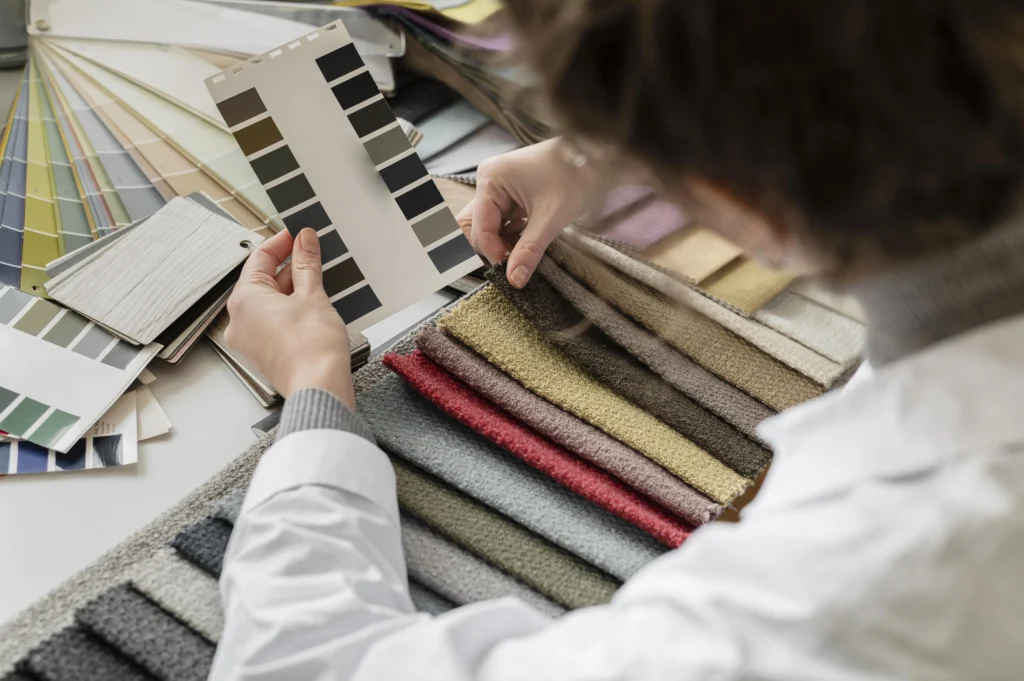
- Fabric: Choose a fabric that matches your decor style, whether it’s linen for a classic look or bold prints for something more contemporary.
- Fabric Stiffener: This will help your pleats hold their shape.
- Craft Glue or Hot Glue Gun: Essential for securing the fabric without sewing.
- Scissors: For cutting your fabric to size.
- Measuring Tape: To ensure accuracy when cutting.
- Pencil: For marking measurements on your fabric.
- Cloth Pins: Useful for holding the fabric in place while the glue dries.
Alternative Suggestions:
- Sourcing Tips: Check online fabric stores like Spoonflower for custom designs or local fabric shops for unique finds. For those on a budget, repurposing an old tablecloth or curtain can give your lampshade a fresh look at a minimal cost.
Budget-Friendly vs. High-End:
- Fabric: Opt for cotton or polyester for budget options; silk or well-patterned linens are excellent for a high-end feel.
- Stiffener: Craft stores often have budget-friendly brands; however, a premium brand may provide stronger results.
Decorating Steps
Once you’ve assembled your materials, follow these straightforward instructions to achieve your pleated lampshade makeover.
Step 1: Measure Your Lampshade
Use the measuring tape to find the height and circumference of your lampshade. Note these measurements, as they will determine the size of your fabric pieces.
Step 2: Cut Your Fabric
Cut the fabric according to the measurements, ensuring to leave an extra inch for gluing the edges. The fabric piece should ideally be slightly wider than the lampshade circumference for ample pleating.
Step 3: Apply Fabric Stiffener
Evenly apply the fabric stiffener to the entire fabric piece. This step is crucial as it ensures the pleats will hold their shape over time. Allow it to dry according to the manufacturer’s instructions.
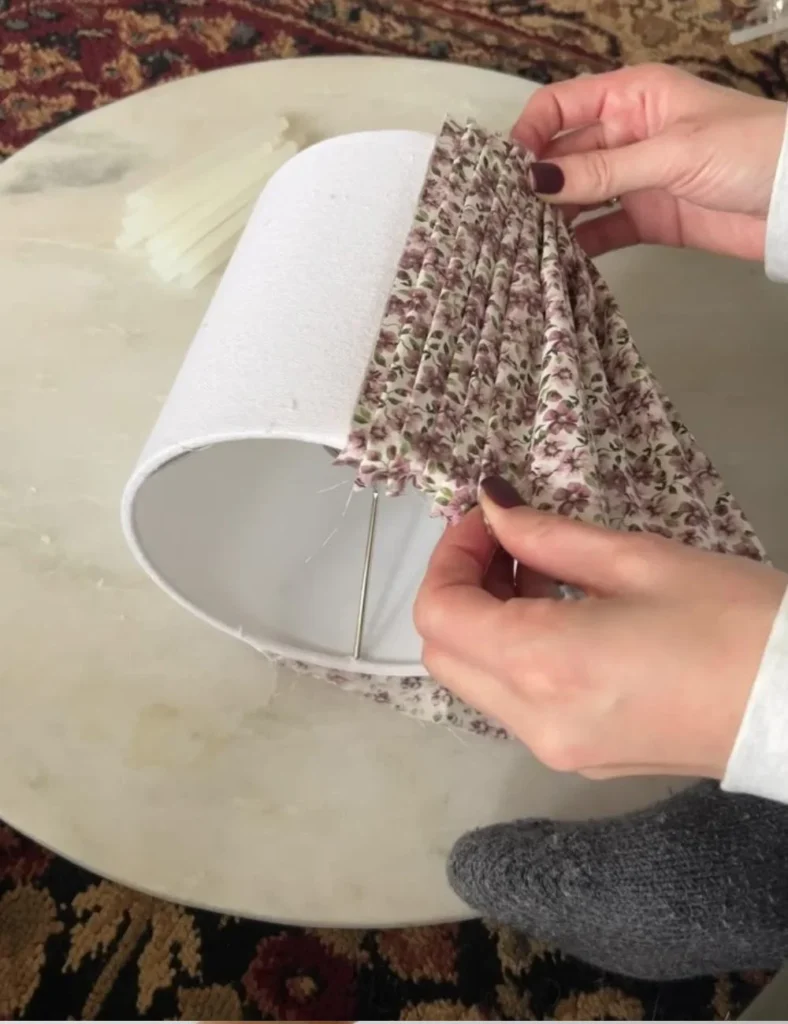
Step 4: Create Pleats
- Start at the top edge of the lampshade and fold the fabric into pleats, securing each fold with a cloth pin as you go.
- Make sure the pleats are even for a polished look.
Step 5: Attach Fabric to Lampshade
Once you’re satisfied with the pleating, apply a line of glue along the top and bottom edges of the lampshade. Carefully wrap the pleated fabric around, pressing it into the glue and securing it firmly.
Step 6: Trim Excess
Trim any excess fabric at the bottom if necessary. Be careful not to cut too much; you can always trim more if needed.
Step 7: Final Adjustments
Once the glue has dried, remove the cloth pins. Make any final adjustments to ensure the pleats are neat and the fabric is taut around the shade.
Pro Tips:
- Take your time with the pleating process—it makes all the difference in the final appearance.
- If using a patterned fabric, consider how the design will line up around the lampshade for an artisan-like finish.
Common Mistakes to Avoid:
- Not using enough fabric stiffener can result in floppy pleats.
- Over-tightening the pleats may lead to a distorted look; keep them loose for a fuller appearance.
Design Tips & Variations
Once you’ve mastered the basic pleated lampshade, here are some tips to personalize your project further:
Color Accents
- Use a vibrant or contrasting color to add interest.
- Consider using a fabric with a subtle pattern, which can add depth without overwhelming the overall look.
Lighting
- Experiment with bulb warmth to change the ambiance your shades emit.
- Slender LED bulbs can create a modern touch, while vintage bulbs add charm.
Textures
- Combine different fabric textures to create an eclectic look; think linen for the lampshade and velvet for surrounding decor.
Seasonal Updates
- Switch out the fabric based on the season for a quick refresh. Light, airy fabrics for spring and warmer hues for fall can keep your decor vibrant year-round.
Personal Touches
- Involve art or plants around your lamp for cohesive decor. A small potted plant or artwork in the background can enhance the overall aesthetic.
FAQ / Common Challenges
Q: Can I use a lampshade that is not plain?
A: Definitely! As long as you can cover the existing design, a patterned shade can work too. Just ensure the fabric adheres well.
Q: What if my pleats aren’t even?
A: Don’t fret! You can often reposition them while the glue is still wet. Take your time to adjust for uniformity before securing everything.
Q: How do I clean the lampshade after I’m done?
A: For fabric shades, it’s best to use a soft brush or a damp cloth. Avoid soaking the fabric, as excess water can distort the shape.
Conclusion & Call to Action
A no-sew pleated fabric lampshade makeover is a delightful way to infuse your personality into your home decor. Not only does it elevate the space, but it also gives you a sense of accomplishment and creativity.
Are you ready to embark on this project that marries style with function? Which room will you transform first? Share your thoughts in the comments below; we’d love to hear about your journey in decor experimentation!