
Table of Contents
Why This Decor Idea Matters
COLOR THEORY is one of the most powerful tools in interior design—it shapes mood, influences the perception of space, and sets the emotional tone of a room. By embracing color theory, you gain the ability to curate a home that feels balanced, harmonious, and perfectly tailored to your lifestyle.
From the calming effect of cool blues to the vibrancy of rich reds, understanding how colors work together transforms home decor from simple arrangement to artful storytelling. Modern trends favor intentional design, where each hue is chosen not only for style but also for the way it enhances daily living.
Whether your goal is to create a serene minimalist retreat or a lively modern gathering space, color theory provides the essential foundation.
What You’ll Need
Before diving into your decorating project, gather these essentials:
- A Color Wheel – Your roadmap for choosing complementary, analogous, or monochromatic schemes.
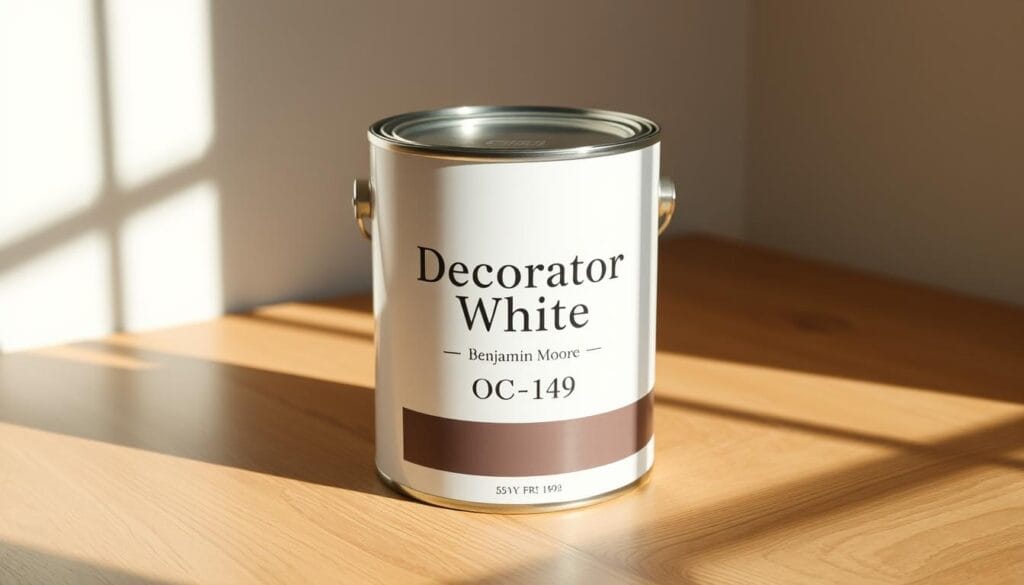
- Paint & Swatches – Samples for walls, trim, and accents.
- Textiles – Cushions, curtains, rugs, or throws to introduce or balance tones.
- Artwork & Accessories – The easiest way to test colors without full commitment.
- Lighting Considerations – Natural and artificial lighting dramatically shift how colors appear.
Budget Tip: Start small with accessories like cushions or vases. Testing bold hues on textiles first is an affordable way to see if you’ll love them on a larger scale.
Decorating Steps
Here’s a step-by-step process to embrace color theory in your home decor:
1. Define the Mood
Decide how you want the room to feel:
- Calm → Soft blues, muted greens, gentle grays.
- Energizing → Vibrant yellows, oranges, or pinks.
- Cozy → Warm neutrals, terracotta, deep burgundy.
2. Choose Your Color Scheme
Use the color wheel as your guide:
- Monochromatic: Variations of one hue (perfect for Minimalist Decor).
- Complementary: Opposite colors (e.g., blue & orange) for bold contrast.
- Analogous: Neighboring hues (e.g., green, blue, teal) for harmony.
- Triadic: Three evenly spaced colors (red, blue, yellow) for vibrant balance.
3. Apply the 60-30-10 Rule
- 60% – Dominant color (walls or large furniture).
- 30% – Secondary color (upholstery, curtains).
- 10% – Accent color (artwork, cushions, vases).
4. Layer with Textures & Patterns
Texture keeps monochromatic palettes interesting. For example, mix matte walls, velvet cushions, and woven rugs in the same color family.
5. Test Under Lighting
Always view colors during both day and night—shades may appear cooler or warmer depending on light sources.
Design Tips & Variations
- Modern Decor: Experiment with bold accent walls paired with sleek neutral furniture.
- Minimalist Decor: Stick to muted palettes (white, beige, gray) with one accent hue for sophistication.
- Vintage Decor: Embrace earthy tones, jewel hues, and layered patterns that tell a story.
- Eclectic Style: Play with unexpected color pairings—like teal and mustard—for a vibrant, artistic look.
Seasonal Variations:
- Spring/Summer: Fresh greens, sky blues, coral pinks.
- Fall/Winter: Deep plums, forest greens, warm neutrals.
FAQ / Common Challenges
Q: How do I avoid colors clashing?
A: Stick to the color wheel—opposites and neighbors naturally complement each other.
Q: Can I mix bold colors in a small room?
A: Yes, but use them as accents. Keep the base neutral so the space doesn’t feel overwhelming.
Q: What’s the easiest way to try color theory without repainting?
A: Start with textiles, wall art, or decorative accessories. They’re easy to swap out seasonally.
Conclusion & Call to Action
Embracing color theory in interior design allows you to craft spaces that not only look beautiful but also feel aligned with your personality and lifestyle. By choosing hues with intention, you’ll create rooms that inspire joy, relaxation, or creativity—whatever your home needs most.
Ready to transform your home? Start with a single room, a color wheel, and the 60-30-10 rule—and watch your space come alive.
Which color palette are you most excited to try in your home decor?