Creative Ideas for Using Fabric Decorative Accents in Your Home: Affordable Styling Guide: Decorating 101
When it comes to transforming your home, could the softest touch make the strongest impact? Fabric decorative elements are the unsung heroes of interior design—versatile, affordable, and infinitely adaptable pieces that can revolutionize any space with minimal investment. From luxurious drapery that frames your windows like artwork to cleverly repurposed vintage textiles that tell stories, fabric decorative accents offer endless possibilities for personal expression and style evolution.
Unlike rigid furniture or permanent fixtures, fabric decorative pieces dance with light, add warmth and texture, and create intimate, welcoming atmospheres that invite touch and comfort. They’re the design elements that make a house feel like a sanctuary.
What Makes Great Fabric Decorative Accents?
Effective fabric decorative elements serve multiple design functions while remaining practical and beautiful. The best fabric decorative pieces combine visual appeal with tactile pleasure—they look stunning from across the room and feel wonderful to touch. Quality fabric decorative accents also possess the ability to unify disparate elements in a room, creating cohesion through color, pattern, or texture.
Great fabric decorative choices consider both form and function. A beautifully draped throw should also provide warmth; decorative pillows should offer comfort as well as style; and fabric wall hangings should complement your room’s acoustics while adding visual interest.
The most successful fabric decorative arrangements also demonstrate versatility. Pieces that can move between seasons, rooms, or styling approaches offer excellent value and prevent decorating fatigue. Think of fabrics that work equally well as table runners and wall hangings, or throws that transition seamlessly from sofa accent to picnic blanket.
Durability matters too—fabric decorative elements should maintain their beauty through regular use and cleaning. Choose fabrics appropriate for their intended use, considering factors like sun exposure, foot traffic, and maintenance requirements.
Essential Categories & Types
Window Treatments as Decorative Elements
Beyond their practical function, curtains and drapes serve as some of the most impactful fabric decorative features in any room. Layering different fabric weights and textures creates depth—combine sheer panels with heavier drapes for light control and visual interest. Consider unexpected approaches like hanging fabric panels from ceiling-mounted tracks to create room dividers or bed canopies.
Valances and cornices offer opportunities to introduce pattern and color without overwhelming a space. Roman shades in bold prints can serve as functional artwork, while cafe curtains add charm to kitchens and bathrooms.
Textile Wall Art and Hangings
Fabric decorative wall treatments bring softness and warmth to hard surfaces. Large tapestries or textile art pieces create stunning focal points, while smaller fabric hangings can be grouped for gallery wall effects. Consider framing beautiful fabric samples, vintage scarves, or textile remnants for affordable art.
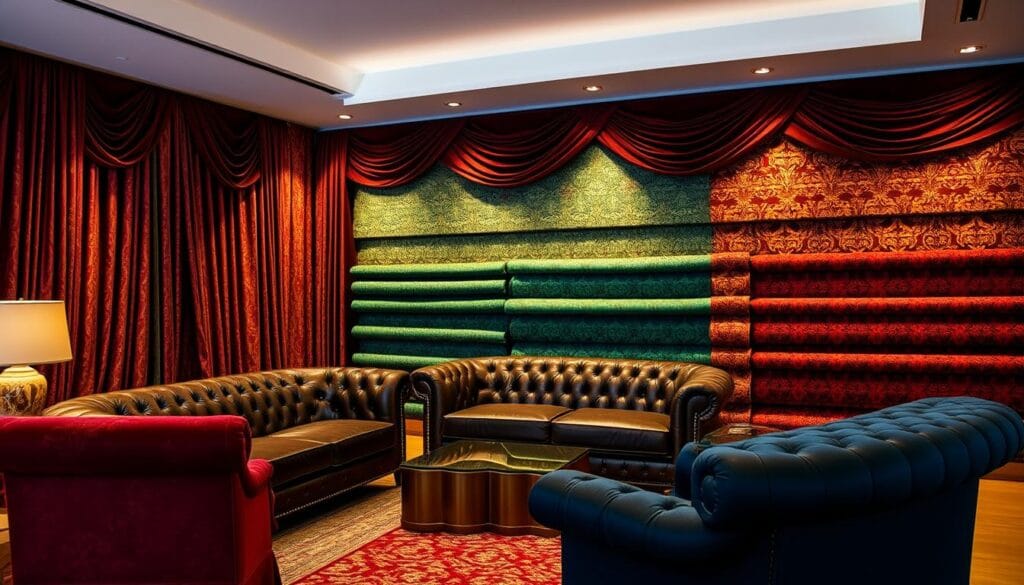
Fabric-wrapped panels offer acoustic benefits in addition to visual appeal—perfect for home offices or media rooms. Stretched canvas techniques allow you to display treasured textiles without permanent mounting.
Furniture Transformation Through Fabric
Slipcovers represent the ultimate in fabric decorative versatility. They protect furniture while completely changing its appearance, and they’re easily swapped for seasonal updates or style changes. Beyond traditional slipcovers, consider fabric decorative approaches like furniture painting combined with fabric stenciling, or strategic fabric wrapping of furniture elements.
Upholstery doesn’t require professional services—simple staple-gun techniques can transform ottomans, dining chairs, or headboards with minimal investment in fabric decorative upgrades.
Soft Furnishing Layers
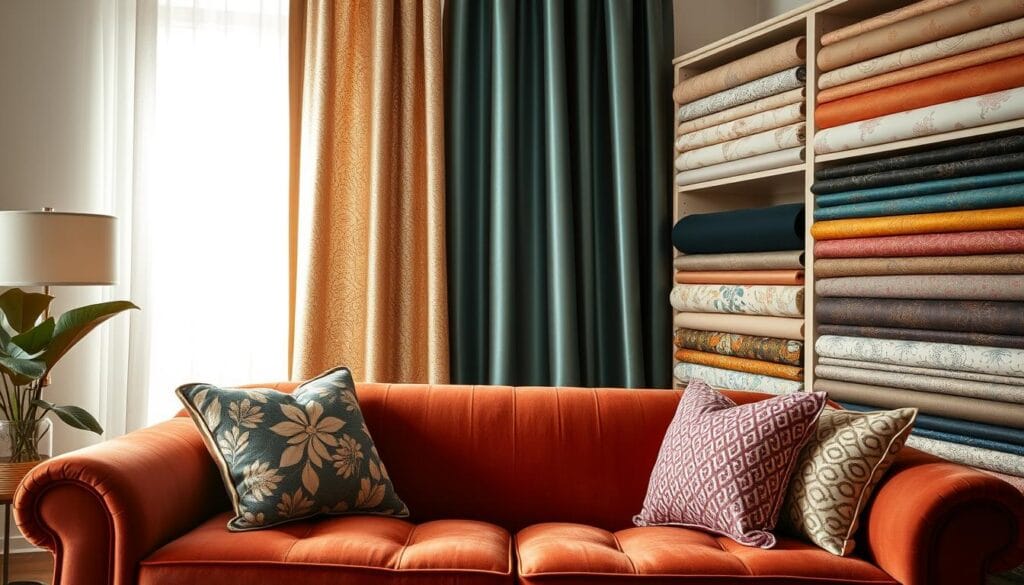
The foundation of fabric decorative styling lies in layering soft furnishings. Mix pillow sizes, shapes, and textures—combine smooth cottons with nubby linens, add a few velvet accents, and introduce geometric patterns alongside organic motifs.
Throws and blankets offer immediate coziness while providing color and pattern flexibility. Layer different weights and weaves—a lightweight cotton throw over a chunky knit blanket creates visual and tactual interest.
Placement and Styling Tips
Creating Cohesion Through Fabric
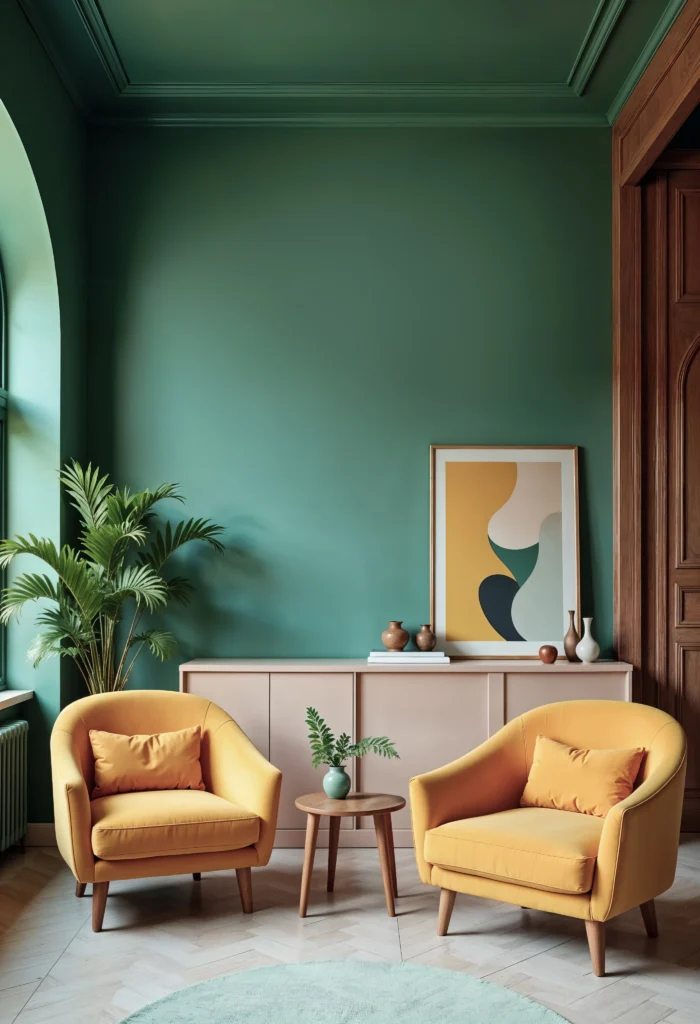
The most successful fabric decorative schemes establish visual connections throughout a space. This doesn’t mean everything must match—instead, create relationships through repeated colors, complementary patterns, or similar textures. A fabric decorative element in your living room might echo a color found in your dining room’s table runner, creating flow between spaces.
Use fabric decorative pieces to establish visual triangles throughout your room. If you have a patterned pillow on your sofa, echo that pattern or color in a throw across the room and perhaps in a small fabric element on a side table.
Seasonal Fabric Rotation
Fabric decorative elements excel at seasonal transformation. Develop a rotation system with lighter, brighter fabrics for spring and summer, and richer, heavier textures for fall and winter. Store off-season pieces in cedar-lined containers or vacuum-sealed bags to preserve their condition.
Consider building a base of neutral fabric decorative pieces that work year-round, then add seasonal accents through smaller elements like pillow covers, table runners, or decorative towels.
Scale and Proportion Guidelines
Large rooms can handle bold patterns and substantial fabric decorative elements, while smaller spaces benefit from lighter colors and more delicate patterns. However, don’t be afraid to use one large-scale fabric decorative piece as an anchor in a small room—sometimes a single dramatic element works better than multiple smaller ones.
Consider the room’s ceiling height when planning fabric decorative treatments. Floor-to-ceiling curtains make rooms feel taller, while shorter panels can make spaces feel more intimate and cozy.
Mixing Patterns Successfully
Pattern mixing is where fabric decorative styling becomes an art form. Start with a large-scale pattern as your anchor, then add medium and small-scale patterns that share at least one color with your anchor piece. Vary the scale significantly—if your large pattern is a 12-inch repeat, choose small patterns with 2-3 inch repeats.
Introduce solid colors to give the eye rest between patterns. The 60-30-10 rule works well: 60% solid or nearly solid, 30% medium pattern, 10% bold pattern.
Style Options and Aesthetics
Bohemian Fabric Layers
Boho style celebrates the beauty of global textiles and handcrafted elements. Layer fabric decorative pieces with abandon—mix Persian rugs with Indian tapestries, add Moroccan pillows alongside Mexican throws. The key is controlled chaos unified by a warm, earthy color palette.
Natural fibers dominate bohemian fabric decorative choices: cotton, linen, wool, and hemp create authentic texture. Look for pieces with visible weaving patterns, fringe details, and subtle imperfections that speak to their handmade origins.
Modern Minimalist Approach
Contemporary spaces call for fabric decorative elements with clean lines and purposeful placement. Choose solid colors or simple geometric patterns, focusing on texture rather than busy prints. Linen, cotton, and wool in whites, grays, and blacks create sophisticated foundations.
The minimalist approach to fabric decorative styling emphasizes quality over quantity. Invest in fewer, better pieces that serve multiple functions and maintain their beauty through daily use.
Traditional Elegance
Classic fabric decorative styling draws from historical precedents while maintaining contemporary livability. Rich velvets, detailed brocades, and formal patterns like damask or toile create sophisticated atmospheres.
Symmetry plays a crucial role in traditional fabric decorative arrangements. Match pillow pairs, create balanced window treatments, and use fabric decorative elements to reinforce formal furniture arrangements.
Scandinavian Hygge
Nordic-inspired fabric decorative choices emphasize natural materials, soft colors, and cozy textures. Think chunky knit throws, linen pillows in soft grays and whites, and wool rugs in organic patterns.
The hygge approach to fabric decorative styling prioritizes comfort and functionality. Every fabric decorative element should invite touch and use, creating environments that encourage relaxation and contentment.
Where to Source Affordable Options
Fabric Stores and Remnants
Fabric shops offer the best values for DIY fabric decorative projects. Remnant bins contain high-quality fabrics at deeply discounted prices—perfect for pillow covers, table runners, or small wall hangings. End-of-bolt sales provide opportunities to buy luxury fabrics at budget prices.
Jo-Ann Fabrics, Mood Fabrics, and local fabric stores regularly offer coupons and sales. Sign up for newsletters to stay informed about major discount events. Fabric.com and Fashion Fabrics Club offer online options with frequent sales and clearance sections.
Thrift and Vintage Sources
Thrift stores are goldmines for fabric decorative materials. Look for vintage curtains that can be repurposed, large scarves suitable for framing, or high-quality linens that can be transformed into pillow covers.
Estate sales often feature collections of vintage textiles, including quilts, tapestries, and decorator fabrics. Antique malls provide curated selections of textile treasures, though prices may be higher than thrift stores.
Online Marketplaces
Etsy connects you with independent fabric artists and vintage textile dealers. Search for terms like “vintage fabric,” “remnant fabric,” or “deadstock fabric” for unique finds.
Facebook Marketplace and Craigslist offer local options for fabric decorative materials. Sewing enthusiasts often destash their fabric collections at reasonable prices.
Retail Chain Options
IKEA provides affordable fabric decorative solutions with Scandinavian design sensibilities. Their fabric by-the-yard section offers budget-friendly options for DIY projects.
Target’s home section features trend-forward fabric decorative pieces at accessible prices. HomeGoods and TJ Maxx carry designer fabric decorative elements at discount prices, though selection varies by location and timing.
DIY vs Store-Bought
Easy DIY Fabric Projects
Pillow covers represent the perfect entry point for fabric decorative DIY. Basic envelope-style covers require minimal sewing skills and allow for complete customization of size, fabric, and style. French seam techniques create professional-looking results.
Table runners and placemats can be created with basic straight-line sewing or even fabric glue for no-sew options. Add interest with contrasting binding or decorative trim.
Simple window treatments like rod-pocket curtains or tie-top panels require only basic sewing skills. Hem tape and fabric glue can eliminate hand-sewing for quick results.
Fabric wall art offers unlimited creative possibilities. Stretch fabric over canvas frames, create fabric bunting, or design textile collages using fabric scraps and interesting textures.
Professional-Quality Items Worth Buying
Complex window treatments like lined drapery with proper headers and hardware often cost less when purchased rather than DIY’d, especially when factoring in time and specialized equipment needs.
High-wear items like sofa slipcovers benefit from professional construction techniques and precise fitting. The investment in quality pays off through durability and appearance.
Specialty fabrics requiring particular care or handling—like silk, wool, or heavily textured materials—often work better in professionally-made pieces where construction techniques can accommodate the fabric’s specific needs.
Hybrid Approaches
Many fabric decorative projects benefit from combining DIY and store-bought elements. Purchase high-quality fabric and basic pillow inserts, then create custom covers. Buy plain curtain panels and add decorative trim or tiebacks for personalized window treatments.
Professional finishing touches like bound edges, covered buttons, or custom piping can elevate DIY fabric decorative projects to professional-quality results.
Seasonal Updates and Maintenance
Spring and Summer Lightness
Warm-weather fabric decorative updates focus on lighter weights, brighter colors, and breezy textures. Swap heavy wool throws for lightweight cotton or linen versions. Replace dark pillow covers with whites, pastels, or tropical-inspired prints.
Consider natural fiber fabrics that breathe well in humid conditions. Cotton, linen, and hemp provide comfort while maintaining their appearance through warm-weather use.
Fall and Winter Coziness
Cold-weather fabric decorative changes emphasize warmth, texture, and rich colors. Layer chunky knit throws, add faux fur accents, and introduce deeper hues like burgundy, forest green, or rich brown.
Heavier fabrics like wool, velvet, and fleece provide both visual and physical warmth. Multiple layers create depth and interest while serving practical comfort needs.
Proper Care and Storage
Different fabrics require specific care approaches. Natural fibers like cotton and linen generally machine wash well, while wool and silk may require professional cleaning or careful hand washing.
Proper storage extends fabric decorative lifespans significantly. Clean items before storage, use acid-free tissue paper for folding delicate pieces, and store in climate-controlled areas away from direct sunlight.
Rotation schedules prevent excessive wear on favorite pieces. Having multiple sets allows for washing and resting while maintaining your fabric decorative scheme.
Maintenance Prevention
UV protection preserves fabric colors and fibers. Use window films or strategic placement to protect valuable fabric decorative pieces from sun damage.
Regular cleaning schedules prevent deep staining and fiber damage. Vacuum upholstered pieces weekly, spot-clean spills immediately, and follow manufacturer care instructions.
Professional cleaning for investment pieces maintains their appearance and extends their useful life. Annual cleaning for heavily-used fabric decorative elements is often worthwhile.
Budget Breakdown and Pros/Cons
Budget Ranges
Under $25: Quick Fabric Updates
- Fabric remnants for small projects ($3-15)
- Basic pillow covers ($8-20)
- Small decorative towels ($5-15)
- Fabric by-the-yard for DIY projects ($4-20)
- Simple table runners ($10-25)
$25-100: Quality Fabric Statements
- Designer throw pillows ($25-80)
- Good-quality throws and blankets ($30-90)
- Custom-sized table linens ($35-75)
- Small fabric wall art or tapestries ($40-85)
- Basic window treatment panels ($25-95)
$100+: Investment Fabric Pieces
- Custom slipcovers ($150-500)
- High-quality drapery with hardware ($200-800)
- Designer throws and luxury textiles ($100-400)
- Large textile art or vintage pieces ($150-1000+)
- Professional upholstery projects ($200-1500)
Pros
- Immediate transformation: Fabric decorative changes can completely alter a room’s mood and style within hours
- Seasonal adaptability: Easy swapping allows your home to evolve with seasons and trends without major expense
- Comfort enhancement: Fabric decorative elements add physical and visual softness that makes spaces more livable
- Sound absorption: Textile elements naturally improve room acoustics, reducing echo and harshness
Cons
- Maintenance requirements: Fabric decorative pieces require regular cleaning, proper storage, and eventual replacement
- Durability concerns: Fabrics fade, wear, and stain more easily than hard decorative elements
- Storage needs: Seasonal fabric decorative rotation requires dedicated storage space and organization
- Pet and child considerations: Some fabric decorative choices aren’t practical for households with pets or small children
- Trend sensitivity: Fabric decorative elements can date quickly, requiring updates to maintain contemporary appeal
Making It Work: Final Styling Tips
The most successful fabric decorative schemes feel intentional rather than accidental. Start with a neutral foundation and add fabric decorative elements gradually, allowing each piece to earn its place in your overall design story.
Consider your lifestyle when choosing fabric decorative elements. Busy families might prioritize washable fabrics and dark colors that hide stains, while empty nesters can indulge in more delicate materials and lighter colors.
Remember that fabric decorative styling is an evolution, not a destination. Allow your choices to grow and change with your tastes, needs, and lifestyle. The beauty of fabric decorative elements lies in their flexibility—embrace the opportunity to refresh and renew your spaces as often as you desire.
Most importantly, choose fabric decorative pieces that bring you joy and comfort. Your home should reflect your personality and make you happy to spend time there, whether that’s achieved through bold patterns, luxurious textures, or simple, clean lines depends entirely on your personal style and what makes your space feel like home.
For more fabric decorating inspiration, explore our guides on mixing patterns like a pro, creating cozy hygge interiors, and seasonal decorating with textiles.