Table of Contents
Why This Decor Idea Matters
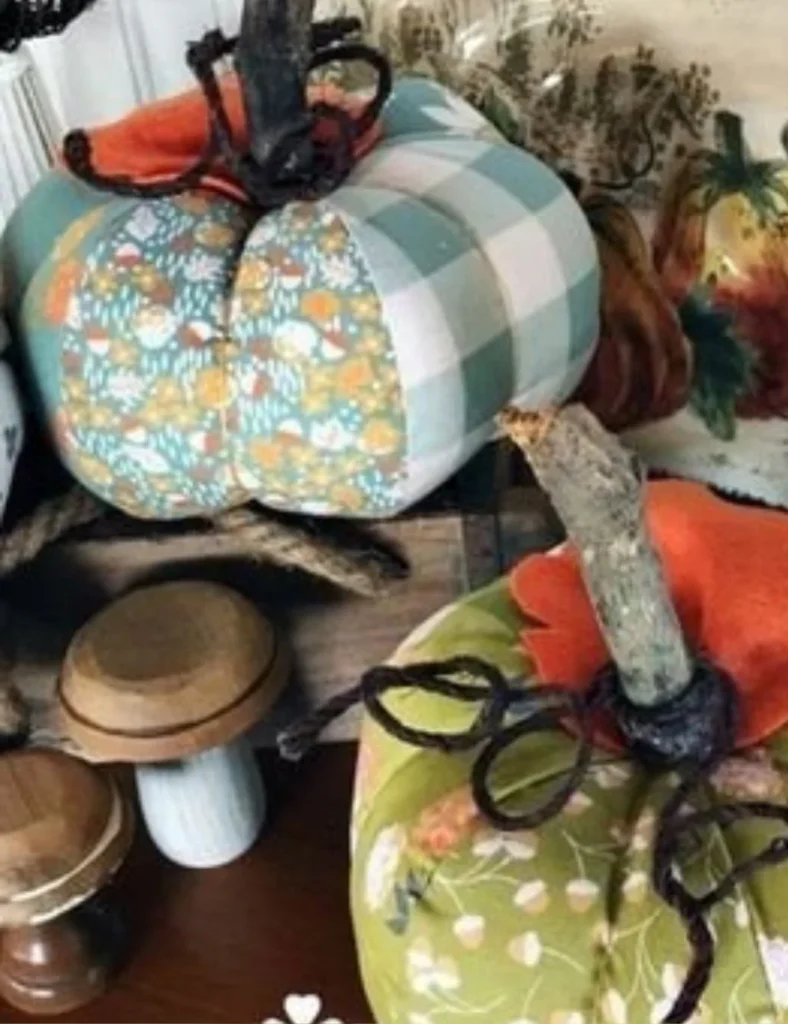
FABRIC PUMPKINS: In the world of seasonal decorating, fabric pumpkins stand out as a charming, versatile, and eco-friendly alternative to traditional décor. Unlike real pumpkins, which have a limited lifespan, these handmade accents can be enjoyed year after year. They offer a cozy, handmade touch that transforms any space into an inviting autumn haven.
Fabric pumpkins add not just style but also functionality: they are soft, lightweight, and safe for homes with children or pets. Their aesthetic versatility allows them to suit a variety of interior design styles—from rustic farmhouse to minimalist chic. More importantly, creating them yourself fosters a sense of mindfulness and creativity, allowing you to embrace slow living traditions even in a busy, modern lifestyle.
With seasonal trends leaning toward DIY projects, sustainable décor, and personalized touches, fabric pumpkins have become an essential fall craft. Whether placed on a mantel, used as a centerpiece, or displayed on a cozy reading nook, they effortlessly elevate your space with warmth and personality.
What You’ll Need
Crafting fabric pumpkins requires only a few accessible materials, making them a budget-friendly project. Here’s what you’ll need:
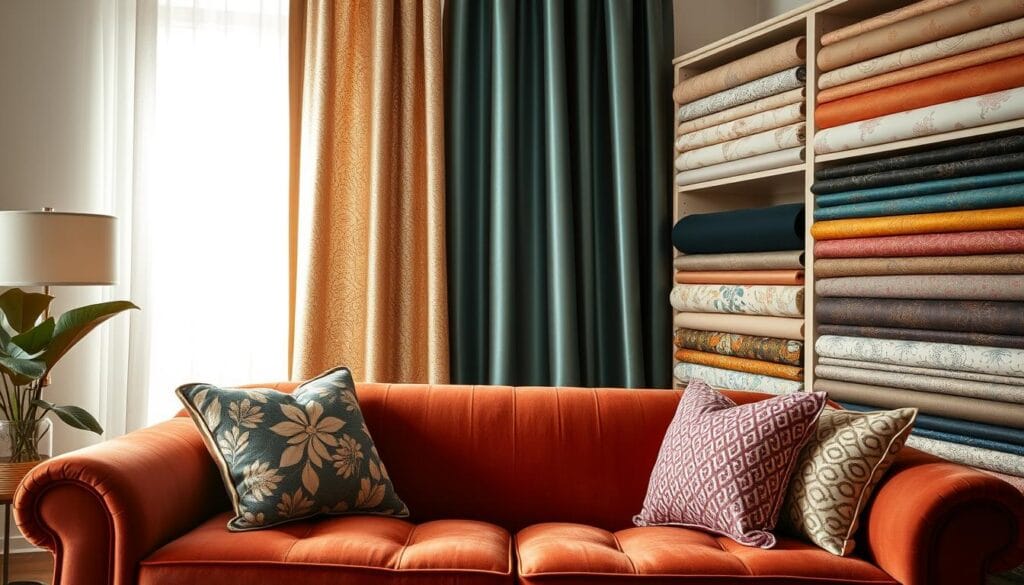
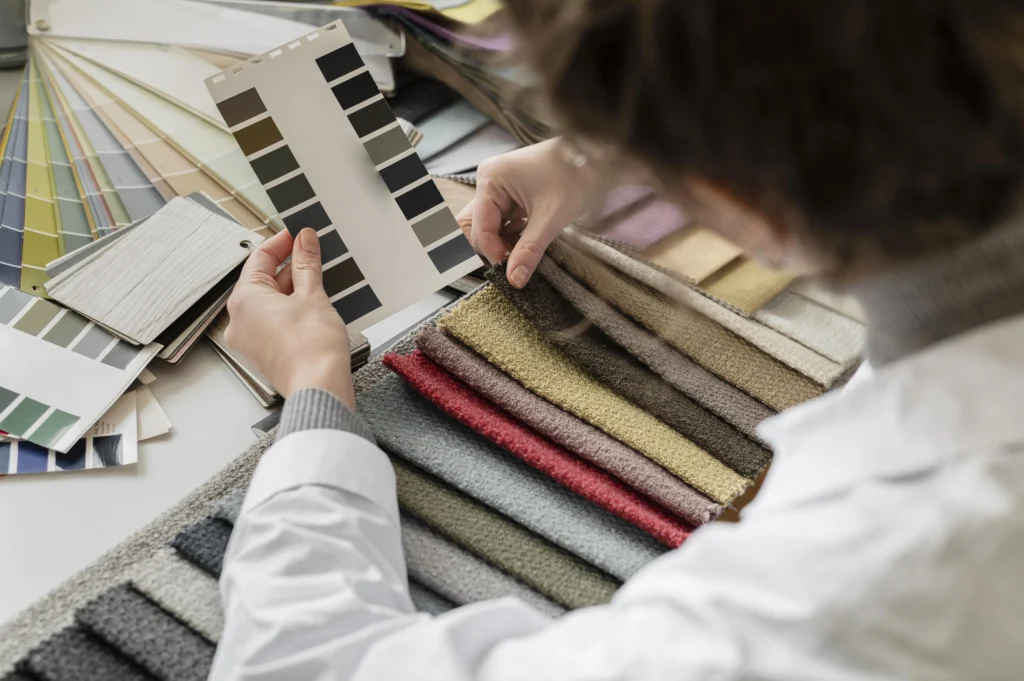
- Fabric – Choose cozy textiles like velvet, linen, flannel, or cotton. Each fabric choice influences the pumpkin’s look: velvet for luxury, flannel for rustic warmth, linen for minimalist charm.
- Needle and Thread – Essential for sewing and gathering fabric into a pumpkin shape. Opt for sturdy thread in neutral colors.
- Scissors – To cut fabric cleanly. Sharp fabric scissors are ideal.
- Polyester Filling or Cotton Stuffing – Provides shape and volume. You can even repurpose old pillows for stuffing.
- Twine, Rope, or Yarn – Adds a rustic stem detail.
- Cinnamon Sticks or Wooden Dowels – Popular stem alternatives that introduce texture and fragrance.
- Hot Glue Gun (optional) – For securing stems and finishing touches.
Budget-Friendly Tip: Repurpose old fabric scraps, thrifted flannel shirts, or unused linens.
High-End Alternative: Choose designer textiles like Christopher Farr or Liberty Fabrics for a truly elevated look.
Decorating Steps
Follow these simple steps to create your fabric pumpkins:
Step 1: Cut the Fabric
Cut a circle (or oval for a unique shape) out of your chosen fabric. The size of the circle determines the size of your pumpkin.
Pro Tip: Use a plate or bowl as a template for consistent shapes.
Step 2: Stitch the Edges
With needle and thread, sew a running stitch around the edge of the circle. This step is essential for gathering the fabric into a pumpkin shape.
Avoid: Pulling too tightly too soon, which can tear the fabric.
Step 3: Fill with Stuffing
Add polyester filling until your pumpkin feels plump but soft. This gives it structure without being too firm.
Step 4: Gather and Secure
Pull the thread gently to gather the fabric edges together. Knot tightly to close the opening. This forms the round pumpkin body.
Step 5: Add the Stem
Glue or stitch a cinnamon stick, twig, or wooden dowel into the top as the stem. Wrap it with twine, yarn, or ribbon for extra detail.
Step 6: Personalize
Add embellishments like felt leaves, fabric bows, or even beads for a more whimsical look.
Design Tips & Variations
- Color Accents: Choose fabric colors that suit your interior—classic orange and brown for traditional fall, white and beige for minimalist elegance, or jewel tones like emerald and burgundy for a modern luxe vibe.
- Textures: Mix fabrics—velvet, burlap, and flannel—to create a visually interesting grouping.
- Lighting: Display pumpkins with candles, fairy lights, or lanterns to create a cozy seasonal glow.
- Seasonal Updates: For winter, swap the stems for pinecones and add metallic ribbons. For spring, use pastel fabrics and floral accents.
- Personal Touch: Embroider initials, patterns, or seasonal motifs to make each pumpkin unique.
FAQ / Common Challenges
Q: My pumpkin shape looks uneven—what did I do wrong?
A: Ensure your fabric circle is symmetrical before stitching. Use templates for consistency.
Q: Can I make pumpkins without sewing?
A: Yes! Use fabric glue or hot glue to gather the edges and secure the stuffing.
Q: What fabric works best for beginners?
A: Cotton and flannel are forgiving and easy to work with. Velvet requires more precision but gives stunning results.
Q: How do I store fabric pumpkins?
A: Keep them in a dry, cool place in a sealed box or bag. This prevents dust and maintains their shape.
Conclusion & Call to Action
Fabric pumpkins are more than just a seasonal decoration—they are a reflection of creativity, sustainability, and personal style. With a handful of materials and a little time, you can craft timeless accents that bring warmth and character to your home year after year.
Why settle for store-bought décor when you can design something meaningful, stylish, and entirely your own? Start your fabric pumpkin project today and see how this cozy DIY craft can transform your seasonal decorating.
Which fabric will you choose for your first pumpkin—velvet, flannel, or linen? Share your ideas in the comments below!