Introduction
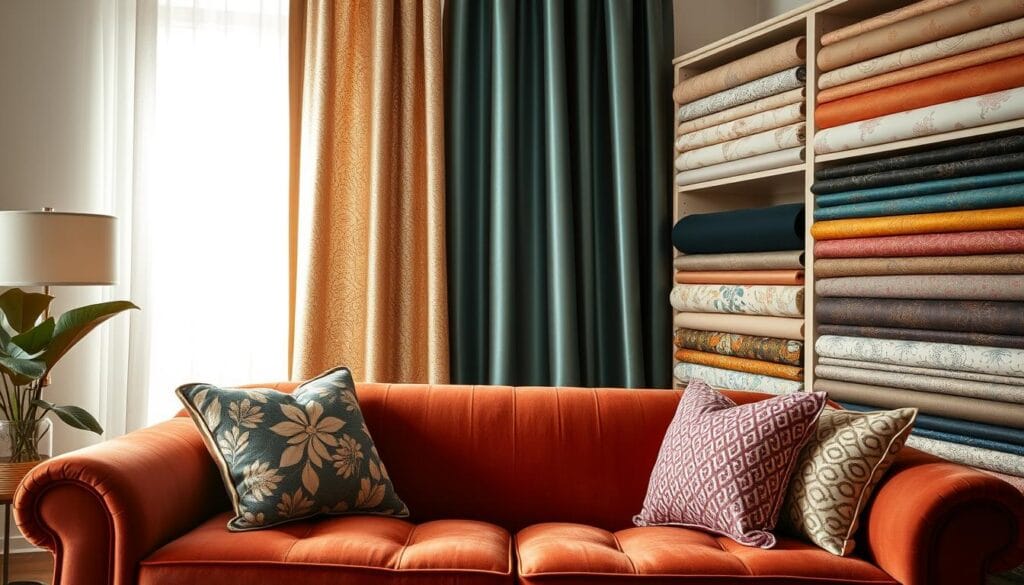
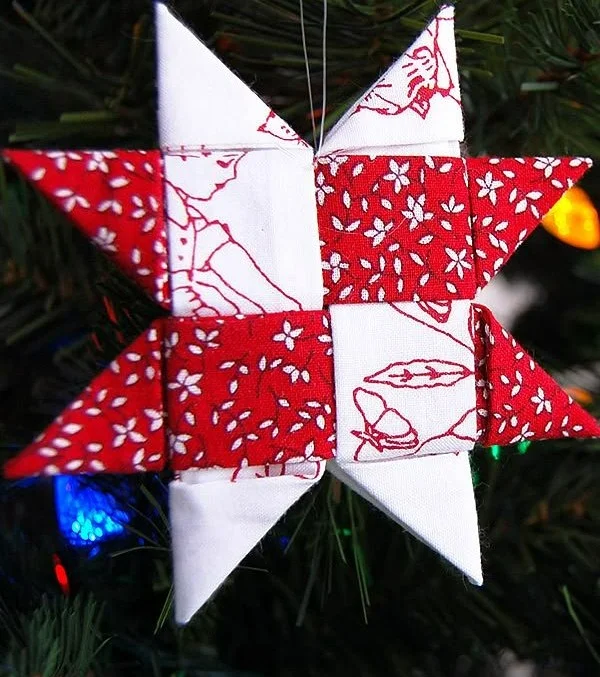
Imagine a soft constellation suspended above your couch — stars that look like they were stitched from the same cozy blanket you curl up in on Sunday mornings. The Fabric Star Tutorial brings that vision to life: textured, three-dimensional stars made from fabric that catch light and shadow in a way paper or plastic never can. Picture linen with a muted oat tone, velvet in deep jewel shades, or cotton prints with tiny florals — each star folds and creases to create subtle ridges, a tactile surface, and pockets of shadow that invite touch. Hung in clusters, they read like gentle skylights; scattered across a mantel, they become a quiet parade of shapes that shift with the day.
This is decor that speaks the language of comfort. It’s soft around the edges, personal in scale, and intimate in its finish — fabrics hold memories like lived-in sweaters; they pass on warmth. For a modern living room, a set of neutral linen stars brings Scandinavian calm; a boho nook thrives with colorful, patterned versions. These stars matter in real homes because they don’t demand perfection — they celebrate texture and handcrafted charm. They make an apartment feel curated without being precious, and they layer personality over everyday surfaces.
Fabric stars are wonderfully versatile: they can freshen a seasonal corner, dress a nursery, or lend a festive touch for holidays without committing to a big storage problem. They’re especially useful for renters who want to add flair without damaging walls; many can be hung with removable hooks or leaned against a shelf. If you love hosting, string several stars above the dining table for a soft, whimsical backdrop. If you’re after a cozy corner for reading, a single oversized star over a lounge chair creates a small stage of light and shadow.
Ready to try a hands-on project or simply style store-bought versions? Whether you’re sewing from scratch or assembling no-sew stars with fabric strips, this tutorial explains how to create, place, and care for fabric stars so they look intentional and polished in your space. Pairing them with seasonal favorites — think a set of pumpkin pillows in autumn — multiplies their charm and utility. If you’re looking for inspiration to use leftover fabric, check out this helpful fabric scraps resource for creative substitutions: fabric scraps ideas.
Decor Information
What it is: Fabric Star Tutorial is a DIY-friendly decor piece — handcrafted textile wall art or hanging ornaments that read as sculptural textiles.
Main style: Adaptable across styles: Scandinavian minimal, boho eclectic, modern farmhouse, or glam when made in velvet or metallic-trimmed fabric.
Typical colors, materials, and textures:
- Colors: neutrals (linen, cream, greige), jewel tones (emerald, navy), and seasonal patterns.
- Materials: linen, cotton, velvet, silk blends, batting or light stuffing for depth.
- Textures: matte linen creases, plush velvet nap, crisp cotton folds.
Best rooms/zones: living room (above sofas or mantels), bedroom (over headboards), entryway (clustered on an accent wall), nursery, dining nook, or hung in windows.
DIY vs. buy: Mix. Many stars are easy DIY (no-sew or simple hand-stitching), while more complex, tailored versions warrant store-bought or advanced sewing.
Benefits
Design Impact
Fabric stars change a space by bringing layered texture and a handcrafted focal point. Visually, they break up flat planes — a soft star contrasts against plaster, paint, or wood grain. When clustered, stars create depth and rhythm; single oversized pieces serve as sculptural wall art. Their fabric surfaces interact with light, catching highlights on seams and creating shadows in folds, which makes a room feel warmer and more dimensional without changing paint or furniture.
Emotionally they deliver comfort and personality. A cluster of stars above a sofa reads like a constellation of memories: handmade, imperfect, and personal. They reduce the starkness of minimalist rooms with tactile richness, and in cozy interiors they amplify the sense of relaxation. Practically, fabric stars are lightweight and portable — perfect for renters who need damage-free decor or for occasional holiday styling. Imagine an evening reading nook with a fabric star halo above, the soft fabric absorbing sound and visually anchoring the space, or a welcoming entryway where a trio of stars greets guests with approachable, homey charm.
Why Choose It
Perfect for people who love attainable creativity. Fabric stars are great for renters, small-apartment dwellers, families with kids, and decor beginners who want a big stylistic impact without major expense. They’re also a clever choice for anyone who values seasonal flexibility — swap fabrics to suit holidays or a new color scheme.
Key strengths include affordability (use thrifted fabric or scraps), flexibility (hang, lean, or string), and timelessness (folded geometry reads classic rather than trendy). They’re small-space friendly — a group of tiny stars can enliven a compact wall without overwhelming it. And they’re problem-solvers: if you have an empty wall above a narrow console or a dark hallway, a row of stars provides scale and interest without blocking light or creating clutter. A single star can disguise cracks or imperfect patchwork on a painted wall, and fabric versions are forgiving — slight asymmetry often adds to the handcrafted look.
How to Style Fabric Star Tutorial
Ingredients
Main items:
- Fabric (linen, cotton, velvet — about 1/4–1/2 yard per medium star).
- Lightweight interfacing or thin batting for body.
- Scissors, ruler, and fabric chalk.
- Hot glue gun (for no-sew) or needle and thread (for hand sewing).
- Ribbon, jute, or thin twine for hanging.
- Removable picture hooks or Command strips for installation.
Optional extras for upgrading:
- Small battery LED fairy lights (for backlighting a cluster).
- Metallic thread trim or piping.
- Embroidery floss for visible stitches.
- Wooden dowel or wire frame for larger sculptural stars.
Alternatives and budget-friendly substitutions:
- Use thrifted shirts, tablecloths, or sweater sleeves.
- Swap batting for folded muslin or cardboard inserts.
- No-sew method: fabric glue and clips instead of stitching.
- For more ideas on reusing fabric, see our fabric pumpkin tutorial for creative upcycling tips.
Directions
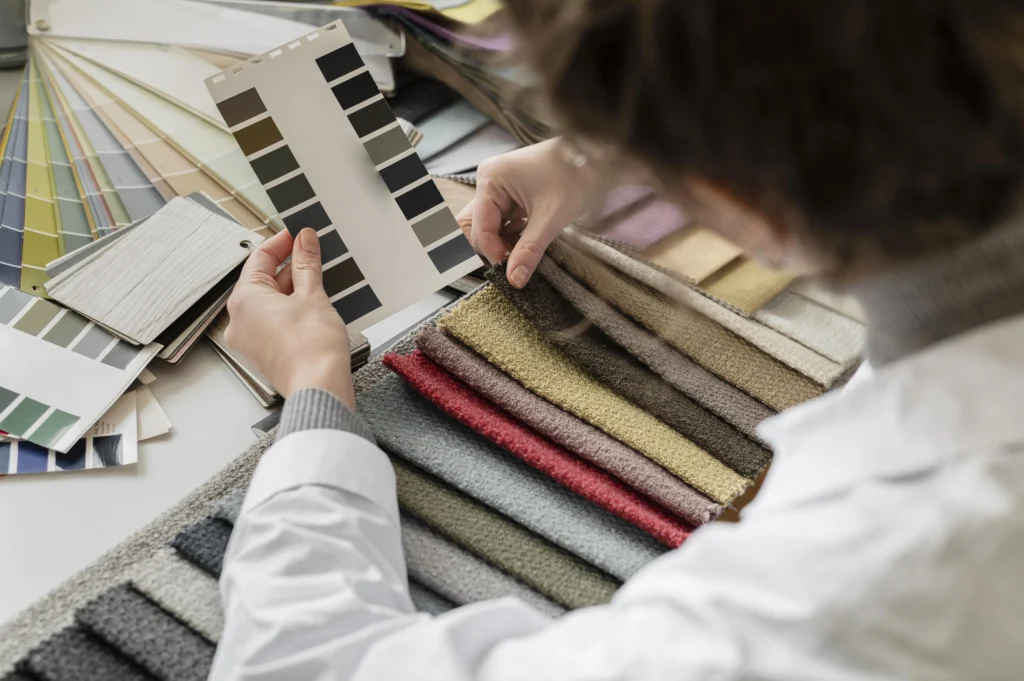
Choose your size and fabric: For a subtle look, go 8–12 inches across. For a statement, 18–24 inches. Pick linen or cotton for crisp folds, velvet for plush depth. Tip: match the fabric weight to the star size — heavier fabrics for larger stars need a firmer internal support.
Cut a square: Start with a perfect square — measure carefully. A 16-inch square yields a good medium star. Use fabric chalk to mark fold lines lightly.
Add body: Glue or stitch a layer of interfacing or thin batting to the wrong side to help the star hold shape. If making a very large star, add a cardboard cross or wooden frame inside.
Fold into points: Follow standard origami-style folding — fold the square into a kite shape, then into triangles to create five points (many fabric star tutorials provide specific folds). Tip: press each fold sharply with an iron (low setting for synthetic blends) for a clean edge.
Secure the center: Use small hidden stitches or hot glue to hold point seams together at the back. For a no-sew finish, a neat dab of fabric glue works; clamp until dry.
Add hanging hardware: Stitch or glue a loop of ribbon or twine at the back center. If leaning on a shelf, attach small felt pads to the bottom point to prevent slipping and protect surfaces.
Finish the edges: For a polished look, fold and glue a narrow bias tape or wrap the raw edge under and stitch invisibly. Tip: a little metallic thread along one seam adds subtle glam without overwhelming.
Placement and spacing: Hang a single star 6–10 inches above furniture edges. For clusters, stagger heights and vary sizes — keep at least 6–8 inches between star edges for visual breathing room.
Lighting and layering: Consider soft LED backlights for dramatic night-time glow. Pair with a runner of candles on a mantle (battery options if above fabric), or layer smaller stars over a gallery wall for a textured vignette.
Troubleshooting: If a point sags, insert a small folded cardboard wedge and glue in place. If colors clash, add a neutral outer border to unify the look.
Ways to Display
Fabric stars can transition through rooms and seasons with ease. In the entryway, hang three stars of graduated sizes above a narrow console to draw the eye upward and make the ceiling feel higher. In the living room, create a floating constellation above the sofa — mix linen and velvet to marry texture and elegance. In a bedroom, a single oversized star over the headboard forms a soft focal point that reads like a textile halo.
Pairing ideas:
- With plants: place a tall potted plant beside a star cluster for organic balance.
- With textiles: coordinate star fabrics with throw pillows or a rug for cohesion.
- On shelves: small stars can lean against framed prints between books and ceramics.
- For small spaces: use a single small star above a narrow shelf or mirror to add style without crowding.
- For large open-plan rooms: string a gentle garland of stars above a dining area to define the zone and create intimacy.
How to Maintain
Fabric stars are low-maintenance but benefit from periodic care. Dust them gently with a soft brush or a handheld vacuum on a low setting every 2–4 weeks, especially if displayed near open windows. For spills or surface spots, spot-clean with a mild detergent and a damp cloth; test a small hidden area first (especially with velvet or dyed fabrics).
For seasonal storage, place stars in breathable cotton bags or a sturdy box with acid-free tissue between pieces to prevent creasing. Keep them away from direct sunlight for long-term storage to avoid fading. Refresh the look over time by rotating stars among rooms, swapping covers or ribbon, or updating one central element — a metallic trim or a different hanger can make the piece feel new without a full redo.
Styling Success
- Scale matters: choose star sizes that relate to adjacent furniture — small stars for shelves, larger ones above sofas.
- Group in odd numbers for visual interest (3 or 5 works well).
- Layer textures — pair matte linen with a single velvet star for depth.
- Use warm LED lights to preserve fabric color and create a cozy glow.
- Avoid overcrowding — give each star breathing room to keep the display intentional.
- For high traffic areas, secure hangers with clear repositionable hooks.
- If mixing patterns, anchor them with a neutral fabric star in the center.
Creative Variations
Minimalist: Use white linen and a tapered modern shape. Keep a single star centered over a bed for restrained impact.
Cozy/Crafty: Patchwork fabrics and visible hand-stitching create a homey, cottage look. Use thrifted sweater pieces for extra texture.
Festive/Luxe: Velvet in deep tones trimmed with metallic piping looks seasonal and sophisticated — perfect for holiday mantel displays.
Budgets:
- Luxury: Hand-sewn silk stars with internal wooden frames and LED backlighting.
- Mid-range: Velvet and linen with batting and stitched seams.
- Budget: No-sew stars from thrifted shirts or tablecloths glued over cardboard templates.
Frequently Asked Questions
Q: Can I match fabric stars to my existing furniture?
A: Yes. Pull at least three colors from your room (a dominant, a secondary, and an accent) and choose star fabrics that pick up those hues. Neutral stars can tie disparate elements together.
Q: Are fabric stars renter-friendly?
A: Absolutely. Use removable hooks or wall-safe adhesive strips; many stars are lightweight and don’t require screws.
Q: How do these work in small apartments vs. large homes?
A: In small apartments, scale down and use single stars or small constellations. In larger homes, scale up or create larger clusters to fill space proportionally.
Q: Where can I source quieter, high-quality materials affordably?
A: Look at thrift stores, remnant fabric bins, or local sewing co-ops for seconds. These often yield unique textures at low prices.
Q: What’s the best way to store seasonal stars?
A: Use breathable fabric bags or labeled boxes with tissue paper to keep shapes, and store in a cool, dry place out of direct light.
Conclusion
Ready to fold fabric into starry accents for your home? Try a hands-on approach with an accessible no-sew method — the step-by-step guide for a no-sew fabric star is a wonderful starting point: no-sew fabric star tutorial. If you’d like a woven Scandinavian technique or gift-bow adaptation, this woven star walkthrough offers beautiful variations and techniques to explore: woven Scandinavian star instructions.
We’d love to see how your fabric stars turn out — share photos, ask questions, or leave tips in the comments below. For more seasonal DIYs and clever ways to use leftover fabric, keep exploring Moderndecorum.com and join our community for fresh ideas and styling inspiration.