Introduction
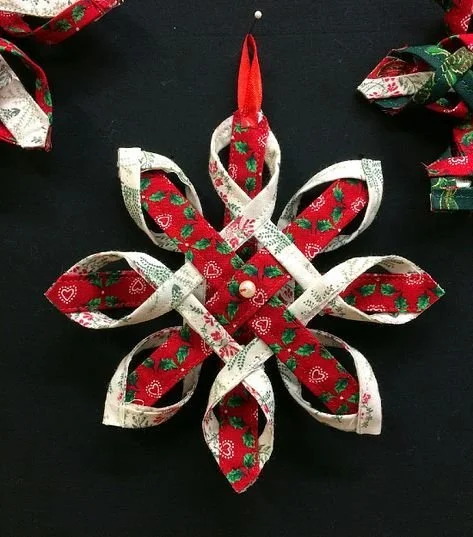
Imagine a star that feels like a soft quilt, the edges slightly frayed, the colors layered like a memory of summers and winters folded into one ornament. Fabric woven star ornaments catch the light in a gentle, homespun way: the woven strips creating tiny ridges that invite your fingers to trace them, the seams and knots visible as proof of a human hand. Hung on a simple twig or a slender copper hook, these stars bring a quiet, tactile joy to mantels, windows, and holiday trees — they are small sculptures made from fabric, texture, and intention.
There’s something immediately comforting about a cluster of handmade fabric stars. They read as cozy and crafted rather than precious; the palette of linens, calicos, and velvets can be tailored to your mood — soft neutrals for a Scandinavian calm, jewel tones for a festive glow, or faded florals for a vintage, cottage-by-the-sea feel. The woven pattern adds depth without weight, casting soft shadows that give a room a lived-in, layered personality. For hosts and homemakers, these ornaments speak of slow afternoons, cups of tea beside the sewing basket, and thoughtful touches that make guests feel welcome.
Why does this decor idea matter for real homes? Because it’s a way to refresh spaces without a major overhaul. Swapping glass baubles for fabric stars is a renter-friendly, budget-conscious update that instantly softens hard edges and introduces texture where it’s missing. These pieces are tactile anchors for cozy corners, conversation starters on a gallery wall, or delicate accents that make a bedroom feel like a hug. They’re perfect for season transitions — sprinkle a few into autumn displays, cluster them for winter gatherings, or scatter pastel versions for springtime brunches.
If you’ve been looking for a craft that rewards you with usable decor rather than unfinished projects, fabric woven stars are ideal. They’re quick enough to finish in an afternoon, forgiving for beginners, and adaptable to any home style. Whether you’re refreshing a rental living room, staging a holiday table, or adding handcrafted personality to a small apartment, these ornaments offer texture, warmth, and approachable charm — and if you’re curious about working with fabric strips, start with this handy guide to making your own fabric strips before you begin.
Decor Details
Fabric woven star ornaments are a decor piece — small-scale textile ornaments meant for hanging, draping, or tucking into nooks. They blend craft and decor: part handmade project, part finishing touch for styling.
Main style: they sit comfortably in farmhouse, boho, Scandinavian, and eclectic interiors; with color and material swaps they can skew modern or vintage.
Typical colors, materials, and textures: cotton quilting scraps, linen strips, velvet ribbons, and recycled denim are common. Expect visible weave, soft frayed edges, and layered textures that feel warm and tactile.
Best rooms or zones: living room mantel, entryway hooks, bedroom hanging mobile, dining table centerpiece, or a cozy reading nook.
DIY vs. store-bought: mostly easy DIY — these ornaments are beginner-friendly but also available ready-made if you prefer buying in. Mixing handmade and store-bought items creates a curated look.
Why It Works
At a visual level, fabric woven stars introduce small-scale texture that softens a room’s silhouette. Where a bare wall or stark shelf feels flat, a cluster of soft stars adds depth without overwhelming a space. Their three-dimensional form creates subtle shadows and movement when they catch a breeze, and because they’re fabric, they diffuse light instead of reflecting it — perfect for rooms where you want warmth rather than glare.
Emotionally, these ornaments promote comfort and nostalgia. They recall handmade gifts and holiday traditions, which can make a space feel rooted and personal. In practical terms, they’re low-cost and lightweight, so you can change them seasonally without major investment. Picture an evening at home: dimmed lamps, a throw over your knees, and a small string of woven stars above the mantel casting soft silhouettes — they contribute to an atmosphere of calm and hospitality that’s ideal for relaxed entertaining or quiet reading corners.
For hosts preparing for gatherings, these stars are simple, meaningful touches: tuck them into napkin rings, hang them from chair backs, or use a trio as a centerpiece accent. For work-from-home setups, a small mobile of woven stars by your desk can humanize a professional backdrop during video calls.
Why Choose It
This decor is perfect for renters, families, small-apartment dwellers, craft beginners, and anyone who values affordable, customizable accents. Because the materials are inexpensive and portable, they’re especially good for people who move often or want to experiment with seasonal styling without permanent changes.
Key strengths include affordability, easy customization, and adaptability — switch the fabrics to change the vibe instantly. They’re space-friendly: a bed of stars on a narrow shelf or a single oversized star over a reading chair both read as intentional styling choices without cluttering the room.
One common real-life problem these ornaments solve is the “empty entryway wall” dilemma. A blank wall near the door can feel cold, but a hung arrangement of three fabric stars at staggered heights creates a welcoming focal point that adds texture and invites guests into a lived-in, hospitable home. Similarly, a dark corner can be softened by a cluster hung from a floor lamp or a corner shelf, breaking up monotony with gentle movement.
How to Style Fabric Woven Star Ornaments Are So Easy to Make – Quilting Digest
Ingredients (materials and tools)
- Fabric strips (1/2" to 1" wide): cotton, linen, velvet, denim
- Stiff interfacing or thin cardboard (for star base, optional)
- Scissors and rotary cutter (if using a cutting mat)
- Ruler and fabric marker
- Needle and thread (or fabric glue for quicker builds)
- Twine, ribbon, or thin leather cord for hanging
- Small embroidery hoop or wooden twig (for display options)
- Optional extras: mini string lights, beads, bells, small greenery sprigs
- Budget substitutions: reuse old shirts or bedding; skip interfacing and braid instead
Directions (step-by-step)
Prepare your fabric strips: Cut strips 1/2"–1" wide and 8–12" long depending on desired star size. Tip: use mixed widths for a rustic look and uniform widths for a modern, graphic star.
Make a base (optional): Trace and cut a 4–5” star shape from interfacing, thin cardboard, or felt to act as a backing. This stabilizes the woven strips. Tip: if you prefer a softer, drapey star, skip the base and simply braid or wrap strips.
Begin weaving or wrapping: Secure one end of a strip to the center of the star base with a small stitch or drop of fabric glue. Wrap the strip around one point, then weave the next strip over and under to create a layered pattern. Practical tip: keep tension even; too tight and the star will pucker.
Layer for depth: Continue adding strips, alternating colors and textures to build the star. For a star with visible edges, allow the strips to overlap slightly and let raw edges show. For a cleaner finish, fold strip ends under as you go.
Secure edges: Once satisfied with coverage, stitch through the layers at the center and along key points on the back to hold everything in place. Tip: a few small stitches at each point prevent unraveling, especially for items that will be handled.
Add a hanging loop: Attach twine or ribbon to a top point with a secure knot or by stitching it into the back layers. For a floating look, use clear nylon thread and a tiny loop.
Finish details: Trim stray threads and consider dyeing or tea-staining cotton for a vintage patina. Add small brass bells, wooden beads, or a touch of metallic embroidery for holiday sparkle.
Placement planning: When deciding where to hang, measure eye level as 57–60” for entry walls or groupings above furniture. Keep spacing between stars about 6–12” for small clusters, wider for larger displays.
Mistakes to avoid: Avoid overstuffing the base with bulky strips — it looks lumpy. If edges look messy, press gently with a warm iron (use a cloth barrier if using velvet). If a strip slips, remove a few layers and re-tension.
Styling variation: For a mobile, attach stars at varying heights from an embroidery hoop. For a garland, string multiple stars on one cord spaced evenly.
Ways to Display
Fabric woven stars are wonderfully versatile when it comes to placement. In an entryway, hang a trio vertically on a narrow wall to greet guests with texture and color. Over a mantel, cluster different sizes at varied heights against a backdrop of framed prints. In the bedroom, a single oversized star above the bed can act like a soft, textile headboard accent, while a small string across a curtain rod makes a whimsical window treatment.
Pair with other decor wisely: anchor stars with natural elements like woven baskets, potted plants, and wood frames to enhance an earthy, boho vibe. For a modern look, combine neutral stars with sleek metallics and a monochrome rug. For the dining table, tuck stars into a low bowl of faux greenery for a centerpiece that’s tactile and re-usable.
- Small-space idea: Hang a single star above a narrow console table with a mirror to add vertical interest without clutter.
- Large open-plan room: Create a clustered installation across an accent wall above your sofa, mixing sizes and fabrics to form a textile constellation.
- Storage-minded styling: Tuck a couple of stars into wall cubbies or shelf niches along with small baskets and books for layered styling — if you need more storage ideas for small rooms, check this roundup of storage solutions that translate well into living spaces.
Care Instructions
Most fabric woven stars are low-maintenance but benefit from gentle care. For cotton and linen, spot-clean with a soft cloth and mild detergent; avoid soaking layered pieces as adhesives or interfacing may distort. Velvet should be brushed gently with a soft-bristle brush to lift pile and remove dust.
Dust stars every 1–2 weeks in high-traffic areas, or monthly in quieter corners. For seasonal storage, place ornaments in breathable cotton bags or boxes layered with acid-free tissue to prevent color transfer and flattening. Keep them out of direct sunlight to avoid fading, and store in a dry, cool place to prevent mildew or odors.
To refresh a group display, rotate stars seasonally and swap in new textures — this keeps the look current without replacing the entire set.
Designer’s Advice
- Scale matters: pair small stars with small frames or vases; large stars need breathing room and a lower hanging height.
- Layer light: use warm LED string lights behind a cluster of stars to create depth and a cozy glow.
- Mix textures: balance woven fabric with smooth ceramics or glossy metal to avoid a heavy textile-heavy look.
- Color rule of three: pick one dominant color, one supporting color, and one neutral to keep a cohesive palette.
- Avoid symmetry fatigue: stagger heights and sizes for a more natural, crafted appearance.
- Use negative space: don’t overcrowd — leave blank space around clusters to let them read as intentional.
- Repair gently: a loose strip can be tacked back with a few discreet stitches rather than replacing the whole piece.
Creative Variations
Minimalist Neutral: Use linen and cotton in whites, beiges, and soft gray. Keep edges clean and uniform widths for a calm, modern cluster that complements Scandinavian interiors.
Cozy Rustic: Reuse denim, flannel, and burlap scraps. Let edges fray and add small wooden beads or twig hangers for cabin-ready, tactile warmth.
Festive Glam: Choose velvet and silk in jewel tones, add metallic threads or sequined trims, and finish with tiny bells or gold beads for holiday sparkle.
Frequently Asked Questions
Q: How do I match the stars to my existing furniture and colors?
A: Pull one color from your room’s textiles (a pillow or rug) and use it as the dominant fabric. Add two complementary tones — one lighter, one darker — to create depth without clashing.
Q: Can I make these in a tiny apartment?
A: Absolutely. They’re lightweight and compact. Use wall hooks or command strips for renter-friendly hanging and keep a small bowl of stars on a shelf for versatile styling.
Q: Are fabric woven stars renter-friendly?
A: Yes — use removable hooks or hang them from existing nails and fixtures. They’re easy to take down when you move.
Q: Where can I find good materials without designer prices?
A: Look for fabric scraps at local sewing clubs, thrift stores, or repurpose old linens and clothing. Patchworking thrifted textiles is both sustainable and budget-friendly.
Q: How should I store seasonal stars?
A: Use breathable cloth bags or acid-free boxes, layer with tissue, and store in a cool, dry place away from sunlight.
Conclusion
Ready to make your own cozy constellation? For a step-by-step visual and pattern inspiration, check out Fabric Woven Star Ornaments Are So Easy to Make – Quilting Digest for project ideas and variations. If you plan to hand-stitch details or embellish with embroidery, this guide on Hand Embroidery Needles: How to Choose Them & Use Them will help you pick the right needles and techniques to finish your stars beautifully.
Try this idea in your own home, then come back and share photos, questions, or tips in the comments — we love seeing reader projects. Explore more hands-on decor and practical styling ideas on Moderndecorum.com and join our community for fresh inspiration, tutorials, and seasonal refreshes.