Table of Contents
Why This Decor Idea Matters
Unique Places within our homes have become more important than ever in today’s fast-paced world, where interiors serve as sanctuaries from the chaos outside. One interior design concept gaining momentum is biophilic design, which brings the soothing elements of nature indoors. This approach is not just about aesthetics; it creates environments that enhance well-being, boost mood, and promote a sense of calm.
Biophilic design decorates spaces by incorporating natural materials, colors, and lighting, bridging the gap between the indoors and the outdoors. With research supporting its advantages—such as reduced stress and increased productivity—this approach aligns perfectly with lifestyle trends emphasizing sustainability and wellness. When thoughtfully applied, biophilic design can transform your home into a chic and tranquil retreat that reflects your style while nourishing your spirit.
What You’ll Need
Before embarking on your biophilic design journey, gather the following essential components to create a harmonious and refreshing atmosphere:
1. Natural Materials
- Wood (e.g., reclaimed, bamboo): Use wooden furniture, accents, or even wall panels to enhance warmth.
- Stone: Consider incorporating stone features like a fireplace or decorative elements for an organic feel.
- Natural Fabrics (e.g., cotton, linen, wool): Opt for curtains and upholstery that are made from these materials for comfort and breathability.
Source these materials from local thrift shops, sustainable furniture stores, or by exploring DIY projects. Always ask about the provenance to support eco-friendly choices.
2. Indoor Plants
- Foliage plants (e.g., pothos, snake plants): Bring life into your space with easy-to-care-for plants that improve air quality.
- Herbs or succulents: Perfect for kitchens or dining areas, they add flavor to meals and beauty to décor.
Shopping tip: Local nurseries often have a variety of plants, and many offer advice on the best options for your home’s light conditions.
3. Natural Light Sources
- Large windows or skylights: Maximize daylight to create an inviting ambiance.
- Soft lighting fixtures: Incorporate warm white LED bulbs or candles to simulate the glow of the setting sun.
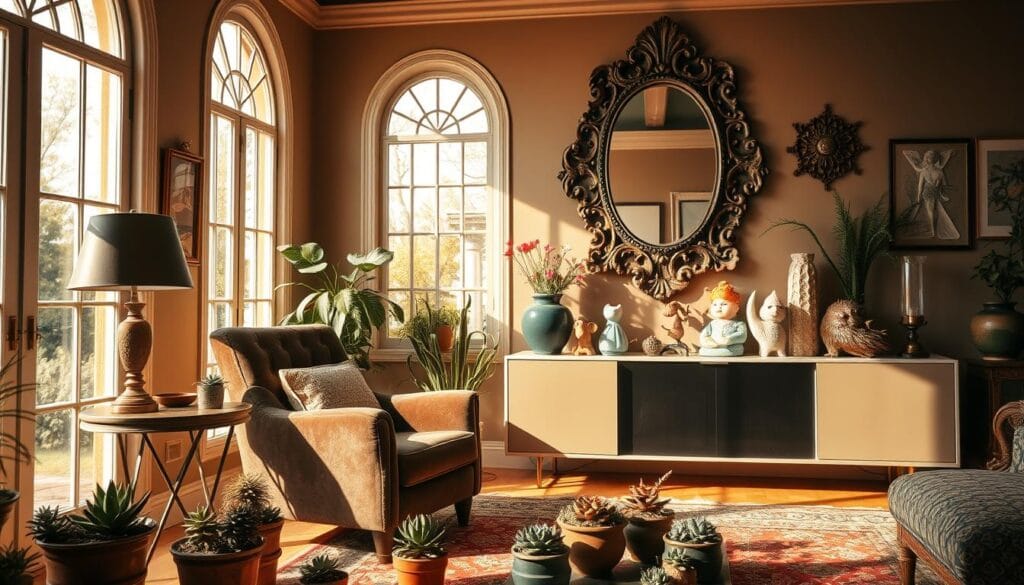
Enhancing natural light can often be accomplished through strategic interior mirror placements, which reflect brightness throughout a room.
Decorating Steps
To effectively implement biophilic design in your home, follow these clear steps:
1. Assess Your Space
- Action: Reflect on which areas feel most disconnected from nature.
- Importance: Identifying missed opportunities clarifies where adjustments are needed.
Pro Tip: Take photos of your space for perspective and inspiration before you start decorating.
2. Incorporate Indoor Plants
- Action: Introduce a mix of plants at varying heights and textures to your space.
- Importance: Layering greenery enhances visual interest while fostering a more inviting setting.
Pro Tip: Consider pet-friendly foliage, or place plants in inaccessible areas, to keep your furry friends safe.
3. Use Natural Materials
- Action: Choose furniture and decor made from sustainable, natural materials.
- Importance: Wooden finishes, stone accents, and organic textiles evoke the tranquility of the outdoors.
Pro Tip: Visit local artisan shops to discover unique handmade items that reflect your personality.
4. Maximize Natural Light
- Action: Rearrange furniture to permit light to flow freely through your space.
- Importance: Enhancing natural daylight benefits both aesthetics and mood.
Pro Tip: Use lighter curtain fabrics to ensure natural light enters freely while maintaining privacy.
5. Add Earthy Colors and Textures
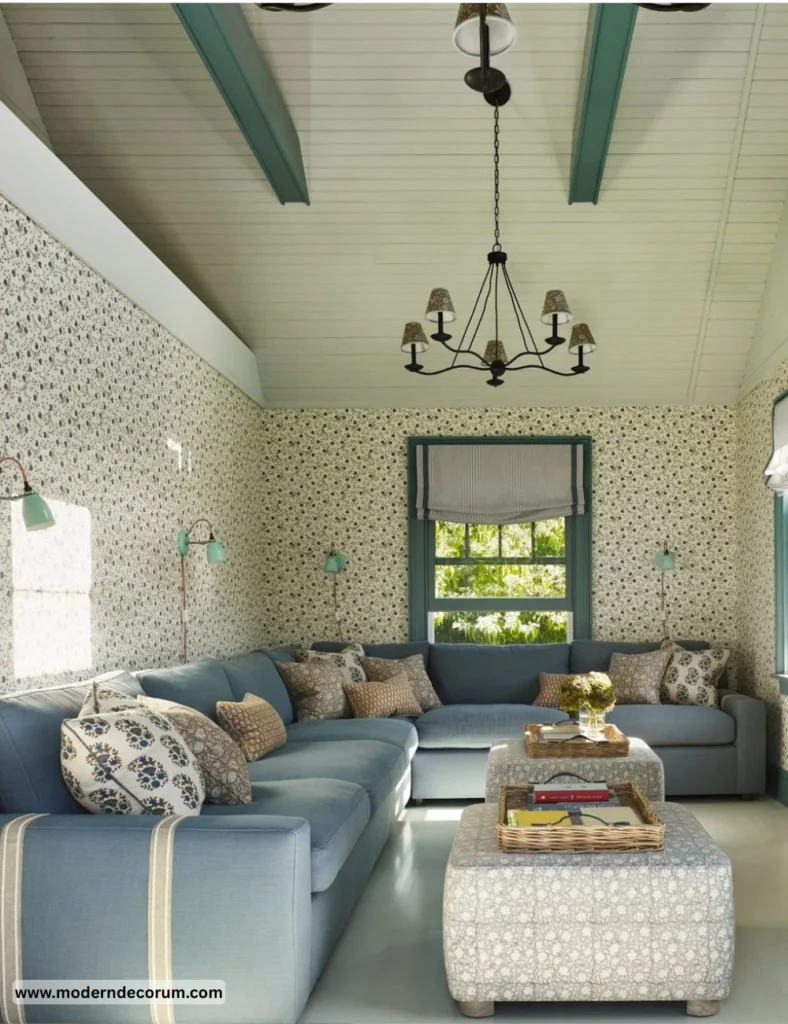
- Action: Integrate a color palette inspired by nature—think taupes, soft greens, and earthy browns.
- Importance: These hues create a cohesive look while promoting relaxation.
Pro Tip: Experiment with texture by layering soft throws, rustic baskets, and ceramic decor pieces.
Design Tips & Variations
Styling Tweaks
- Color Accents: Introduce pops of color by using flower arrangements or colorful kitchen items.
- Layering Textures: Pair a rustic wooden table with soft cotton table linens or jute rugs for depth.
- Adjust Lighting: Swap harsh overhead lights for warm, ambient floor lamps that softer the setting.
Seasonal Updates
- Summer: Opt for bright flowers, airy fabrics, and light colors to invigorate your space.
- Winter: Transition to cozy throws, deeper color palettes, and subtle evergreen elements for warmth.
Personal Touches
Incorporate meaningful artwork, family photographs, or travel mementos, harmonizing with your natural elements to tell your unique story.
FAQ / Common Challenges
How do I adapt this style for a small room?
For small spaces, focus on vertical gardening options, such as wall-mounted planters, and stick to lighter furniture to create an illusion of openness. Mirrors can also amplify light and space.
How can I keep indoor plants alive?
Choose low-maintenance varieties arranged near natural light sources. Invest in proper planters with drainage and consider setting reminders for watering.
What if my home has limited natural light?
Use mirrors to reflect light and select plants that thrive in lower light conditions, like pothos or ferns.
Conclusion & Call to Action
Embracing biophilic design not only enhances the aesthetic charm of your home but also enriches your well-being. By integrating natural materials, greenery, and ample light, you can create a harmonious and peaceful atmosphere that rejuvenates both you and your guests.
Now that you’ve learned how to transform your space with nature’s touch, which room will you transform first? Share your thoughts and ideas in the comments below, and let’s inspire each other on this beautiful journey of home decor!