Front Yard Landscaping Ideas 2026: Corner House Front Yard Landscaping Ideas That Stand Out
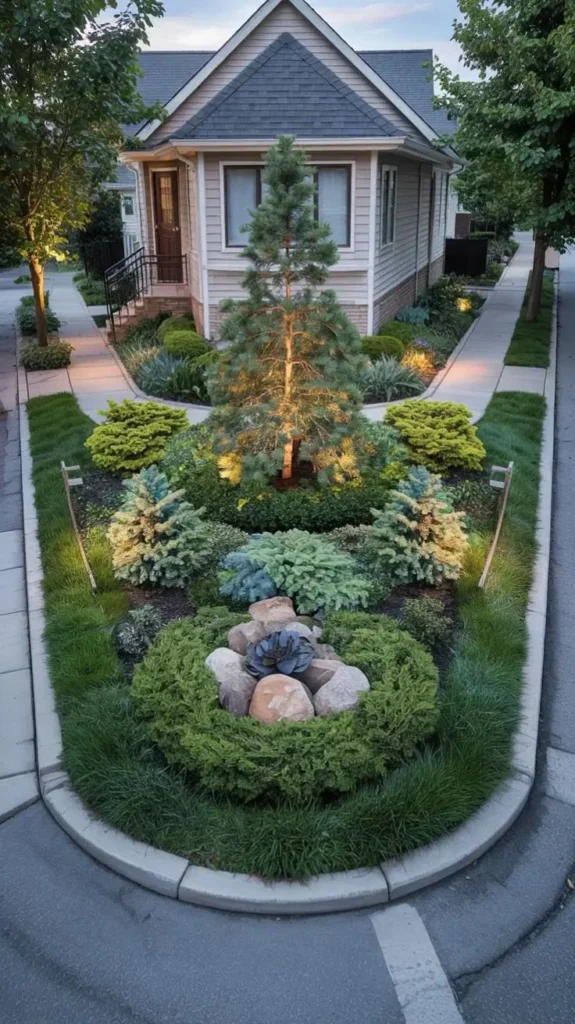
There’s something undeniably magnetic about a corner house: two facades catching the light, views from multiple angles, and the chance to create a front yard that reads like a well-composed scene. Picture a low, curved stone wall that guides the eye toward a sculptural maple, the soft rustle of ornamental grasses, and warm path lighting that invites evening strolls. In 2026, corner‑lot front yard landscaping blends bold geometry with relaxed textures—think crisp gravel beds paired with lush, pollinator‑friendly plantings and tactile elements like corten steel planters or reclaimed-wood benches.
Why does this matter for real homes? Because your front yard is the handshake of your home: it sets mood, reveals personality, and supports everyday life—coffee moments on the stoop, kids bike‑racing the sidewalk, neighbors stopping to chat. A thoughtfully designed corner yard balances curb appeal with comfortable corners: places to sit, shelter from wind, or frame a holiday display. It’s decor for outdoor living that’s practical as well as beautiful.
Whether you’re refreshing for spring, creating a cozy winter corner with evergreen structure, updating for a modern aesthetic, or making renter‑friendly swaps that leave the soil (and landlord) happy, these ideas translate across budgets and lifestyles. For inspiration that complements boundary treatments and backyard transitions, see this guide on creating cohesive outdoor zones with fences and planting: backyard fence landscaping ideas for cozy outdoor zones.
This post walks you through the essentials—from style basics and practical benefits to a step‑by‑step styling guide, maintenance tips, expert tricks, and creative variations—so your corner lot becomes a standout, year‑round front yard.
At a Glance
Front Yard Landscaping Ideas 2026: Corner House Front Yard Landscaping Ideas That Stand Out is an outdoor decor and landscape design approach that treats a corner lot as a series of connected rooms—path, pocket garden, entry court, and visual anchor.
Main style: Contemporary‑eclectic with strong leanings toward modern, minimalist plantings, and natural materials (Scandi‑meets‑rustic).
Typical colors, materials, and textures: muted stone grays, warm terracotta, weathered wood, corten steel, evergreen greens, silvery grasses, and tactile gravel or decomposed granite. Textures are layered—soft foliage, coarse bark, smooth pavers.
Best zones: front entrance, side yard pathway, corner curb appeal area, small seating nook, and planting beds that transition to the street.
DIY vs. store‑bought: mix—easy DIY for planting, mulching, and simple hardscape; professional or advanced DIY for bigger grading, drainage, or retaining walls.
- Item type: landscape design + outdoor decor elements (planters, lighting, paving, seating).
- Typical palette: charcoal, sage, cream, rust, muted blue accents.
- Materials to favor: native perennials, low‑maintenance shrubs, reclaimed stone, metal planters, LED path lights.
Design Impact
A corner‑lot front yard transforms a house’s relationship with the street. Visually, it expands the home’s presence: a sweeping path or curving bed creates motion, while a focal plant or sculpture anchors sightlines from multiple viewpoints. Using lighter materials—light gravel, pale pavers, or reflective glass in a water bowl—brightens northern exposures; darker, textured elements create contrast and depth. Thoughtful layering (low groundcover, mid‑height perennials, taller sculptural accents) gives the eye places to rest and keeps the space legible from different angles.
Emotionally, a well‑designed corner front yard invites comfort and belonging. It encourages porch conversations and evening strolls, slows traffic with beauty, and makes seasonal decorating effortless. Practically, it can solve drainage issues with swales, add privacy with hedges, and create multi‑use spaces—short gravel pads for bike parking, bench nooks for morning coffee, or a small lawn that doubles as a play patch. Imagine relaxing evenings with soft lighting dotting the path, the scent of lavender drifting on a warm breeze—your front yard becomes an extension of daily rituals, not just curb appeal.
Why Choose It
This landscaping approach is ideal for homeowners who want maximum impact without overwhelming maintenance. It’s perfect for:
- Busy families who need durable plantings and defined paths.
- Design‑minded homeowners seeking modern curb appeal that complements interior style.
- Renters or those planning to sell who want flexible, low‑commitment upgrades (container planting, movable benches).
- Small‑scale green thumbs who want pollinator and wildlife benefits from thoughtful plant choices.
Key strengths include affordability through phased updates (start with plants and lighting; add hardscape later), seasonal adaptability (swap containers, swap bulbs), and timelessness—clean geometry and quality materials age well. A common problem this design solves is a long, awkward side yard or empty corner: break it into a gravel seating pad with a focal tree and a row of native shrubs to create privacy, hide utilities, and provide a welcoming approach that reads as intentional rather than neglected.
Home Styling Guide — Front Yard Landscaping Ideas 2026: Corner House Front Yard Landscaping Ideas That Stand Out
{ingredients}
- Main items:
- Native shrubs and perennials (e.g., arbors, lavender, nepeta, ornamental grasses)
- One focal tree or large specimen (Japanese maple, crabapple, serviceberry)
- Hardscape materials: pavers, compacted gravel, edging stones, or decomposed granite
- Planters (corten steel, terracotta, or reclaimed wood)
- Outdoor bench or seating
- Path lighting (LED low-voltage or solar)
- Mulch and topsoil
- Optional upgrades:
- Water feature (small bubbler or pondless fountain)
- Sculptural elements (metal art, birdbath)
- Climbing trellis or privacy screen
- Outdoor rug and cushions for seating nook
- Budget substitutions:
- Use reclaimed bricks or pavers from thrift yards
- Replace corten with painted metal planters or untreated cedar
- Thrift a bench or repurpose pallets into seating with weatherproof stain
{directions}
- Map your corner. Walk the perimeter at different times of day to note sun, shade, wind, and sightlines. Sketch a simple plan showing walkway, focal point, seating nook, and planting areas. Tip: align paths to the natural desire lines people already take.
- Define the structure first. Install edging and hardscape materials to establish flow before planting. For a modern look, create a single curving path of large pavers in gravel; for cottage charm, use staggered reclaimed brick.
- Choose a focal anchor. Plant a specimen tree or place a large planter at the corner where both street views will see it. Select a scale that reads well from the sidewalk—trees with a distinct silhouette work best.
- Layer plantings from low to high. Front edge: low, neat groundcovers or short sedums. Mid zone: flowering perennials for seasonal color and pollinators. Back or screens: evergreen shrubs for winter structure. Tip: repeat one plant species in drifts to create coherence visible from the street.
- Add lighting for safety and drama. Place low lights along the path and an uplight beneath the focal tree. Use warm LEDs (2700–3000K) to create a welcoming glow—too-cool light feels sterile.
- Carve a pocket for sitting. A small gravel pad with a bench and planter makes a cozy nook without sacrificing lawn. Ensure seating faces the street at an angle so you can watch neighbors and enjoy sunlight.
- Select materials that age gracefully. Opt for weathered finishes—corten, limestone, or reclaimed wood—that develop patina rather than looking worn.
- Install soil and plant. Use high‑quality topsoil and mulch deeply to conserve water. Group plants with similar water needs to simplify irrigation—drip systems are ideal.
- Finish with texture and details. Add decorative stones, a woven basket for garden tools, or a seasonal wreath on the fence post for personality.
- Maintain with a plan. Schedule a seasonal tidy: prune in early spring, refresh mulch in late spring, and swap annuals or containers for color.
Common mistakes to avoid: overplanting with too many species (aim for 8–10 reliable plants repeated), ignoring maintenance pathways (leave 2–3 ft paths for access), and placing seating in wind corridors (test on a breezy day).
Ways to Display
Use these display ideas to make pieces of your corner yard sing from every angle.
Place a focal planter and small bench at the corner intersection to form a welcoming node. In the entryway zone, line a short run of low boxwood or dwarf conifers to create a subtle border that feels curated. Along the side yard, install a narrow path of stepping stones weaving through ornamental grasses to give the space an explorative charm.
Pairings that work beautifully:
- Plants: lavender, salvia, sedum, dwarf evergreens.
- Accents: warm steel planters, pebble mulches, lanterns, woven basket planters.
- Textiles and soft details: outdoor cushion with neutral stripes, outdoor rug under a bench for a living-room feel.
- Mirrors and artwork: mount a weatherproof mirror on a fence to visually enlarge a small corner.
Small-space idea: a single large urn on a raised gravel pad plus three repeating perennials along the edge creates drama without clutter.
Large open-plan idea: use a curved low wall to define a seating courtyard adjacent to the sidewalk with layered plantings beyond, creating depth and distinct zones.
For planting transitions and pollinator friendliness, consider this simple starter approach that complements corner planting strategies: beginner pollinator and backyard integration tips.
Care Instructions
Materials and plants need different care routines to look their best. Clean metal planters with mild soapy water and a soft brush; avoid harsh abrasives that remove desirable patina. Sweep gravel paths seasonally to redistribute stones and remove leaves. For wood benches and edging, inspect annually for rot; refresh with a protective oil or stain if needed.
Plant care: dust off leaves with a gentle hose every few months, deadhead spent blooms to encourage rebloom, and prune structural shrubs in early spring. Mulch beds to retain moisture—refresh the top 2–3 inches each year. Watering: deep, infrequent watering is better than daily light sprinkling—this builds resilient root systems. Store seasonal decor (winter ornaments, cushions) in dry, ventilated containers; bring cushions indoors during prolonged wet weather.
To keep the overall look fresh, rotate container plants each season, replace one perennial every couple years if it thins out, and use contrasting textures—grasses, broadleaf perennials, and structured shrubs—to maintain visual interest year‑round.
Designer’s Advice
- Repeat a single plant species in drifts to create visual cohesion visible from the street.
- Anchor the corner with one strong focal element (tree, sculpture, or large planter).
- Use warm light (2700–3000K) for path and accent lighting—it feels inviting after dusk.
- Keep a balance of hardscape and softscape; too much gravel can feel barren, too much planting can look unkempt.
- Choose native plants where possible for lower maintenance and pollinator benefits.
- Always test materials at scale—place a paver and a planting sample in the yard for a week to see how they age in sunlight.
- For renters: choose container gardens and movable furniture so improvements can travel with you.
Style Twists
Minimalist: Focus on clean lines—large-format pavers in a grid, restrained palette of three plants, and a single black metal bench. Low maintenance, high impact.
Cozy/English-cottage twist: Add a small swath of turf or clover, layered flowering perennials, a reclaimed wooden bench, and string lights for a welcoming, storybook look.
Budget/thrifted option: Use thrift‑shop furniture, reclaimed bricks for edging, container plantings for instant color, and DIY gravel paths with compacted base material. Phased updates let you spread costs.
Seasonal variation: For the holidays, swap container plantings for evergreen boughs, add lanterns and white lights along the path, and use a temporary living wreath on a fence post to celebrate without permanent changes.
Frequently Asked Questions
Q: How do I match front yard landscaping with my existing home colors?
A: Pull two or three colors from your home (trim, roof, door) and choose plants or hardscapes that complement—cool grays and silvers pair well with blue homes; warm terracotta and rust look amazing with cream or beige exteriors.
Q: Can these ideas work for small corner lots or urban lots?
A: Yes—prioritize vertical interest (tall narrow plantings, trellis) and keep seating compact. Use reflective surfaces or light gravel to make the space feel larger.
Q: Is this renter‑friendly?
A: Absolutely. Use containers, movable benches, and temporary edging. Avoid permanent grading or hardscape that would alter the property without landlord approval.
Q: Where can I find quality materials or plants inexpensively?
A: Check local nurseries for native plugs, community plant swaps, thrift shops for garden furniture, and reclaimed building-material yards for secondhand pavers and stone.
Q: How should I store seasonal decor?
A: Use airtight bins for textiles and light strings; keep heavy metal pieces in a dry spot; stack planters nested inside one another to save space.
Conclusion
Ready to make your corner lot the neighborhood showpiece? Start small—define a path, plant a focal specimen, and add layered textures that invite touch and linger in memory. We’d love to see your before-and-after photos or hear your questions—share them in the comments below and join the community at Moderndecorum.
For additional design inspiration and photo examples you can adapt to your corner yard, explore this curated gallery of landscaping ideas: 23 Beautiful landscaping ideas & photos.
If you’re thinking about pollinator-friendly plantings to boost backyard biodiversity alongside your front‑yard upgrades, this beginner guide explains a simple 3 x 3 x 3 system you can implement: beginner pollinator garden: the 3 x 3 x 3 system.
Explore more front‑yard and outdoor decor ideas at Moderndecorum and subscribe to stay inspired.