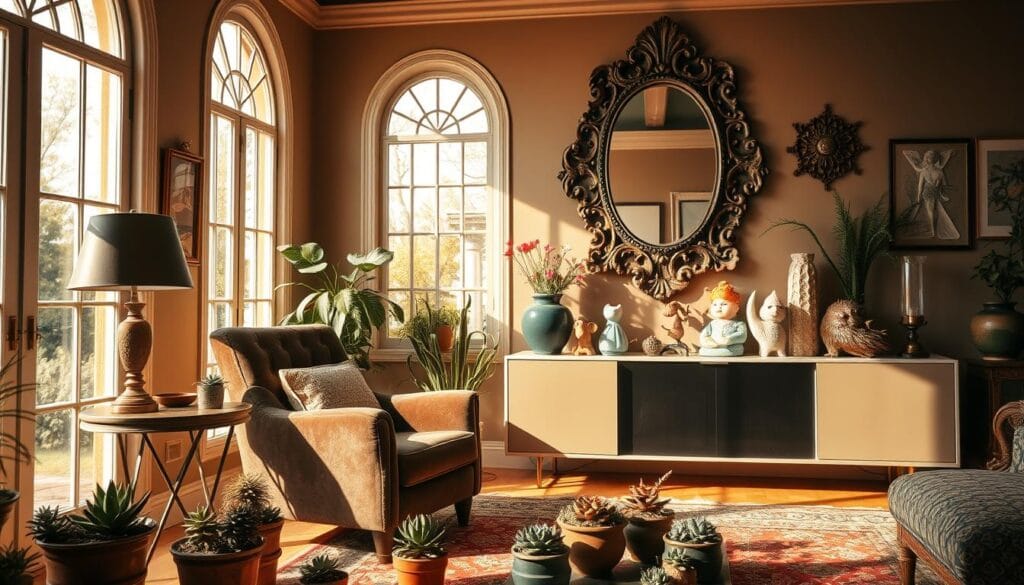

Green Living Room Oasis with Cozy Wood Accents
Imagine coming home to a living room that feels like a deep, restorative breath. Walls washed in soft green — a muted sage or a rich olive — cradle a seating area where textures layer gently: the brushed nap of a linen sofa, a chunky knit throw, the smooth warmth of a walnut coffee table. Dappled sunlight moves across rattan baskets and potted fiddle-leaf figs, while warm wood accents and soft brass details catch the eye like friendly exclamation points. The room hums with natural rhythm: cool plant leaves, warm timber, and textiles that beg for touch.
This is the Green Living Room Oasis with Cozy Wood Accents: a style that reads both grounded and inviting. It’s the kind of space where you can curl up with a book, host a relaxed dinner for friends, or set up a compact workstation without feeling like the room is working against you. The palette feels alive yet calm — green tones bring nature indoors, while wood provides a human-scale warmth that invites lingering conversations and slow mornings.
Why does this décor idea matter for real homes? Because it balances aesthetics with everyday life. It’s not a showroom; it’s a living room that breathes, stores toys or blankets, and adapts to seasons. Design choices here are intentional: textiles for comfort, surfaces for durability, and accents that reflect personality. Whether you want to create a cozy corner for reading or refresh your space for hosting holidays, this approach gives you practical tools and flexible options.
If you’re thinking of a seasonal refresh, a renter-friendly upgrade, or an easy way to make an open-plan living area feel more intimate, this theme fits the bill. For inspiration on accenting a warm fireplace glow that complements these green-and-wood tones, check out this cozy idea in our feature on a cozy French living room with warm fireplace glow.
At a Glance
Green Living Room Oasis with Cozy Wood Accents is a décor direction rather than a single item — a curated combination of furniture, textiles, lighting, plants, and decorative objects that work together.
- Main style: Modern-Scandinavian with rustic and organic influences; cozy, layered, and approachable.
- Typical colors: Sage, olive, forest green, soft moss paired with warm neutrals — cream, beige, taupe — and mid-tone to dark woods (walnut, oak, teak).
- Materials & textures: Natural woods, linen and cotton textiles, woven rattan, ceramic planters, soft wool throws, brushed metals (aged brass, matte black).
- Best rooms/zones: Living room primary, but adaptable to bedroom seating areas, entryways, or home offices.
- DIY vs. store-bought: Mix — most pieces are ready-made (sofa, rug, lighting); personalization via DIY plant stands, affordable refinishing, and thrifted finds.
Design Impact
When you introduce green tones and wood accents, the room changes in a few clear ways. Visually, green acts as a middle ground between cool and warm palettes: it reflects daylight beautifully, softens strong artificial lighting, and makes contrasts (like a cream sofa against olive walls) feel intentionally composed. Wood anchors the room, creating focal points and a sense of continuity across different surfaces — floor, table tops, frames — which helps the eye flow rather than stop abruptly.
Emotionally, this scheme promotes calm and connection. Green is often associated with rest and renewal; when paired with tactile wood, you get a space that feels both restorative and welcoming. Imagine coming home on a rainy evening: the green walls feel enveloping, the coffee table’s grain invites a hand to trace it, and a strategically placed floor lamp creates a pool of warmth perfect for reading. Practically, the design supports multi-use lifestyles — storage ottomans and baskets hide clutter while plant shelves double as decorative displays. For more small-scale cozy ideas that pair well with this aesthetic, see our guide to cozy living room ideas to warm your heart.
Why Choose It
This look is ideal for people who want enduring style without fuss. Renters can paint an accent wall with removable wallpaper or use peel-and-stick panels in green tones; families benefit from durable fabrics and practical storage that maintain a calm aesthetic. Small-apartment dwellers find it especially useful: the right green backdrop makes vertical plant displays pop, while slim wooden consoles and floating shelves maximize floor space.
Key strengths include affordability and flexibility. You can start small — swap pillows, add a wooden tray, place a couple of potted plants — and grow the look over time. It’s timeless because it borrows from natural materials and classic tones rather than fleeting trends. One common problem it solves: a boring, flat sofa. Place a warm wood side table, a deep green lumbar pillow, and a textured throw to instantly add depth and personality; the sofa now feels curated rather than utilitarian.
How to Style Green Living Room Oasis with Cozy Wood Accents
Ingredients
- Main items:
- Soft linen or cotton sofa in a neutral tone
- Mid-tone wood coffee table and a side table (oak, walnut, or teak)
- Area rug with natural fibers (wool, jute, or a blend)
- Floor lamp and table lamp with warm bulbs
- A mix of green-hued throw pillows and a chunky throw blanket
- Several live plants (varying heights), decorative planters
- Optional extras:
- Woven baskets for storage
- Wall art with botanicals or abstract textiles
- A mirror with a warm wood frame
- Decorative trays, ceramic vases, brass candleholders
- Budget-friendly substitutions:
- Thrifted wooden furniture refinished with stain
- IKEA-style nested tables or shelving
- Faux plants with textured pots if upkeep is a concern
- Replace wool rug with durable jute or flatweave for lower cost
Directions
- Start with the backdrop: choose a green for the walls or an accent wall. For a small room, pick a lighter sage; for larger spaces or to create coziness, choose deeper olive or forest shades. Tip: hold swatches against the room’s light at different times of day before committing.
- Anchor the seating: place your sofa so it faces the main focal point (TV, fireplace, or a view). Set the wood coffee table centered in front, leaving 14–18 inches between sofa and table for comfortable movement.
- Layer the rug: use an area rug large enough that at least the front legs of major furniture sit on it; this visually ties pieces together. Natural textures add warmth and hide wear.
- Add wood accents in varied finishes: a walnut coffee table, oak side table, and teak picture frames create richness without monotony. Keep all wood tones within a similar warmth (all warm or all cool) to avoid clashing.
- Introduce textiles: mix plain and patterned pillows in green, cream, and subtle warm accents like terracotta. A chunky throw on an arm creates a tactile focal point. Choose washable cushion covers for easy upkeep.
- Bring in greenery: use a large floor plant to anchor a corner and smaller plants on shelves or tables. Group pots in threes for visual interest and varied heights for depth.
- Layer lighting: three light sources — overhead, task (reading lamp), and accent (table or floor lamp) — create flexible ambiance. Use warm bulbs (2700–3000K) for a cozy glow.
- Edit decorative objects: keep surfaces uncluttered. Use trays to corral small items on tables, and baskets to store blankets or magazines. Aim for balance: one or two statement pieces plus smaller supporting items.
- Final check and tweak: walk the room and sit in the primary seating position. Adjust pillow arrangement, rug placement, or lamp height until sightlines feel natural. Common mistake: hanging art too high — the center of artwork should sit roughly at eye level when seated (about 48–52 inches from the floor).
Ways to Display
This look adapts beautifully across rooms. In the entryway, a slim wooden console with a green-painted wall behind it welcomes guests and sets the tone. Add a woven basket below for shoes and a brass bowl for keys. In the living room, focus on one major grouping: sofa, coffee table, and a plant cluster; keep shelving displays sparse to avoid visual chaos. For bedrooms, a small green accent wall behind the bed and wooden nightstands bring peace and continuity.
Pair it with:
- Plants: large statement plants, trailing pothos on high shelves, and small succulents on the coffee table.
- Textiles: layered rugs (natural fiber under a patterned flatweave), velvet or linen cushions, and a knit throw.
- Lighting: floor lamps with wood or brass details, soft-glow table lamps, and dimmers.
- Decorative objects: ceramic vases, woven baskets, and framed botanical prints.
Ideas by room size:
- Small spaces: use foldable wooden nesting tables, slimline sofas, and vertical plant stands to save floor space. Keep the palette lighter to avoid feeling boxed in.
- Large open-plan rooms: create zones with rugs and matching wood tones — a reading nook with a rattan chair and side table, and a main seating area with a larger wood coffee table to maintain scale.
How to Maintain
Wood, fabric, and plants each have their own care routines to keep the oasis feeling fresh. For wood surfaces, dust weekly with a soft cloth and use a damp (not wet) cloth for spills; avoid silicone-based polishes which can build up. For oiled wood, refresh with a light oil treatment every 6–12 months depending on wear. Fabrics: vacuum upholstery monthly and wash cushion covers per label instructions; rotate cushions and throws seasonally to distribute wear.
Plants require light and occasional pruning — wipe leaves with a damp cloth to remove dust so they photosynthesize efficiently. Check for pests periodically. Rugs and natural fiber pieces benefit from a professional deep clean yearly or a spot-clean routine for accidents. Store seasonal items like extra throws in breathable fabric bins away from direct sunlight to avoid fading; if you rotate artwork or cushions, pack them in acid-free paper to preserve color.
Designer’s Advice
- Scale matters: choose furniture proportions that match the room — low-profile in small rooms, larger scale with deeper seating in open-plan areas.
- Balance green with neutrals: too many saturated greens can overwhelm; break them with cream, beige, and wood.
- Layer lighting: include dimmers and multiple sources to shift mood from day to night.
- Repeat finishes: use the same wood tone in at least three places (table, frame, shelf) to create cohesion.
- Texture trick: pair smooth wood surfaces with nubby textiles to add tactile contrast without visual clutter.
- Pattern mixing: if using patterned pillows or rugs, keep one pattern large-scale and the others smaller to avoid competing.
- Anchor a gallery or shelf with a statement wood frame or larger plant to avoid a floating, unmoored look.
Style Twists
- Minimalist Twist: Stick to a narrow palette — pale sage walls, pale wood, and cream textiles. Keep decor to the essentials for an airy, calm look.
- Cozy Rustic Twist: Embrace deeper green walls, reclaimed wood furniture, a fluffy wool rug, and vintage brass accents for a lodge-like warmth.
- Budget/Thrifted Version: Source a secondhand wooden coffee table and refinish it, buy faux plants with textured pots, and DIY botanical prints to frame inexpensively.
Frequently Asked Questions
Q: How do I match this decor with existing furniture and colors?
A: Pull a single color or material from existing pieces (like a walnut dining table) and echo it in at least two new items. Use green as an accent rather than forcing everything to match.
Q: Can this work in a small apartment?
A: Absolutely — choose lighter green tones, multi-functional furniture (storage ottomans), and vertical plant displays to maximize space without crowding.
Q: Is it renter-friendly?
A: Yes. Use removable wallpaper, peel-and-stick shelves, and portable plants. Swap textiles and table accents rather than making permanent changes.
Q: Where can I find quality items without overspending?
A: Look for local thrift shops, estate sales, and online marketplaces for solid wood pieces to refinish. Basic new items like plain linen cushions and jute rugs can be very affordable.
Q: How should I store seasonal decor so it lasts?
A: Use breathable bins, keep textiles away from direct sunlight, and store ceramics with padding. Label boxes and keep them in a dry area to avoid moisture damage.
Conclusion
Ready to make your living room into a green, wood‑accented oasis? Small swaps — a new throw, a plant cluster, and a wood tray — can transform the mood and function of your space. If you’re curious about wood wall treatments that pair beautifully with this look, check out this inspiring account of a modern farmhouse living room renovation for ideas on warm timber textures. For help choosing the perfect green paint, this roundup of the best green paint colors, per designers is a great resource.
Try one corner at a time, share photos and questions in the comments, and explore more ideas on Moderndecorum.com to keep building a home that feels like you.