Home Lighting Ideas for Open Concept Spaces
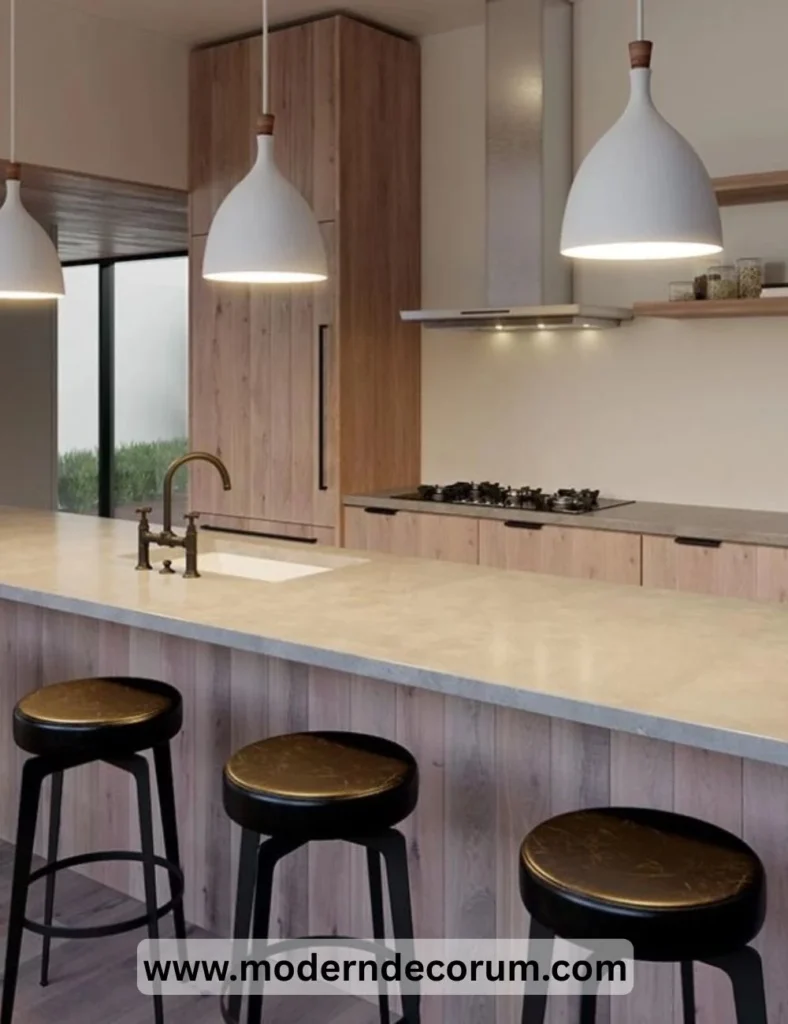
Table of Contents
Why This Decor Idea Matters
Home lighting ideas for open concept spaces are essential for creating harmony in today’s modern homes. Open layouts bring a sense of flow, spaciousness, and natural light—but they also pose unique challenges. Without defined walls, lighting becomes the key element in shaping distinct zones while keeping the space visually unified.
The right lighting plan not only enhances aesthetics but also boosts functionality—helping each area serve its purpose, whether it’s a cozy reading corner, an inviting dining zone, or a lively kitchen. With thoughtful design, lighting can transform an expansive layout into a warm, balanced home that feels cohesive yet full of character.
What You’ll Need
Designing lighting for open concept spaces works best when you combine several layers and styles. Consider:
- Statement Fixtures
- Purpose: Anchor a specific zone, like a chandelier over the dining table or bold pendant lights above the kitchen island.
- Tip: Match fixture finishes or materials to create visual continuity.
- Ambient Lighting
- Purpose: Provide overall illumination for the entire space.
- Examples: Recessed lighting, track lights, or large ceiling-mounted fixtures.
- Task Lighting
- Purpose: Support activities like cooking, reading, or working.
- Examples: Under-cabinet lights in the kitchen, adjustable desk lamps, floor lamps by a reading chair.
- Accent Lighting
- Purpose: Highlight architectural details, artwork, or textured walls.
- Examples: Wall sconces, LED strips, or picture lights.
- Dimmers and Smart Controls
- Purpose: Adjust brightness for mood changes throughout the day.
- Pro Tip: Smart lighting systems let you control zones individually without complex wiring.
Decorating Steps
Step 1: Define Functional Zones with Light
Action: Decide how you want to use each area—kitchen, dining, living—and assign lighting to match.
Rationale: Lighting becomes the “walls” in an open layout.
Step 2: Choose a Central Statement Piece for Each Zone
Action: Use pendants, chandeliers, or oversized fixtures to define spaces.
Pro Tip: Keep a common element—like finish or shape—so fixtures coordinate without looking identical.
Step 3: Layer in Ambient Lighting
Action: Install recessed lights or ceiling fixtures to fill in shadows and keep brightness even.
Step 4: Add Task Lighting Where Needed
Action: Focus on specific work areas such as kitchen counters or reading spots.
Step 5: Use Accent Lighting for Character
Action: Illuminate shelves, art pieces, or architectural beams to add depth and interest.
Design Tips & Variations
- Maintain Visual Flow: Stick to a consistent color temperature for bulbs across the entire space.
- Mix Heights: Layer ceiling lights with floor lamps and wall sconces for dimension.
- Seasonal Switches:
- Winter: Use warm-toned bulbs for a cozier feel.
- Summer: Let in natural daylight and use lighter shades or glass fixtures.
- Reflective Surfaces: Incorporate mirrors or glossy finishes to bounce light and enhance brightness.
FAQ / Common Challenges
Q: How do I prevent my open space from feeling too bright?
A: Use dimmers and create lighting “layers” so you can control brightness in each zone separately.
Q: Can I mix different fixture styles?
A: Yes, as long as you repeat a unifying detail like color, finish, or shape.
Q: How do I light a large space evenly?
A: Combine ambient lighting with multiple smaller sources to avoid dark corners.
Conclusion & Call to Action
Mastering home lighting ideas for open concept spaces means balancing beauty with practicality. By layering light, defining zones, and choosing fixtures that speak to your style, you can make your open layout feel warm, functional, and visually connected.
Which zone in your open space will you light up first?