How to Create a Wooden Panel Wall with Shelves
A wooden panel wall with integrated shelves adds warmth, texture, and storage to any room. This guide walks you through planning, materials, and step-by-step installation so you can build a durable, attractive feature wall even if you’re a confident beginner. If you want a quick planning checklist to start, see this helpful starter guide.
What you’ll need
- Materials: wood panels (tongue-and-groove, shiplap, or veneered slats), timber battens or plywood backing, shelf boards, screws, finishing nails, wood filler, primer/paint or oil/varnish.
- Tools: tape measure, spirit level, stud finder, circular saw or mitre saw, drill/driver, brad gun (optional), sander, caulking gun.
- Safety gear: eye protection, hearing protection, dust mask, gloves.
Planning and measuring
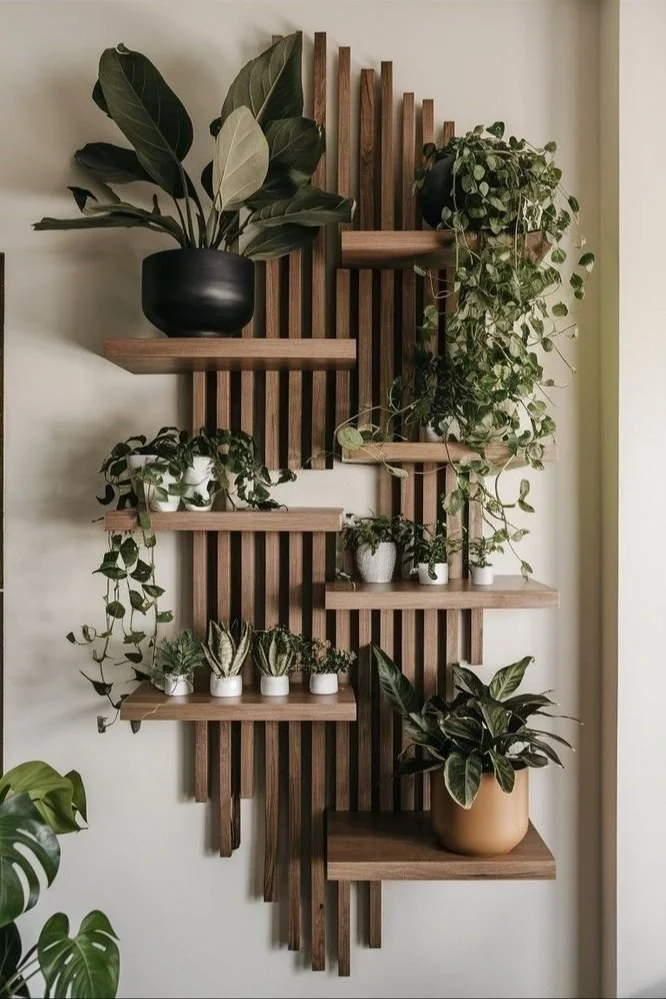
- Choose a style: full-height panels, horizontal slats, or vertical boards. Decide whether shelves will be floating, bracketed, or recessed.
- Measure accurately: record wall height and width, locate studs with a stud finder, and mark service points (outlets, switches).
- Layout shelves: sketch shelf positions at eye level and in relation to furniture. Consider load: heavy books require stronger supports and anchoring into studs.
Preparing the wall
- Remove outlet covers and lightly sand or clean the wall surface.
- If the wall is uneven, attach a layer of 6–9 mm plywood to create a flat substrate; fix plywood into studs every 300–400 mm.
- Mark a level baseline for the bottom panel; this helps keep the entire installation square.
Cutting and dry-fitting panels
- Cut panels to length using a mitre or circular saw with a fine blade. If using veneered slats, work with the intended grain and orientation.
- Dry-fit panels starting from the lowest corner and work across. Leave 2–3 mm expansion gaps around edges if wood is solid.
- For visual continuity, stagger joints if panels are shorter than the wall width.
Fixing panels to the wall
- Fasten panels into studs or plywood backing using screws or finishing nails. For a cleaner look, consider secret-fix clips or a tongue-and-groove method.
- Use glue in addition to mechanical fixing for veneered panels if recommended by the manufacturer.
- Fill nail holes and gaps with color-matched wood filler. Sand lightly once dry.
Building and integrating shelves
- Decide shelf type:
- Floating: use concealed steel brackets or internal rails fixed into studs.
- Bracketed: install metal or timber brackets anchored into studs or plywood backer.
- Recessed or box shelves: build shallow timber boxes fixed to the backing before paneling.
- When planning shelf depth, allow at least 25–30 mm clearance from the panel face if brackets are behind panels.
- For DIY shelf construction, use solid timber or plywood faced with matching veneer for continuity. A step-by-step shelf build and layout reference can be helpful—refer to this shelf layout reference for ideas and details.
- Fix shelves level and confirm load capacity. For heavy loads, anchor through to studs and use thicker supports.
Finishing touches
- Sand panel faces and shelf edges with fine-grit sandpaper.
- Choose finish: natural oil or varnish enhances grain; primer and paint give color contrast. Apply at least two coats according to product instructions.
- Refit outlet covers and install any LED strip lighting behind shelves for ambient effect.
- Seal joints where shelves meet panels with a sliver of matching trim or flexible trim sealant for a polished look.
Common pitfalls and tips
- Never rely solely on plasterboard for heavy shelf loads—always anchor into studs or add backing plywood.
- Test-fit panels around sockets and fittings before final fixing.
- Match moisture content of timber to the room environment to minimise future movement.
- If panels are veneered, avoid excessive sanding which can cut through the veneer.
Maintenance
- Dust regularly and re-oil or re-varnish surfaces periodically depending on wear.
- Tighten hidden brackets or screws after a few months of use.
Conclusion
For sourcing quality materials, browse this supplier for Wood Wall Paneling, Cladding & Slat Panel Solutions | Order Online to compare panel types and finishes. If you’d like another step-by-step how-to reference that covers variations and user tips, see How to create a wooden panel wall with shelves?