Introduction
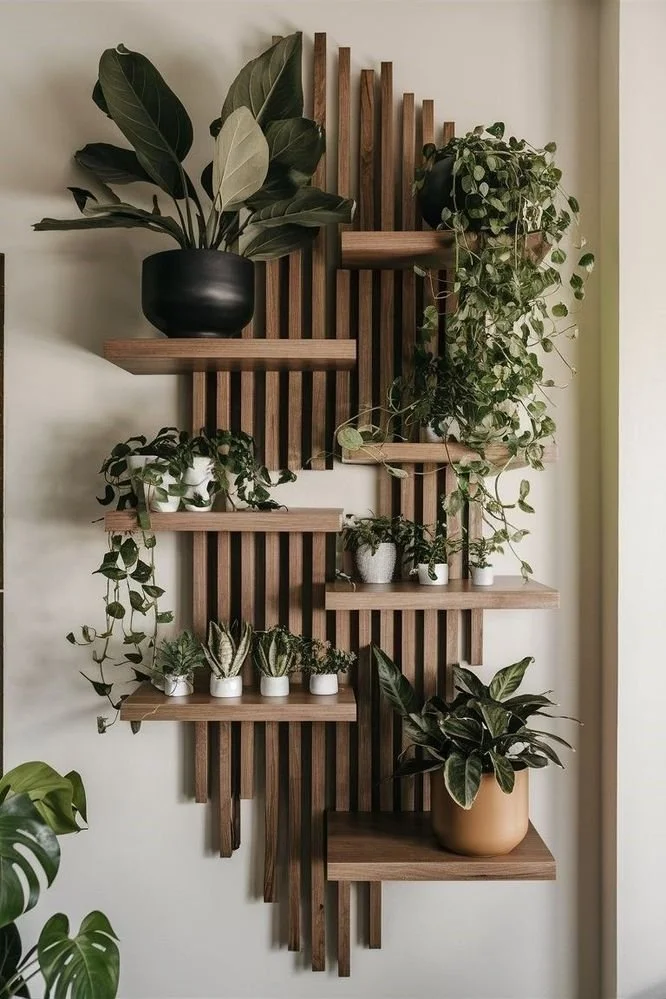
Imagine a wall that feels like a warm, tactile hug—vertical bands of wood catching the late afternoon light, a soft mix of grain and matte paint, and a curated row of shelves holding books, plants, and a few cherished objects. A wooden panel wall with shelves transforms a flat surface into a layered landscape: the rhythm of slatted panels, the depth of shadow between grooves, and the gentle contrast where floating shelves seem to hover like ledges in a forest canopy. Touch the panels and you feel smoothness, or the rustic press of reclaimed oak; look closely and you notice knots and tiny imperfections that make the whole wall sing with personality.
This is more than a backdrop. It’s a design move that adds texture, warmth, and structure to a room—especially useful when you want to anchor a sofa, define a dining zone, or bring cohesion to an entryway. The palette can be cool and Scandinavian with bleached pine and soft gray, or rich and moody with walnut slats and matte black brackets. Shelves break the surface so the wall becomes useful as well as beautiful: a place for vases that glow when lit from below, baskets that hide clutter, and framed photos to tell your household story.
Why does this idea matter for real homes? Because it blends aesthetics with everyday life. It creates a cozy backdrop for evening conversations, a tidy display for guests during gatherings, and a functional staging area for work-from-home essentials. It’s an instantly hospitable update for seasonal refreshes, a renter-friendly trick when done with removable panels, and a budget-friendly option when you mix DIY elements with store-bought shelves. If you like the idea of a room that feels curated but lived-in, a wooden panel wall with shelves is a high-impact, low-ego change that welcomes people and slows your pace.
Ready for inspiration before you start? For tips on variations and build tutorials, check out a couple of detailed guides that can help shape your plan before you buy materials.
Decor Details
What it is: A wooden panel wall with shelves is a combination of vertical or horizontal wood slats or panels fixed to a wall, paired with attached floating or bracketed shelves. It’s equal parts wall treatment, storage solution, and display gallery.
Main style: This treatment adapts to many styles—Scandinavian, modern, rustic, coastal, and contemporary mid-century are all natural fits, depending on finish and shelf styling.
Typical materials and textures:
- Solid wood, plywood veneer, or MDF slats
- Finishes: natural, stained, painted, or whitewashed
- Shelves: floating wood, metal brackets, glass inserts
- Accents: matte metal hardware, woven baskets, ceramic vessels
Best rooms: Living room feature wall, bedroom headboard wall, entryway statement, dining area focal point, and home office backdrop.
DIY vs. store-bought: Mix. Panels are an approachable DIY for handy homeowners (intermediate), while ready-made slat panels and pre-cut shelves make the job accessible for beginners.
Design Impact
A wooden panel wall with shelves changes a room visually by creating a focal point that guides the eye. Vertical slats can make ceilings feel taller; horizontal panels can widen a space. The shadow lines between slats add subtle contrast that remains interesting from different angles and under changing light. When paired with shelves, the wall shifts from static to interactive: you can control color, scale, and mood by swapping accessories or changing lighting.
Emotionally, this treatment brings warmth and a sense of intentionality. It cues coziness in a living room by introducing natural materials; it adds calm to a bedroom with rhythmic repetition; it boosts focus in a home office by giving you an organized wall for essentials. Practically, shelves turn decorative paneling into storage—books, baskets, and office supplies gain a place without the bulk of a bookcase. Picture relaxed evenings where your favorite reads sit within arms’ reach, or hosting guests with glassware and candles artfully displayed—this wall makes those moments feel curated and effortless.
Why Choose It
Who should pick this: Renters who want removable options, families needing smart storage, small-apartment dwellers looking for vertical solutions, decor beginners seeking a high-return DIY, and design lovers wanting layered texture without a full remodel.
Key strengths:
- Affordable: Use MDF or plywood slats to get the look on a budget.
- Flexible: Paintable panels and removable shelves let you update seasonally.
- Timeless: Wood grain and simple geometry age well and pair with many styles.
- Small-space friendly: Vertical lines and floating shelves maximize storage without eating floor space.
Problem-solver example: An empty wall behind a sofa can feel bland and drop the energy of a room. Adding a wooden panel wall with staggered shelves immediately creates visual interest, hides scuffs, and gives you a place to style art and plants—solving the "floating sofa" problem without rearranging furniture.
Step-by-Step Decor
Ingredients (materials, tools, alternatives)
- Main items:
- Wood slat panels or MDF boards (pre-cut or cut yourself)
- Floating shelves or shelf planks + hidden brackets
- Screws, wall anchors, and construction adhesive
- Paint or stain and clear protective sealant
- Level, stud finder, tape measure, circular saw or jigsaw
- Optional extras:
- LED strip lights or puck lights for under-shelf lighting
- Metal brackets for an industrial look
- Woven baskets, ceramic vases, picture frames, and small plants
- Budget-friendly alternatives:
- Use shiplap-style tongue-and-groove boards from reclaimed pallets
- Paint plywood strips to mimic expensive veneer
- Reuse secondhand shelves or thrifted picture ledges
Directions (clear numbered steps)
- Plan and measure: Measure the wall height and width. Decide if panels will run vertically or horizontally—vertical slats add height; horizontals widen the room. Tip: Sketch the layout to scale on graph paper.
- Locate studs and map shelf placement: Use a stud finder to mark studs; anchor shelves into studs when possible. For floating shelves, ensure bracket positions align with studs or use heavy-duty anchors.
- Select materials and finish: Choose wood species or MDF based on your budget and desired look. If painting, prime first; if staining, test on scraps to match tones. Tip: Warm stains pair well with cozy textiles; cool gray paint suits Scandinavian schemes.
- Install the panels: Secure the bottom edge first and work upwards. Use construction adhesive plus screws to prevent warping. Keep gaps consistent—use spacers for uniform lines. Common mistake: not checking for level after every few panels; fix by shimming thin gaps as you go.
- Mount shelves: Attach brackets to studs or use concealed supports for floating shelves. Place shelves at functional heights—lower shelf 12–18 inches above a sofa back; eye-level shelves around 55–60 inches from the floor for displays. Tip: stagger shelf depths for visual interest and to accommodate taller objects.
- Add lighting and hardware: Install LED strips along the underside of shelves for a warm glow, or place small directional lights to highlight art. Avoid cool, stark bulbs; warm white (2700–3000K) is more flattering on wood.
- Style in layers: Begin with larger pieces (baskets, lamps), add medium objects (books, framed prints), then finish with small accents (candles, small plants). Leave breathing room—every second shelf can be reserved for negative space.
- Seal and protect: Apply a clear coat to protect paint or stain from fingerprints and moisture, especially in high-traffic areas like entryways.
- Live with it and edit: After a week, tweak placements. Often the best arrangements emerge after daily life reveals practical needs—shift a shelf lower for a frequently used tray, or add a basket where clutter accumulates.
- Renter-friendly removal: If renting, use removable panel systems, Command strips for light accessories, and avoid irreversible wall anchors.
Presentation Tips
Use your wooden panel wall with shelves differently depending on the room. In the entryway, keep the lower shelves functional: a tray for keys, a basket for gloves, and a mirror above the slats to reflect light. In the living room, center the panel behind the sofa and anchor with a large rug and layered lighting to create a cozy conversation area. For a bedroom, install a slim shelf as a bedside nook—perfect for a small lamp, a stack of books, and a single vase.
Pairing ideas:
- Plants: trailing pothos or small succulents soften the geometry.
- Textiles: a warm rug and cushions echo the wood’s tone.
- Mirrors and art: mix framed prints with small mirrors to reflect light.
- Accessories: woven baskets, ceramic pots, and tactile books balance metal brackets and hard edges.
Small-space idea: Use narrower panels and shallower shelves to conserve floor depth—store small essentials and display a few favorite books. Large-space idea: Stretch a slat wall across a long living area and use alternating shelf groupings to create multiple vignette zones.
How to Maintain
Wood needs gentle care to keep it looking fresh. Dust panels and shelves weekly with a soft microfiber cloth to avoid grit scratching the finish. For painted or sealed wood, wipe occasional smudges with a damp cloth and a mild soap solution; for raw or oiled wood, use a recommended wood cleaner and re-oil annually if needed.
If you have plants, protect shelves with small trays under pots to catch water and prevent stains. Rotate and refresh styled items seasonally—swap artwork, change cushion covers, and rotate books to prevent sun fading. Store off-season accents in breathable bins in a cool, dry place; avoid plastic containers in humid climates which can trap moisture.
Styling Success
- Keep scale balanced: wide panels need wider shelves; thin slats suit narrow ledges.
- Rule of threes: style groupings in odd numbers for organic balance.
- Layer lighting: combine ambient room light with shelf-level LEDs for depth.
- Mix textures: pair smooth ceramics with woven baskets for tactile contrast.
- Use negative space: every shelf doesn’t need to be filled—leave gaps to let the paneling show.
- Anchor with greenery: a live plant breathes life into a wood-heavy palette.
- Test heights: stand back and view the wall from seating positions to ensure comfort and visibility.
Customization Options
Minimalist twist: Paint panels in a single soft neutral and use thin, shallow shelves with monochrome decor for a calm, gallery-like effect.
Cozy/rustic twist: Use reclaimed wood panels with deep stains and chunky bracketed shelves. Add amber glass, wool throws, and brass accents for warmth.
Budget twist: Create slat panels with painted plywood strips and use secondhand shelves or floating ledges painted to match. Accent with thrifted ceramics and upcycled baskets for charm on a shoestring.
All Your Questions Answered
Q: How do I match the panel wall with existing furniture and colors?
A: Pull one or two tones from your furniture into the wall finish—use a stain a shade darker than your coffee table for cohesion or a paint that complements cushion colors. Introduce metallic accents that echo existing hardware.
Q: Is this renter-friendly?
A: Yes, with removable panels, adhesive solutions, or wall-friendly mounting systems. Use minimal, reversible anchors and consider a single panel section instead of a full wall.
Q: How to adapt for small vs. large rooms?
A: Small rooms benefit from vertical slats and shallow shelves to elongate ceilings. Large open-plan spaces can handle broader panel runs and mixed-depth shelving to create multiple display zones.
Q: Where can I find quality materials without overspending?
A: Look for local woodworking suppliers, salvage yards, and national panel retailers for affordable materials. Pre-finished slat panels are convenient and save time.
Q: Best way to keep it lasting?
A: Seal wood finishes, use coasters and trays under plants, dust regularly, and rotate decor to prevent sun fading and wear.
Conclusion
A wooden panel wall with shelves is a simple yet transformative project that brings texture, function, and personality into any room. Whether you’re aiming for a renter-friendly seasonal refresh or a full-on feature wall, the layered warmth of wood paired with thoughtfully styled shelves creates a home that looks intentional and feels lived in. Ready to source materials or see alternative panel options? Explore comprehensive wood paneling suppliers like Wood Wall Paneling, Cladding & Slat Panel Solutions | Order Online, and for step-by-step shelving ideas you can reference a practical how-to overview at How to create a wooden panel wall with shelves?.
Try this idea in your own home, and share photos or questions below—your project could inspire others. For more guides and styling tips, visit our recent builds and ideas pages, and join the Moderndecorum community for seasonal inspiration and DIY resources.